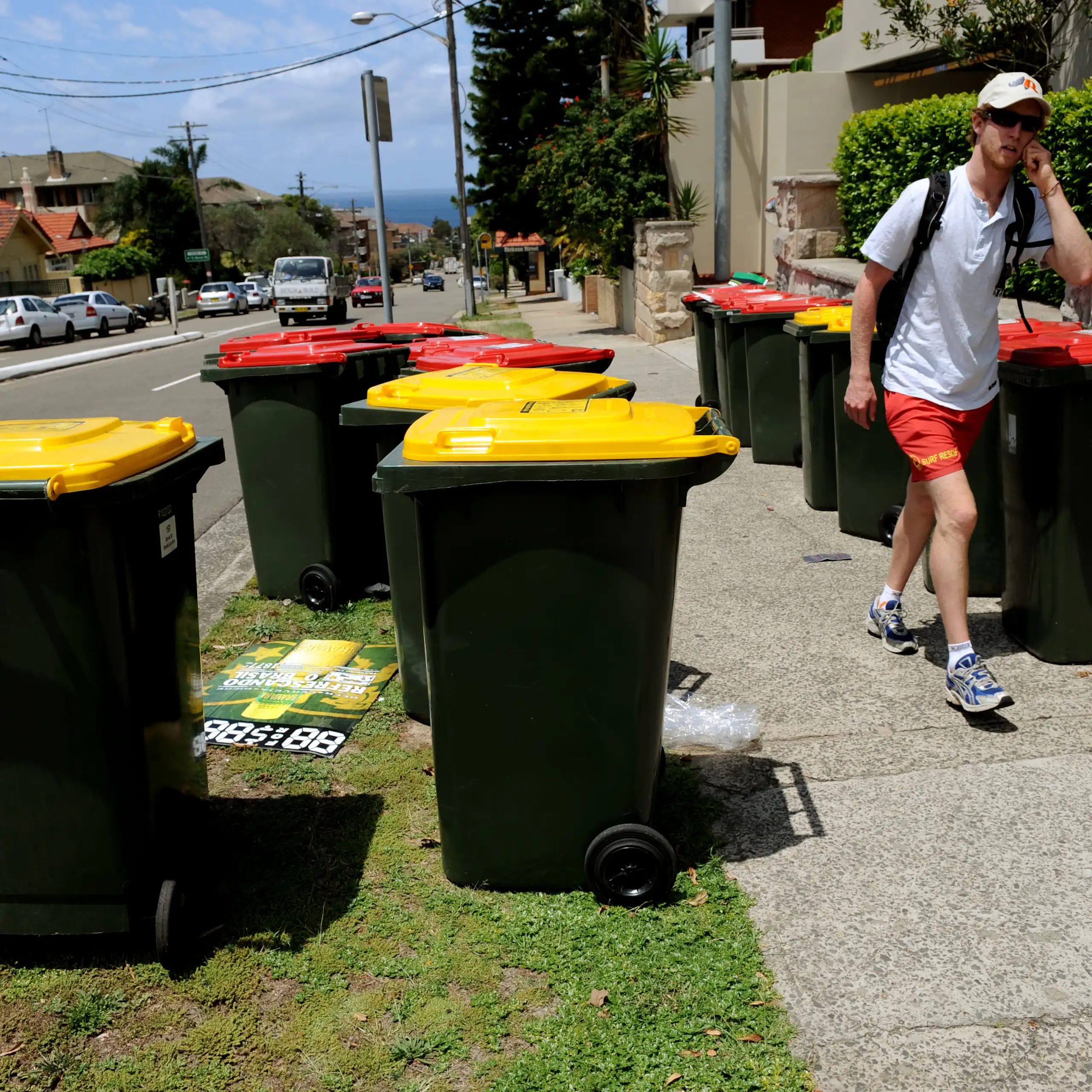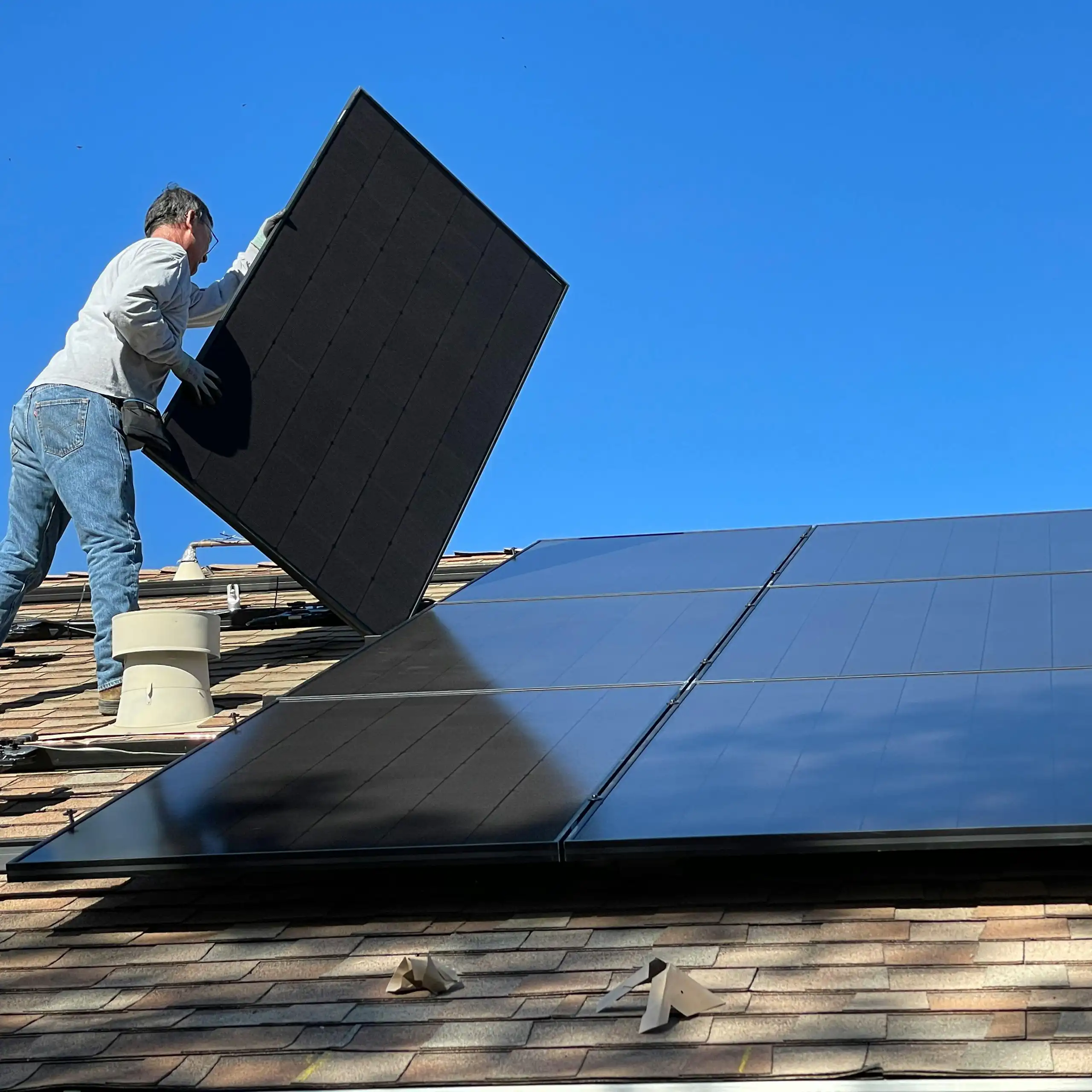
Why the phrase ‘Super El Niño’ makes Australian climate scientists roll their eyesKimberley Reid, The University of Melbourne
Does the Iran ceasefire mean the fuel crisis is over? Not even closeKevin Morrison, University of Technology Sydney
Earthrise to Earthset: how the planet’s climate has changed since the photo that inspired the environmental movementNick Dunstone, Met Office Hadley Centre
6 things Australia should do to tackle the energy crisis rather than just building bigger fuel reservesPeter Newman, Curtin University and Ray Wills, The University of Western Australia
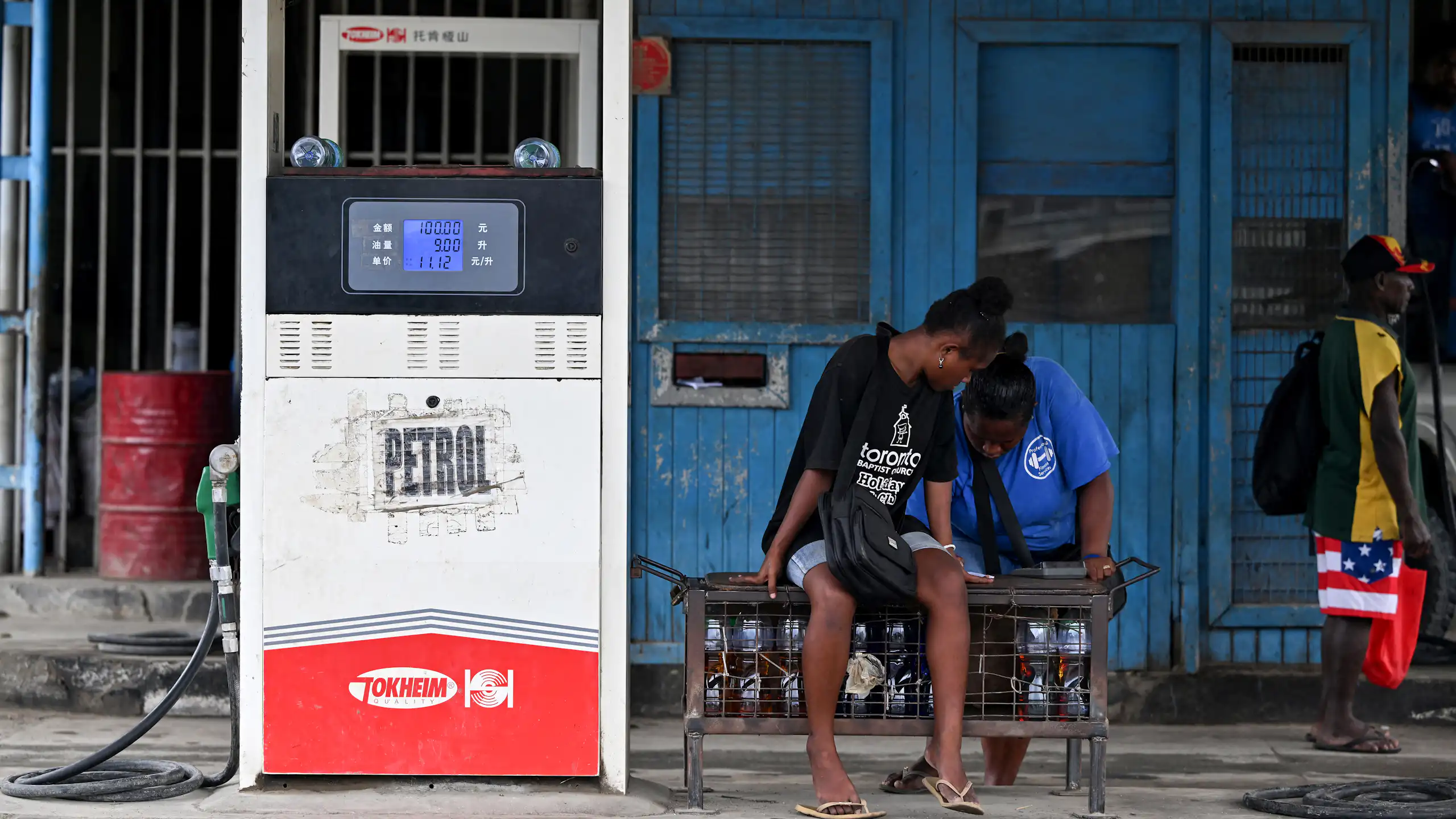
Spotted a jellyfish bloom recently? Here’s what may have triggered itLisa-ann Gershwin, University of Tasmania
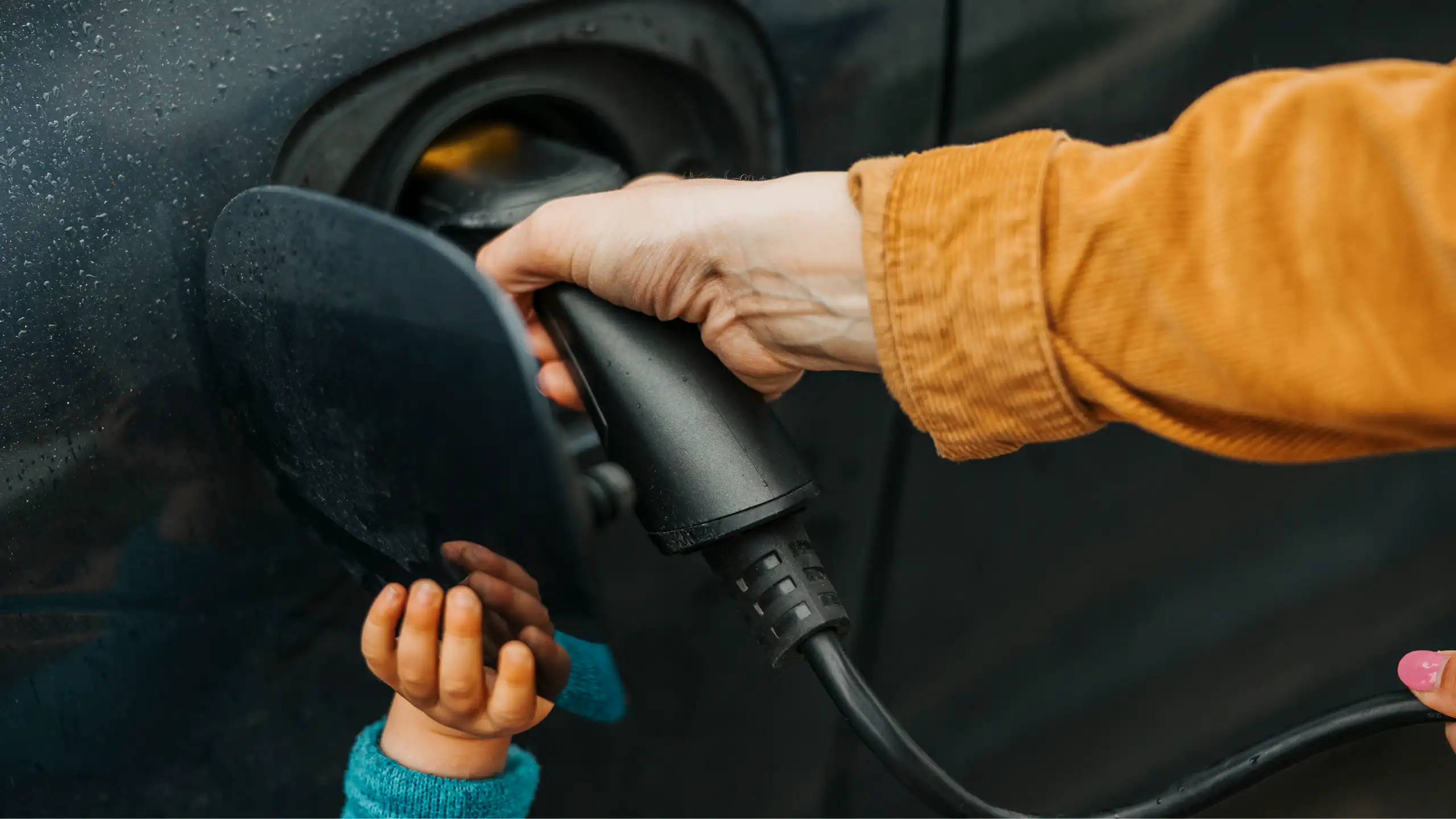
Growing EV popularity is leading to queues at fast chargers. Could a kerbside charger network help?Bjorn Sturmberg, UNSW Sydney and Arastoo Teymouri, UNSW Sydney
Fuel prices are driving more Australians to EVs - and secondhand cars are in high demandScott Dwyer, University of Technology Sydney
Winter crops need to be sown – but Australia’s farmers are worried about fertilisers and fuelMarit E. Kragt, The University of Western Australia
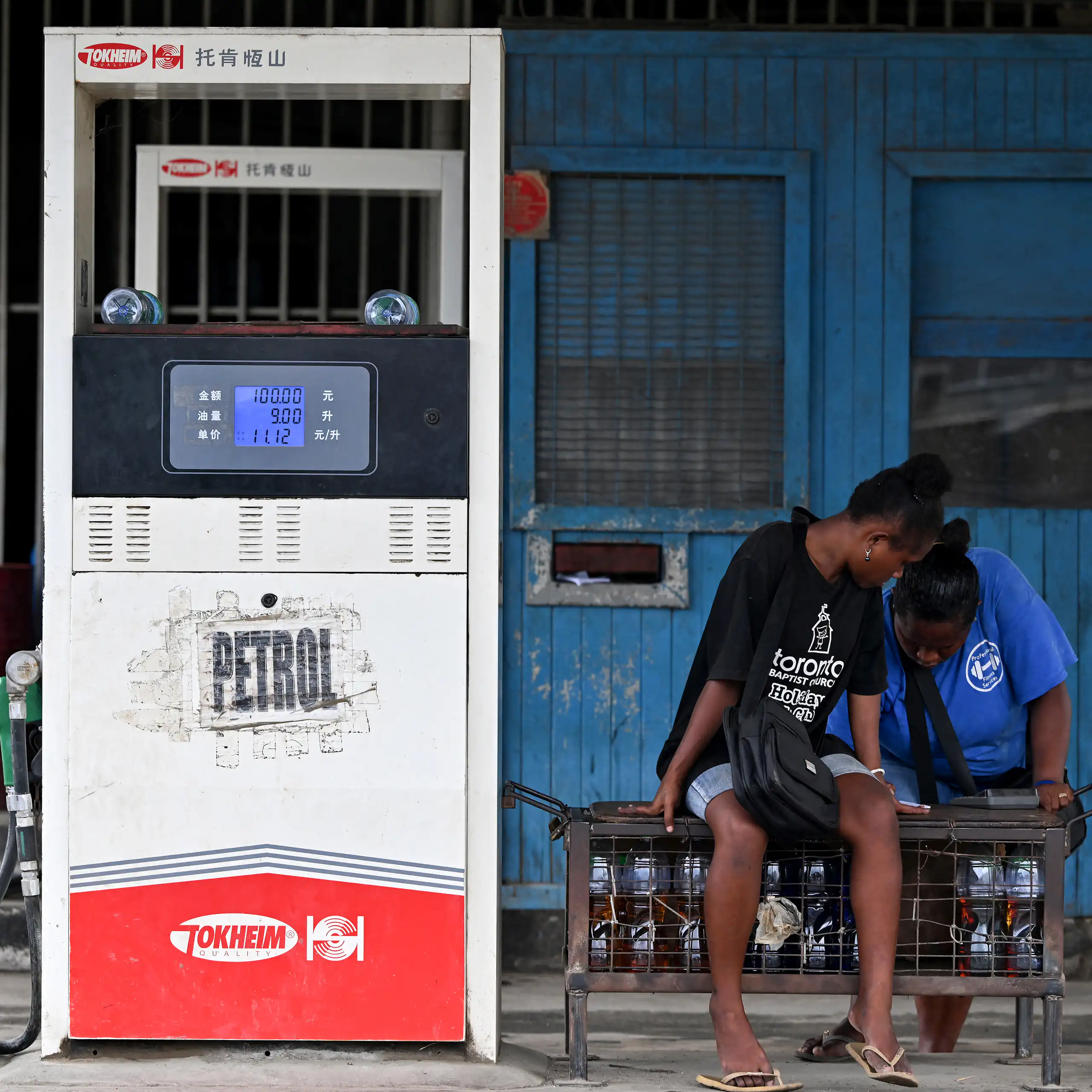
Cutting fuel excise is a sugar hit – we need a plan to slash dependence on importsHussein Dia, Swinburne University of Technology
LNG vs pumped hydro: will NZ choose to import risk or build cleaner resilience?Jen Purdie, University of Otago
How ‘smart’ rainwater tanks can help keep platypus habitat healthyKathryn Russell, The University of Melbourne; Alison Miller, The University of Melbourne; Darren Bos, The University of Melbourne; Rhys Coleman, The University of Melbourne, and Tim D Fletcher, The University of Melbourne
Citizen scientists are spotting more and more rare frogs on private landGrace Gillard, Australian Museum and Jodi Rowley, UNSW Sydney
We discovered microbes in bark ‘eat’ climate gases. This will change the way we think about treesLuke Jeffrey, Southern Cross University; Chris Greening, Monash University; Damien Maher, Southern Cross University, and Pok Man Leung, Monash University
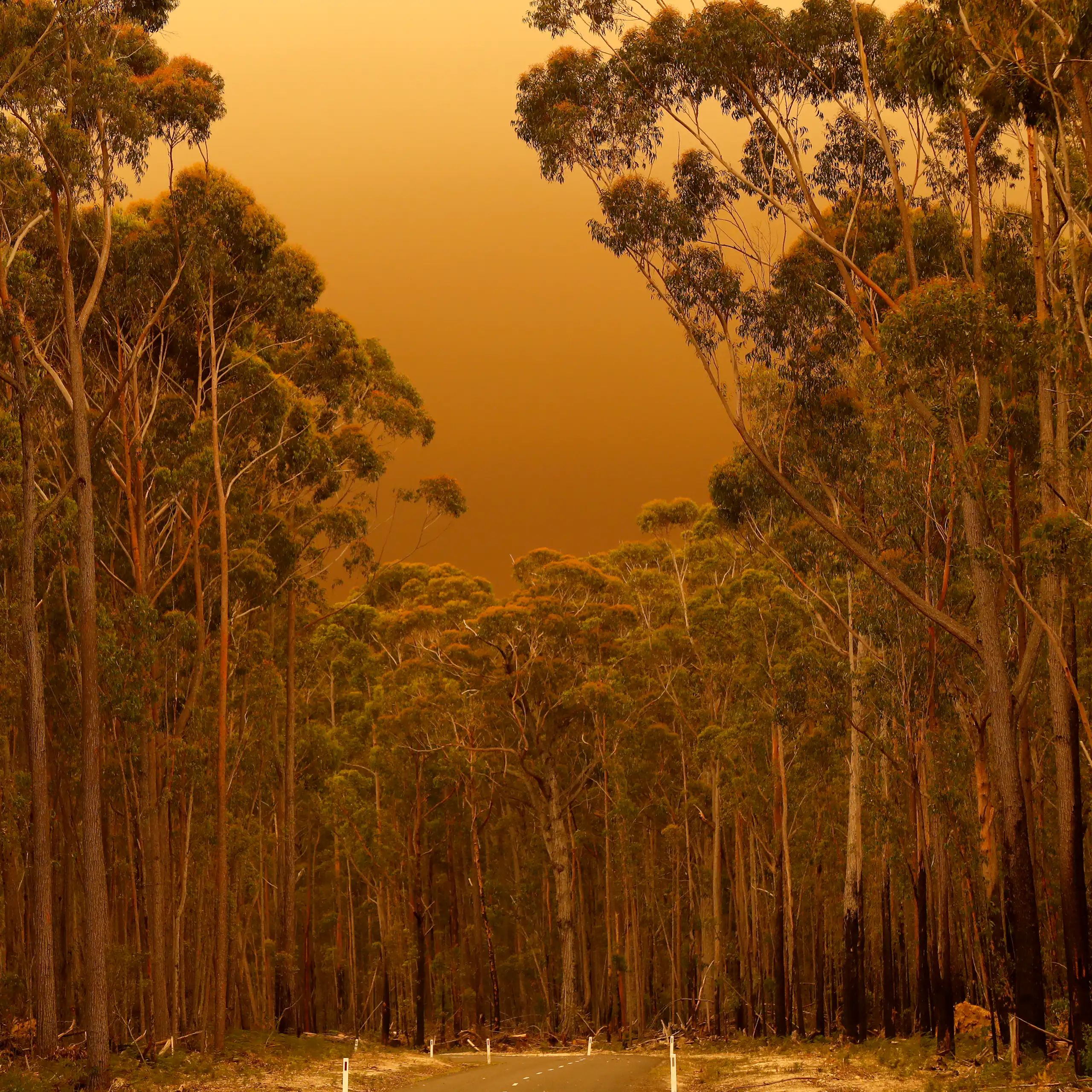
What caused the blood red skies in Western Australia? A weather expert explainsSteve Turton, CQUniversity Australia
Cyclone Narelle is now larger and ‘more severe’ as it crosses the Western Australian coastSteve Turton, CQUniversity Australia
Australia’s forests are finally doing better — but ‘underwater bushfires’ hit oceans hardAlbert Van Dijk, Australian National University; Shoshana Rapley, Australian National University, and Tayla Lawrie, The University of Queensland
In a heatwave, a cool library or shopping centre is a lifeline. Do we need more climate shelters?Abby Mellick Lopes, University of Technology Sydney; Cameron Tonkinwise, University of Technology Sydney, and Louise McKenzie, University of Technology Sydney
Climate change is drying out the ‘forgotten rivers’ that keep the Murray-Darling alive. We need a new planAvril Horne, The University of Melbourne; Nick Bond, La Trobe University, and Robert Morden, The University of Melbourne
Australia’s alpine ash forests are now officially endangered. Can we save them?Tom Fairman, The University of Melbourne and Trent Penman, The University of Melbourne
We have the proof that logging makes Tasmania’s forests more flammableDavid Bowman, University of Tasmania
Is Australia’s scorched earth baiting program actually paving the way for fire ant invasion?Nigel Andrew, Southern Cross University
Australians scorn this fish once adored by monks and kingsPaul Humphries, Charles Sturt University and Katie Doyle, Charles Sturt University
When feral cats are away, potoroos and bandicoots are more likely to playEuan Ritchie, Deakin University; Amy Coetsee, The University of Melbourne; Anthony Rendall, Deakin University, and Duncan Sutherland, The University of Melbourne
What we’ve learned from citizen science: 5 projects that made a differenceSigne Dean, The Conversation
‘My head feels clearer’: how citizen science can improve people’s healthRichard Fuller, The University of Queensland and Rachel Oh, National University of Singapore
There may be 10 times as many citizen scientists in Australia as we thought – and that’s great news for scienceAdam Smith, James Cook University; Gregory Andrews, and Steve Turton, CQUniversity Australia
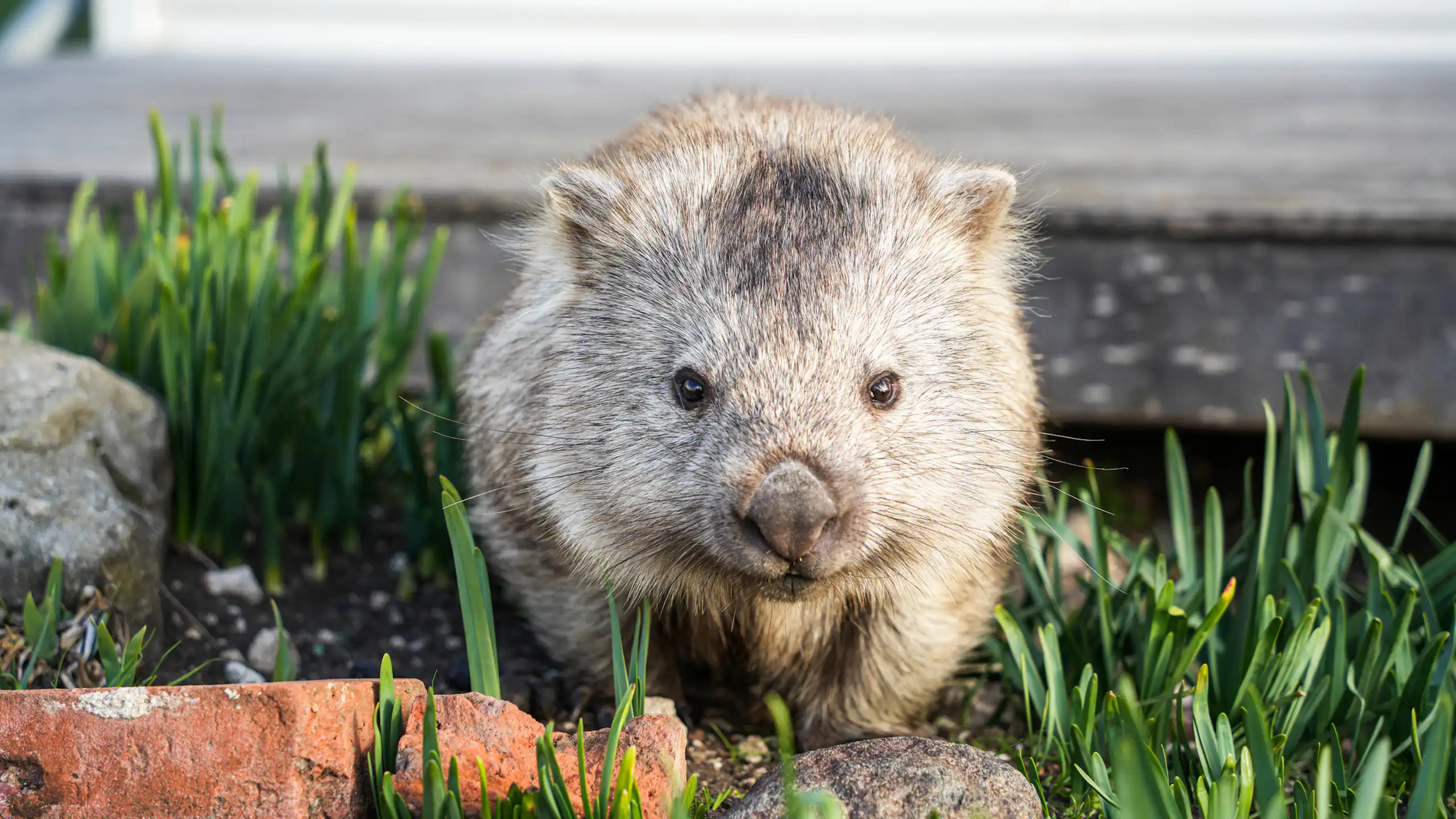
Intense heatwaves directly threaten crops and native species. Here’s what we can doOwen Atkin, Australian National University; Adrienne Nicotra, Australian National University; Belinda Medlyn, Western Sydney University, and Michael Kearney, The University of Melbourne
Nature, carbon, nutrition: 3 ways farming can shift from climate culprit to solutionBudiman Minasny, University of Sydney; Alex McBratney, University of Sydney, and Damien Field, University of Sydney
Dangerous climate change threatens Northern Australia’s big ‘food bowl’ dreamsSteve Turton, CQUniversity Australia
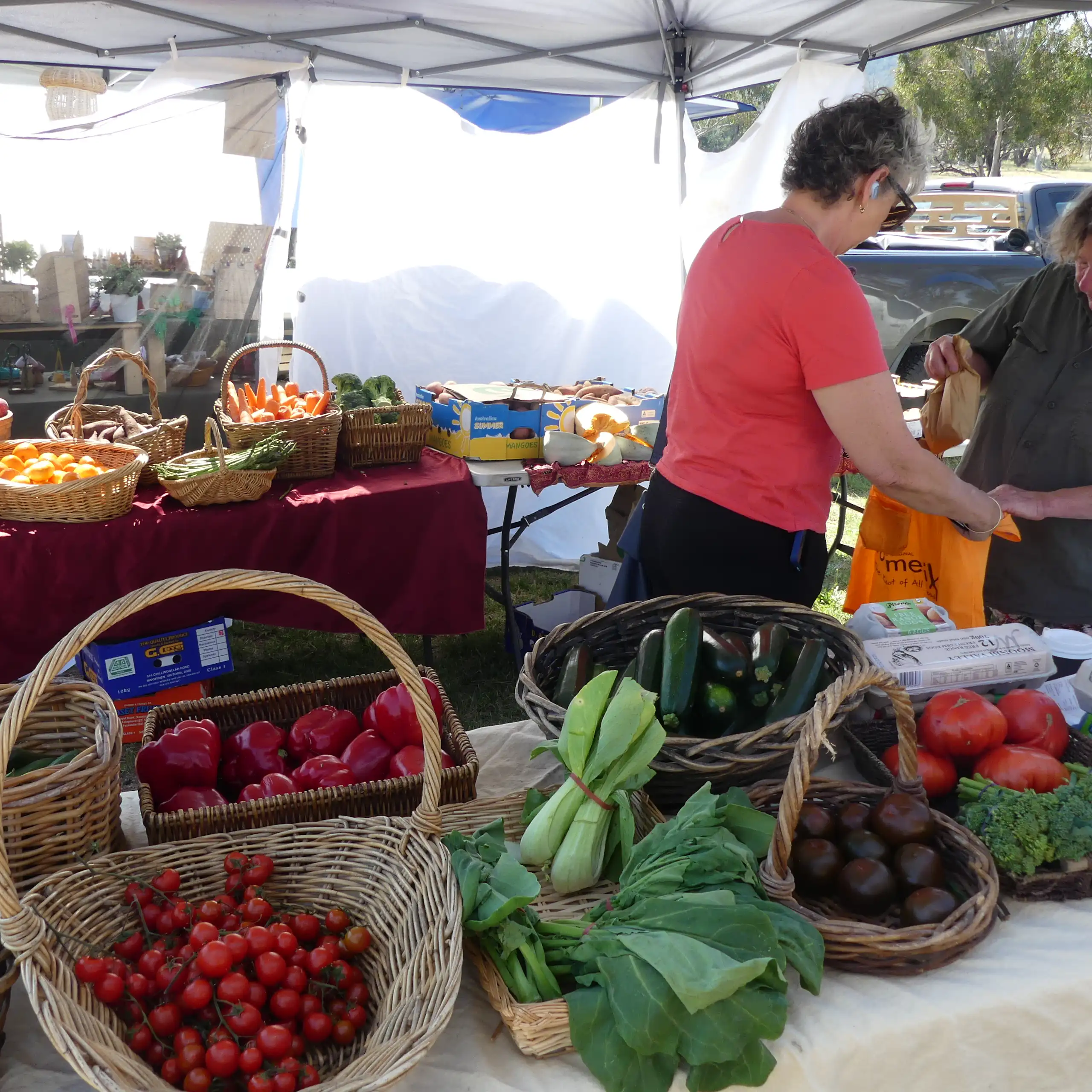
Sydney once produced its own food – but urban development has devoured the city’s food bowlJoshua Zeunert, UNSW Sydney and Alys Daroy, Murdoch University
If fracking begins in the Kimberley, it could damage a sacred riverMelissa Haswell, Queensland University of Technology; Anne Poelina, University of Notre Dame Australia, and David Shearman, Adelaide University
The lower Murray is officially on life support. Will we save it?Nick Whiterod, Adelaide University ; Margaret Shanafield, Flinders University, and Thomas Prowse, Adelaide University
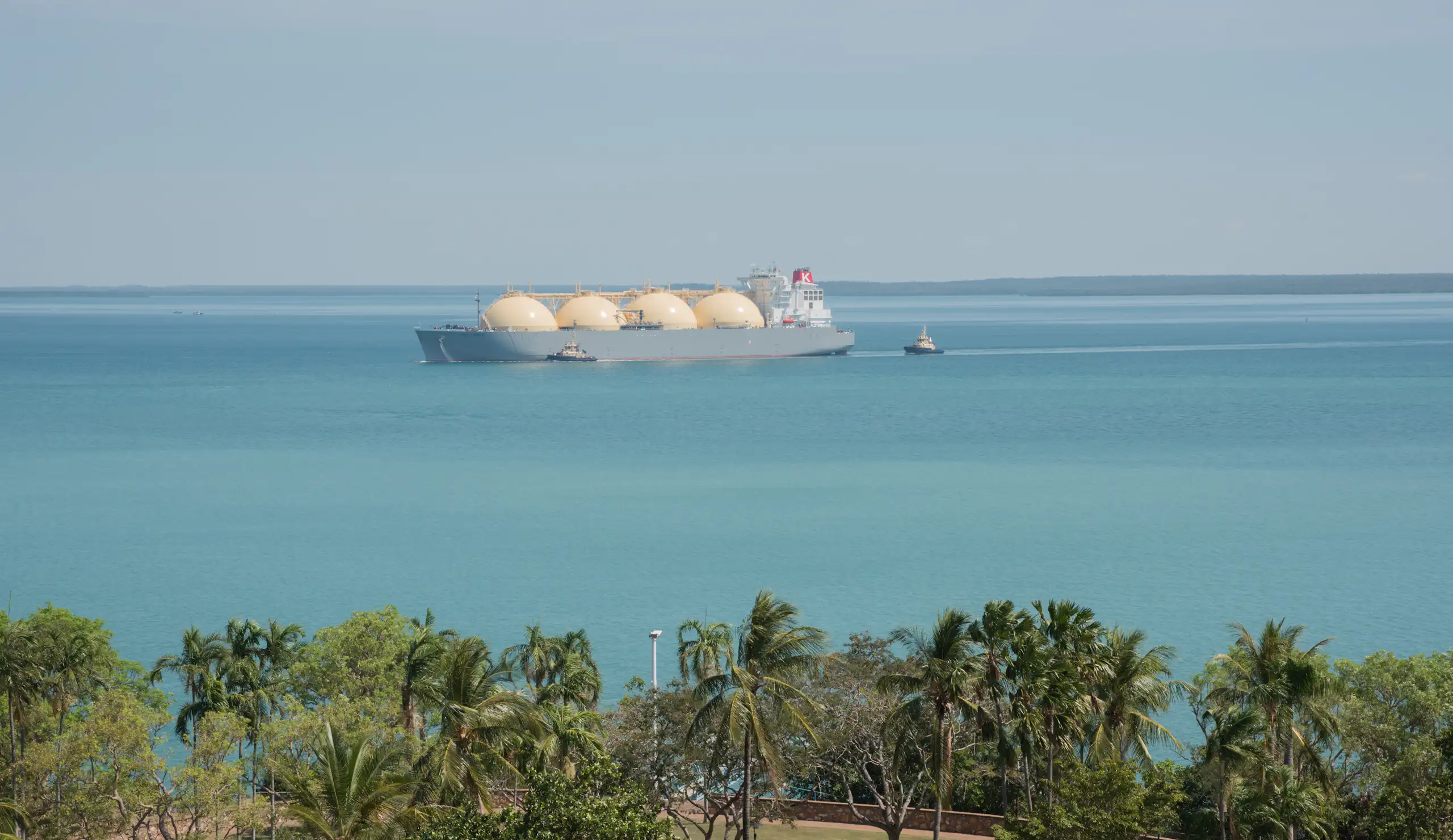
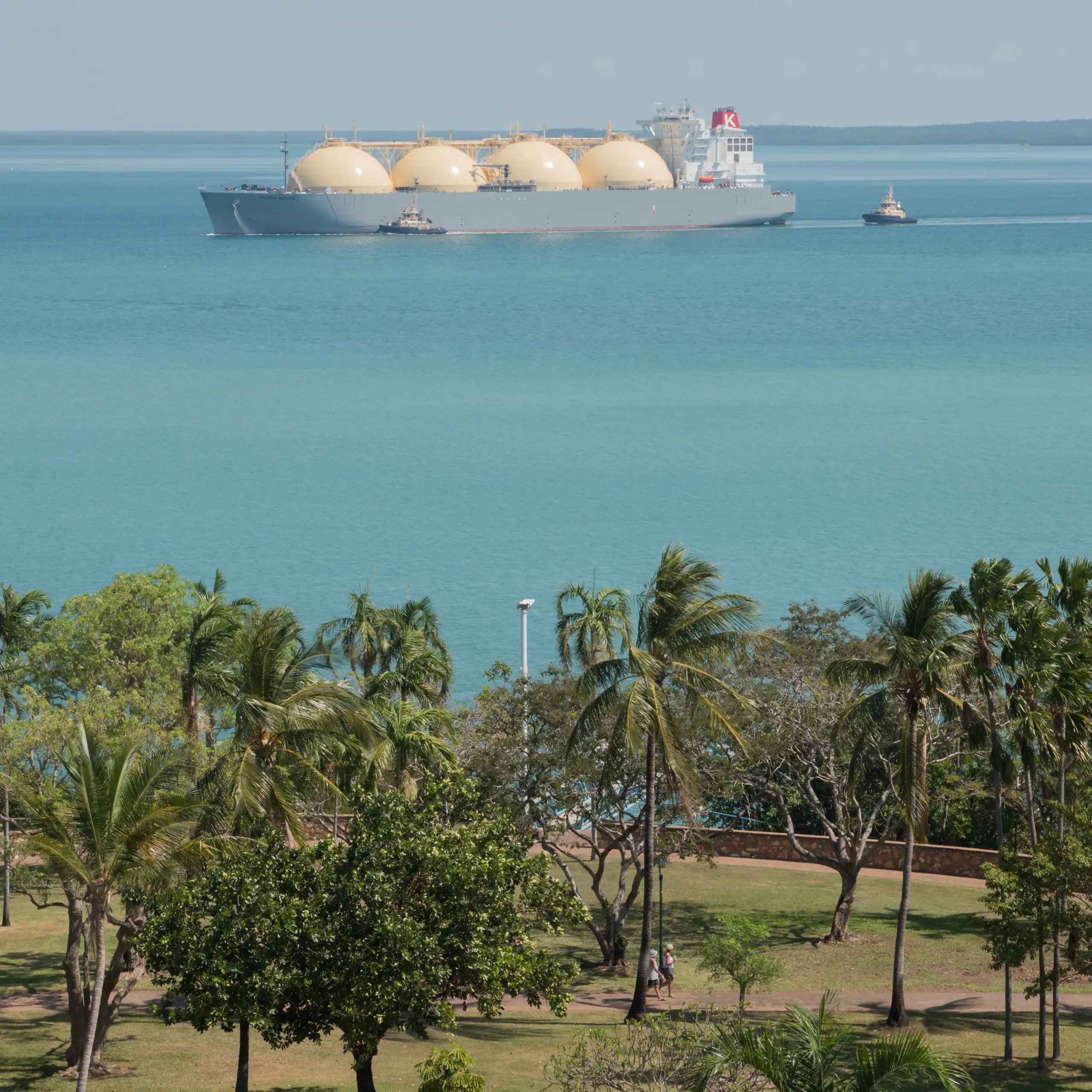
Darwin residents are worried about toxic chemicals and gas leaks. We need laws to protect clean airMelissa Haswell, Queensland University of Technology; Branka Miljevic, Queensland University of Technology, and Lidia Morawska, Queensland University of Technology
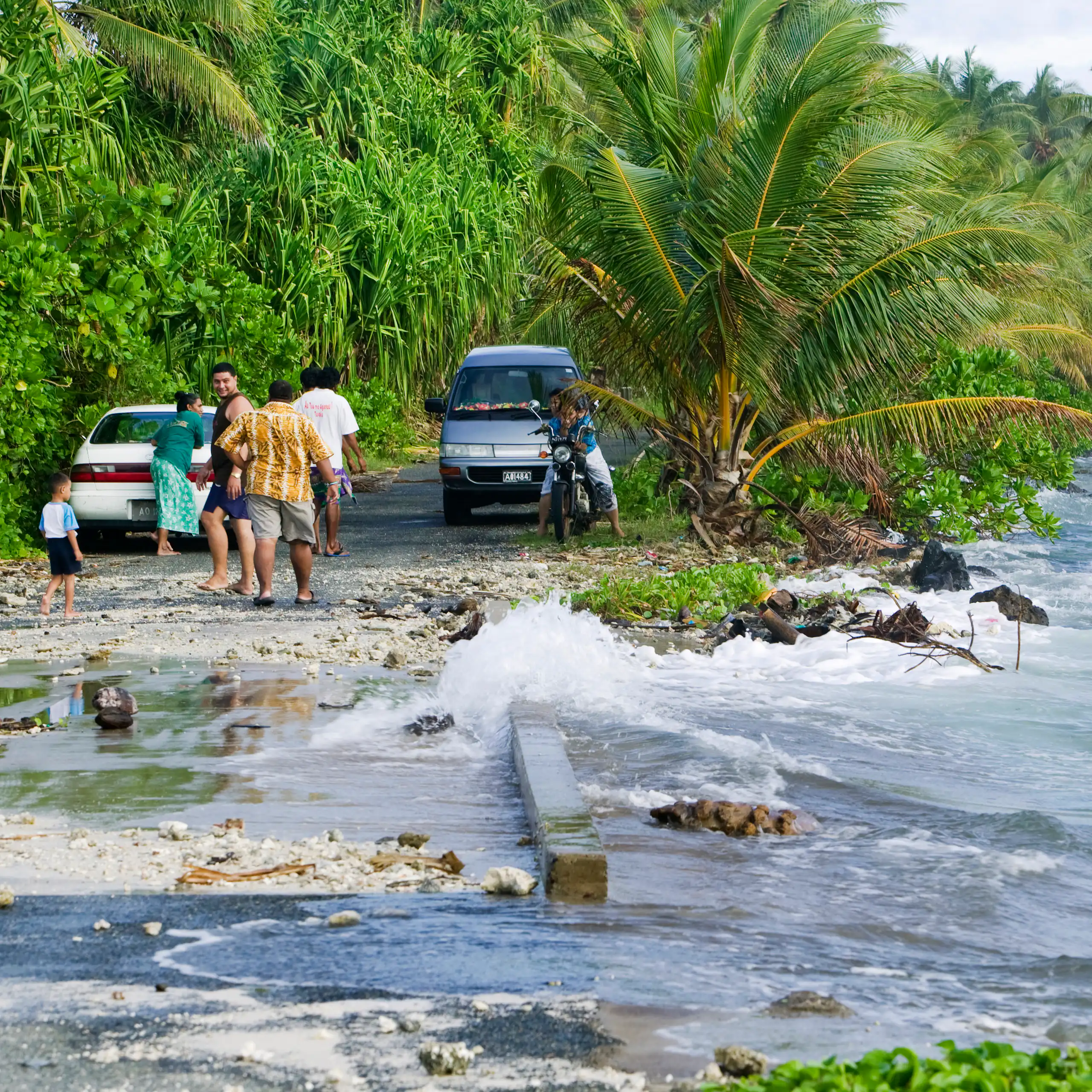
The Pacific’s united front on climate action is splintering over deep-sea miningKolaia Raisele, La Trobe University and Aidan Craney, La Trobe University
How one local council helped 1,200 low-income residents finance solar and home energy upgradesParis Hadfield, Monash University
Sydney once produced its own food – but urban development has devoured the city’s food bowlJoshua Zeunert, UNSW Sydney and Alys Daroy, Murdoch University
The secret stories of trees are written in the knots and swirls of your floorboards. An expert explains how to read themGregory Moore, The University of Melbourne
How maximum security prison inmates and officers worked together to create a farm behind barsChristian Tietz, UNSW Sydney