Many vapes and e-cigarettes are now banned in Pennsylvania – here’s what Philly consumers and businesses need to knowAna Santos Rutschman, Villanova University
The science and politics behind the panic over ultraprocessed foodsGarrett M. Broad, Rowan University
Treating depression during pregnancy may benefit baby’s brain development – new researchElysia Poggi Davis, University of Denver; Benjamin L. Hankin, University of Illinois Urbana-Champaign, and Catherine Demers, University of Colorado Anschutz
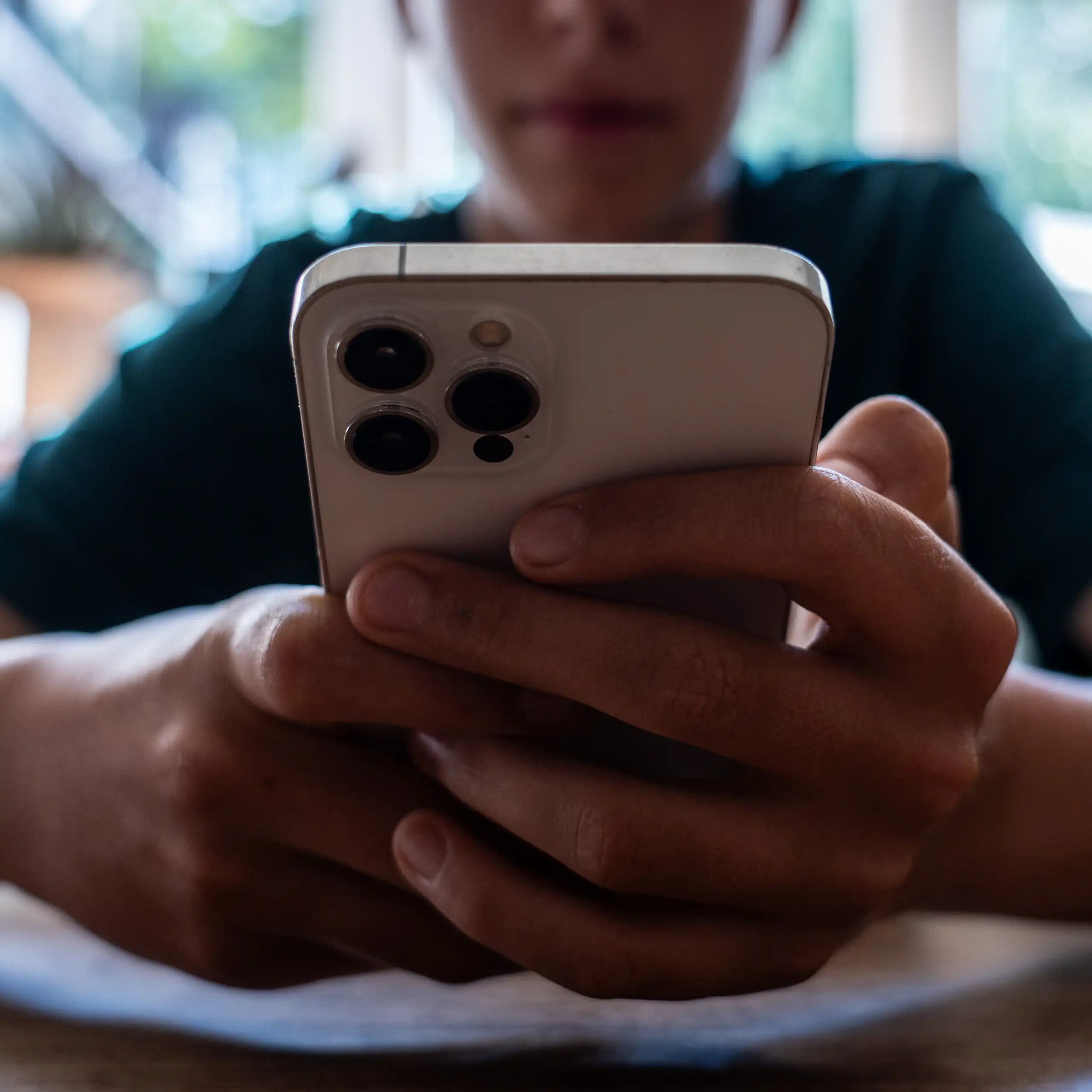
Can social media bans protect young people’s mental health? Early research suggests that bans aren’t the answerAri Lightman, Carnegie Mellon University
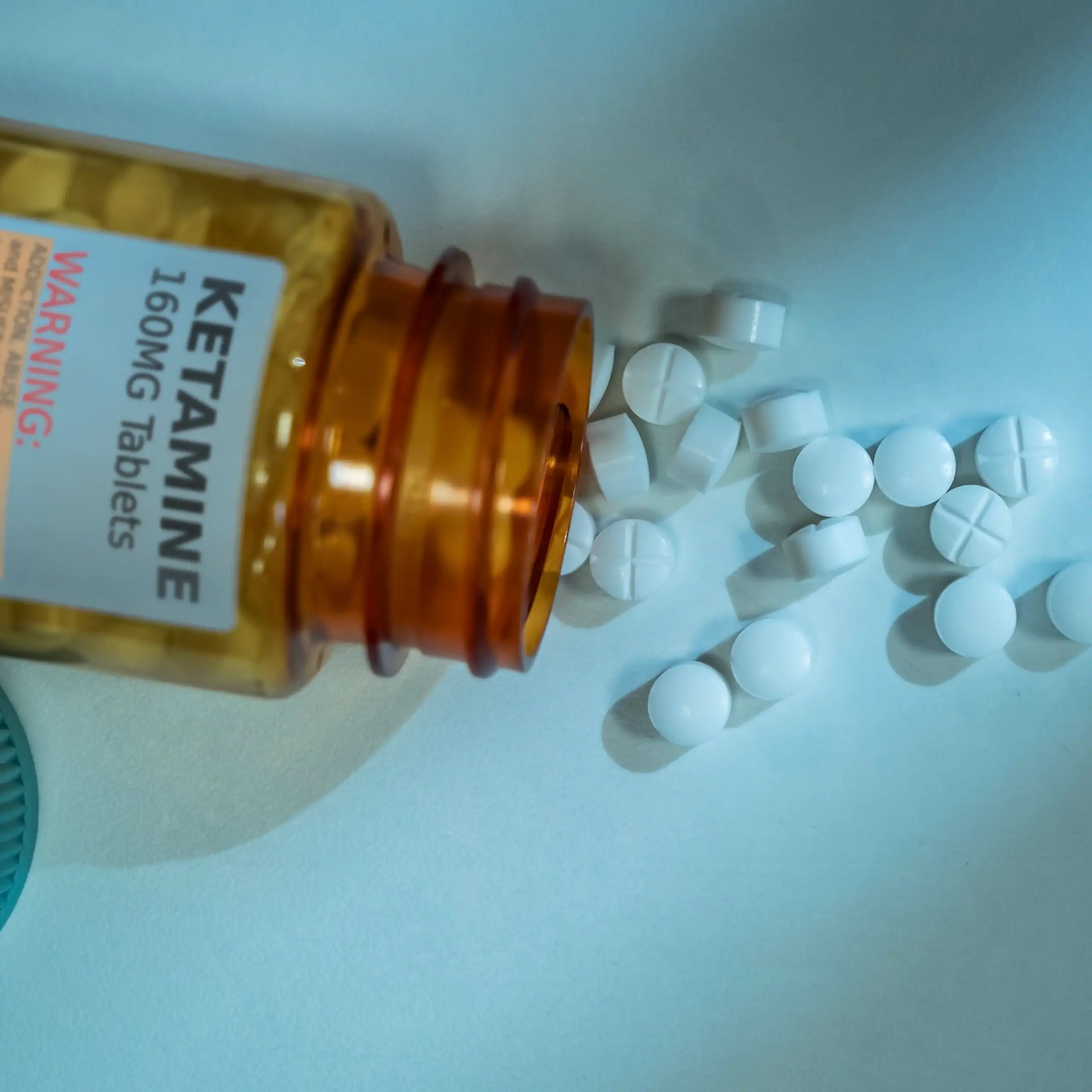
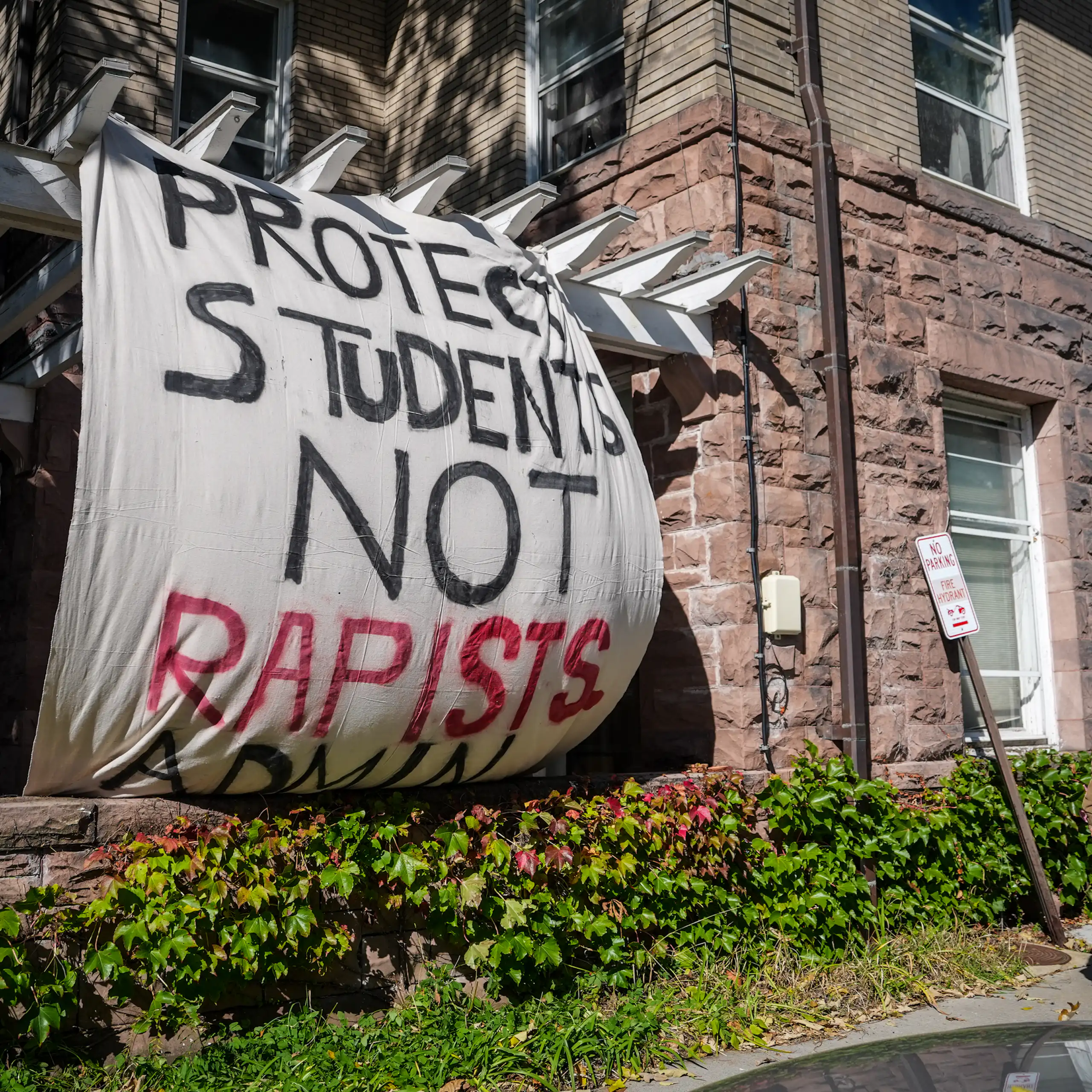
Ketamine’s role in alleged Cornell rape highlights flood of psychoactive drugs on campusChristopher P. Holstege, University of Virginia
Cystic fibrosis patients got their ‘miracle drug’ thanks to federal research funding – new Trump administration rules may cut future miracles shortFred D. Ledley, Bentley University
Fridge-free vaccines could reach more people, but there are still practical challenges in African settingsCharles Shey Wiysonge, Stellenbosch University; South African Medical Research Council and Chinwe Juliana Iwu-Jaja, Stellenbosch University
South Africa’s HPV vaccination drive to protect girls from cervical cancer is working – what we know after 10 yearsDorothy Nyemba-Machemedze, University of the Witwatersrand and Sinead Delany-Moretlwe, University of the Witwatersrand
Millions of children aren’t getting vaccinated: how mapping tools can help find themAnn Muthoni Njogu, Institute of Tropical Medicine Antwerp; Carlo Federici, Bocconi University, and Peter M Macharia, Institute of Tropical Medicine Antwerp
Study of 20,000 Nigerians explores the links between drug use, climate change and povertyAbdullahi Abdulwahab Yakubu, Ahmadu Bello University
Separating the measles, mumps and rubella vaccine could decrease access for Colorado parentsJennifer Reich, University of Colorado Denver
CDC vs. Pennsylvania: Why conflicting public health messages jeopardize public safetyKatrine L. Wallace, University of Illinois Chicago
The CDC has a new director – now comes the hard partSyra S. Madad, Harvard Kennedy School and Nahid Bhadelia, Boston University
What happens when your hospital is also your insurance company? We’re starting to see the effectsGeronimo Bejarano Cardenas, Brown University and Grace Mackleby, University of Southern California
US government is pushing to gain unprecedented access to your medical records – as data protections are weakeningJennifer D. Oliva, Indiana University
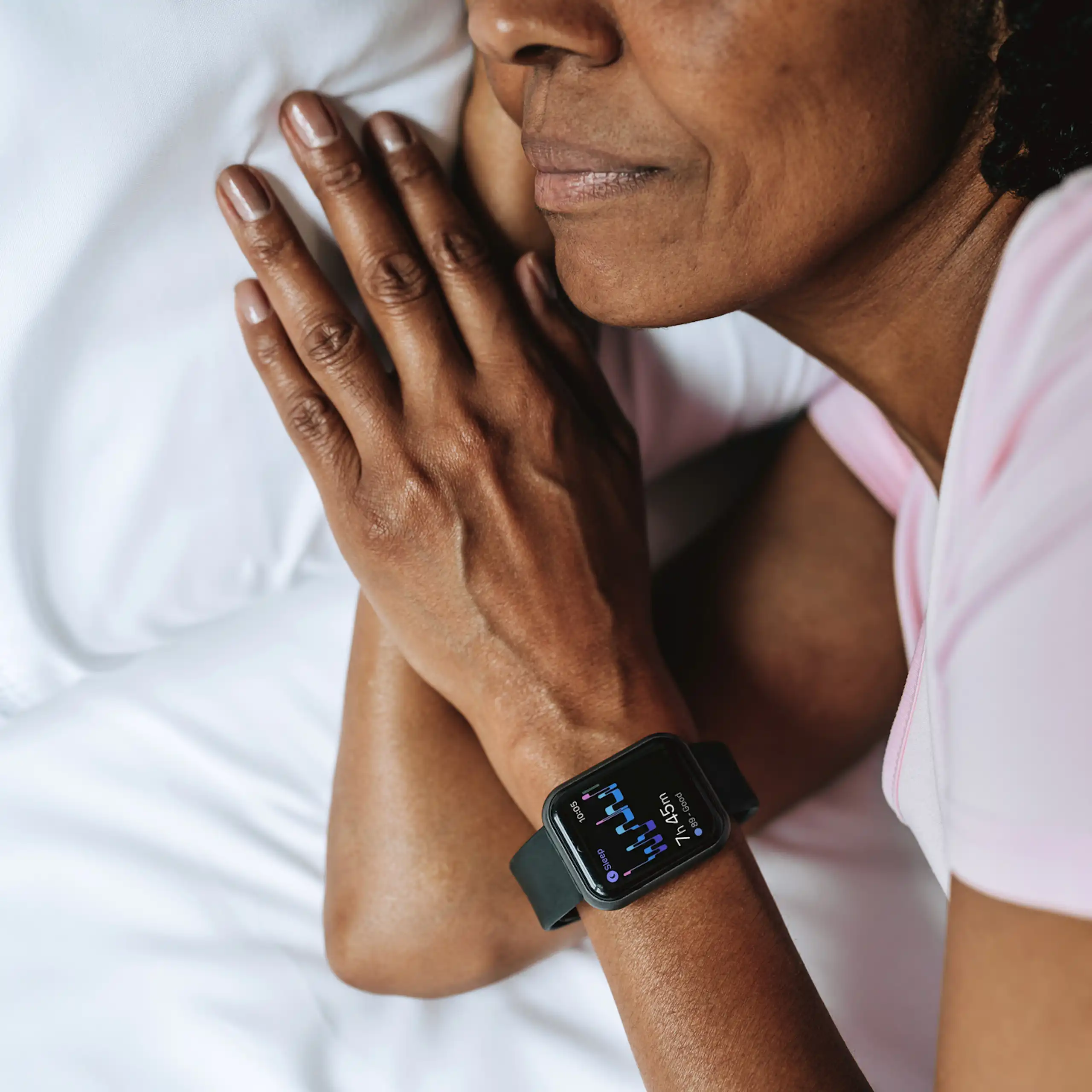
Does your sleep tracker get it right? A Pittsburgh neuroscientist weighs inJ. David Creswell, Carnegie Mellon University
Cholesterol control gets personalized – a cardiologist explains how new guidelines tailor treatment to your unique risk profileWilliam Cornwell, University of Colorado Anschutz
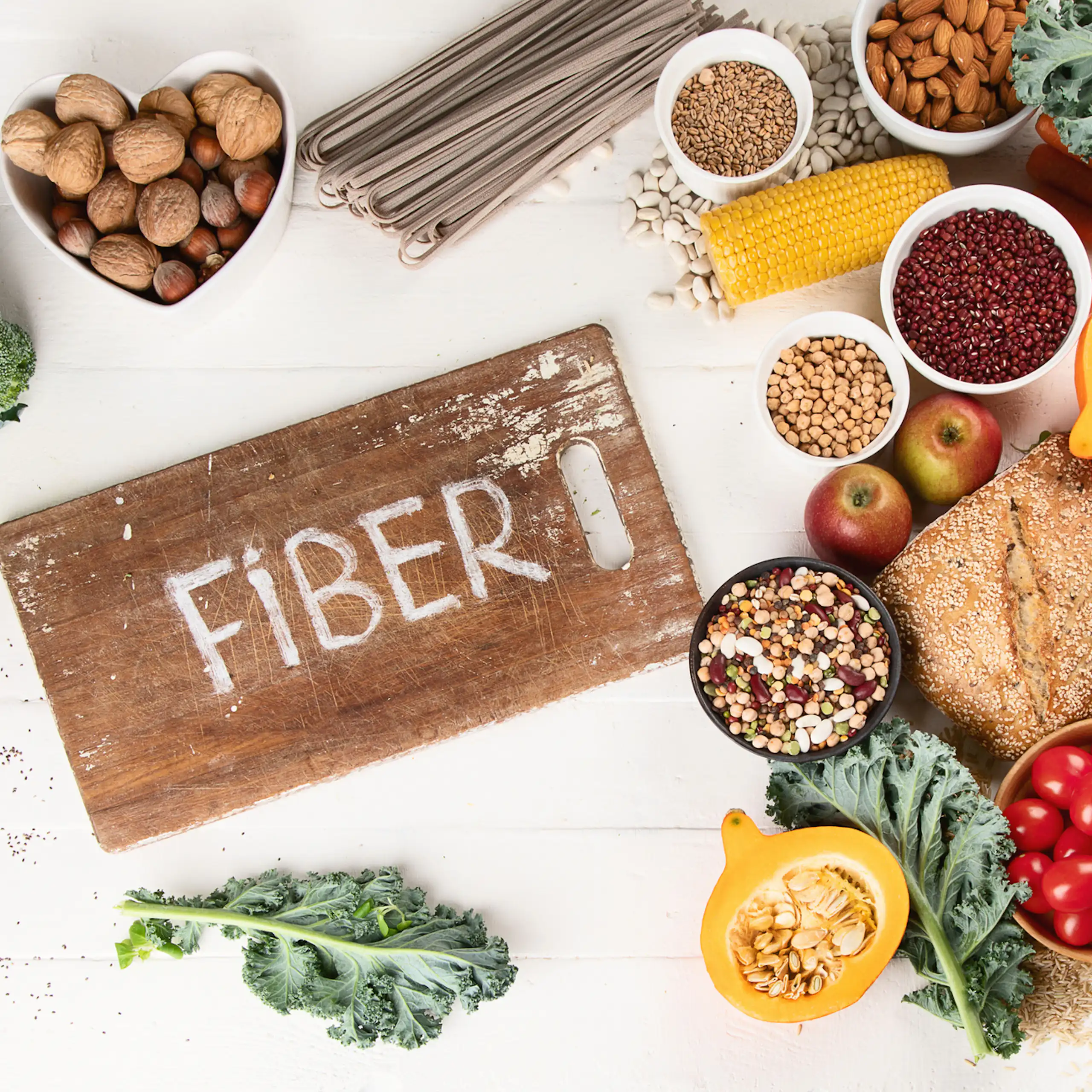
Fiber is both diet fad and fixture for good health – a doctor explains why there is no one-size-fits-all way to increase your intakeJean Liew, Boston University
Noise pollution is a serious but often forgotten public health problemLaura Coco, San Diego State University
When abortion and surrogacy law collide, contracts can’t answer the hardest questionsSonia Suter, George Washington University and Naomi Cahn, University of Virginia
Menopause is a major health milestone, yet health records barely track it - new researchAudrey Hendricks, University of Colorado Anschutz and Nanette Santoro, University of Colorado Anschutz
US immigration policies interfere with prenatal care and parenting choices, hurting people and communitiesJallicia Jolly, Amherst College
I’m a doctor who helped rename PCOS to PMOS – a 10-year process of listening to 14,000 patients and health professionals speak on how to improve careMelanie Cree, University of Colorado Anschutz
Nearly half of maternal deaths in Pennsylvania occur more than 6 weeks after giving birthYenupini Joyce Adams, University of Notre Dame
Flu season is near – here’s a guide to available vaccinesAnnette Regan, University of California, Los Angeles
One in eight cancers are likely caused by an infection worldwide – new studyJohn (Eddie) La Marca, WEHI (Walter and Eliza Hall Institute of Medical Research) and Sarah Diepstraten, WEHI (Walter and Eliza Hall Institute of Medical Research)
Does my kid have COVID-19 or just a cold? A pediatric nurse explains how to tell – and why it mattersAnn Sheehan, Michigan State University
Pittsburgh’s kindergartners fall below the measles safety threshold, testing the city’s vaccine legacyRebecca Smullin Dawson, Allegheny College
Shingles can cause severe chronic pain – new research on how exosomes alter neurons offers pathways to treatmentAndrew Bubak, University of Colorado Anschutz
Pennsylvania’s aging prisons weren’t built for today’s extreme weather – leaving women and seniors especially at risk of illness and deathJaquelyn Jahn, Drexel University
I’m a pediatrician and a mom - here’s how to treat lice without stigmaEmily J. C. Wong, University of Virginia
What is a professional patient advocate, and why might you need one?Jennifer Schlinger, University of North Dakota
Generous paternal leave policies improve maternal and newborn health, family finances and workplace equalityMegan Kuykendoll, Miami University
I’m a Philly forensic psychologist who has conducted dozens of psychopathic evaluations – here’s why an evaluation of R.C. Horsch in the ‘80s didn’t identify him as a possible psychopathDavid DeMatteo, Drexel University
Sexual assault survivors’ stories may shift over time – a psychologist explains why it doesn’t mean they’re lyingMichele Patterson Ford, Dickinson College
Detroit and Flint teens are struggling with their mental health – and worried adults around them feel ‘helpless’Crystal Cederna, Michigan State University
When your child asks if they’ll be harmed like the people on the news, what do you say? Psychologists provide tips on how to talk about identityAnahi Collado, University of Colorado Boulder and Colleen Cummings, Georgetown University
Why so few older Americans get counseling – and how it could helpLee Ann Rawlins Williams, University of North Dakota
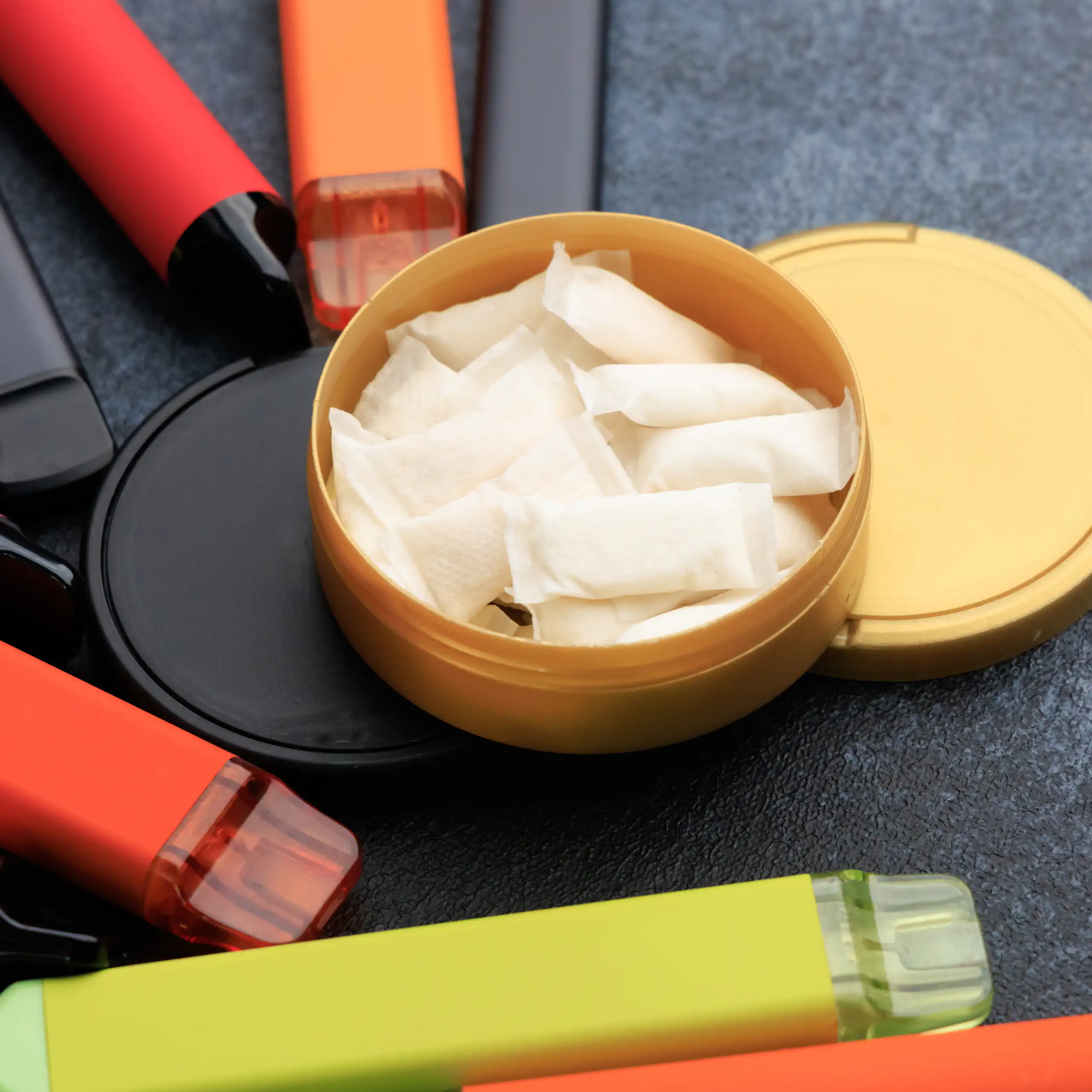
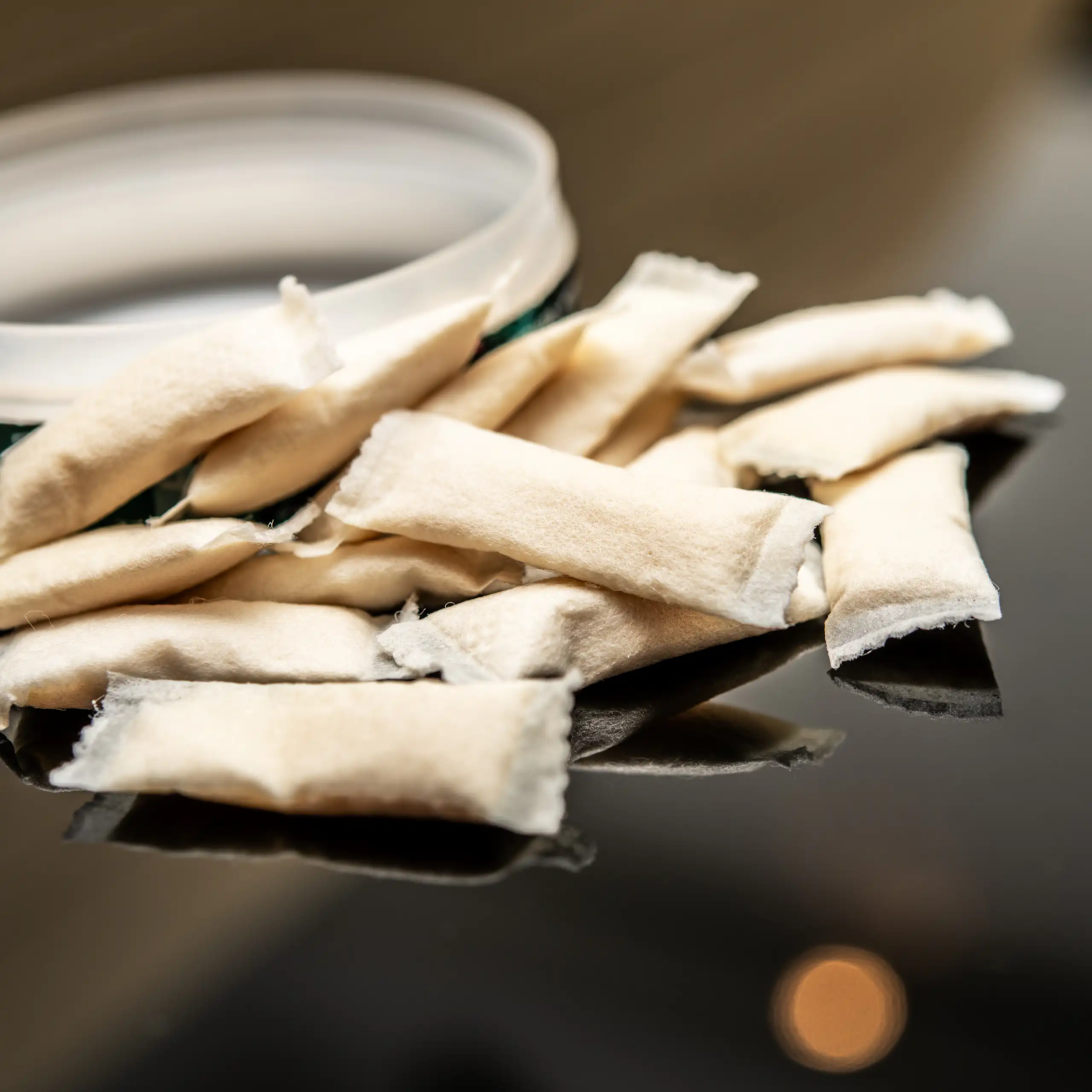
Nicotine pouches, vaping or cigarettes: Which nicotine product is actually the least harmful?Emma Fenske, University of Colorado Anschutz; Oregon Health & Science University
Pope Leo XIV’s lung cancer highlights growing number of nonsmokers diagnosed with the disease – and younger people tooEstelamari Rodriguez, University of Miami
That brightly packaged sexual enhancement pill at the gas station might be laced with dangerous drugsAndrew Yockey, University of Illinois Urbana-Champaign
How the pro-nicotine ‘wellness’ movement rebranded an addictive drugHasmeena Kathuria, University of Wisconsin-Madison
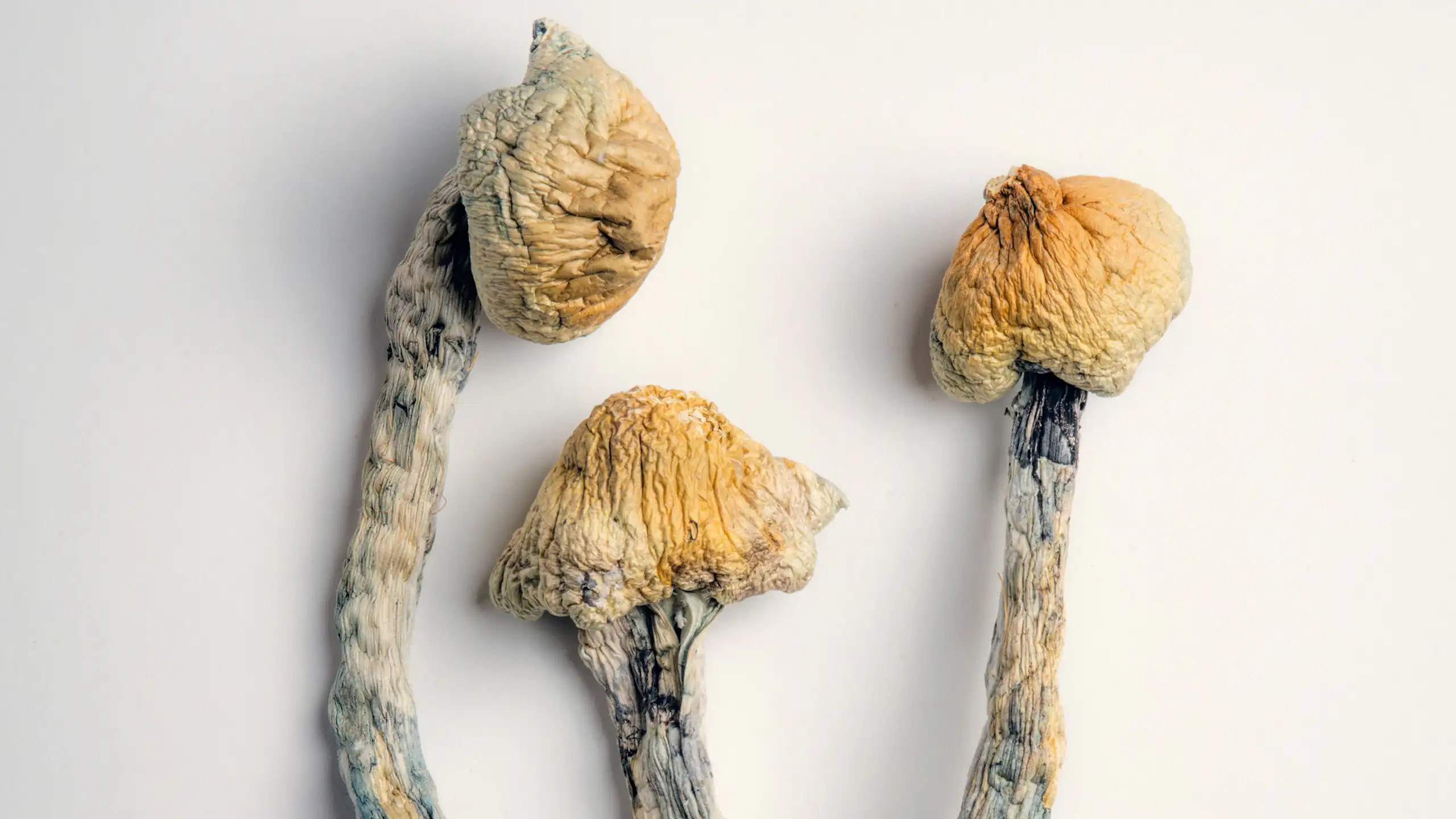
Psilocybin may help the brain recover from concussion, new study showsArgel Aguilar Valles, Carleton University
Many cancer survivors have impairments that make using mobile devices and websites difficultRachel F. Adler, University of Illinois Urbana-Champaign and Devorah Kletenik, Brooklyn College
What Pennsylvania’s AI chatbot lawsuit teaches us about the psychology behind medical trustGretchen Chapman, Carnegie Mellon University
Reddit and TikTok - with the help of AI - are reshaping how researchers understand substance useLayla Bouzoubaa, Drexel University
Focused sound energy holds promise for treating cancer, Alzheimer’s and other diseasesRichard J. Price, University of Virginia
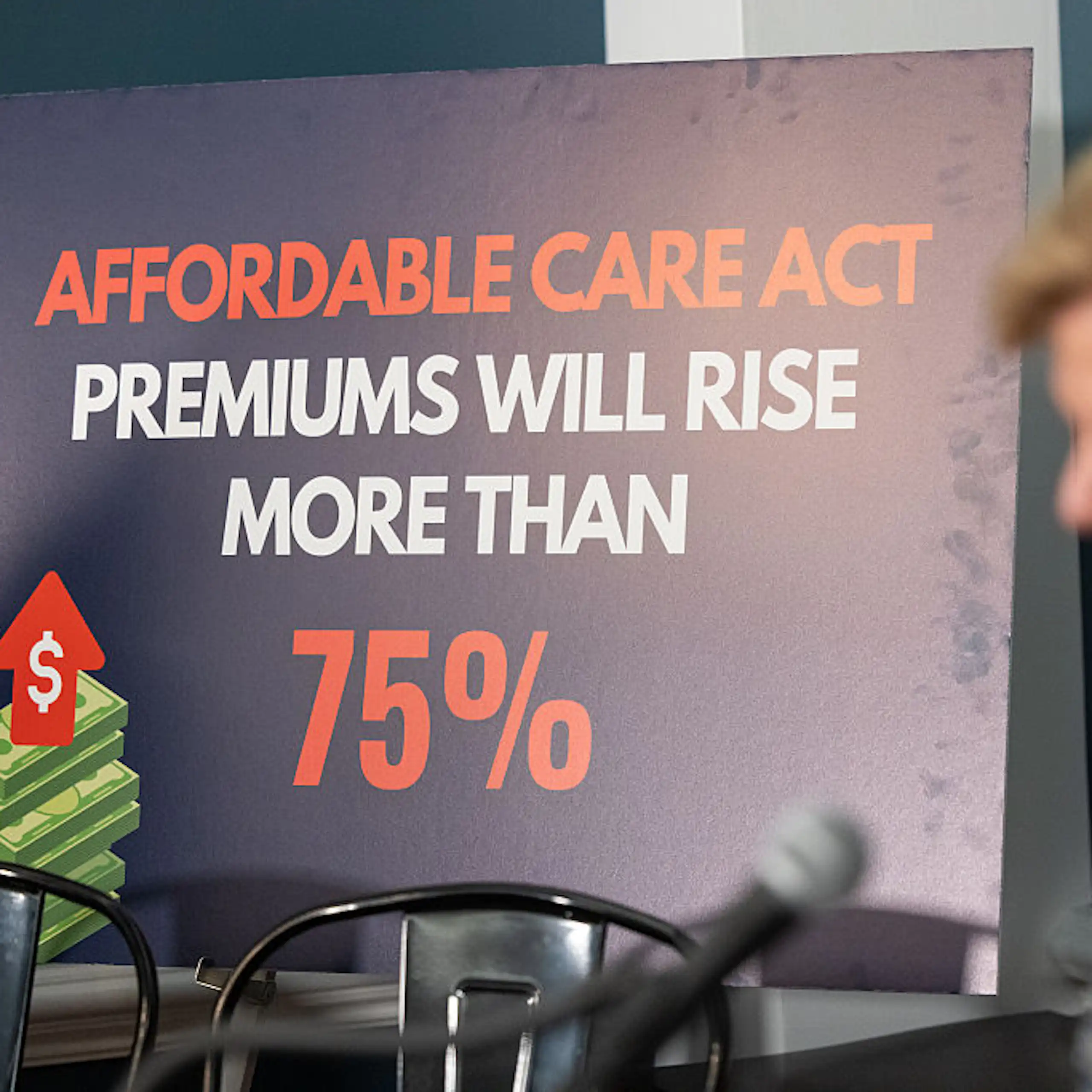
Florida lost 450,000 ACA enrollees in 2026 as premiums rose an average of 37% nationally, new data showsRobert Applebaum, Miami University
US teens are smoking and vaping less than their peers abroadHolly Jarman, University of Michigan; Claire L. Ma, University of Michigan, and Jamie Hartmann-Boyce, UMass Amherst
The typical gig worker is changing – and struggling more than ever to make ends meetJacob Lederman, University of Michigan Flint