AI is changing pilgrims’ journeys, but sacred journeys have always adapted to new technologyShay Rabineau, Binghamton University, State University of New York
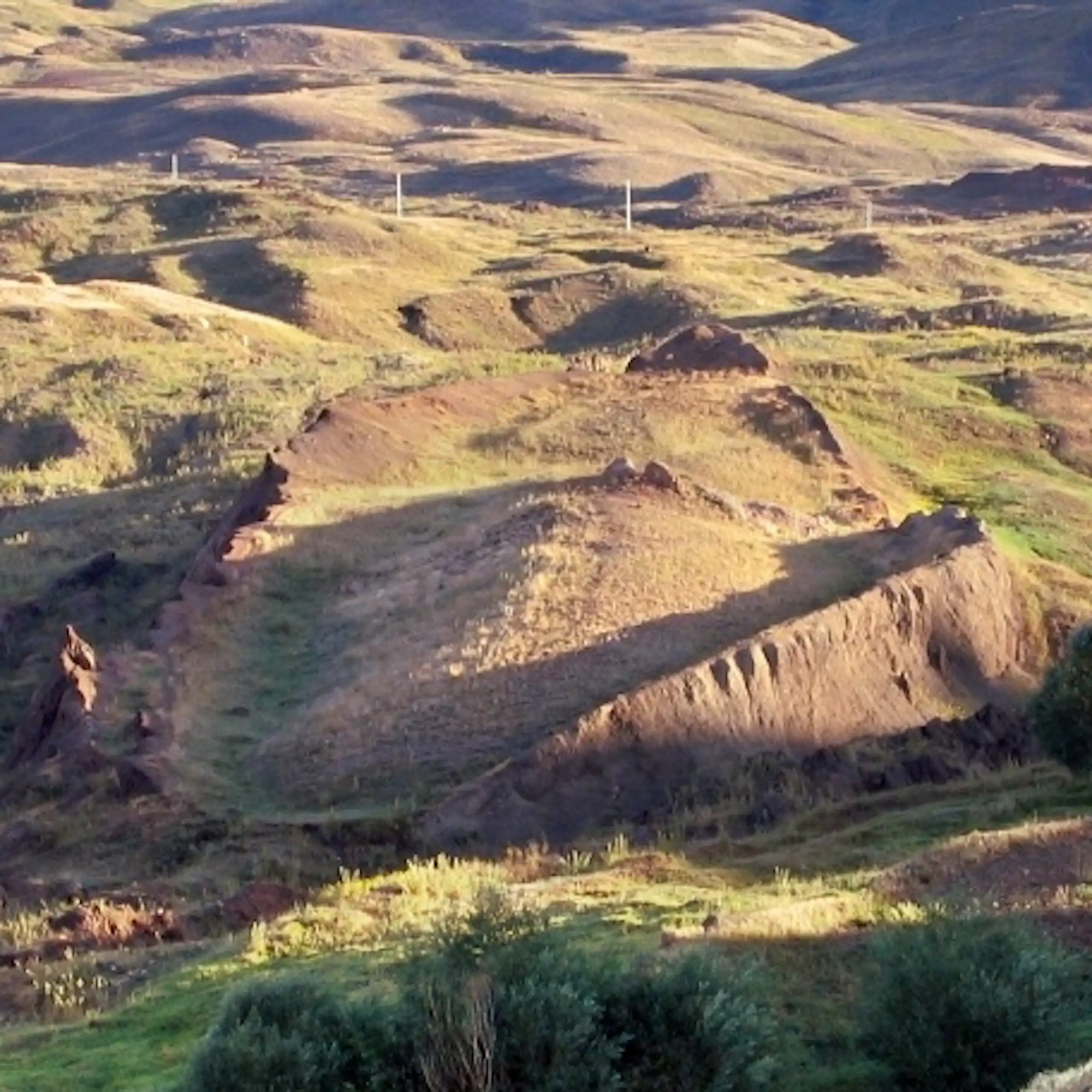
Why people keep looking for Noah’s Ark in a natural rock formation in Turkey: A scholar of early Christianity explainsEric Vanden Eykel, Ferrum College
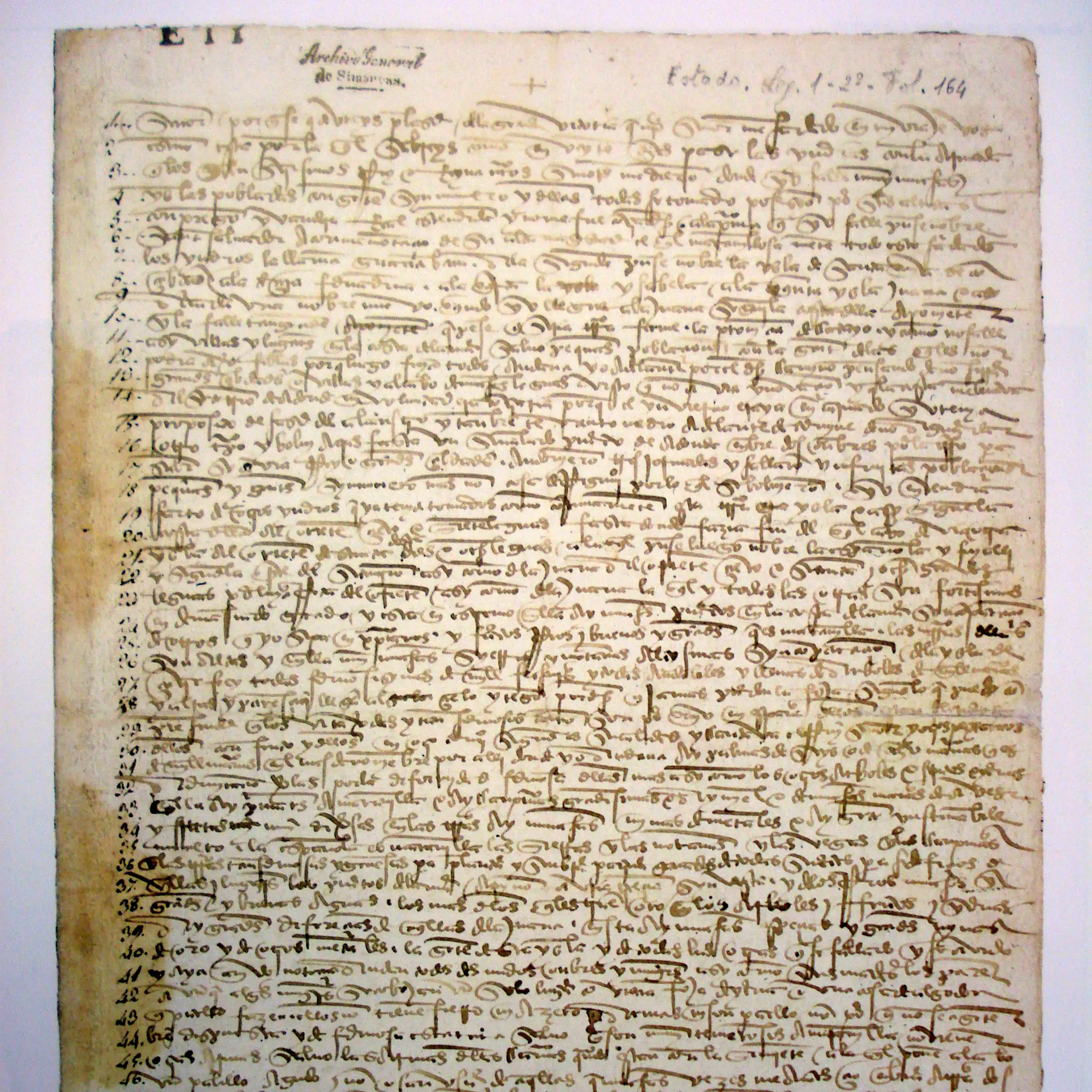
Columbus’ own writings reveal how tightly religion and conquest were intertwined from the startPeter C. Mancall, USC Dornsife College of Letters, Arts and Sciences
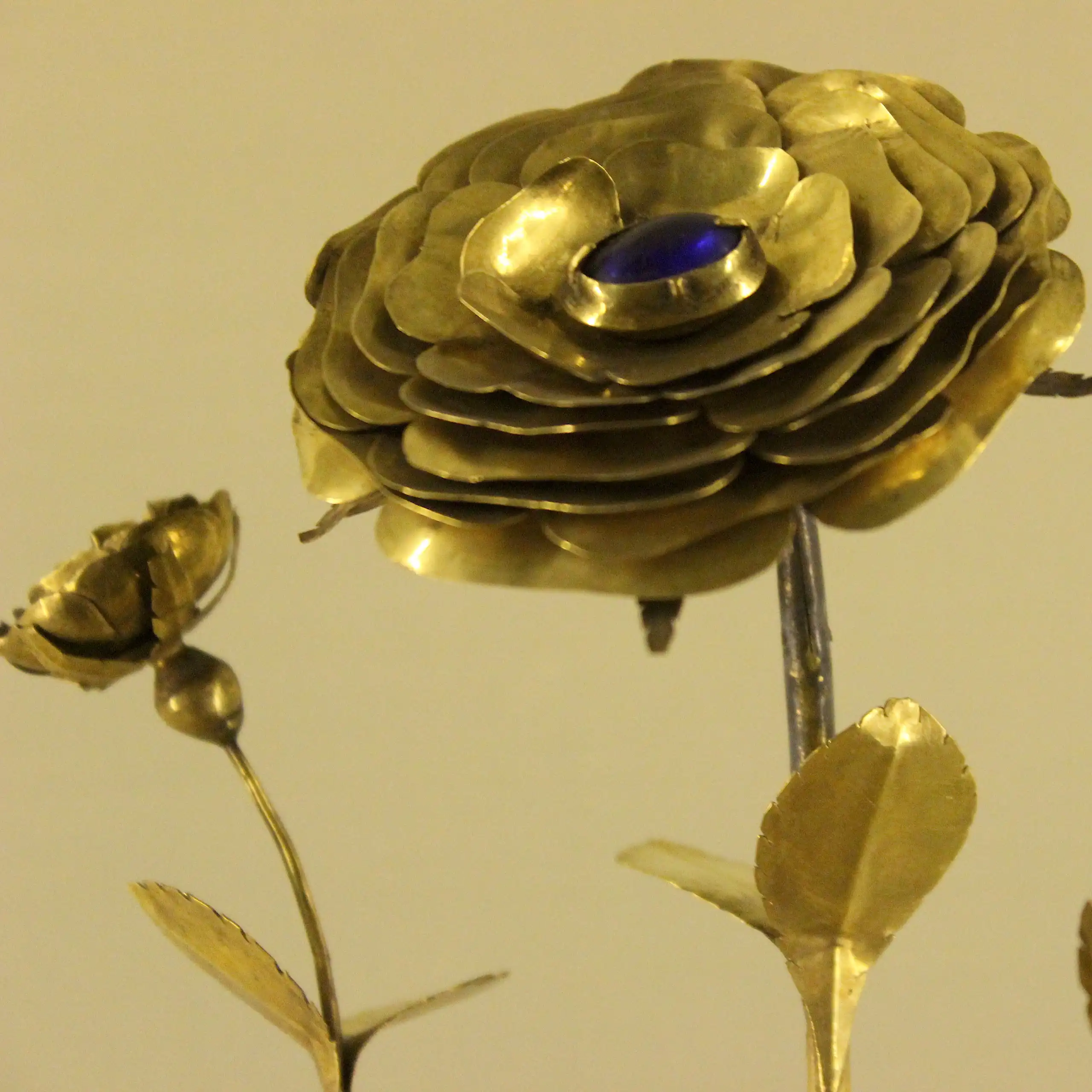
What 1,000 years of golden roses tell us about popes’ authority and influence, from Leo IX to Leo XIVJoëlle Rollo-Koster, University of Rhode Island
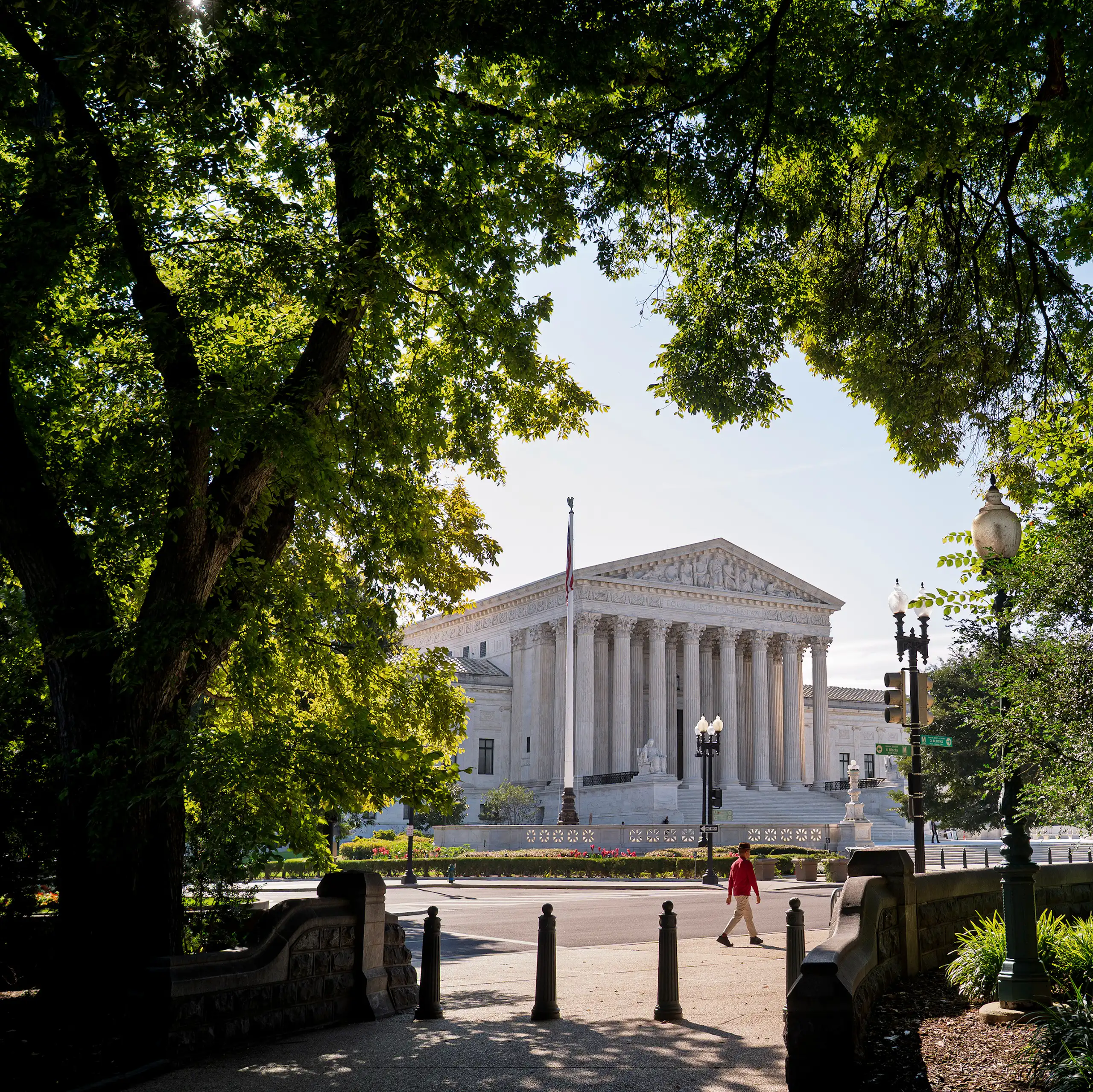
A Colorado preschool case will be the Supreme Court’s latest to test boundaries of LGBTQ rights and religious freedomMark Satta, Wayne State University; Institute for Humane Studies
Chatbots as oracles: How AI is giving new life to the ancient practice of seeking answers from inscrutable sourcesWebb Keane, University of Michigan and Ambuj Tewari, University of Michigan
The Catholic principle guiding popes through tech upheavals, from the Industrial Revolution to AIWalter Scheirer, University of Notre Dame
Large language models often prioritize Western moral values, overlooking other culturesAliah Zewail, UMass Amherst and Alexandra Figueroa, University of California, Berkeley
AI is showing up in court cases – but only a human jury can grapple with the moral weight of assessing guiltSonali Chakravarti, Wesleyan University
A journalist coined ‘the Bible Belt’ 100 years ago – it’s been oversimplifying the South ever sinceJohn Hayes, Augusta University
What Jefferson and Madison would have thought about ‘rededicating’ the US to GodSteven K. Green, Willamette University
Trump’s clash with the pope reenacts a 1,000-year-old question: What happens when sacred and secular power collide?Joëlle Rollo-Koster, University of Rhode Island
American politicians talk about persecuted Christians abroad – but here’s what happens when those Christians migrate to the USCandace Lukasik, Mississippi State University
What the Eiffel Tower controversy reveals about a Hindu monastic practice – known as ‘brahmacharya’Bhakti Mamtora, University of Arizona
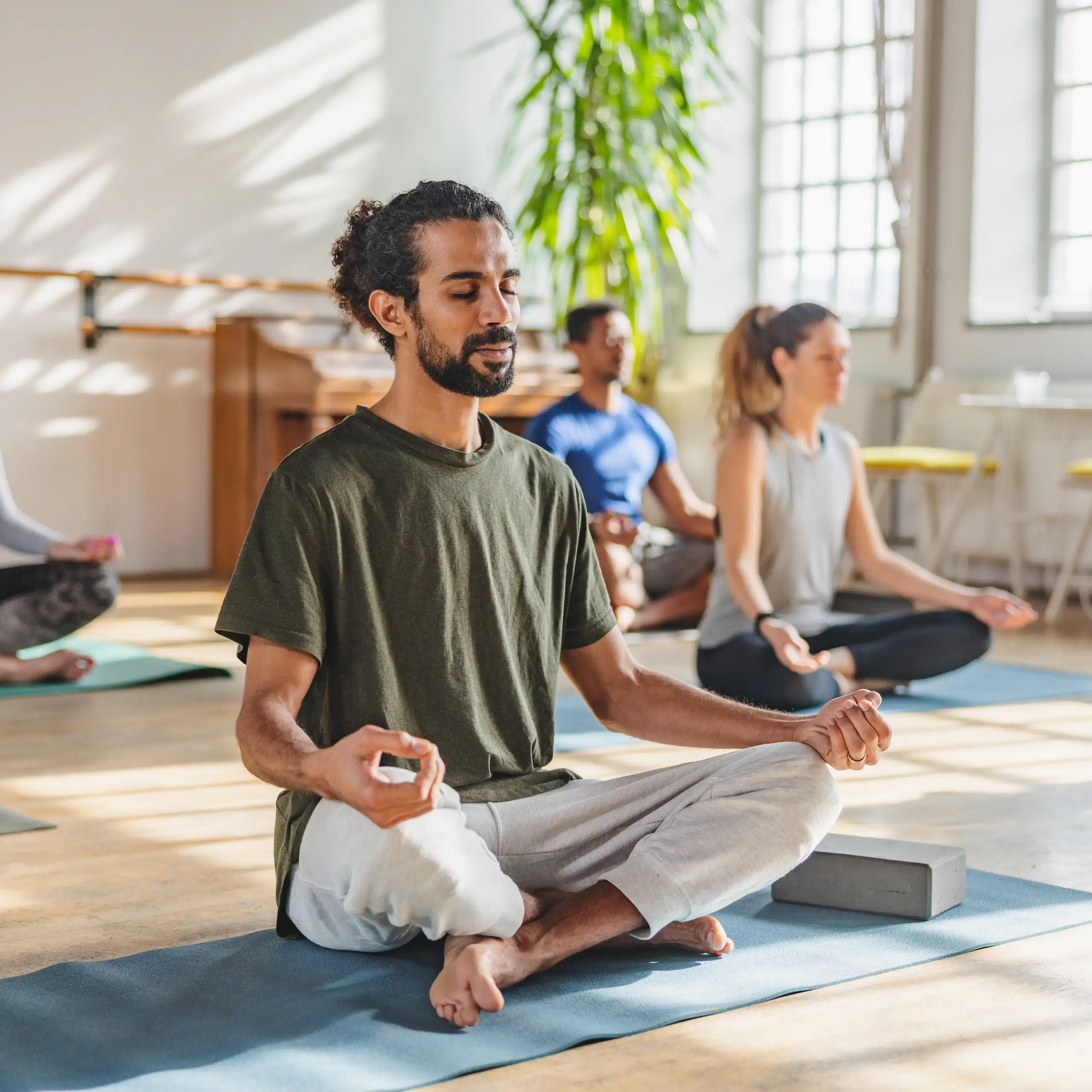
Even the Buddha experienced challenges with meditation: Historical texts reveal its potential downsidesPierce Salguero, Penn State
Floods in Nepal-Tibet disrupt pilgrimage to Mount Kailash, a sacred mountain with centuries of evolving traditionCatherine Hartmann, University of Wyoming
Most Westerners know Buddhism through meditation, but everyday Buddhist life looks quite different in Thai templesBrooke Schedneck, Rhodes College
What a Muslim folk trickster can teach us about the danger of holding a single worldviewPerin Gürel, University of Notre Dame
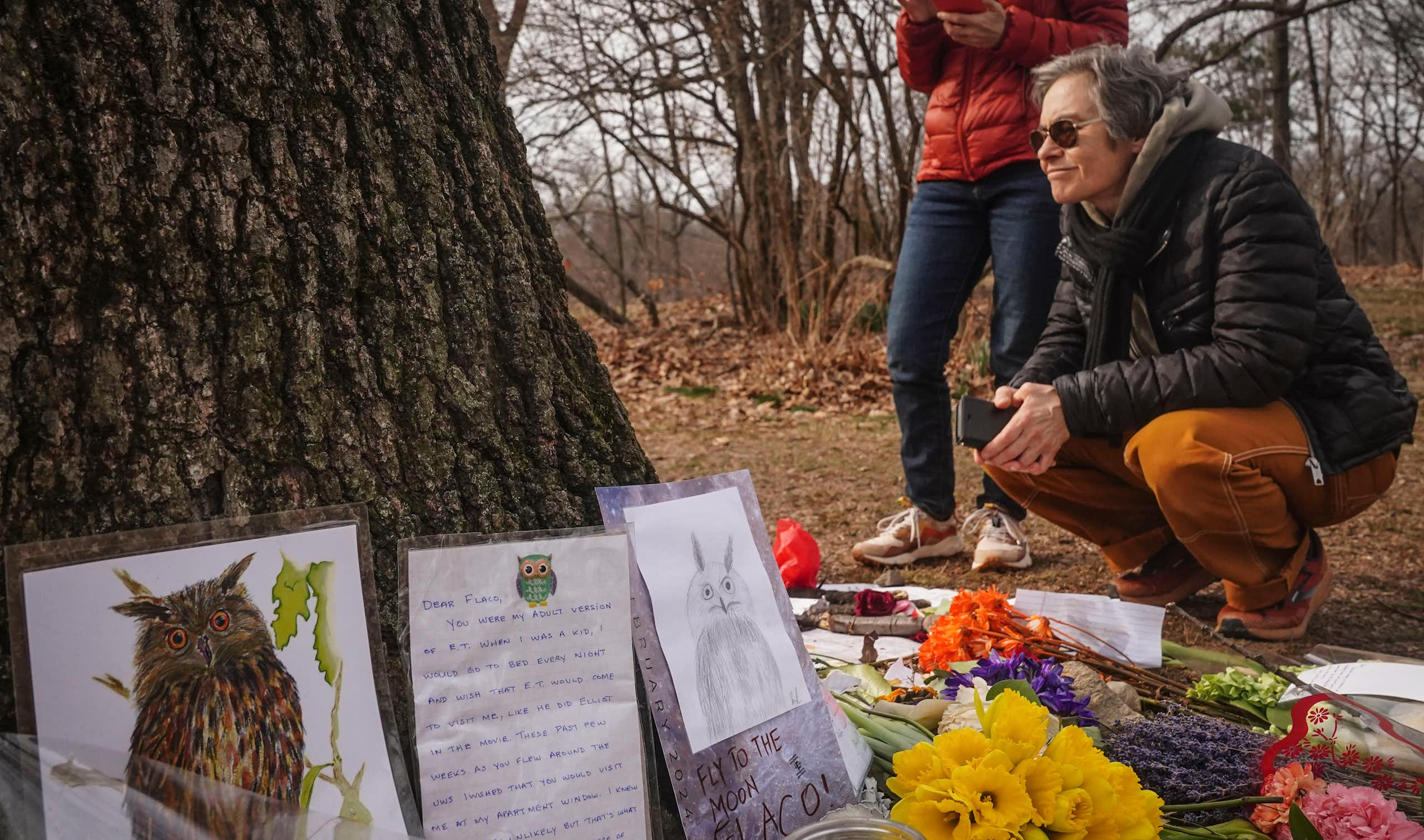
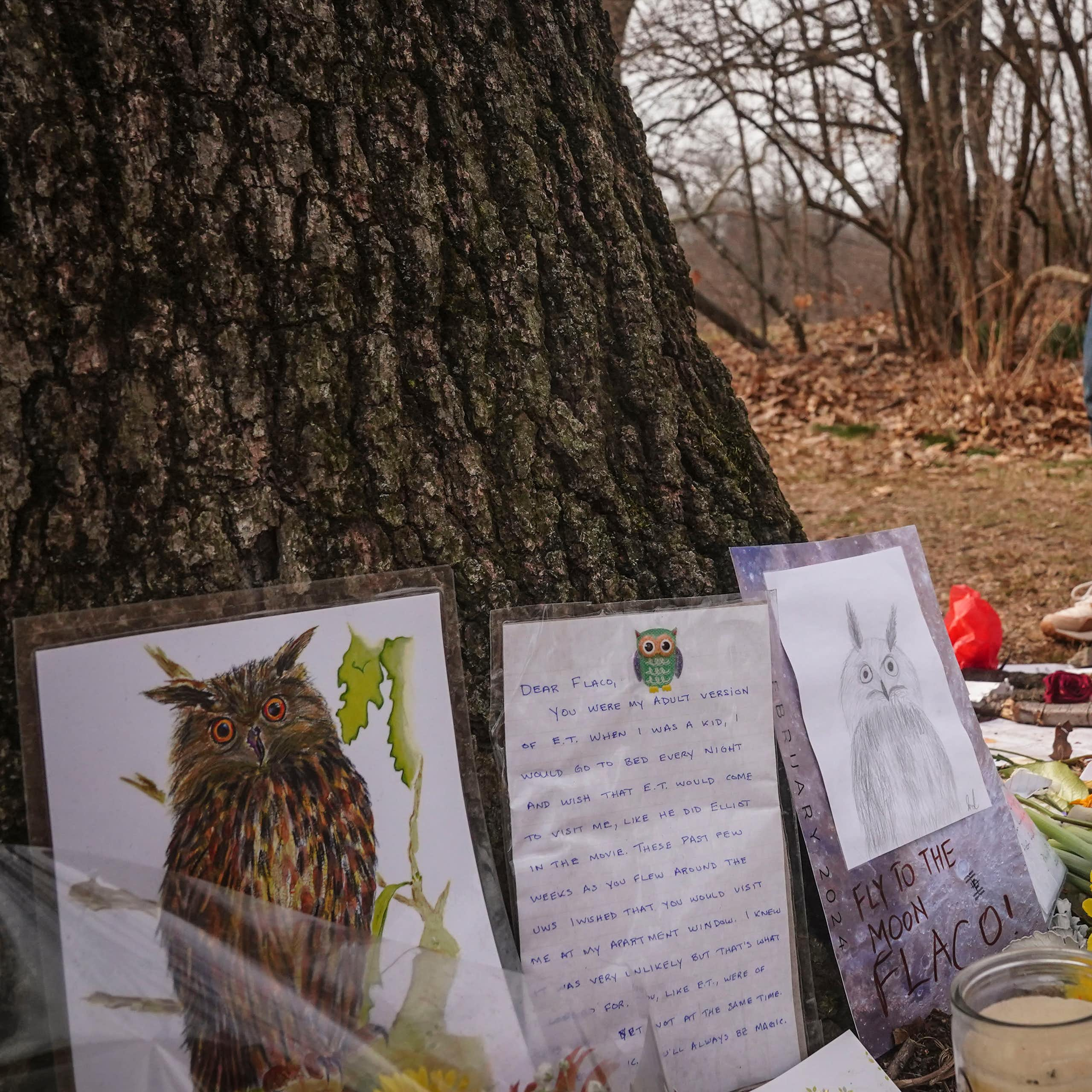
For centuries, owls were considered to bring bad luck in many cultures, but the outpouring of grief in New York over Flaco shows how times have changedArjun Guneratne, Macalester College
‘The Tibetan Book of the Dead’ is actually not just about deathJue Liang, Case Western Reserve University
‘Sanctuary people’ redefine what it means to protect immigrants in uncertain timesGina Perez, Oberlin College and Conservatory
American politicians talk about persecuted Christians abroad – but here’s what happens when those Christians migrate to the USCandace Lukasik, Mississippi State University
Why Christian clergy see risk as part of their moral callingLaura E. Alexander, University of Nebraska Omaha
Catholic clergy are speaking out on immigration − more than any other political issue except abortionEvan Stewart, UMass Boston and Diane Beckman, UMass Boston
Why standing in solidarity with immigrants is an act of accompaniment in Catholic philosophyKristy Nabhan-Warren, University of Iowa