Social Security benefits will rise 3.6% in 2027, but that may not be enough to offset healthcare costsPankaj Agrrawal, University of Maine
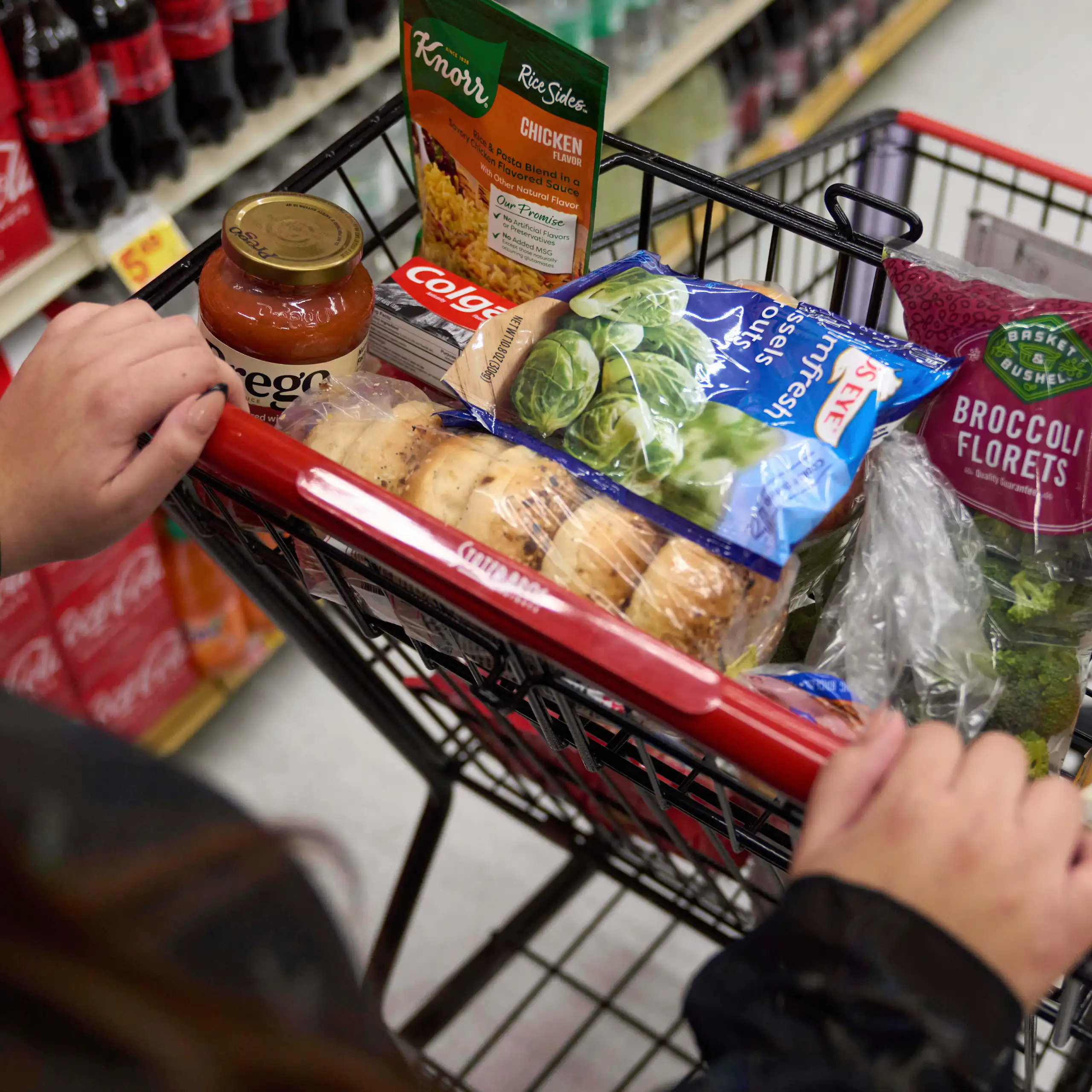
Americans are stressed about grocery prices, so why do they toss or overlook so much ‘misfit’ food?Jintao Zhang, Binghamton University, State University of New York
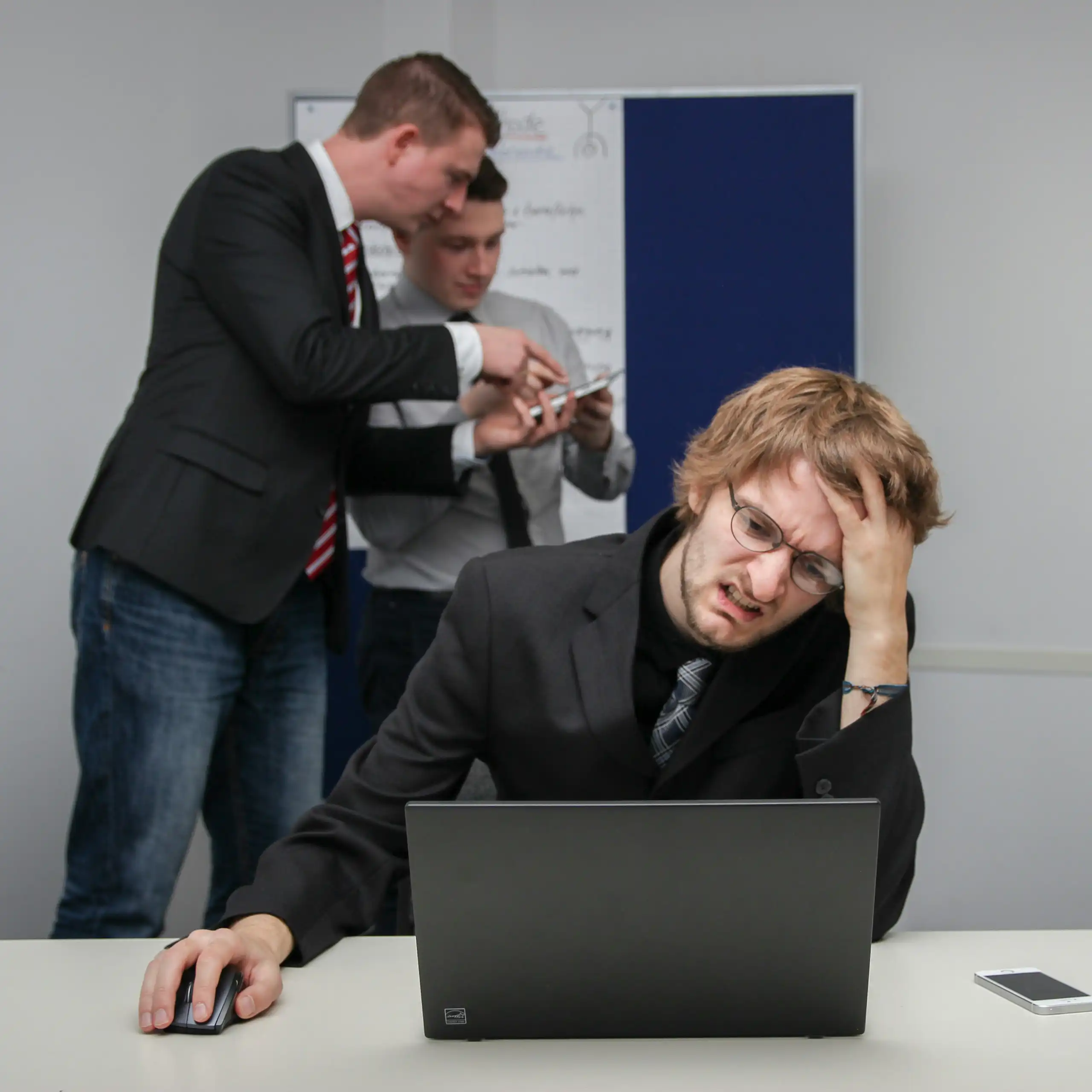
Why your boss matters more than remote or hybrid work when it comes to burnout and job satisfactionChristos Makridis, Arizona State University; Institute for Humane Studies
The oil market that sets today’s gas prices was invented in western PennsylvaniaBrian C. Black, Penn State
Companies may be held liable when AI harms their clients and customersSarah Webber, University of Dayton and Kaitlin Newkirk, Xavier University
Turmoil within Dolly Parton’s estate underscores the precariousness of family businesses after founders dieReid Kress Weisbord, Rutgers University - Newark and Naomi Cahn, University of Virginia
Why fuel prices may go higher stillJoshua Busby, The University of Texas at Austin and Greg Pollock, Georgetown University
Trump speculates on diesel fuel export ban as high prices ripple across US economyVidya Mani, University of Virginia; Cornell University
Oil and gas industry expected surplus – but war brought shortage insteadJohn Patrick Schoeneman Jr., Oklahoma State University
Oil and gas industry expected surplus – but war brought shortage insteadJohn Patrick Schoeneman Jr., Oklahoma State University
Oil shortages escalate from wars in Iran and Ukraine, with few signs of reliefAmy Myers Jaffe, New York University; Tufts University
Fewer Americans are getting help buying groceries from SNAP benefits as states grapple with the program’s cascade of changesTracy Roof, University of Richmond
American women in communities with ample broadband access lose less time waiting for services, reducing time povertyMattia Caldarulo, Rochester Institute of Technology; Andrea Hetling, Rutgers University, and Gregory Porumbescu, Rutgers University - Newark
Cities keep shelling out taxpayer money for sports stadiums, yet the economics almost never makes senseAbigail Hall, University of Tampa and Aaron D. Wood, University of Tampa
The US sells more to Brazil than it buys – but Trump is slapping steep tariffs on its exports anywayFilipe Mendonça, Universidade Federal de Uberlândia (UFU) and Henrique Menezes, Universidade Federal da Paraíba (UFPB)
US consumers and businesses are now facing a future of more expensive borrowingJohn W. Diamond, Rice University
US regulators want to make corporate earnings reports less frequent, but investors have doubtsTzachi Zach, The Ohio State University
It’s OK if managers step in to help their sales staff – but not too muchDaniel E. Chavez, University of Tennessee
The tourism industry is slowly waking up to solo travelers’ needsPeter McGraw, University of Colorado Boulder
Why employers still place a premium on people skills, not AI, when they make hiring decisionsMurugan Anandarajan, Drexel University and Cuneyt Gozu, Drexel University
AI data center boom is leaving consumer electronics short of chips − even though they don’t use the same kindsVidya Mani, University of Virginia; Cornell University
Gen Z communicates differently in the workplace, but older colleagues can still decode themJeff LeBlanc, Boston University
The typical gig worker is changing – and struggling more than ever to make ends meetJacob Lederman, University of Michigan Flint
Layoffs tied to AI hurt worker productivity – and the reason may surprise managersMark Ma, University of Pittsburgh
Why it’s more important than ever to jump-start entrepreneurial careers from the college classroomRaghupathy Sivakumar, Georgia Institute of Technology
Why working-class people account for around 1% of lawmakers in the US – and only 2% in the average democracy around the worldNoam Lupu, Vanderbilt University and Nicholas Carnes, Duke University
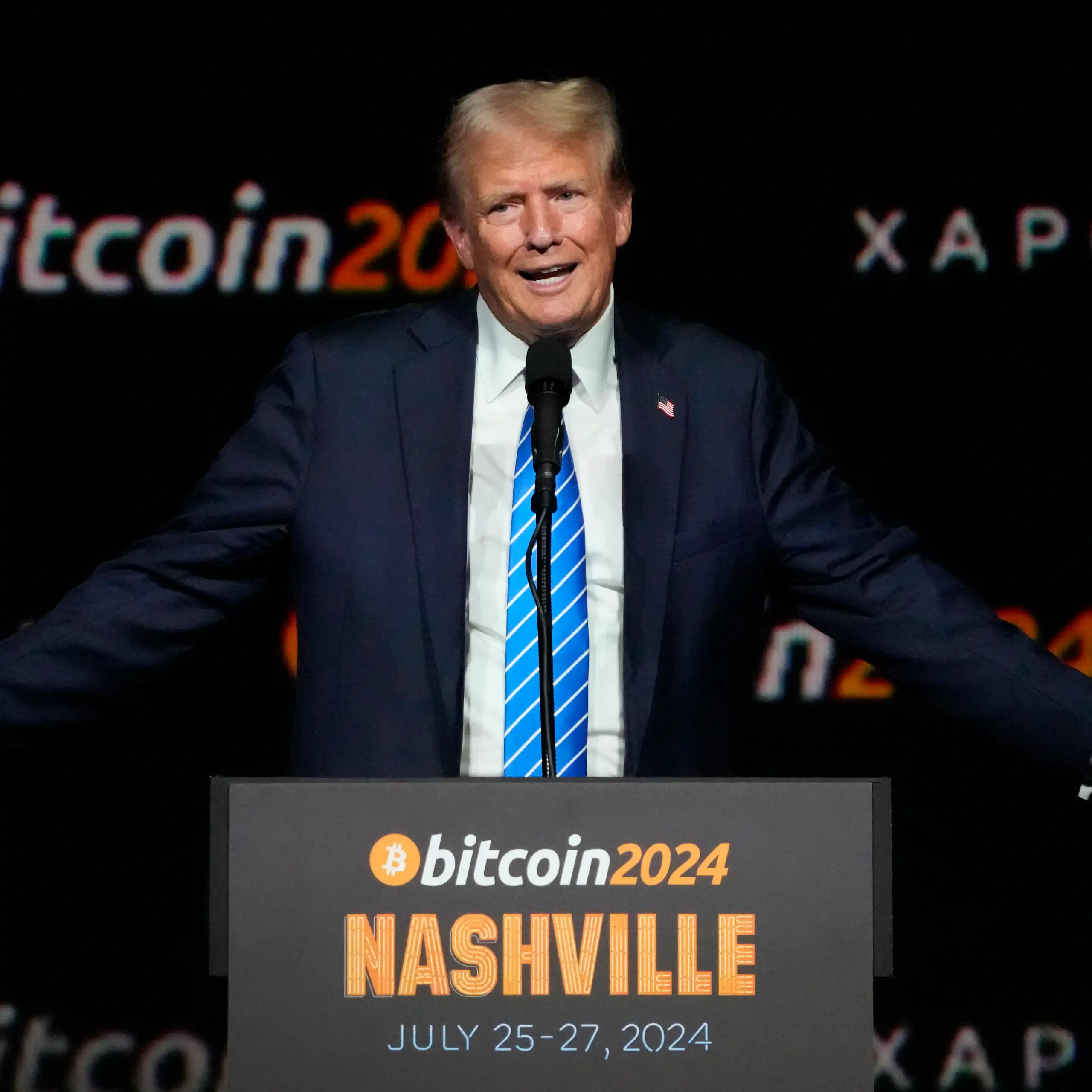
How Trump’s crypto winnings undermined the industry’s push for looser regulationLee Reiners, Duke University
Trump administration is withholding more than $1B in Medicaid funds from California and Minnesota, in latest example of weaponizing real and imagined fraudBen Zdencanovic, University of Cambridge
Personal bankruptcy filings are soaring in 2026, signaling growing economic distressJay L. Zagorsky, Boston University
Got money questions? How to get chatbots to give you accurate answersPawan Jain, University of Michigan Flint
Is it illegal for the president to spend ‘patriotic’ donations on a White House ballroom or anything else?Ellen P. Aprill, University of California, Los Angeles
Trump administration’s Freedom 250 organization allegedly misdirected donors away from bipartisan America250 charitySarah Webber, University of Dayton
Foundations can outlive their charitable missions – and that’s a problemThomas Adam, University of Arkansas
A little-remembered Gilded Age millionaire helped make milk safe for American kids through his ‘retail giving’Leslie Lenkowsky, Indiana University
Nonprofit fraud: Amid high-profile prosecutions, an accountant explains what’s really going onSarah Webber, University of Dayton