African countries could save billions by cutting air pollution and greenhouse gases at the same timeChris Malley, University of York; Caroline Sawe, University of York, and Kevin Hicks, University of York
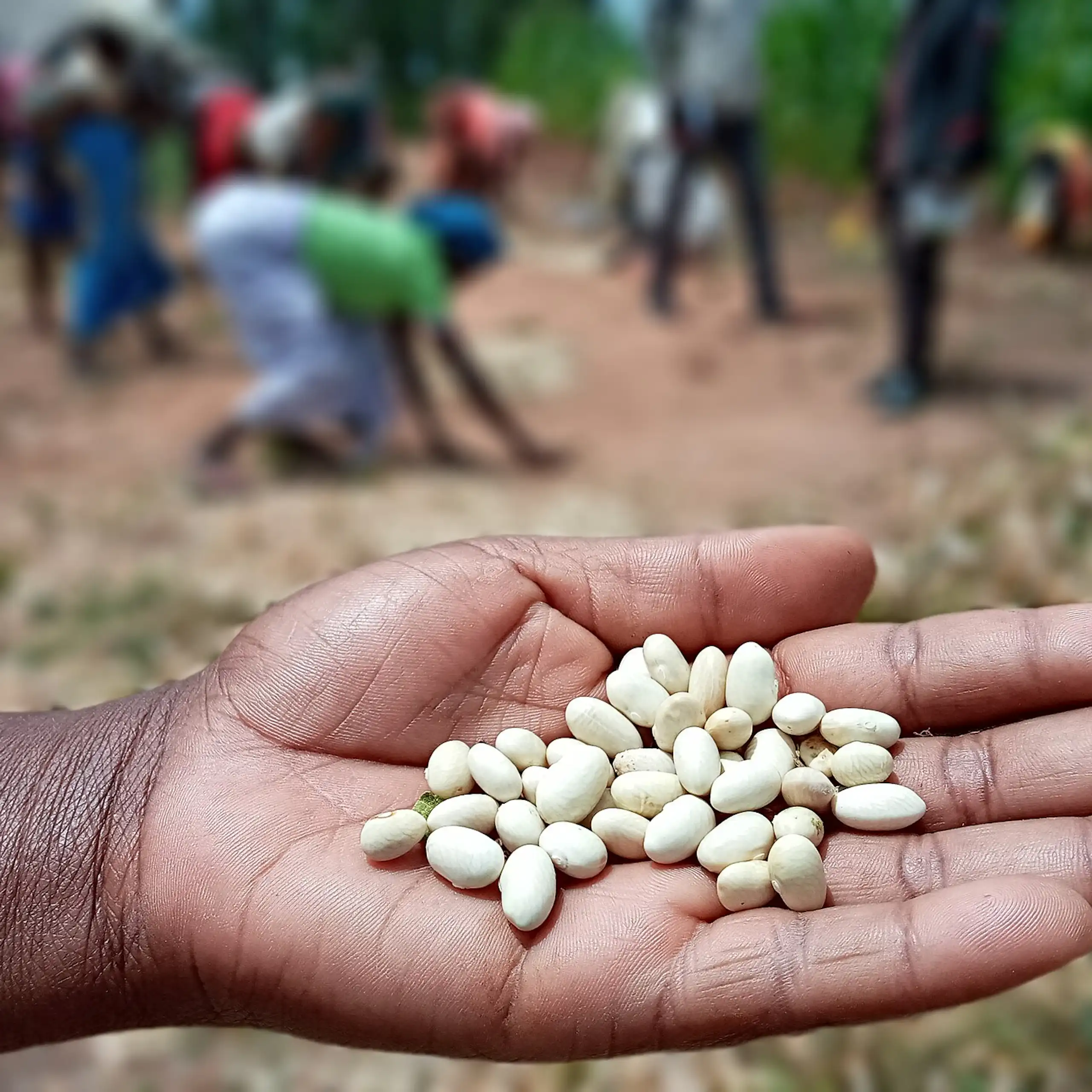
Super El Niño could hit southern Africa’s bean harvests hard: how to protect farmersMoses Chitete, Lilongwe University of Agriculture and Natural Resources
Bambara groundnut: new maps show where southern African farmers can grow this drought-tolerant cropRichard Kunz, University of KwaZulu-Natal and Tafadzwanashe Mabhaudhi, London School of Hygiene & Tropical Medicine
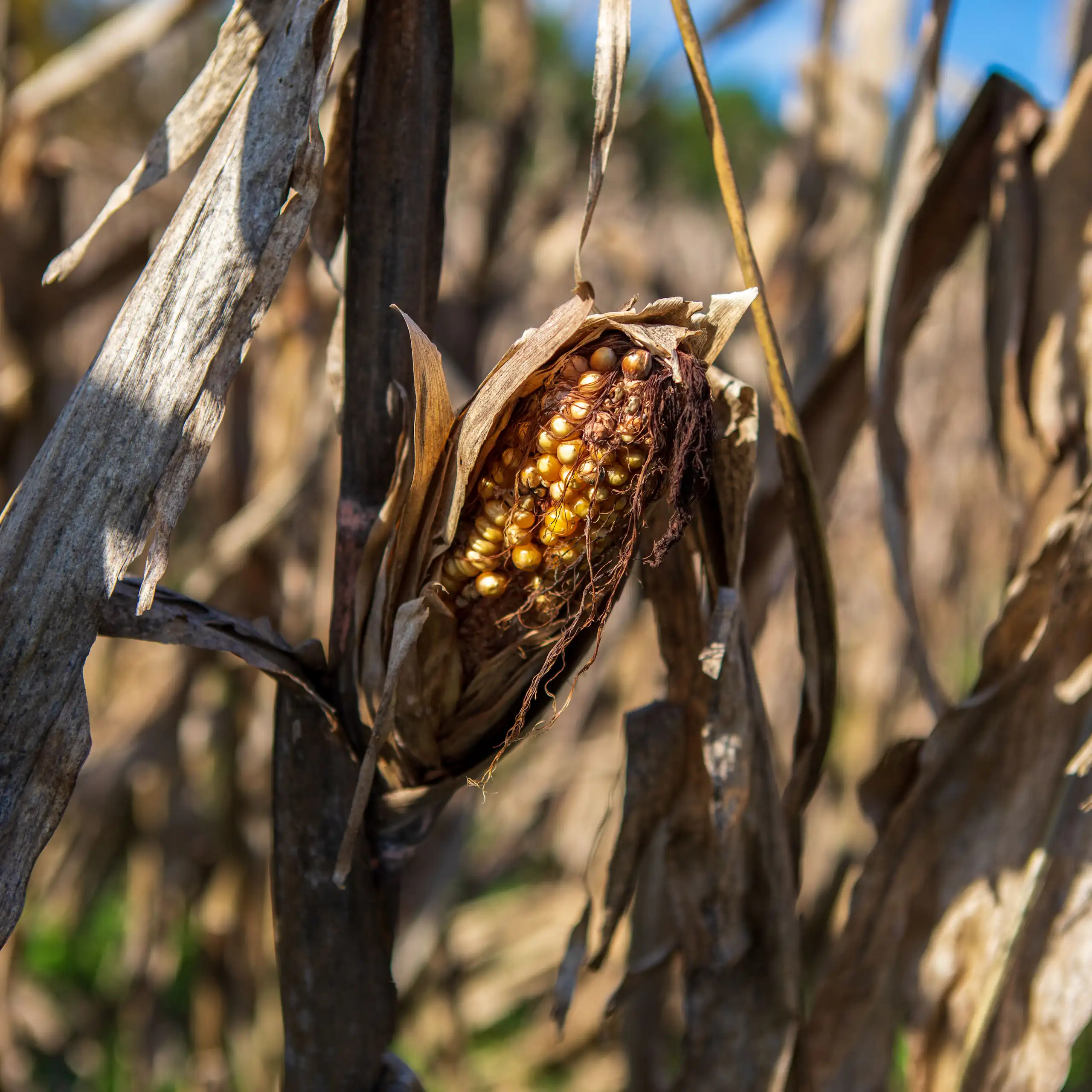
Super El Niño – how it could affect South Africa’s maize pricesAnmar Pretorius, North-West University and Mariëtte Geyser, North-West University
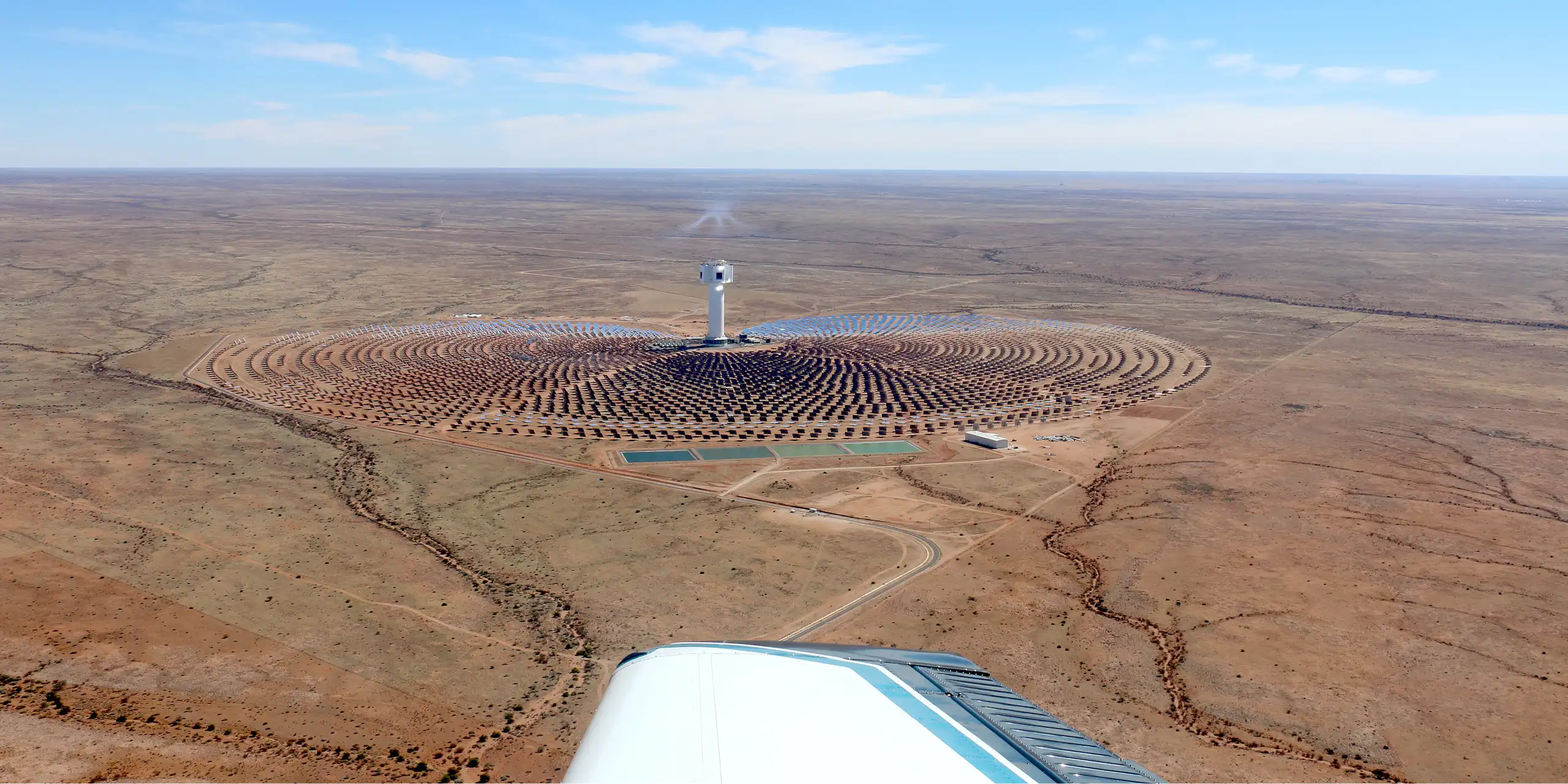
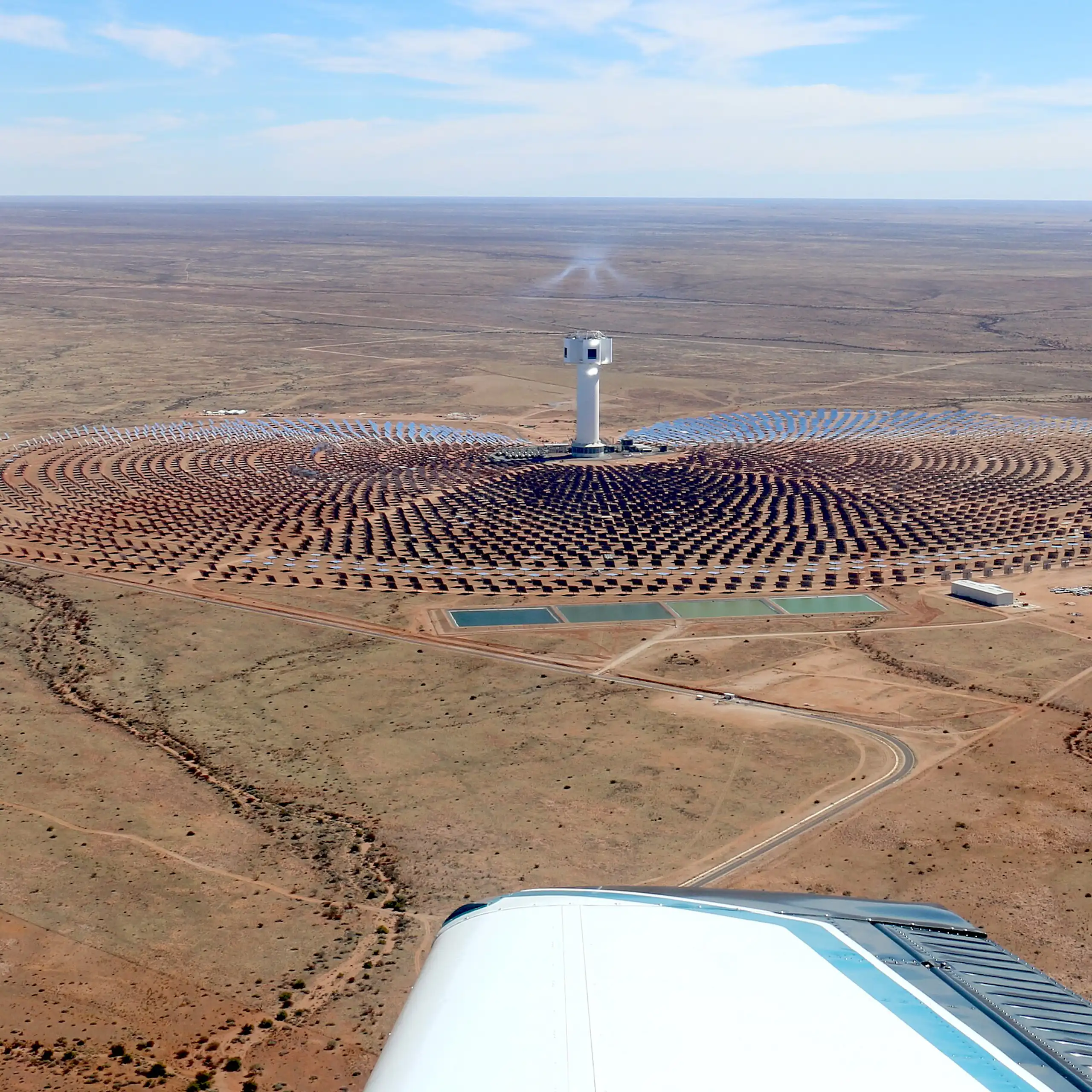
China and the EU could turn Morocco into a surprise global hub for electric vehiclesLinda Calabrese, ODI Global and Jodie Keane, ODI Global
Wildlife populations have declined 73% since 1970 – but many of the world’s animals still aren’t being countedHannah Sarah Wauchope, University of Edinburgh; Gary David Powney, UK Centre for Ecology & Hydrology, and Nick Isaac, UK Centre for Ecology & Hydrology
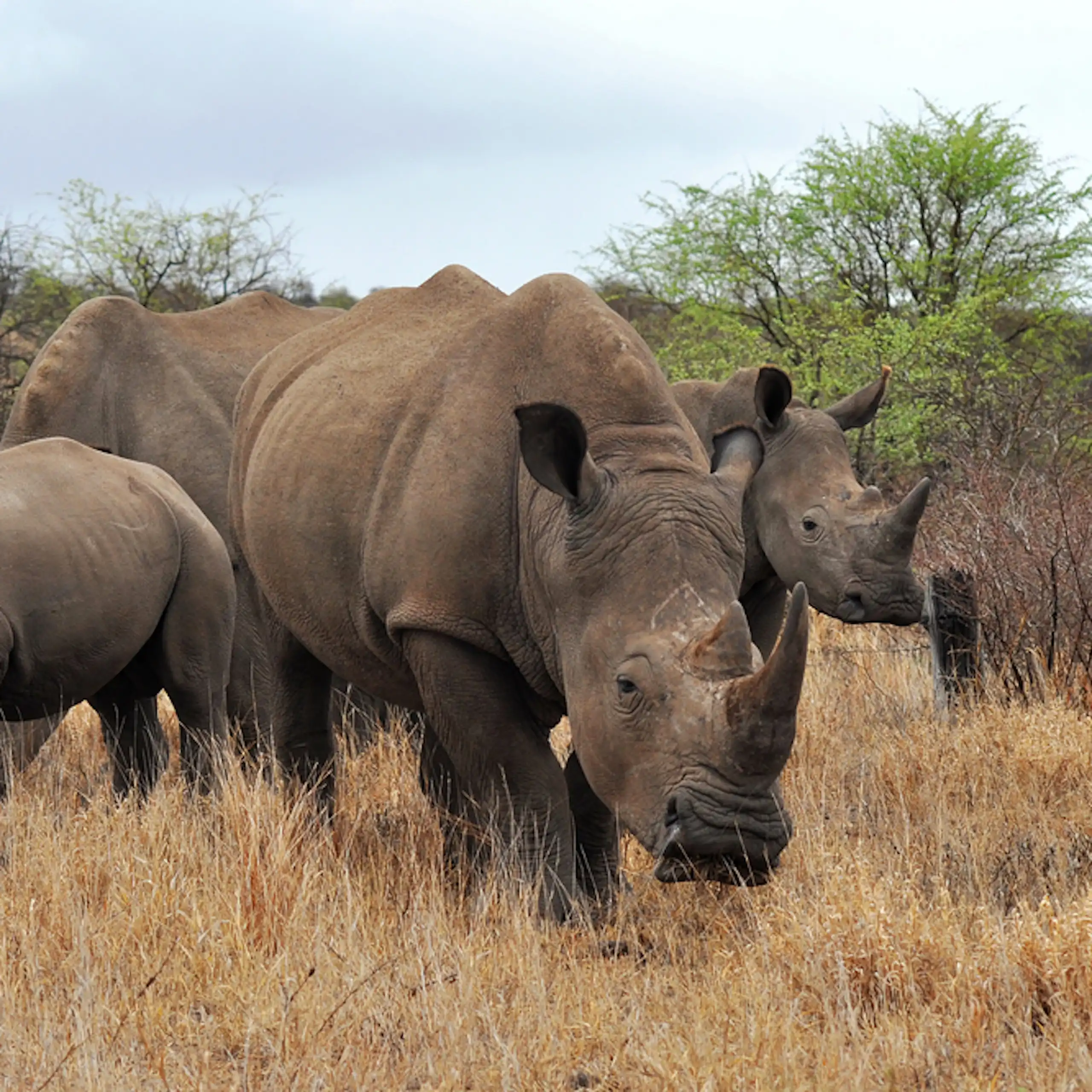
Rhinos and elephants can cause huge problems if reintroduced badly – here’s how to get it rightAdam Hart, University of Gloucestershire
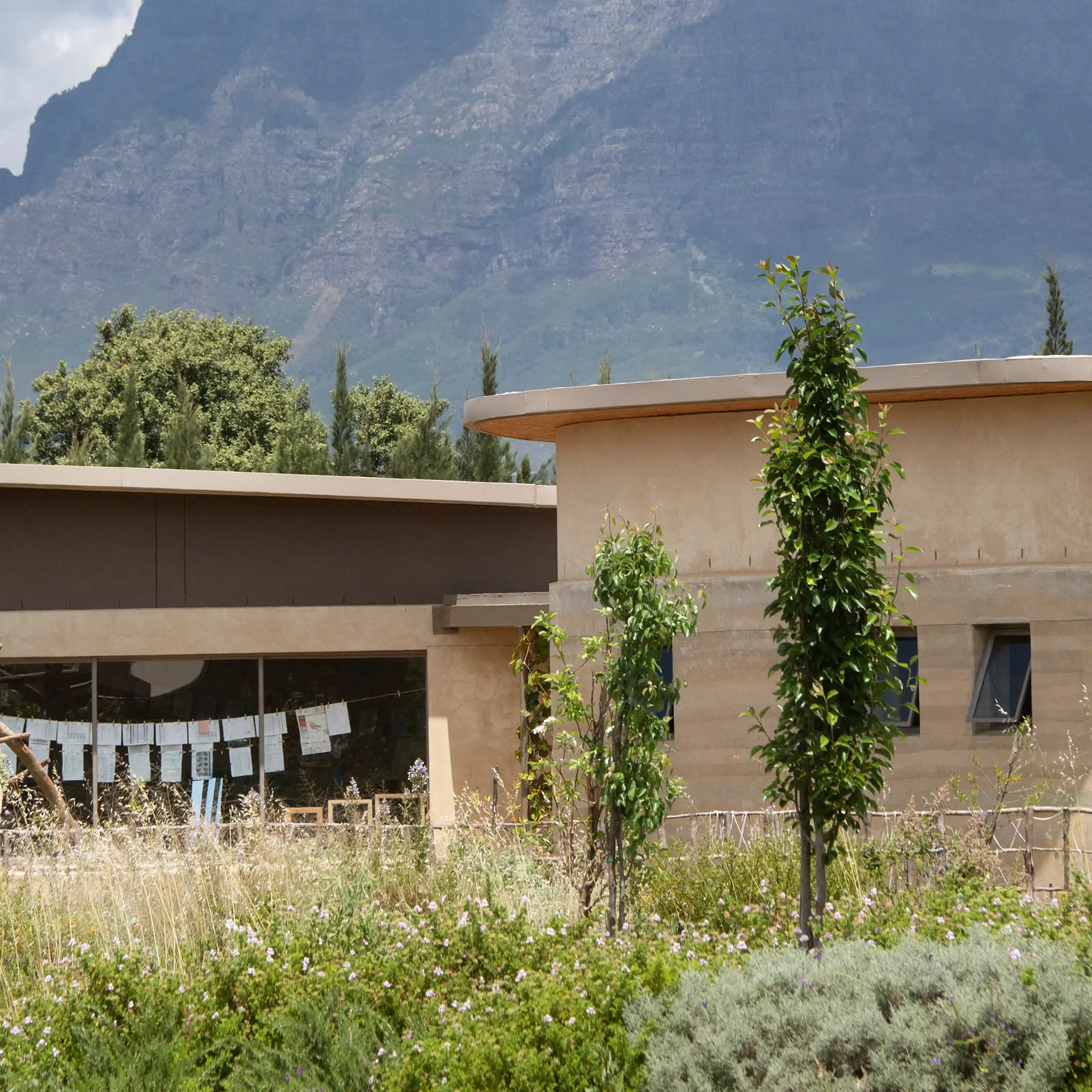
South Africa’s green building upgrades are rising – but major cities still dominate, study findsJonathan Oladeji, University of Johannesburg and Chioma Okoro, University of Johannesburg
Protecting endangered species must include supporting habitats and nearby human settlementsRassim Khelifa, Concordia University
Rising CO₂ is making African savanna grasses grow more – what this means for grazing, fire and carbon storageKimberley Simpson, University of Sheffield
Sacred springs of South Africa: pure waters or polluted? We found tiny bits of plastic in the samples we testedThendo Mutshekwa, Rhodes University; Lubabalo Mofu, National Research Foundation, and Samuel N. Motitsoe, University of the Witwatersrand
Pig farm vs power station: South African court tells state-owned Eskom to clean up its pollutionAngela van der Berg, University of the Western Cape
South Africa has new electricity pricing rules after 18 years: what it gets right and wrongFelix Dube, University of Venda
Drought and the war in Ukraine changed what families in Kenya could afford to eat – research tracked food and cooking gas useMatthew Shupler, Harvard University; University of Liverpool
A sharp fall in gas supplies in 2028 threatens South Africa’s economy: how to manage the falloutDavies Tsikayi, University of the Witwatersrand
Johannesburg has taken a big new loan to help fix its electricity problems, but the results will take timeGlen Robbins, University of the Witwatersrand
South Africa’s move to renewable power is complex, but clearing 5 bottlenecks would speed it upRod Crompton, University of the Witwatersrand
Nigeria raised electricity prices to improve supply. Why it hasn’t workedTaiwo Hassan Odugbemi, University of Abuja
Could sodium replace lithium as the dominant ingredient in batteries?Syed Abdul Ahad, University of Limerick
South Africans want solar power but they worry panels will be stolen – studyUzziah Mutumbi, Rhodes University; Gladman Thondhlana, University of Pretoria, and Sheunesu Ruwanza, Rhodes University
3 African wild dogs travelled over 4,000km to find mates – why that’s good news for the endangered speciesScott Creel, Montana State University
Okapi: new book celebrates a once famous animal and recovers Indigenous experts’ place in its historySimon Pooley, FLS, Birkbeck, University of London
What happens to elephants that stray from Kruger Park? South African policy needs a rewriteNeil D’Cruze, Manchester Metropolitan University; Angie Elwin, Manchester Metropolitan University, and Herbert Ntuli, University of Pretoria
Invasive rats are stopping small mammals from returning to Madagascar’s regenerating forests – studySabine Cudney-Valenzuela, University of California, Berkeley
Do tourists stress out safari animals? We tested their dung to find outBruce Crossey, University of Pretoria
Africa’s wildlife laws follow a colonial model which separates people and animals: why it’s not workingF. Dermmillah Obare, Prescott College
Ethiopia’s national parks are working for wildlife – but not always for the people living near themJames Borrell, Royal Botanic Gardens, Kew; Bezawit Genanaw; Sophie Jago, and Wendawek Abebe Mengesha, Addis Ababa University
Lakes that ‘breathe’ ancient carbon: a surprising find in the Congo BasinMatti Barthel, ETH Zurich; Antoine de Clippele, ETH Zurich; Johan Six, ETH Zurich, and Travis Drake, ETH Zurich
One third of food is lost or wasted: how to help farmers cut post-harvest lossesAbeeb Babatunde Omotoso, North-West University; Abiodun Olusola Omotayo, University of Maryland Eastern Shore; North-West University; Adeyemi Oladapo Aremu, North-West University, and Olaniyi Fawole, University of Johannesburg
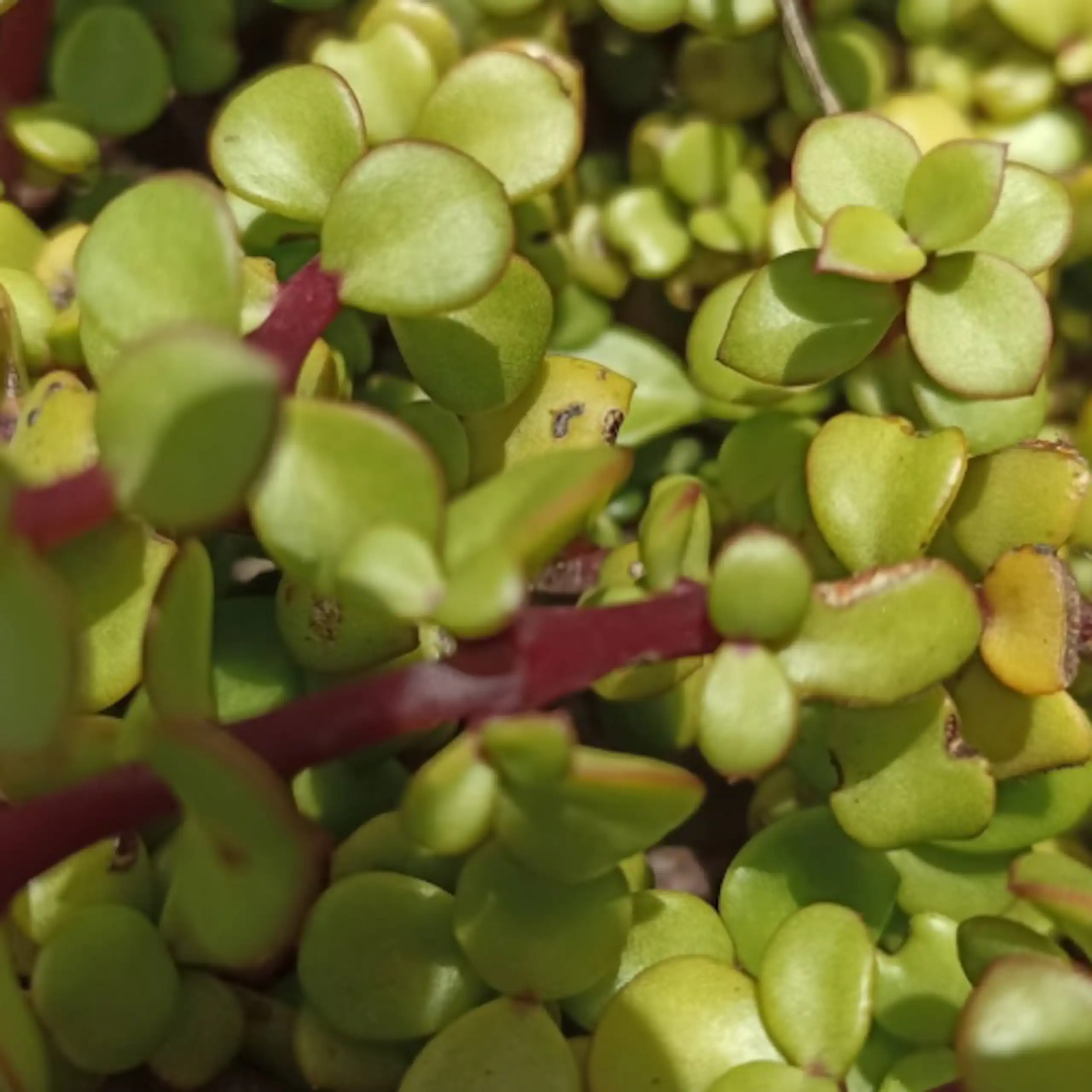
Spekboom is nutritious, water-wise and edible – so why aren’t more South Africans eating it?Alba du Toit, University of the Free State and Faith Matiza Ruzengwe, University of the Free State
People forage for wild food in public spaces in South African cities – how to plan for thisMallika Sardeshpande, University of KwaZulu-Natal
Why water rights aren’t enough to fix South Africa’s deeply unequal farming sectorFenji Materechera-Mitochi, Rhodes University and Matthew Weaver, Rhodes University
Plastic waste is harming livestock in South Africa: smallholder farmers using communal land set out the support they needLinton Munyai, University of Limpopo
Relentless heat and drought take a toll on herders’ physical and mental health, in Kenya and the USAnne Pisor, Penn State and Bonface Osindi, Washington State University
How white farmers still dominate land ownership in South Africa in spite of land reform – new researchAlex Dyzenhaus, University of St Andrews
Tigray’s old grapevines have survived against the odds: new research uncovers their genetic and historic valueJan Nyssen, Ghent University; Alemtsehay Tsegay, Mekelle University; Emnet Negash, Ghent University; Oregon State University; Federica Sulas, University of Gothenburg; Mariano Ucchesu, Université de Montpellier; Tesfaalem Gebreyohannes, Mekelle University, and Yemane Hailu Fissuh
China is funding African farmers but not food processing and storage: why it’s a problemAdrino Mazenda, University of Pretoria
South Africa has good water laws but bad services. What’s stopping fair accessMarin Cvitanovic, Bournemouth University; Jack Olley; Laura Bunt-MacRury, University of Glasgow, and Tilak Ginige, Bournemouth University
We are mapping and monitoring Africa’s underground water supplies in preparation for a hotter future – scientistsGirma Yimer Ebrahim, International Water Management Institute
Food garden or swimming pool? South Africa’s water crisis isn’t just about a shortage. It’s about equalityTrevor Hill, University of KwaZulu-Natal; Carla Higgs, University of KwaZulu-Natal, and Richard Meissner, University of South Africa
Lake Kariba’s rising waters bring hope to communities in Zambia and ZimbabweJoshua Matanzima, The University of Queensland
Water tank delivery in South Africa has stopped pipes getting fixed and opened the door to corruption – researchNyashadzashe Chiwawa, University of KwaZulu-Natal
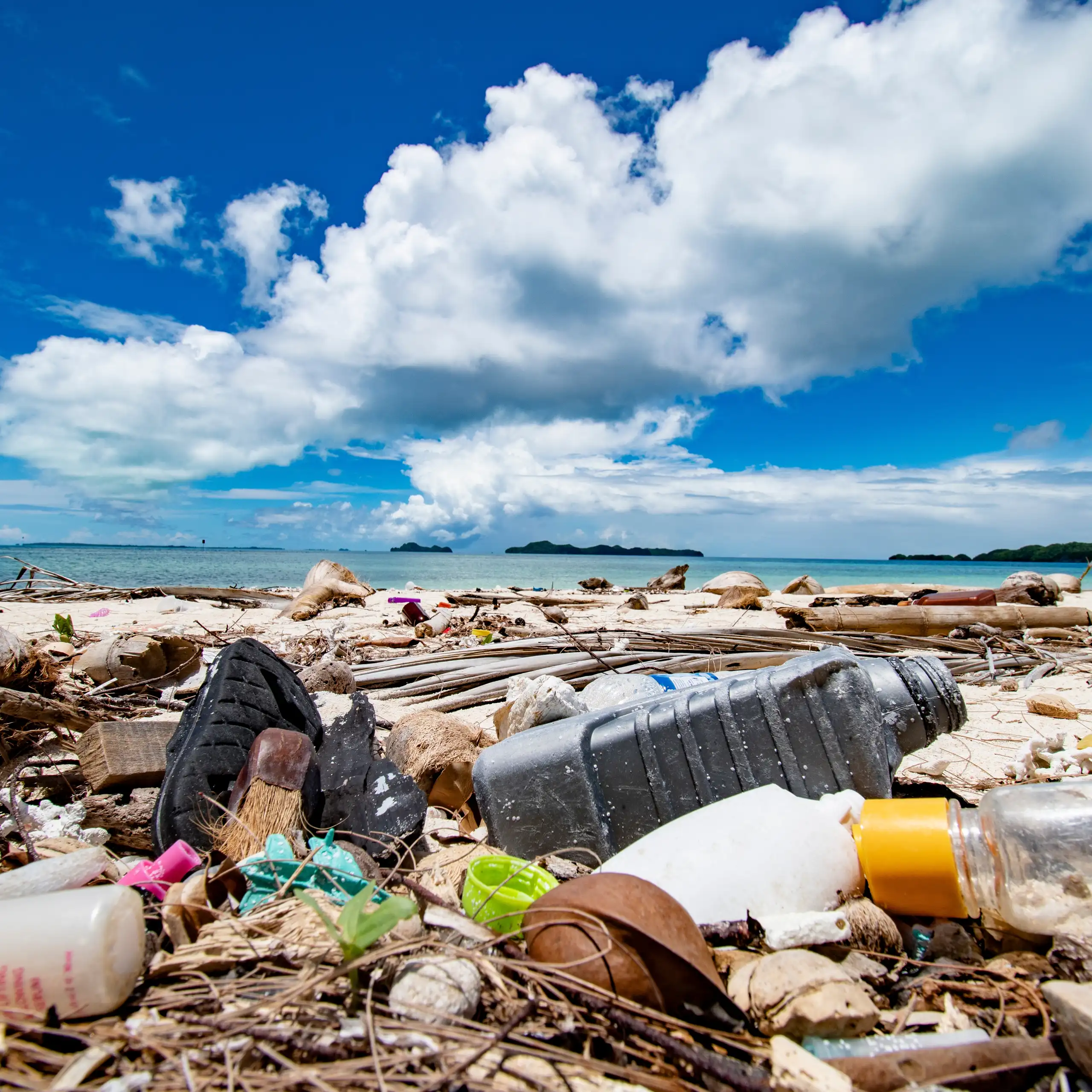
Tonnes of fishing gear and plastic are washing up on Seychelles beaches. We tracked where it was coming fromAlex Albinski, University of Oxford and Noam Vogt-Vincent, University of Oxford
This South African river has a bacteria count off the charts: a natural filter is cleaning it for watering food gardensKevin Winter, University of Cape Town
Poison or poverty: the impossible economic choices facing Ghana’s e-waste workersBrandon Marc Finn, University of Michigan
Ammonia from wastewater: How we’re turning a pollutant into fertilizer and clean fuelNavid Noor, McMaster University and Drew Higgins, McMaster University
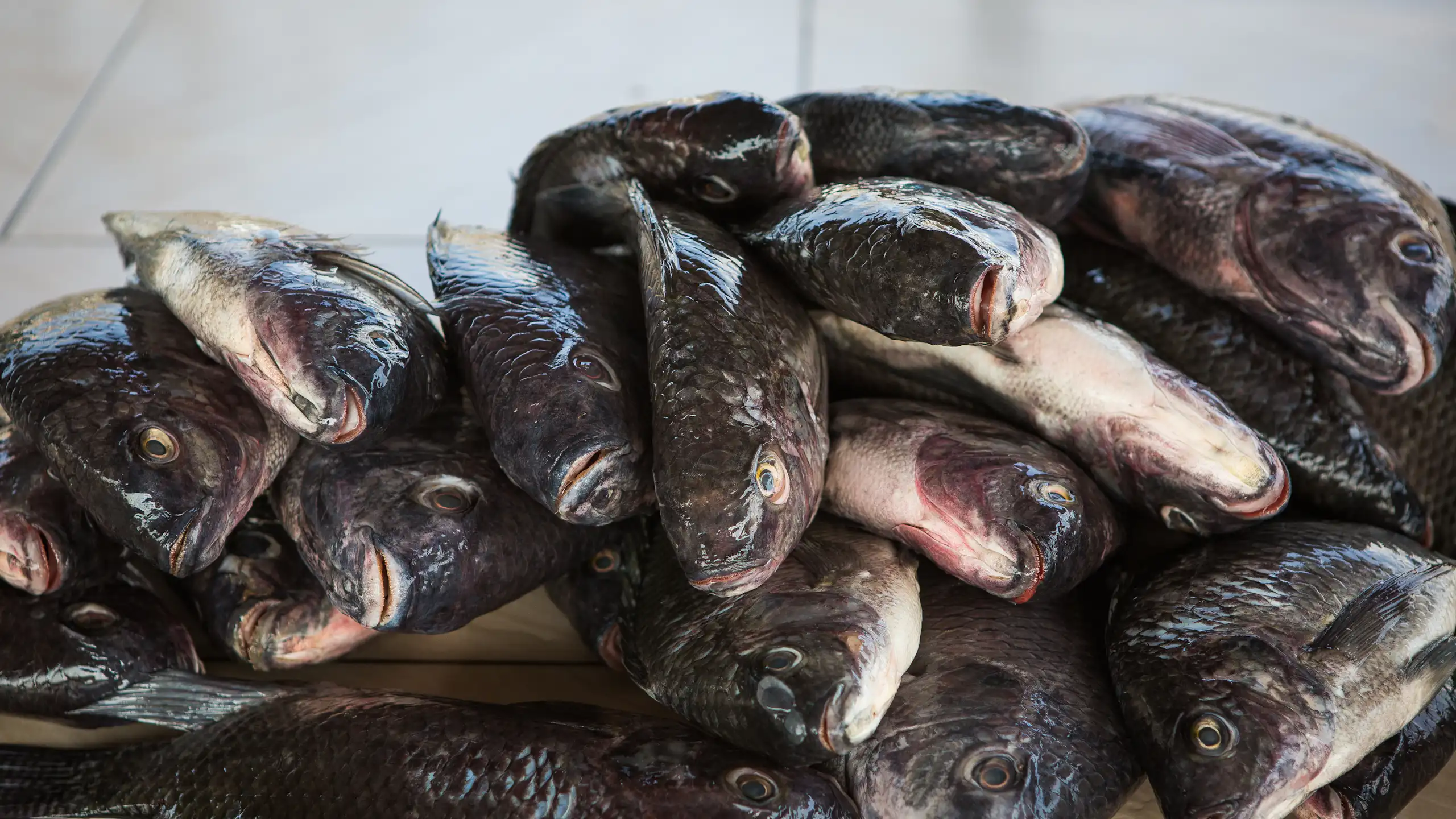
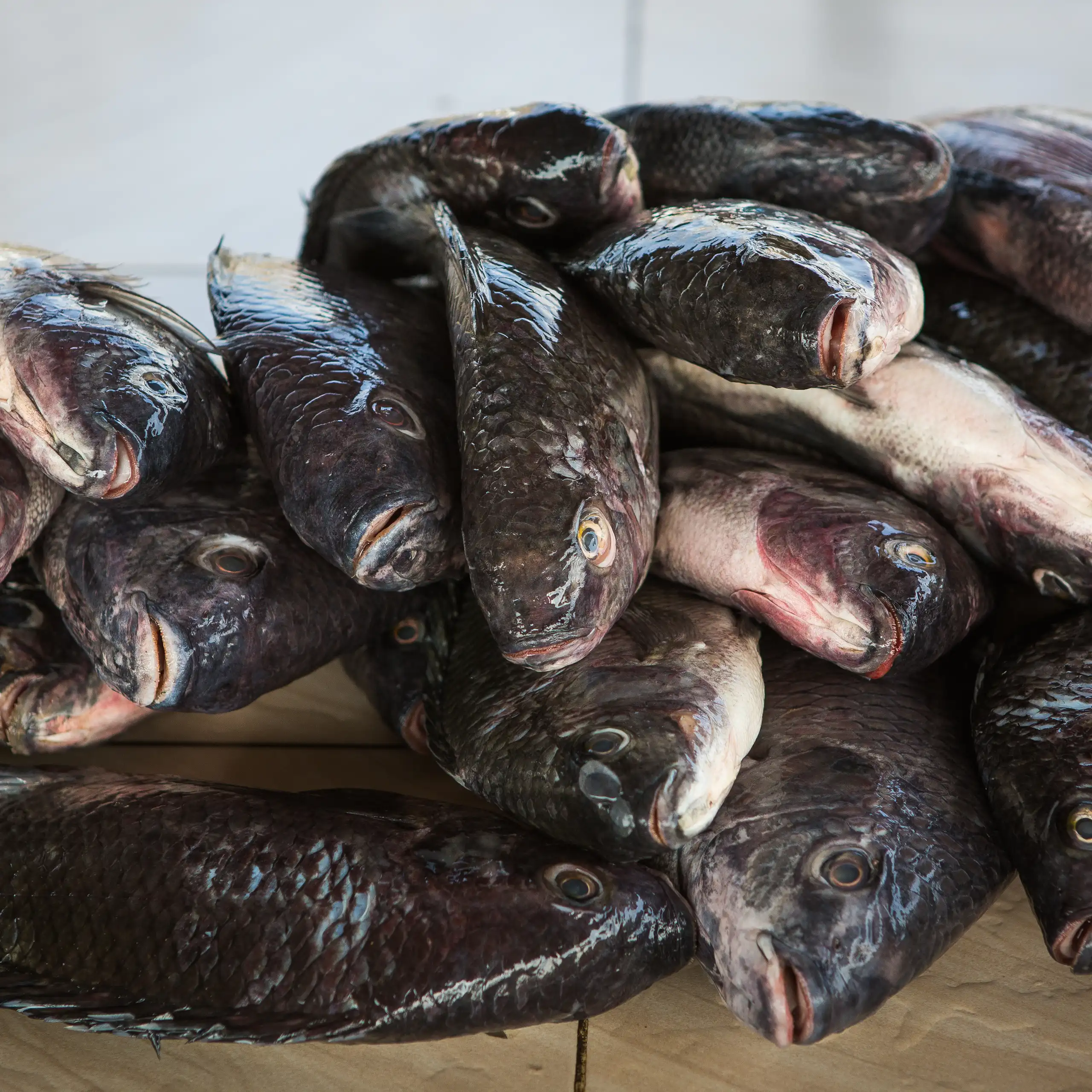
What Kenya’s fish markets tell us about choosing between nutrients and contaminantsKira Lancker, University of Copenhagen