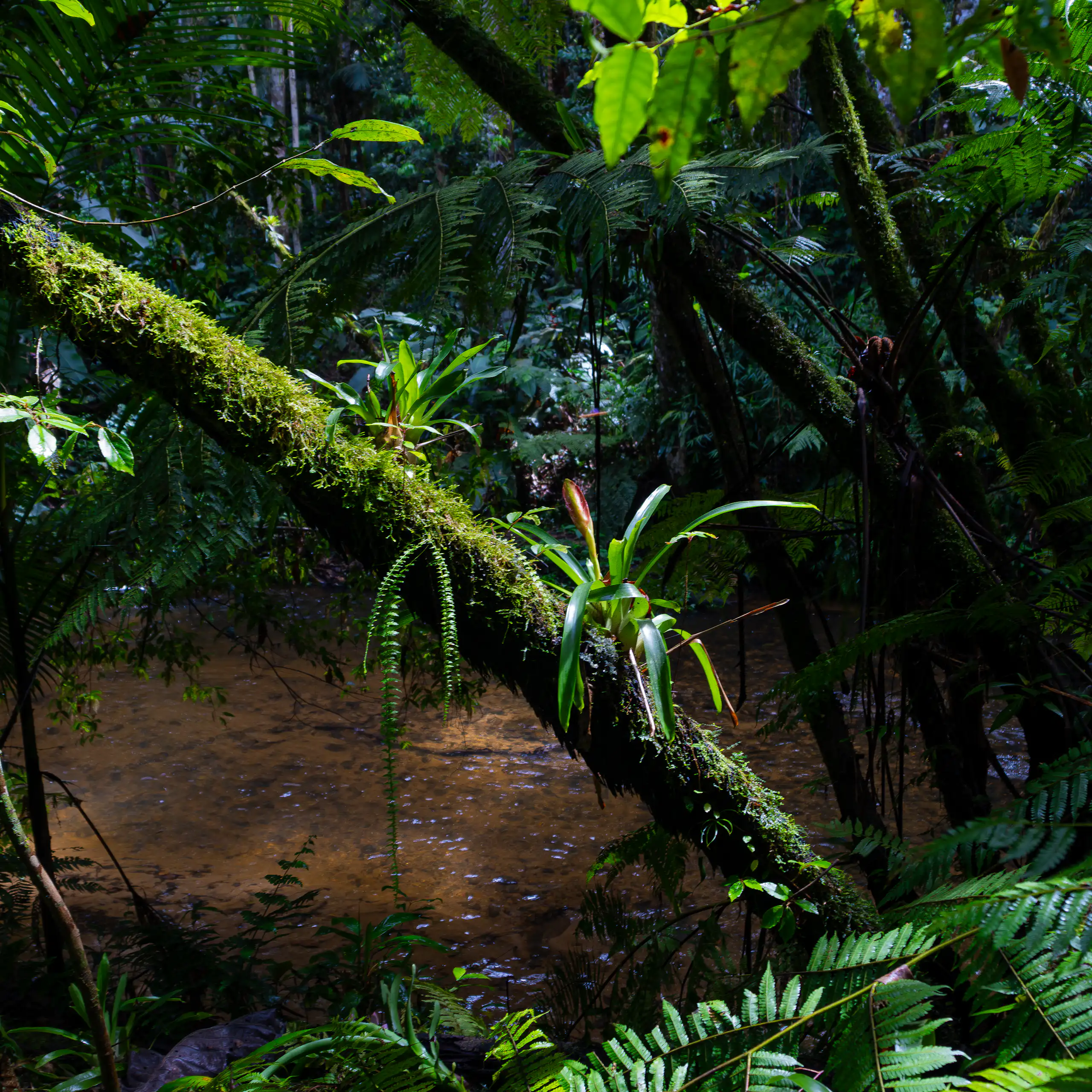
Africa’s bats could survive climate change – if they can find somewhere to liveMariëtte van der Walt, University of the Witwatersrand
Africans reuse, repair, recycle and resell waste: what’s needed to build on the circular economy basicsMichael Odei Erdiaw-Kwasie, Charles Darwin University; Amila Udage, Charles Darwin University, and Matthew Abunyewah, Charles Darwin University
Study of 20,000 Nigerians explores the links between drug use, climate change and povertyAbdullahi Abdulwahab Yakubu, Ahmadu Bello University
Nigeria faces the world’s highest projected death toll from super El Niño heat: what could save livesMichael Greenstone, University of Chicago and Tamma Carleton, University of California, Berkeley
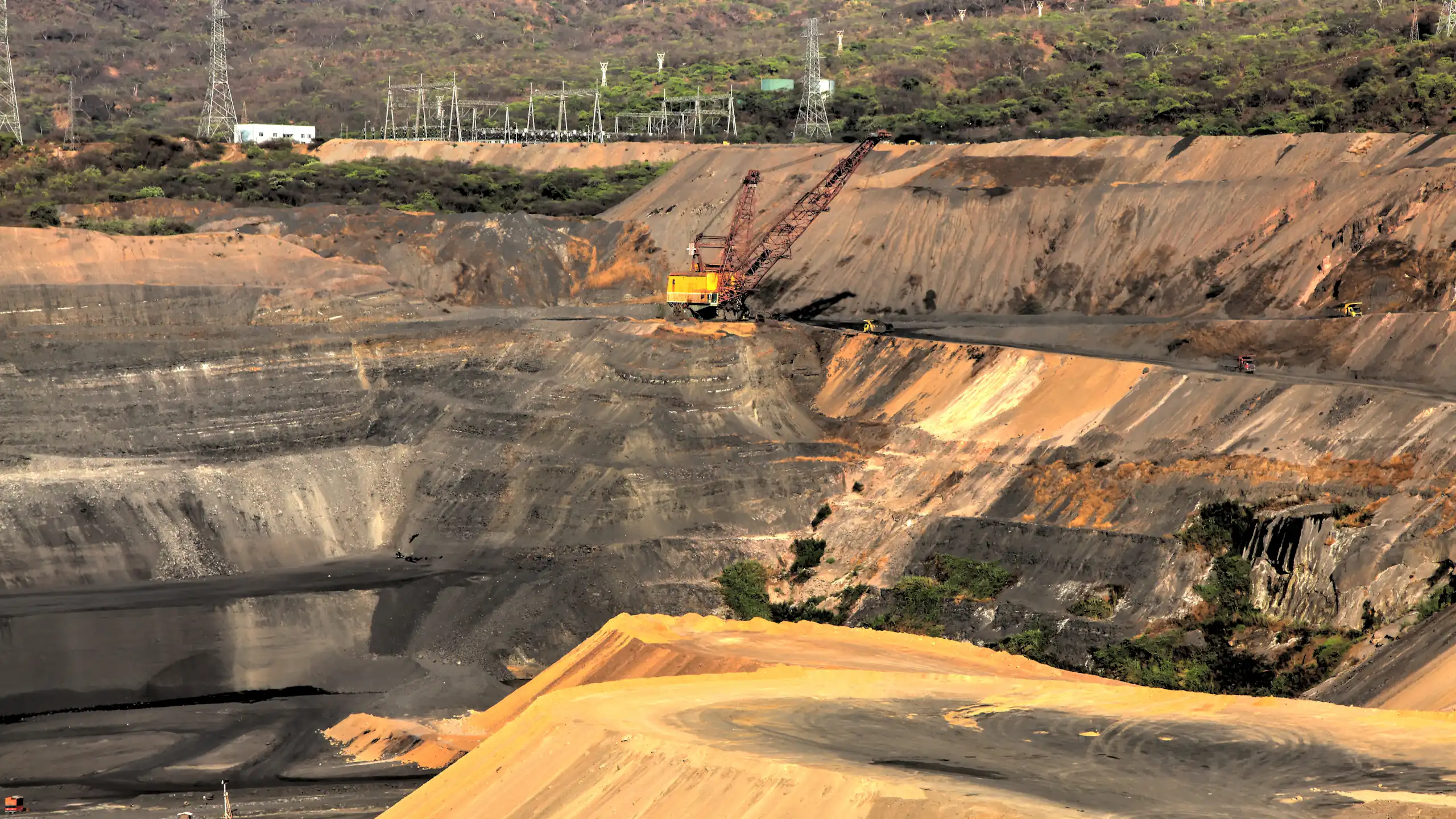
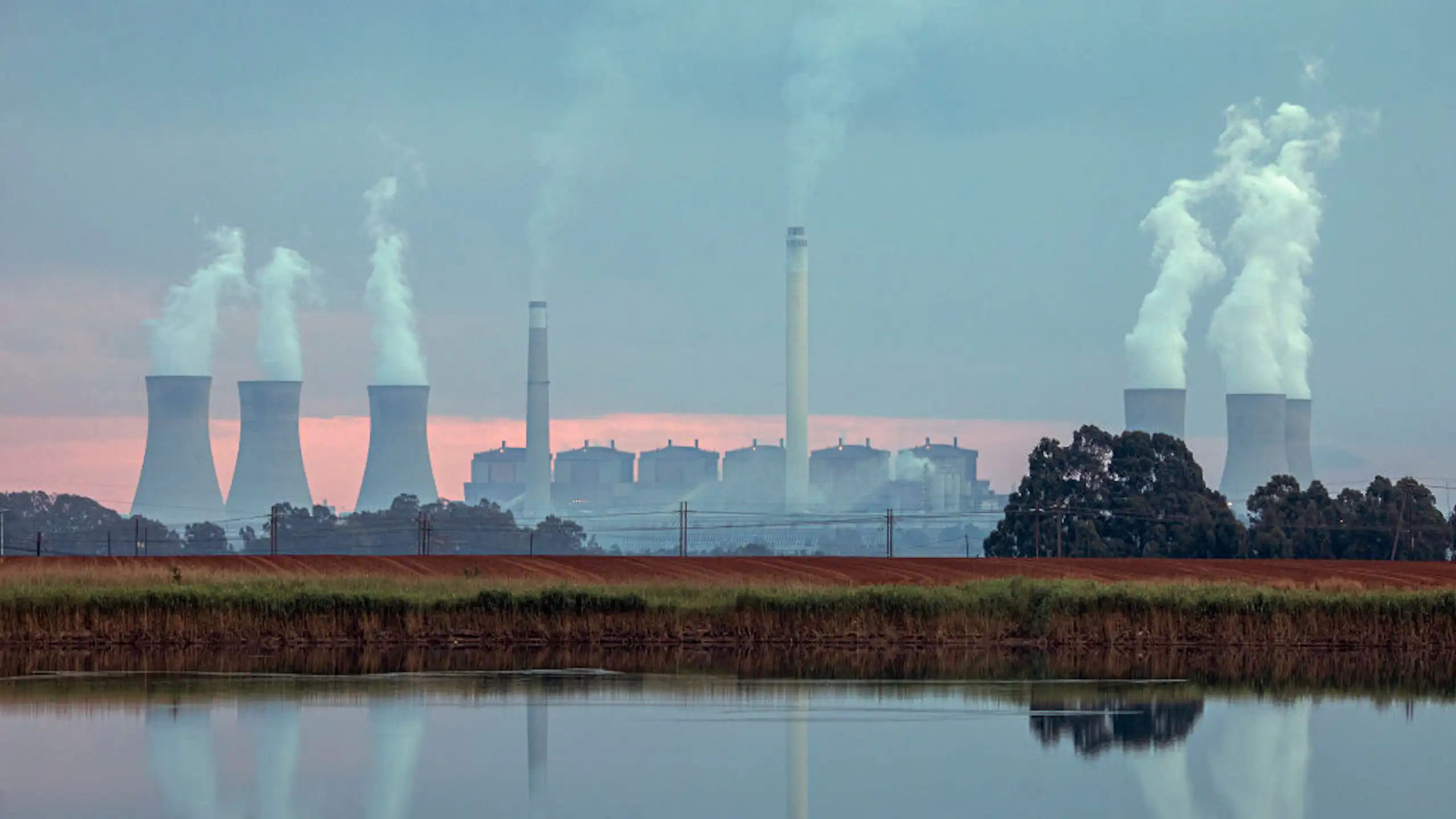
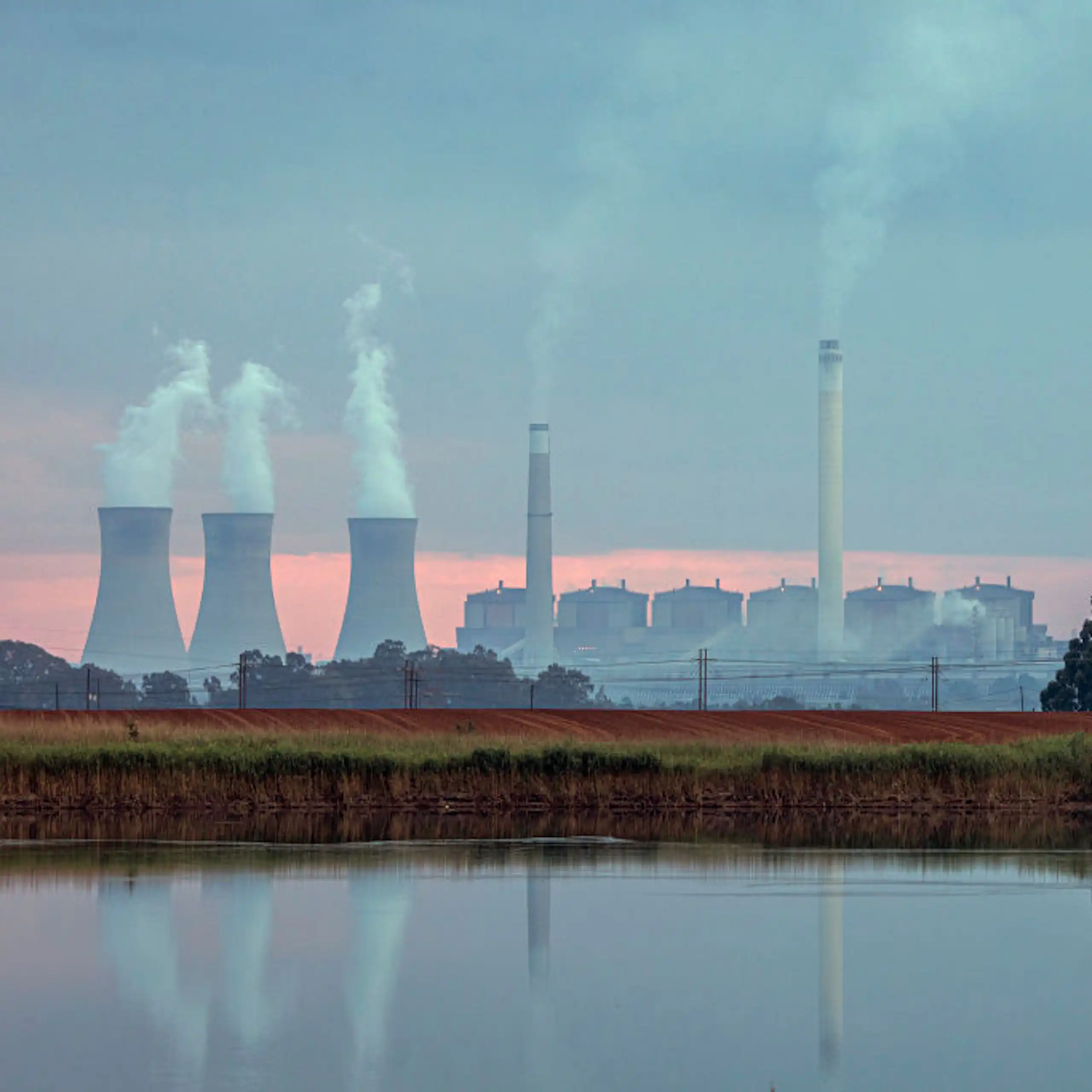
Our research measures the real cost of coal mines to people and planetSarah Bracking, King's College London and Danford Chibvongodze
Remittances can help African countries adapt to climate changeZack Ahmed, Balsillie School of International Affairs
We can finally measure the damage each new coal, gas or oil project will do to people and natureSarah Perkins-Kirkpatrick, Australian National University; Claudia Stepin, Australian National University; Gillian Moon, UNSW ; Maria Nawaz, UNSW , and Wesley Morgan, UNSW
Africa’s mineral strength is wasted if countries don’t work together – new reportGideon Ndubuisi, Delft University of Technology; Elvis Korku Avenyo, University of Johannesburg; Solomon Owusu, Boston University, and Woubet Kassa, American University
Climate change is fuelling African conflict – governments are developing a shared responseKatongo Seyuba, Stockholm International Peace Research Institute and Gracsious Maviza, CGIAR
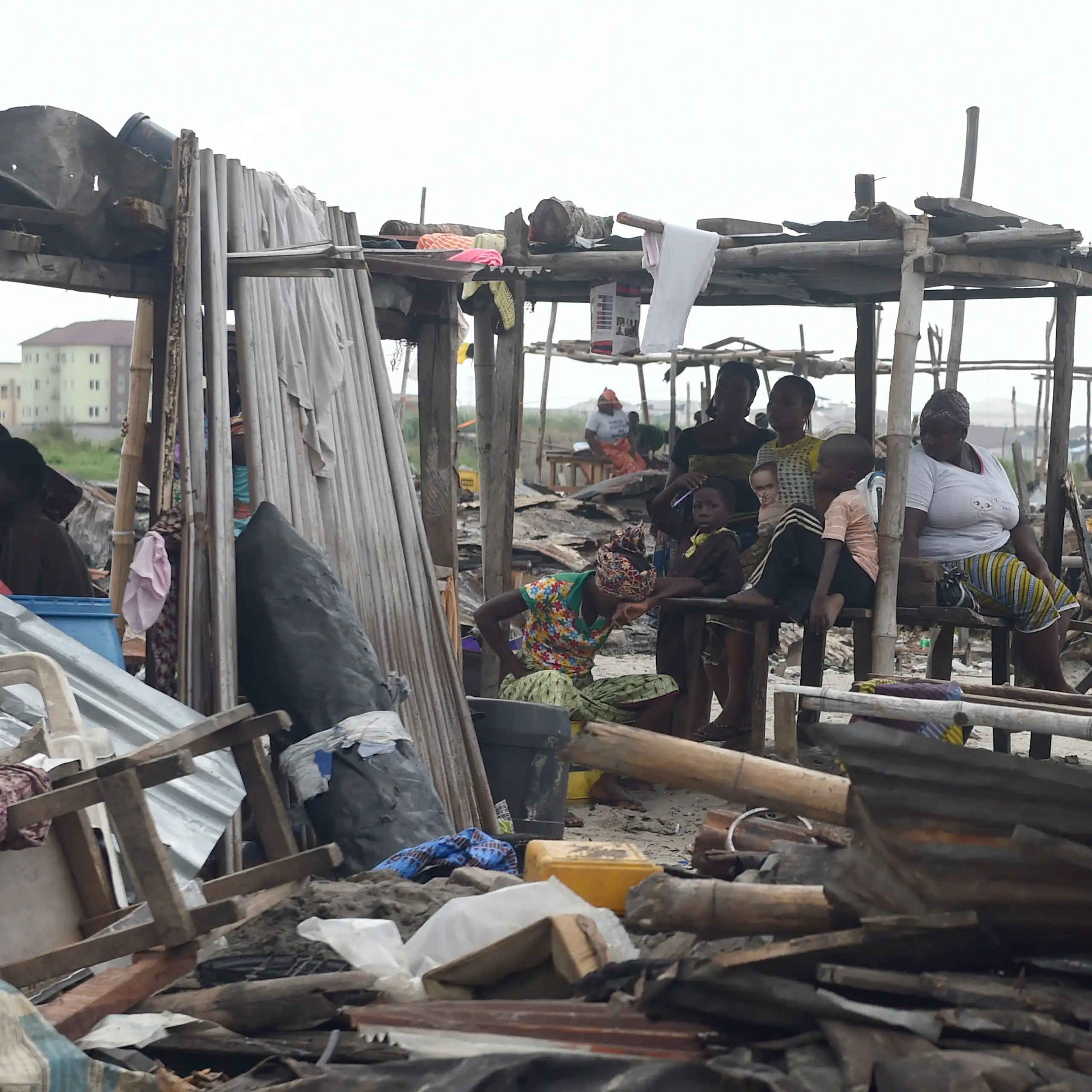
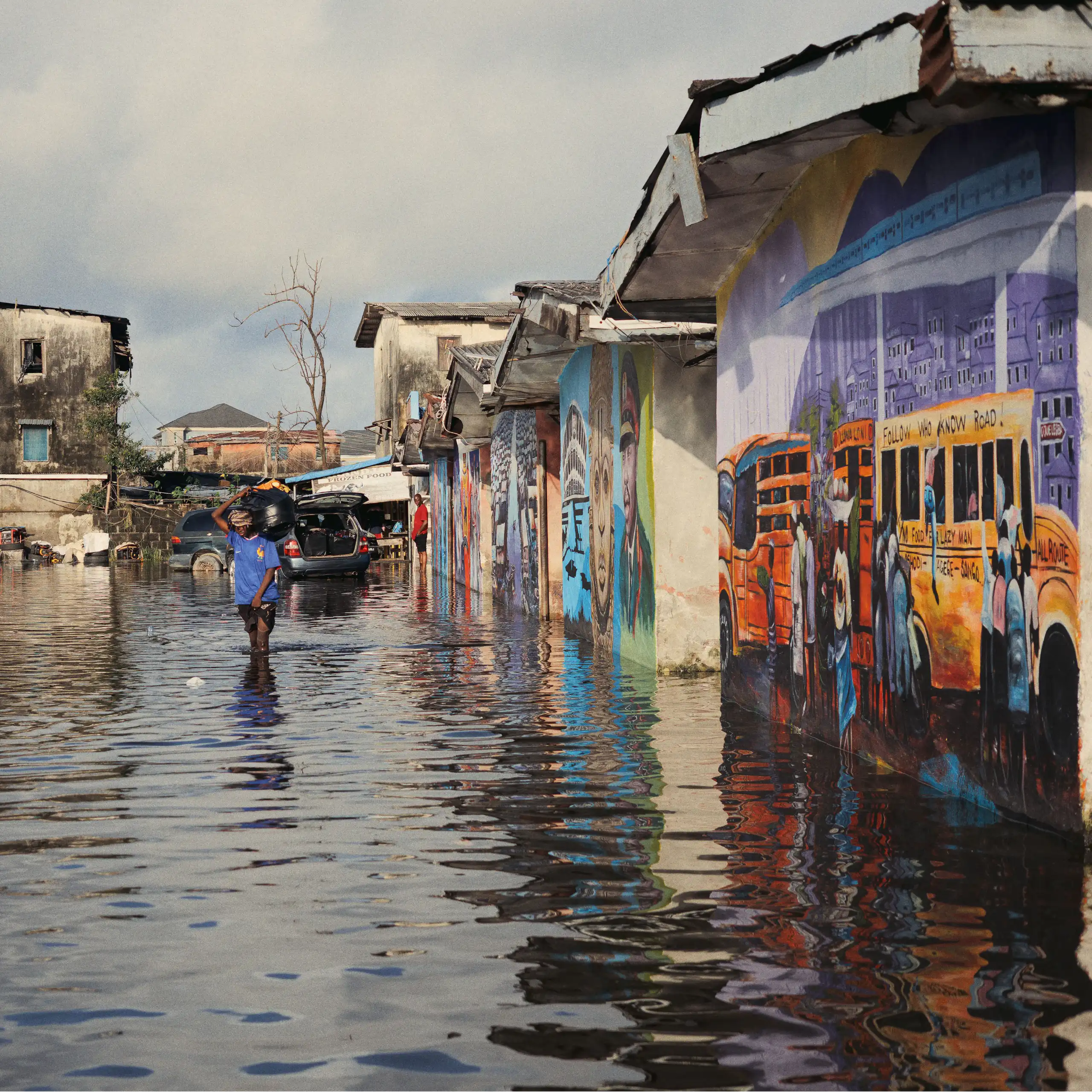
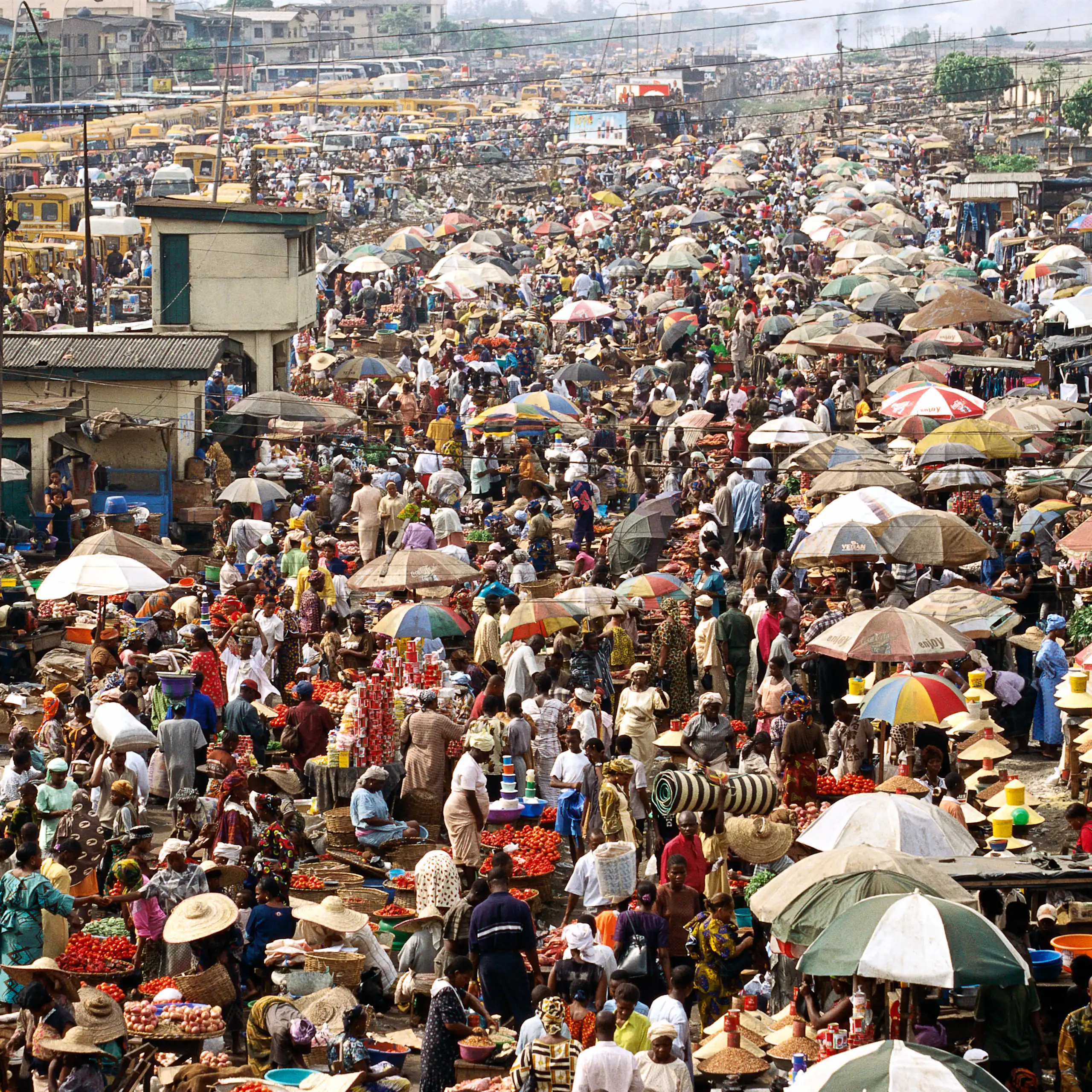
Demolishing Lagos informal settlements also destroys the city’s best defences against climate changeBrianna Castro, Yale University
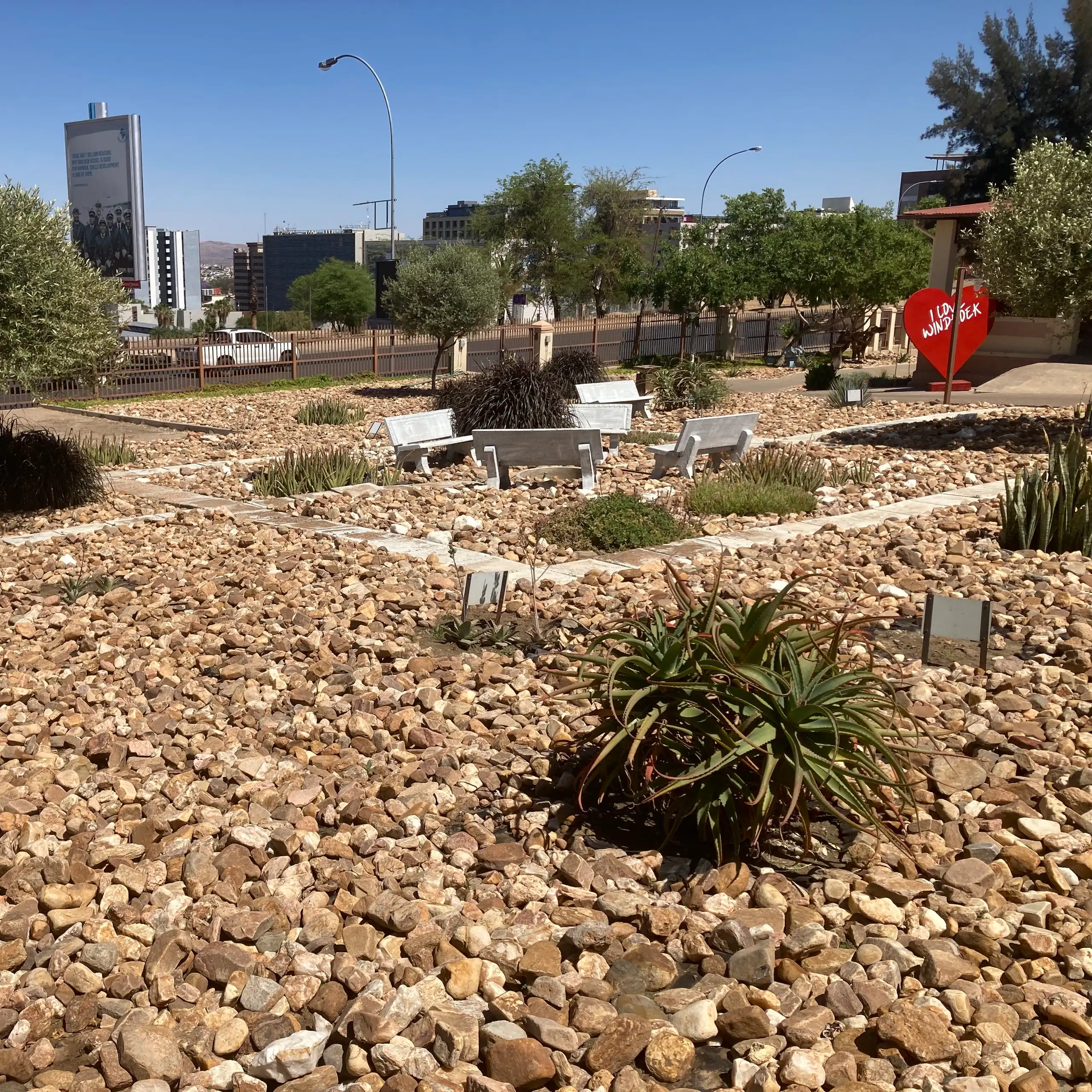
Brown is beautiful: what Namibia’s capital Windhoek can teach African cities as they get hotter and drierGaby Hansen, Namibia University of Science and Technology and Christina Breed, University of Pretoria
Africa’s climate services need local detail and knowledge, say people who use the informationPetra Holden, University of Cape Town; Cherié Janine Forbes, University of Cape Town; Gerald Ngoma, University of Cape Town, and Martine Visser, University of Cape Town
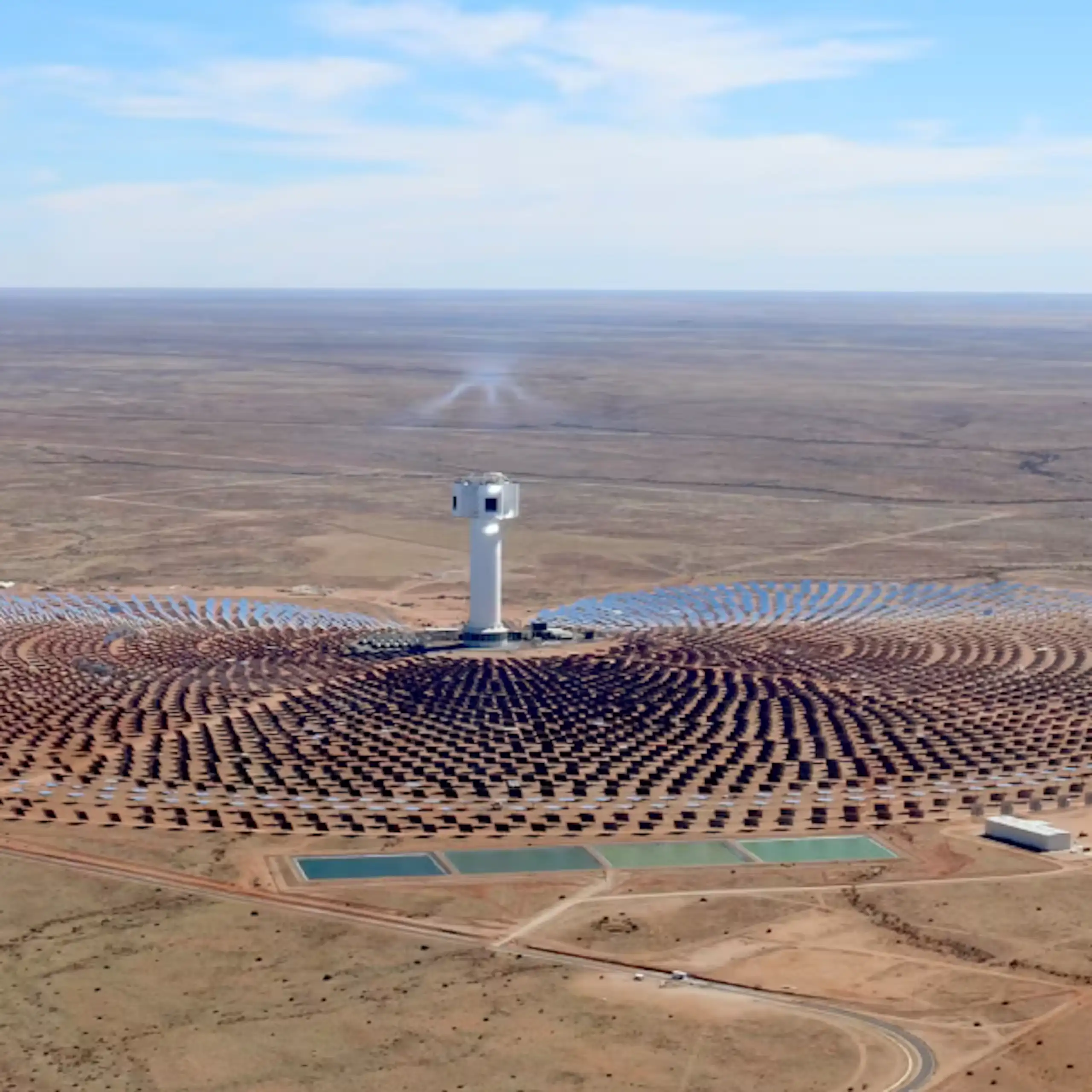
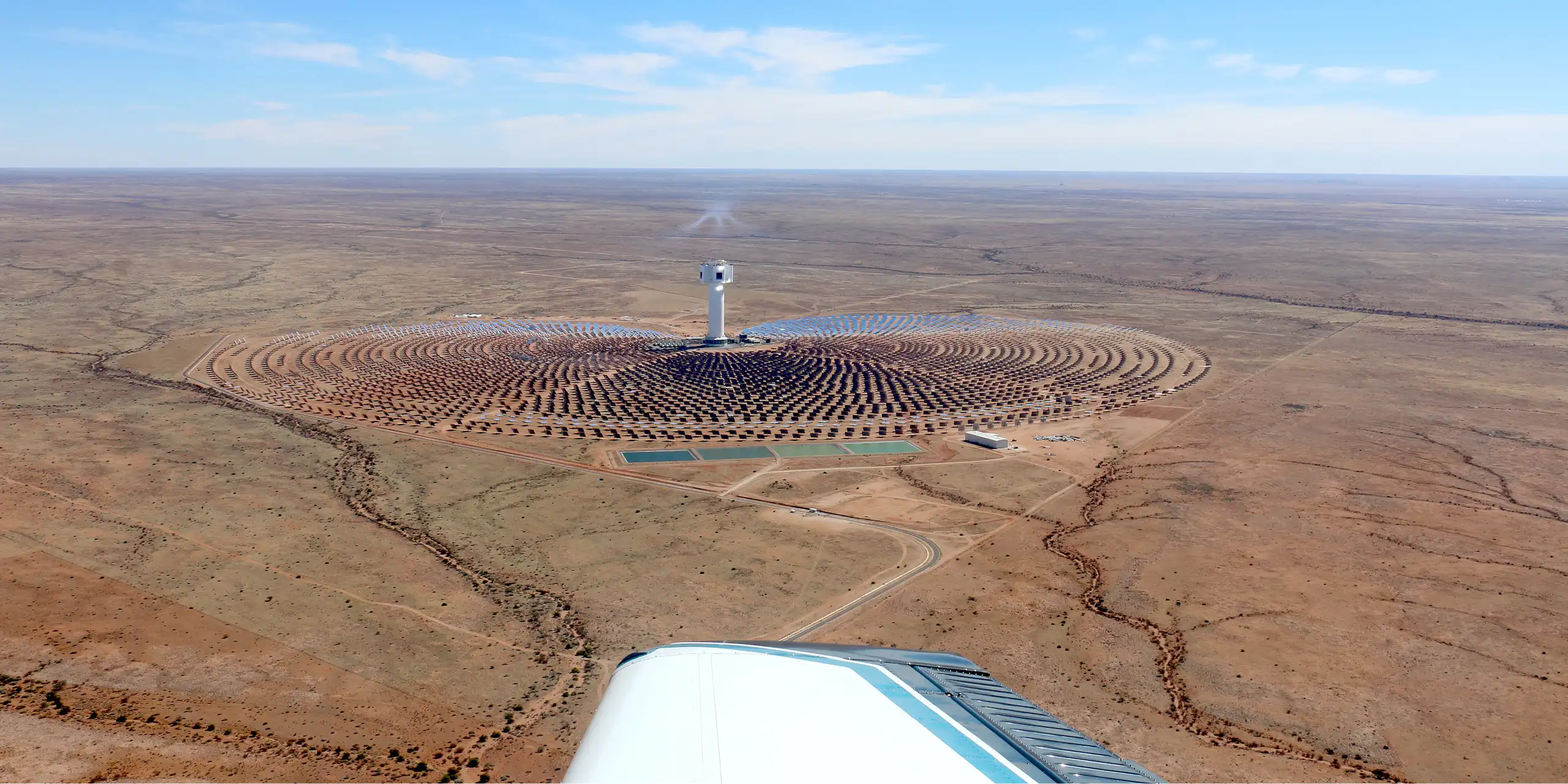
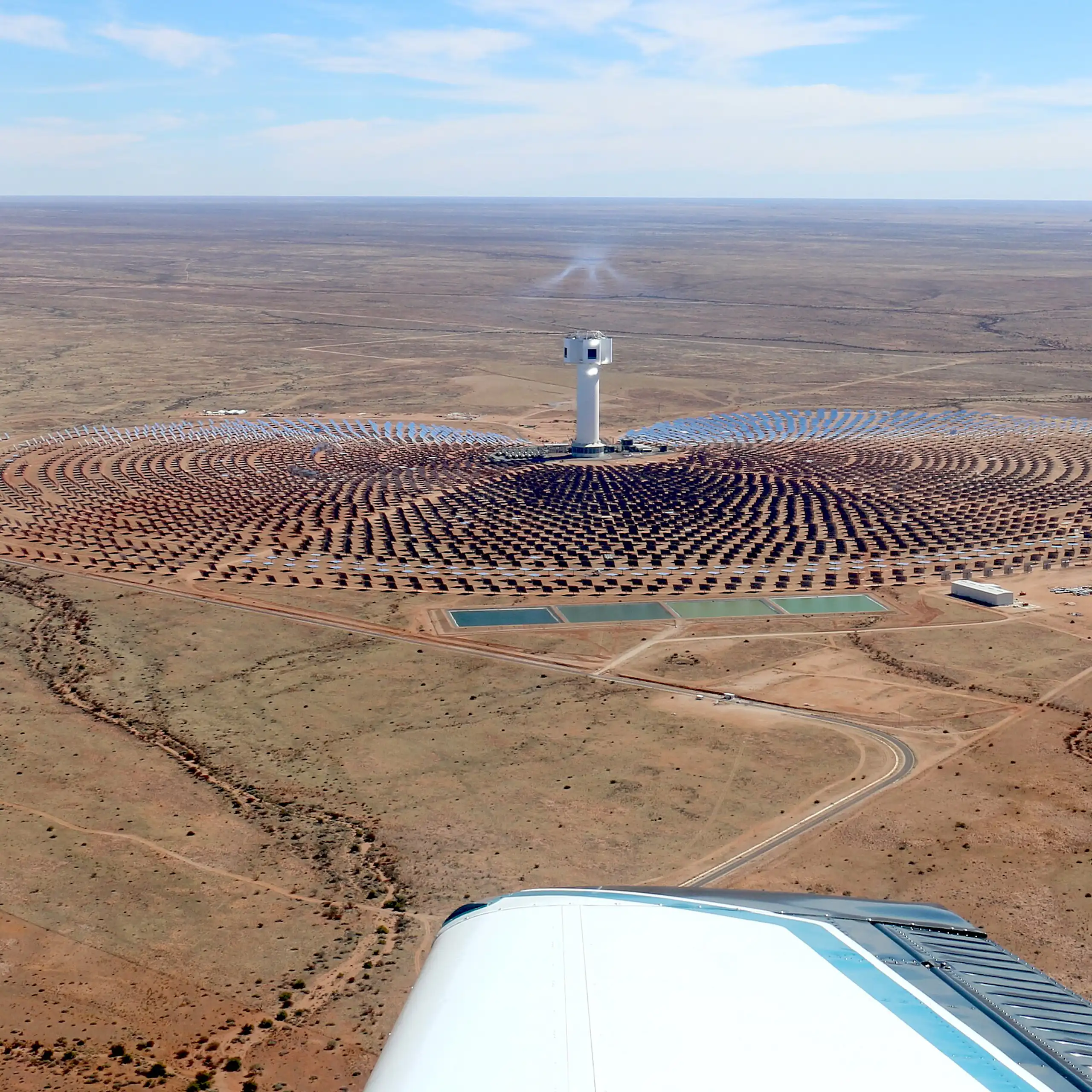
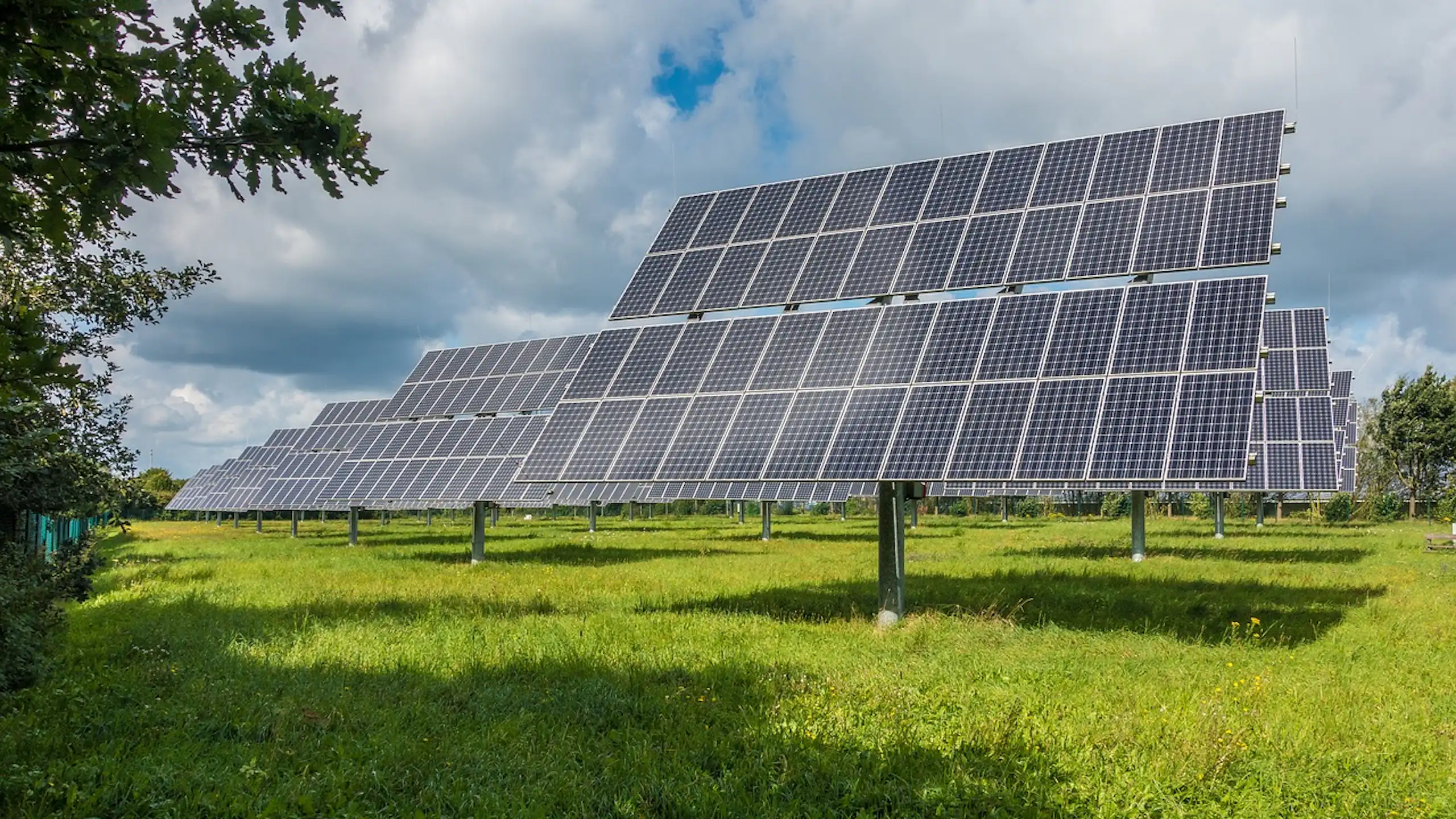
South Africa is overlooking solar technology that can keep generating electricity after sunsetCraig McGregor, Stellenbosch University
Lessons from South Africa on how parks and community gardens can help cities adapt to climate changeJan Hugo, University of Pretoria; Chrisna du Plessis, University of Pretoria, and Karina Landman, University of Pretoria
Climate shocks are hitting South Africa’s food businesses – study shows what they need to adaptAdrino Mazenda, University of Pretoria
Urban farming helps Johannesburg’s poorest households survive – now it needs bigger investmentBlessings Masuku, University of Pretoria and Colleta Gandidzanwa, University of Pretoria
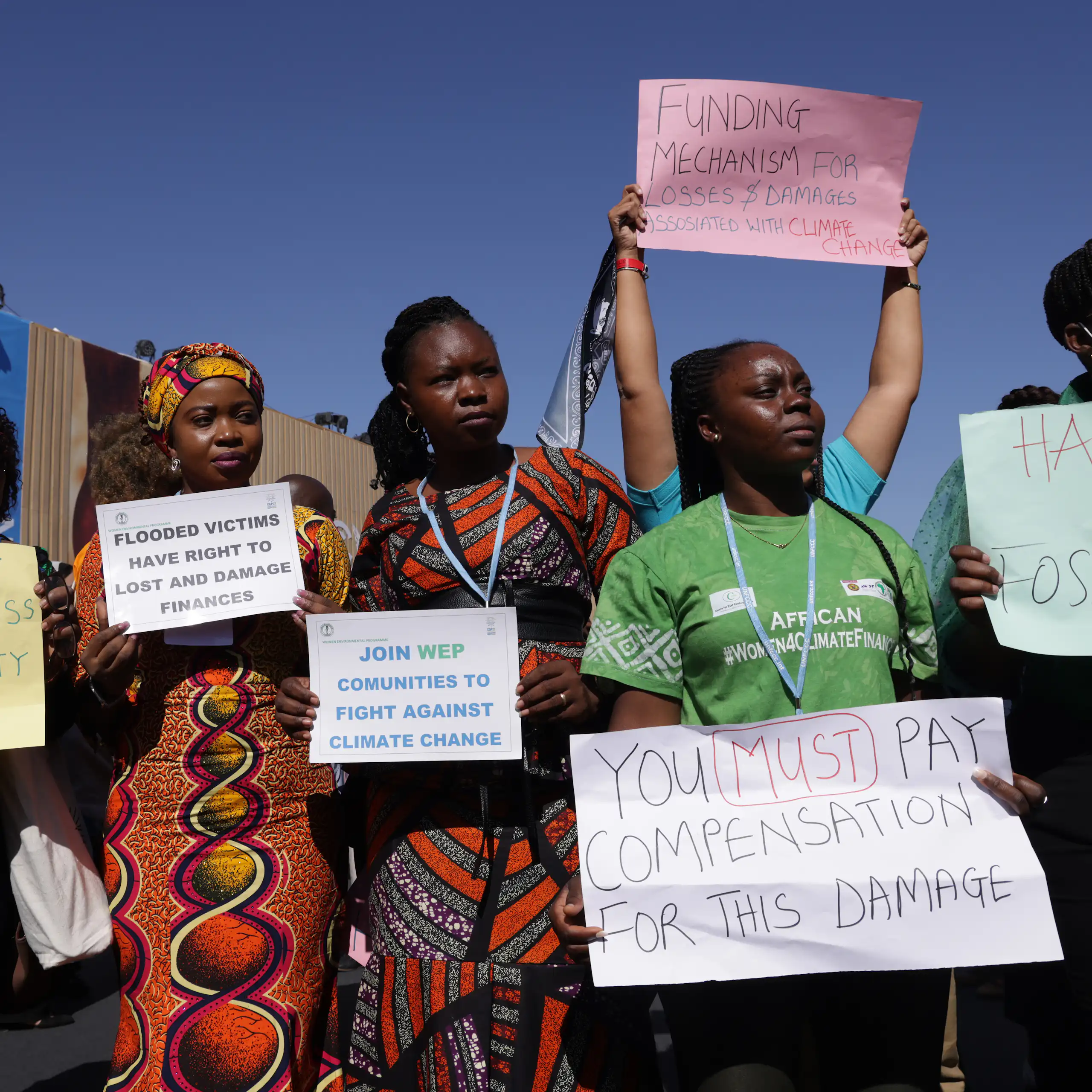
Africa gets only 23% of the climate finance it needs – and pays too much for itCarlos Lopes, University of Cape Town
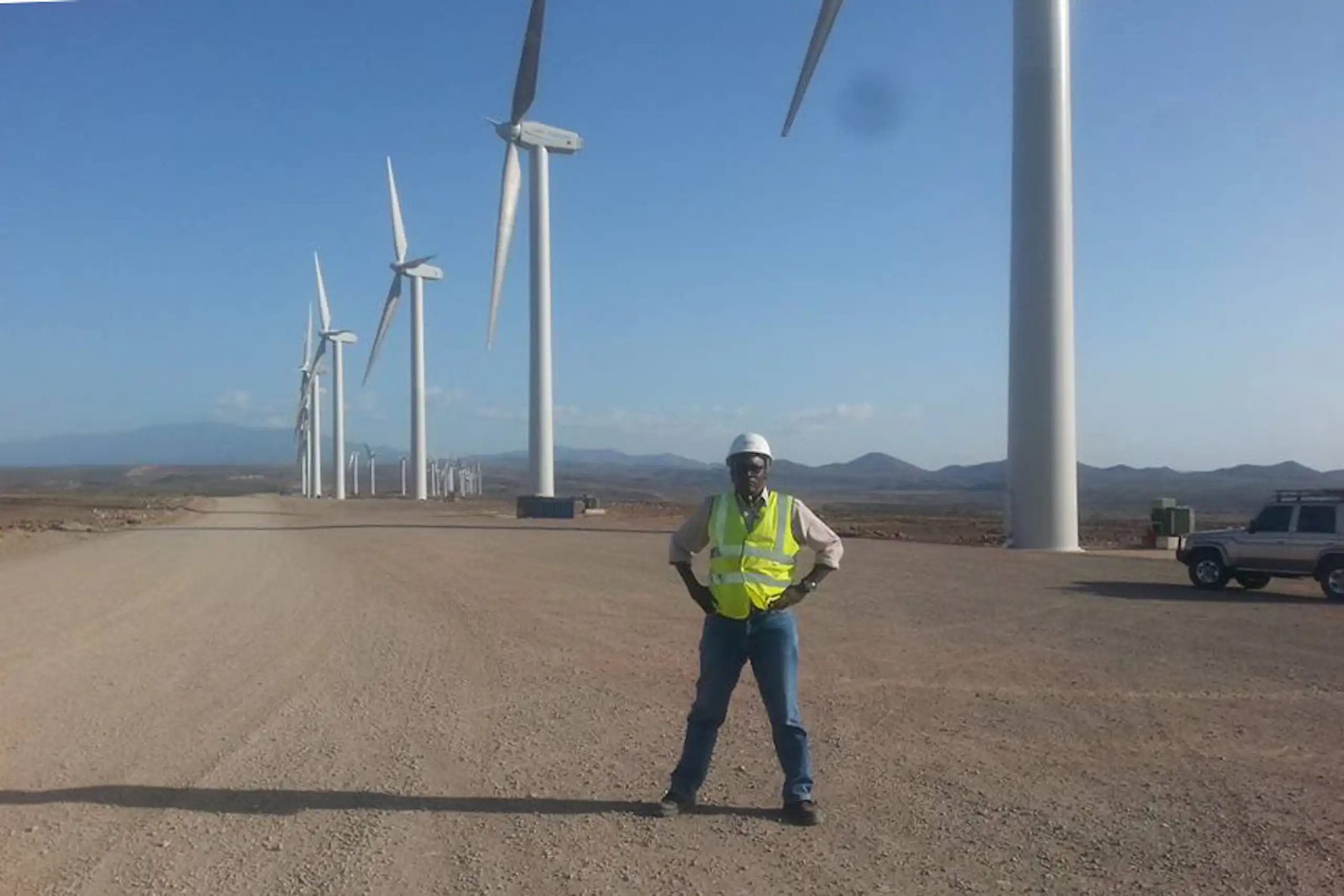
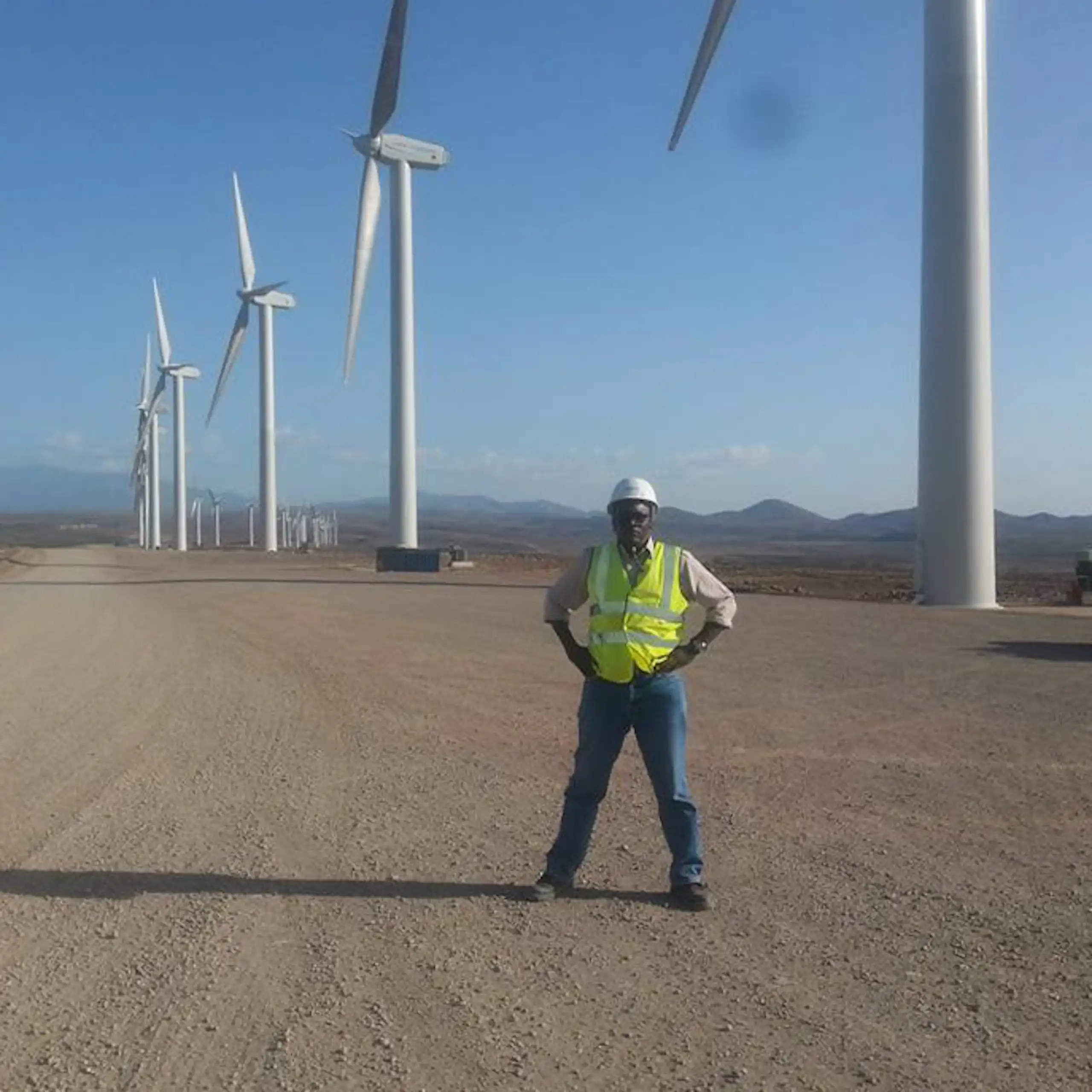
Wind and solar projects in Kenya and South Africa don’t always benefit the communities that host them – studyLars Buur, Roskilde University
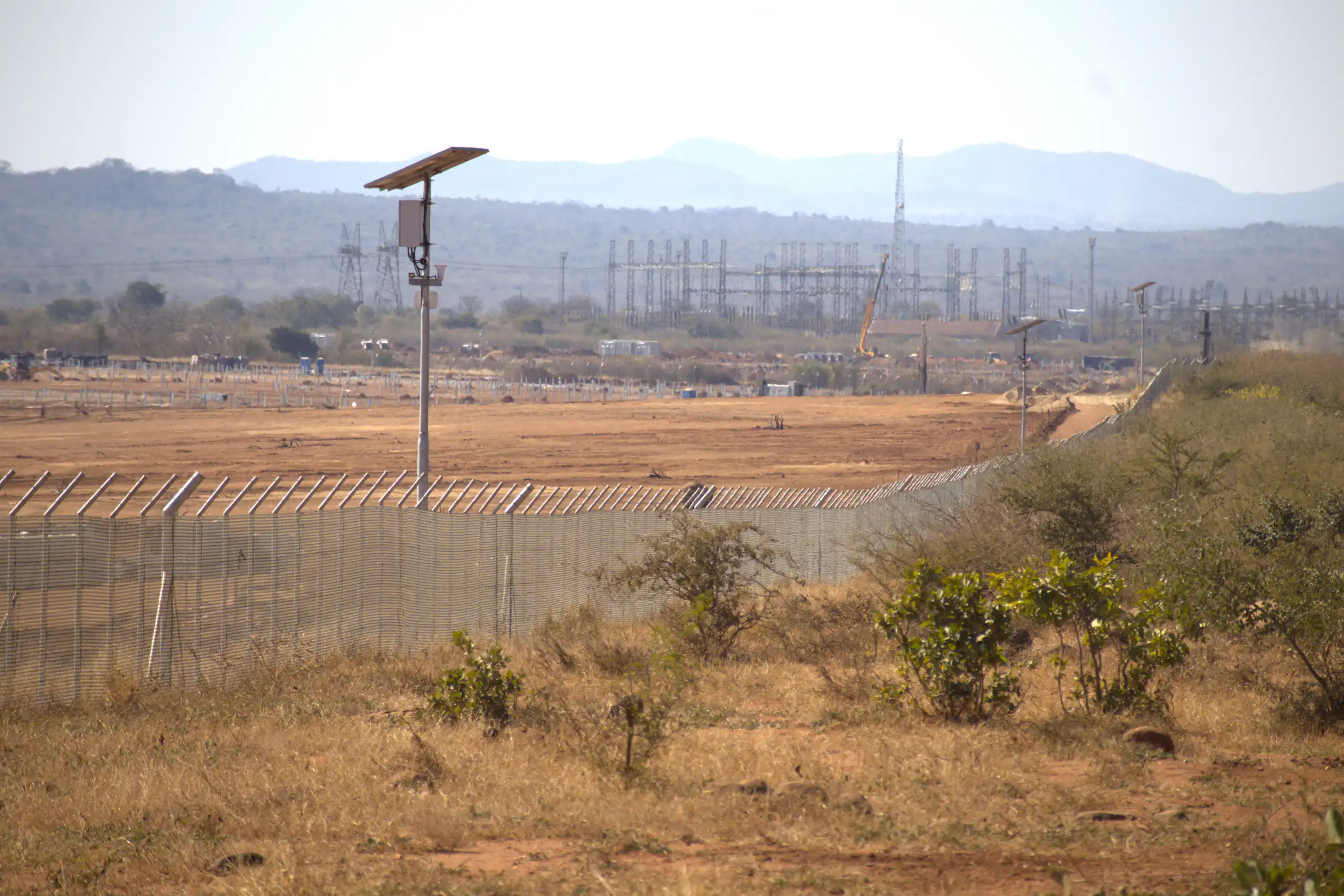
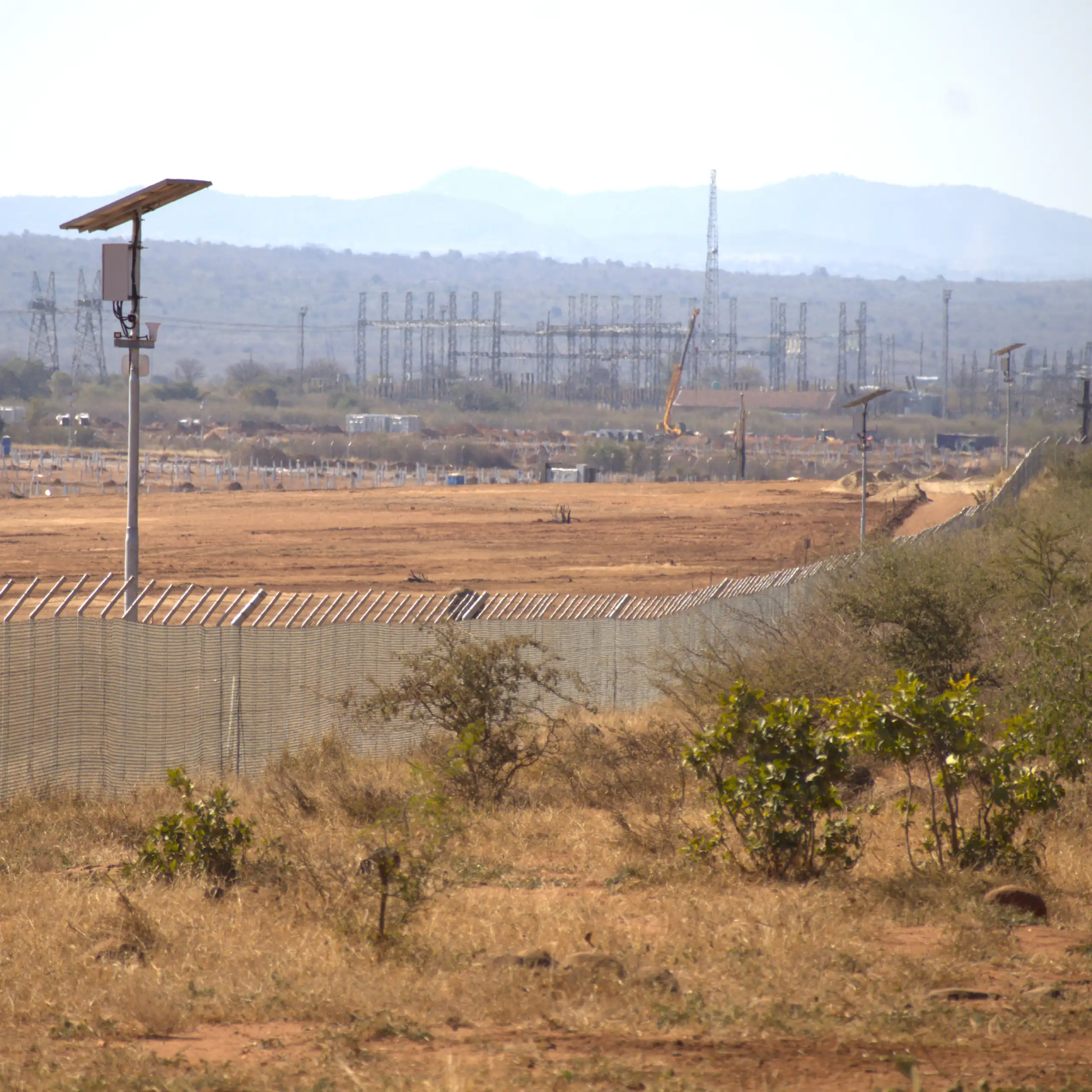
How can rural communities benefit from South Africa’s green energy transition? A solar farm in Limpopo offers cluesHelena Hastie, University of Exeter; Adedayo Adeleke, University of Pretoria; Damien Mansell, University of Exeter, and Simon Hull, University of Cape Town
South Africa’s move to renewable power is complex, but clearing 5 bottlenecks would speed it upRod Crompton, University of the Witwatersrand
The 20km ripple effect: how mines can trigger distant deforestation in AfricaOscar Morton, University of Sheffield and Chris Bousfield, University of Cambridge
Fossil fuels still dominate in Africa’s electricity future – study tracks 3,139 power plantsDavy Vanham, CGIAR
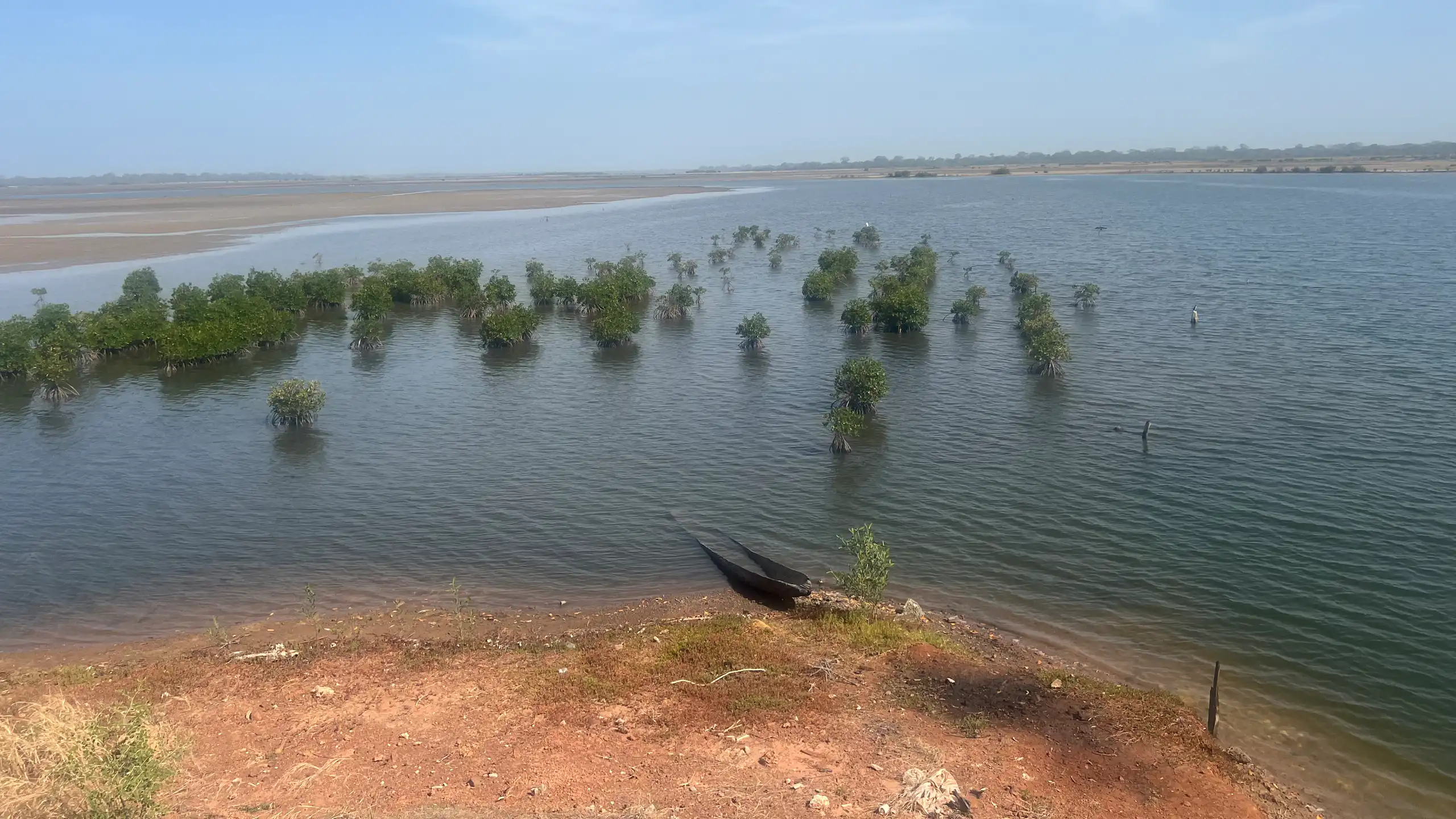
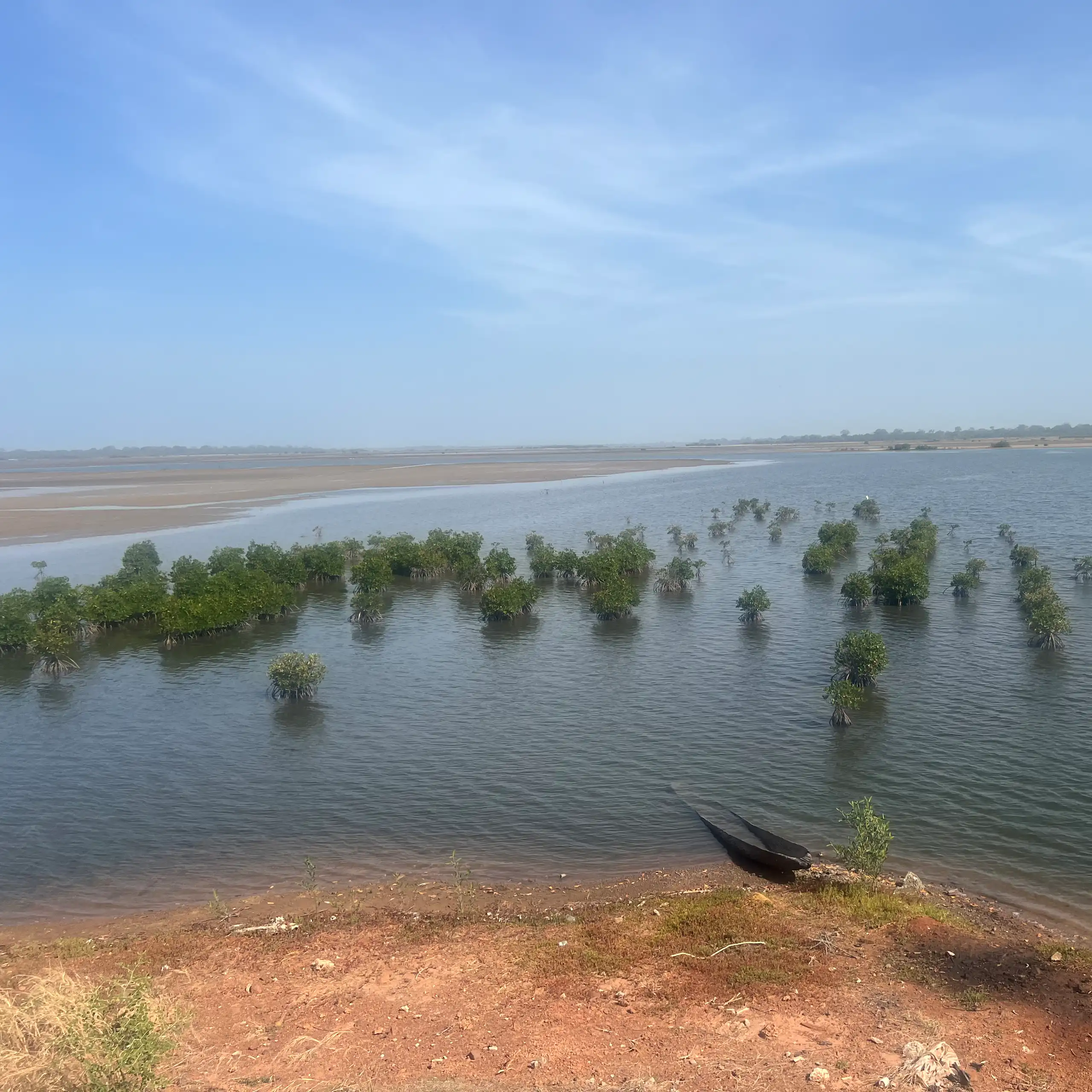
How did a major mangrove restoration project in Senegal end up selling ‘ghost carbon’?Julien Andrieu, Université Côte d’Azur
New report on climate ‘overshoot’: what it means for Africa and how faster action can limit the damageOluwafemi E. Adeyeri, Australian National University
A record-shattering El Niño is almost here. Here’s what that means for the world’s weatherMandy Freund, The University of Melbourne
How can governments tackle poverty when climate change, conflict and economic shocks hit all at once?Vidya Diwakar, Institute of Development Studies
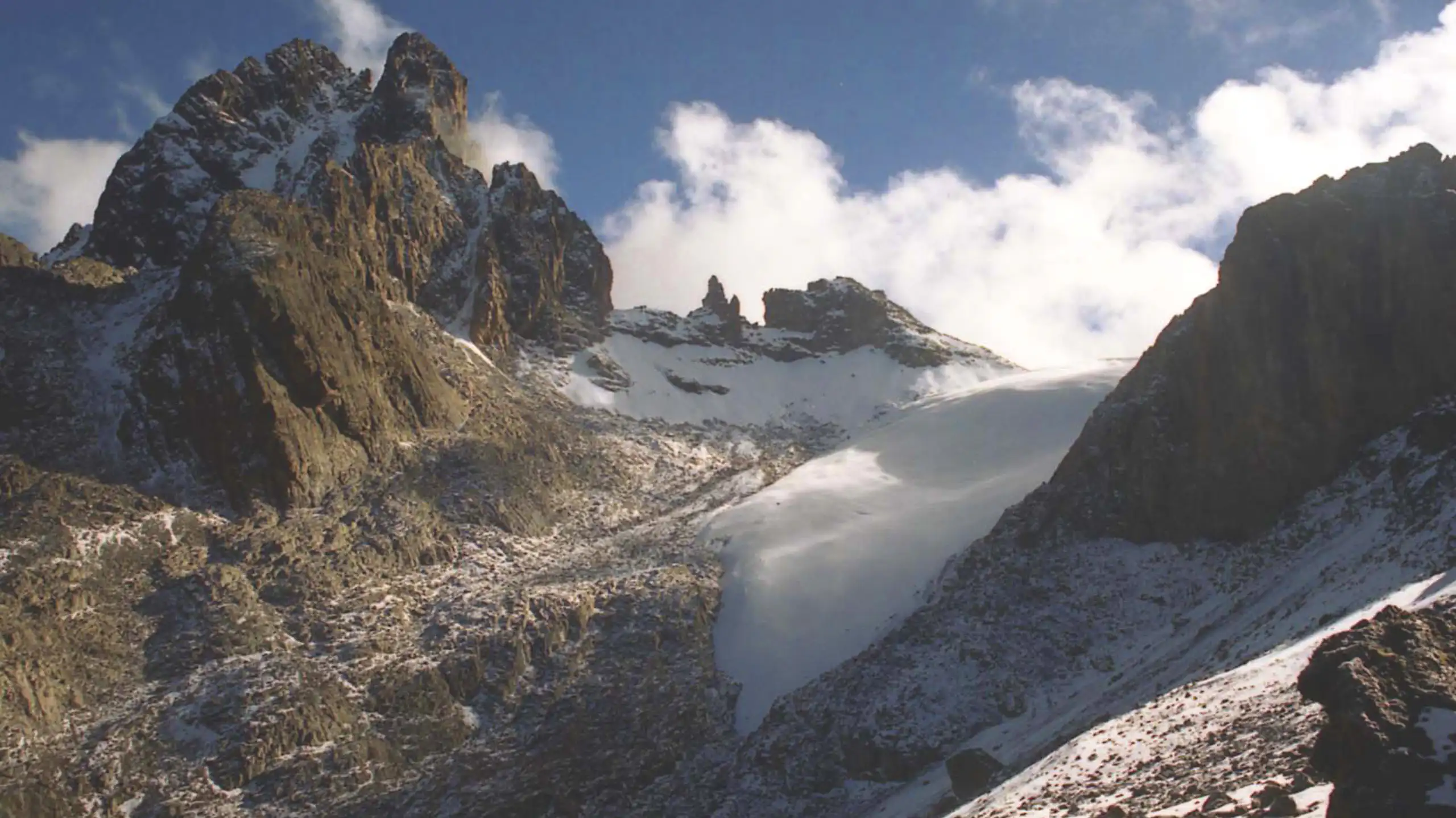
East Africa’s iconic snow peaks will soon disappear for good – what will be lost when they meltRainer Prinz, University of Innsbruck
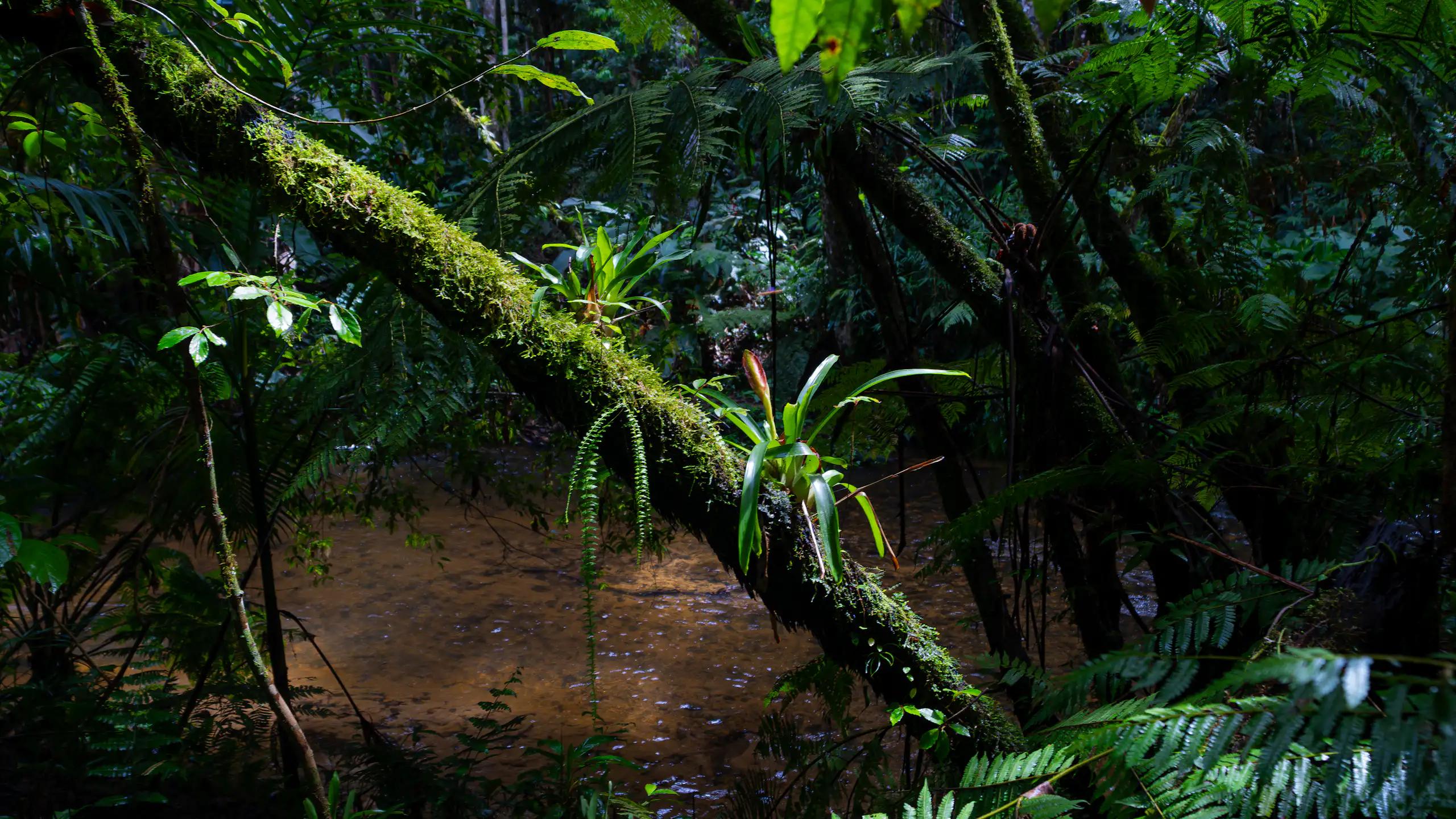
Impact of climate change may be equivalent to 3.3 million years of transformations in tropical vegetationUbirajara Oliveira, Universidade Federal de Minas Gerais (UFMG)
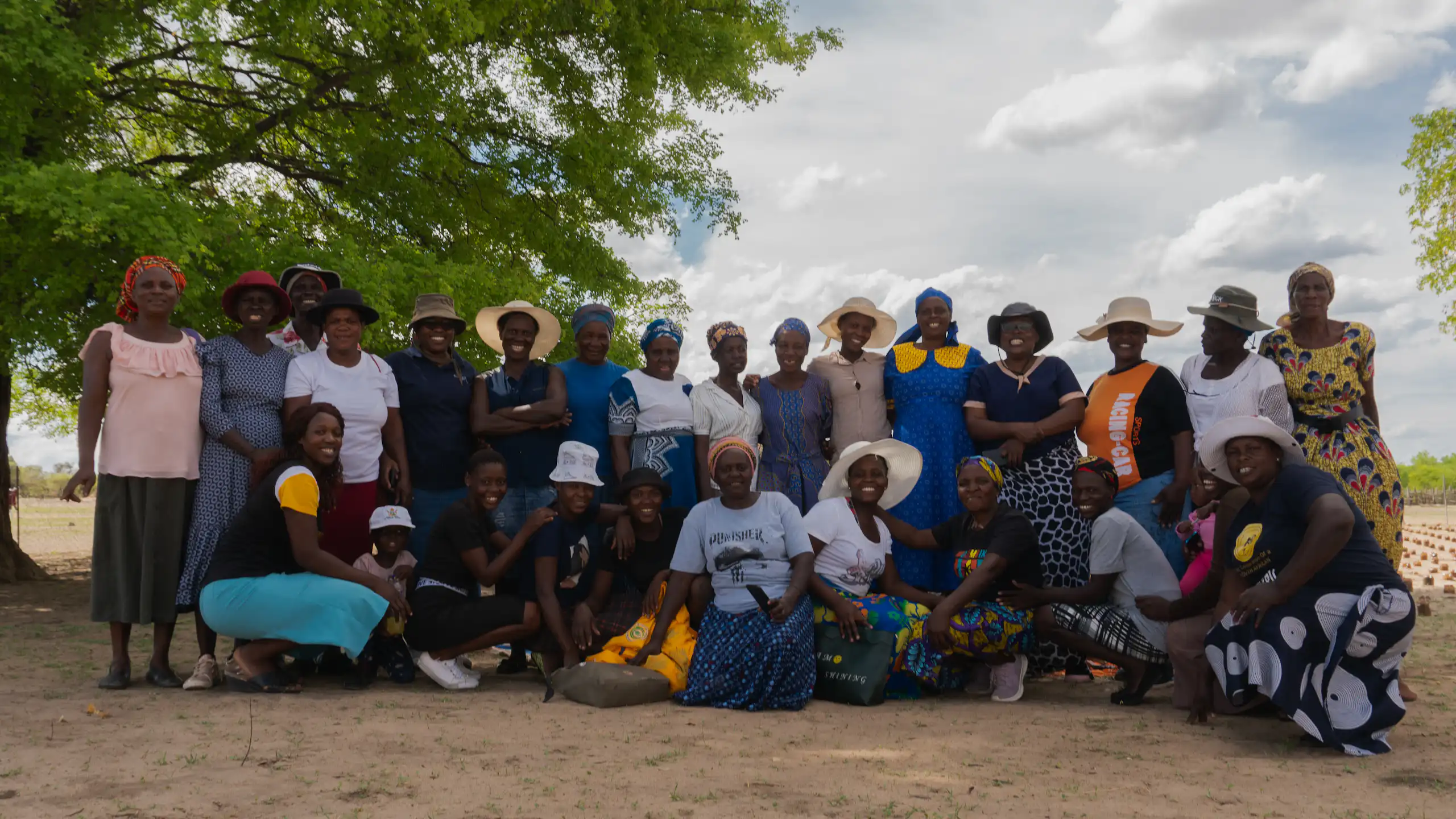
Floods forced Zimbabwean women to leave their homes. They rebuilt their lives but here’s what they still needGracsious Maviza, CGIAR and Joyce Takaindisa, CGIAR
A Super El Niño is coming: 5 hard-won lessons the world can learn from AfricaTafadzwanashe Mabhaudhi, London School of Hygiene & Tropical Medicine and Mendy Ndlovu, University of KwaZulu-Natal
Language matters for disaster warnings – this community didn’t get useful flood alertsMosekama Osia Mokhele, Nelson Mandela University and Andiswa Mvanyashe, Nelson Mandela University
Informal workers in Lagos are left to cope with devastating floods alone: why things must changeGbenga Akinlolu Shadare, Buckinghamshire New University
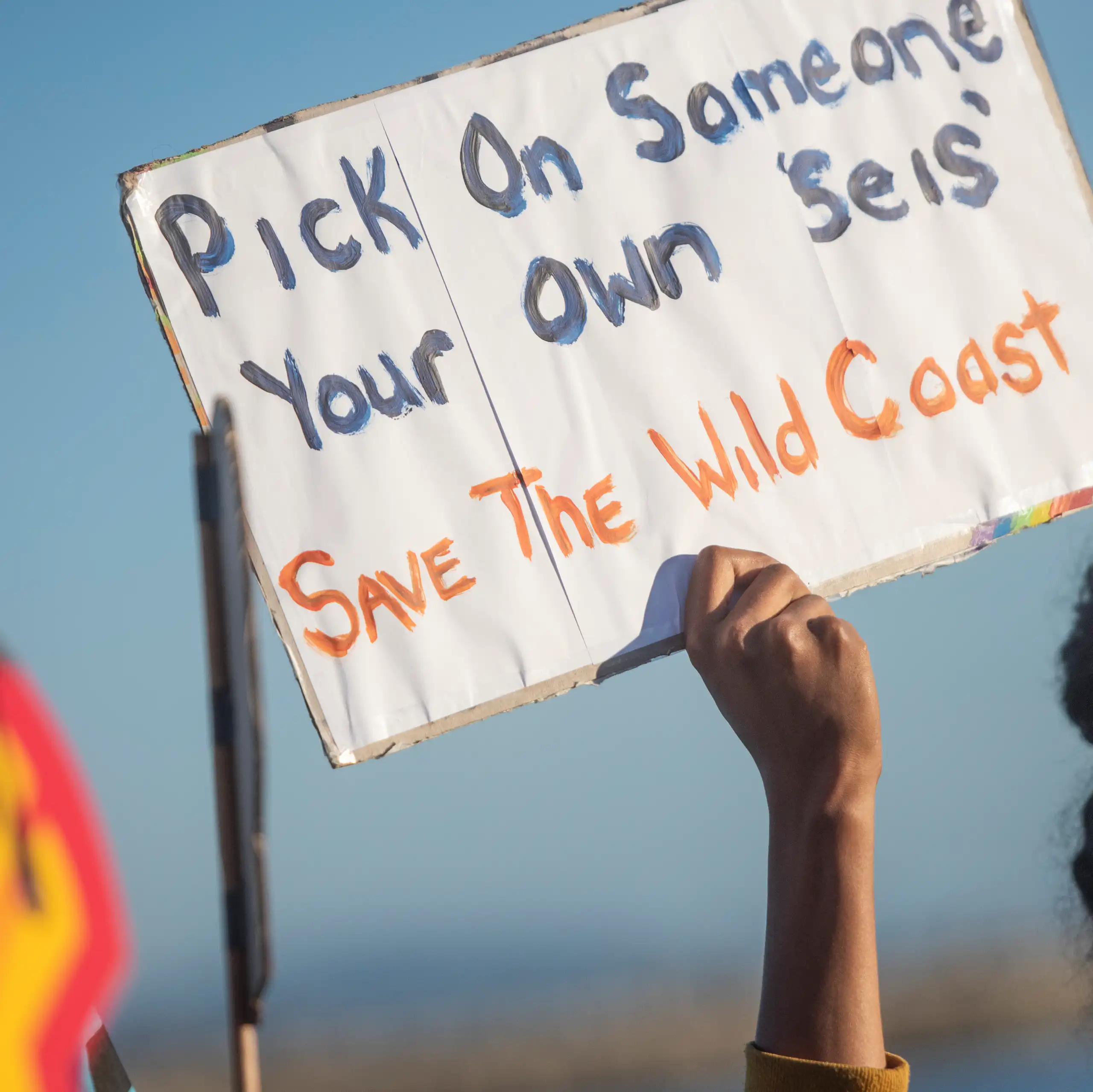
South Africa’s top court blocked Shell’s Wild Coast oil search: why it matters for climate justiceAngela van der Berg, University of the Western Cape
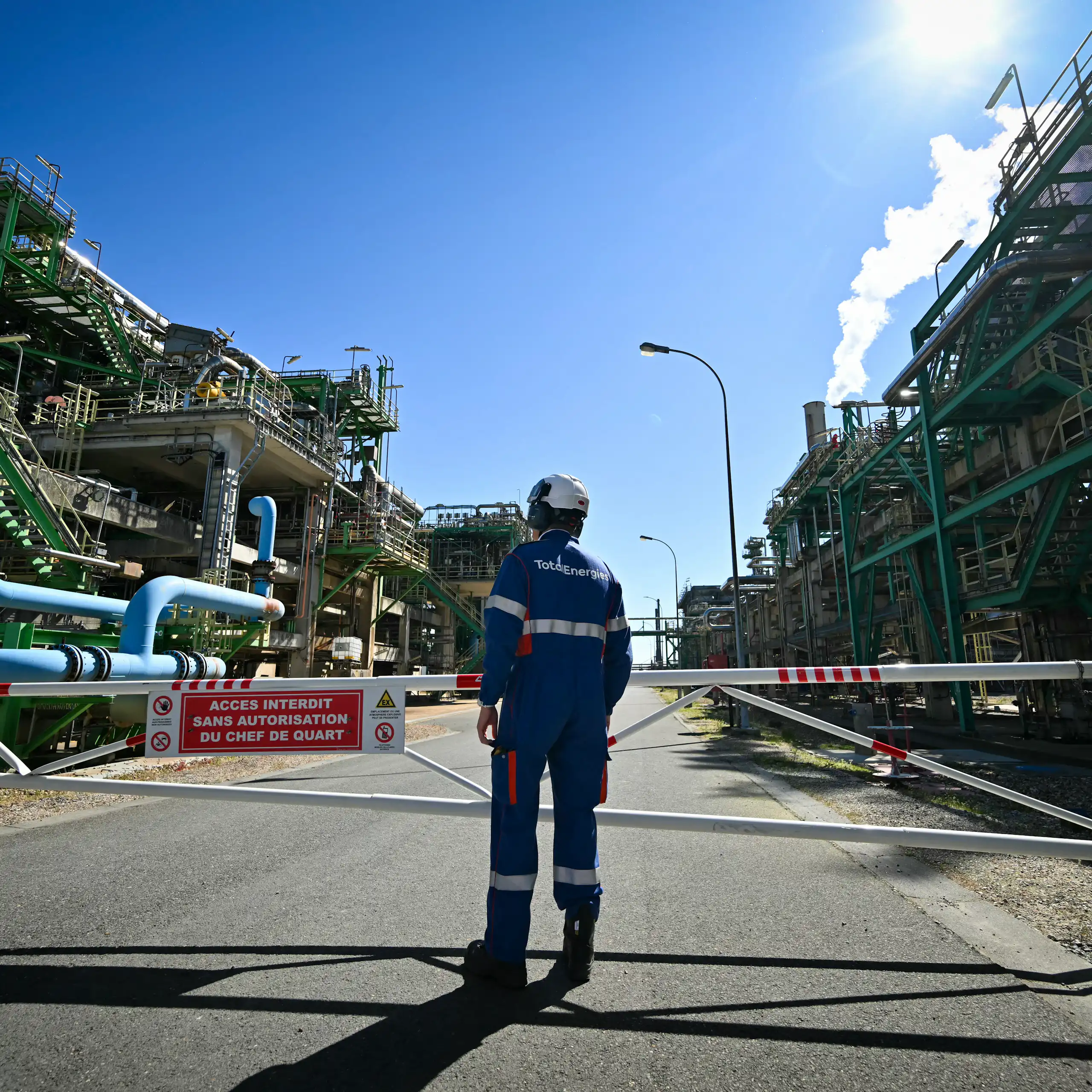
French climate lawsuit offers a window into the next round of the global legal fightAminta Ossom, Harvard University; Harvard Kennedy School
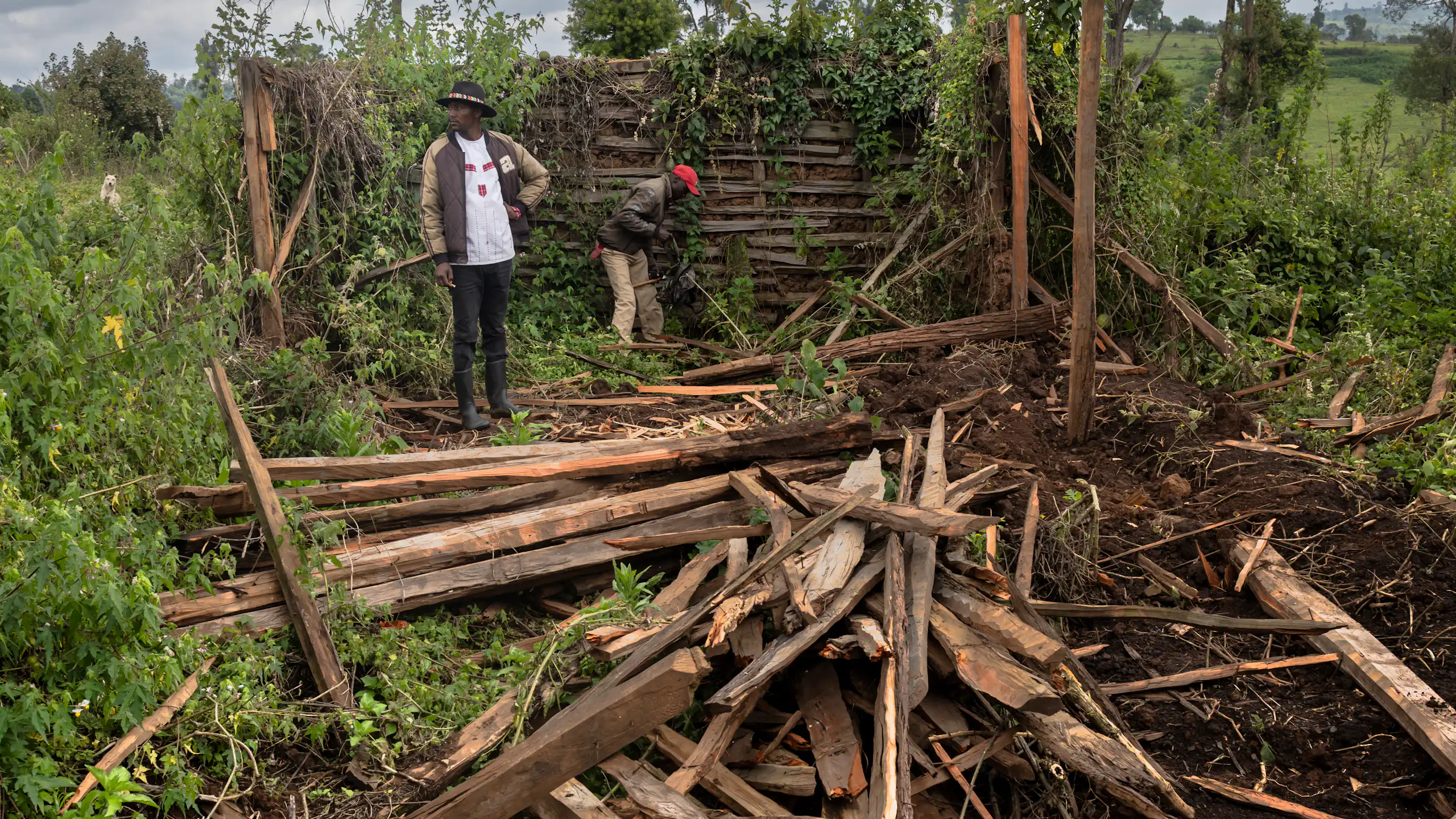
Efforts to combat climate change often exclude Indigenous people – and they may not have any recourseBuket Altınçelep, UMass Boston
Africa’s climate crisis is a legal crisis too: what are states’ duties under human rights law?Zunaida Moosa Wadiwala, University of the Witwatersrand and Tracy-Lynn Field, University of the Witwatersrand
South African court orders Eskom to disclose R70 billion coal and diesel contracts – why the ruling mattersFelix Dube, University of Venda