When tax officials visit: why softer tax outreach can build trust in some places and erode it in othersChristopher Hoy, The University of Melbourne and Revocatus Paul, University of Cape Town
South Africa is going digital on VAT: what it can learn from the rest of AfricaAmina Ebrahim, United Nations University; Ada Jansen, Stellenbosch University; Adrienne Lees, Institute of Development Studies, and Maria Jouste, United Nations University
Radical economic policies in Argentina offer lessons – but not a blueprint – for South AfricaLyal White, University of Pretoria
The global panel on inequality needs African evidence: here’s how it could workMurray Leibbrandt, University of Cape Town and Anda David, Agence Française de Développement (AFD)
The global panel on inequality needs African evidence: here’s how it could workMurray Leibbrandt, University of Cape Town and Anda David, Agence Française de Développement (AFD)
Johannesburg and Medellín: what South Africa can learn from Colombia about fixing a broken cityIvor Chipkin, University of Pretoria
More land, better life? South African farming study asks if that’s the road to rural developmentNeo Mathinya, University of the Free State and Linus Franke, University of the Free State
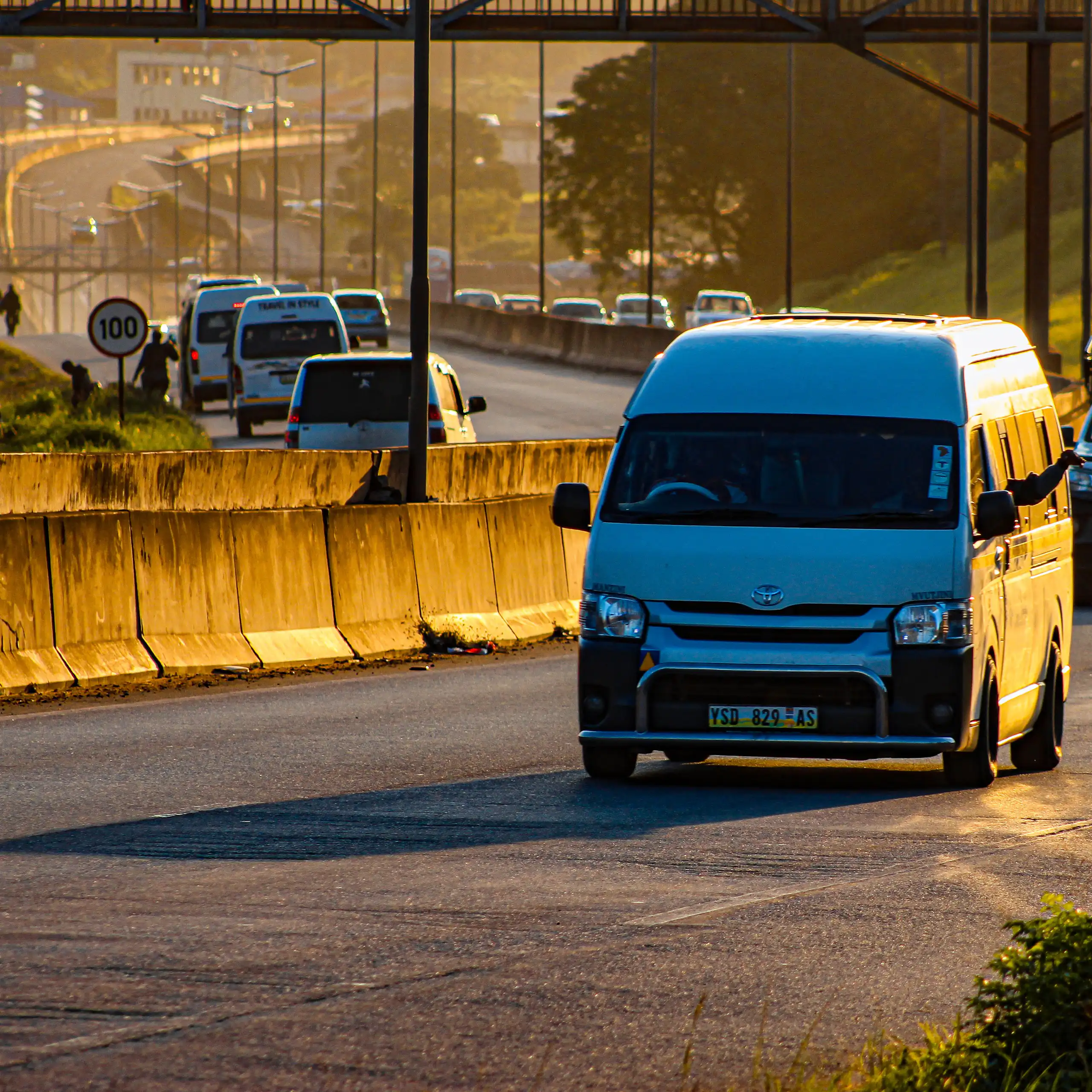
South Africa’s minibus taxi industry has lessons for policymakers on how informal systems workSiyabulela Christopher Fobosi, University of Fort Hare
AI has arrived in South Africa’s boardrooms – but company law hasn’t caught upRehana Cassim, University of South Africa
Africa’s air travel is reliant on distant hubs: why it’s time to fix thisArthur Shirichena, University of Manchester
Partnerships between government, business and civil society are often tense: 3 tips on how to manage themRalph Hamann, University of Cape Town; Amelia Clarke, University of Waterloo; Domenico Dentoni, Montpellier Business School; Frank de Bakker, IÉSEG School of Management, and Martina Linnenluecke, University of Technology Sydney
Nonprofits spend too much time reporting to funders: a single universal template could helpWayne van Zijl, University of the Witwatersrand
Global justice report offers bold ideas but misses the realities of 2 billion informal workers – economistsLaura Alfers, Rhodes University; Imraan Valodia, University of the Witwatersrand; Martha Alter Chen, Harvard Kennedy School, and Mike Rogan, Rhodes University
Old people in Namibia are going into debt to pay for everyday costs – new report examines strained household budgetsElena Moore, University of Cape Town and Janet Ananias, University of Namibia
Rwanda’s national pension fund has helped power the economy, but it faces new challengesPritish Behuria, University of Manchester
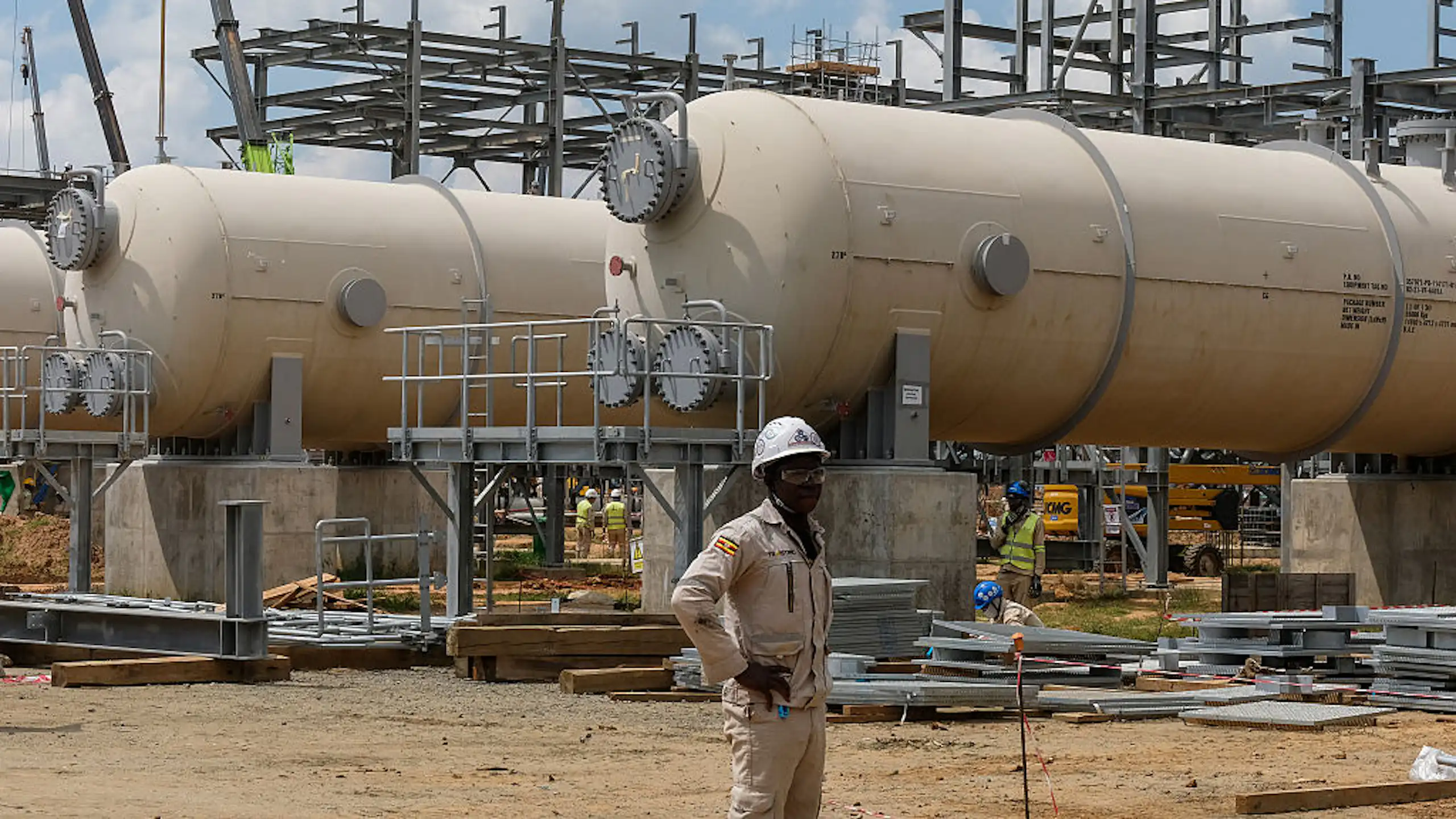
Refinery rivalry: billion-dollar oil projects expose east Africa’s long-running regional tensionsBrendon J. Cannon, Khalifa University
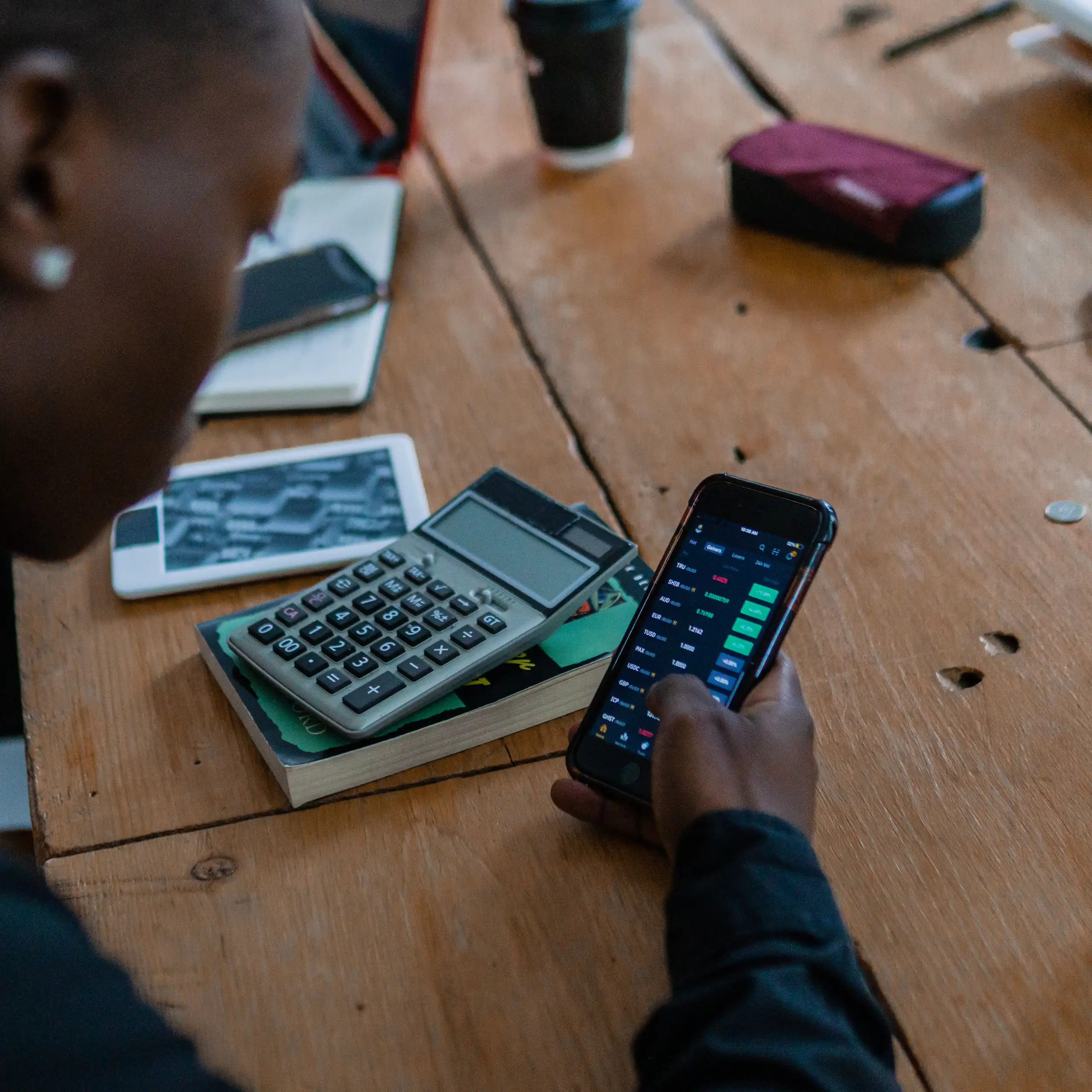
We asked ChatGPT, Claude and Perplexity for financial advice: what we got was practical, but with big blind spotsBomikazi Zeka, University of Canberra and Raechel Johns, University of Canberra
DR Congo’s riverboat economy – how a floating transport system tells the country’s storyPeter Lambertz, Université Libre de Bruxelles (ULB)
South Africa’s small sugar farms are producing less than they could: study finds ways to boost themLawrence Nkosikhona Malinga, South African Sugarcane Research Institute; University of KwaZulu-Natal
How can governments tackle poverty when climate change, conflict and economic shocks hit all at once?Vidya Diwakar, Institute of Development Studies
Nigeria’s new digital economy rules leave gaps in crypto regulation – financial law expert explainsIwa Salami, University of East London
How oil turned the motors of capitalism: a historyImraan Valodia, University of the Witwatersrand and Adam Hanieh, SOAS, University of London; Independent Social Research Foundation
Global supply chains keep workers poor: three case studies show how the cycle can be brokenAnnika Surmeier, University of Cape Town; Ines Meyer, University of Cape Town, and Molefe Maleka, Tshwane University of Technology
The IMF enjoys preferred creditor status: why it shouldn’t be the judge when it comes to other lendersMisheck Mutize, University of Cape Town
The world has changed. African countries must rethink how they grow their economiesJonathan Munemo, Salisbury University
Flawed credit ratings in Africa: are top 3 western agencies driven by data or bias?Misheck Mutize, University of Cape Town
Did Kenya’s Gen Z protests achieve anything? An economist weighs up what’s changed and what’s stayed the sameXN Iraki, University of Nairobi
South Africa’s jobs crisis: what 10 years of tax data tells usJustin Visagie, University of the Witwatersrand
Tax data can be mined to shape better policies. South Africa, Uganda and Zambia show howAmina Ebrahim, United Nations University and Patricia Justino, United Nations University
Johannesburg has taken a big new loan to help fix its electricity problems, but the results will take timeGlen Robbins, University of the Witwatersrand
Senegal’s crisis: why debt restructuring may be the least bad optionAbdoulaye Ndiaye, New York University
African debt and climate change: how the ICJ’s Vanuatu ruling could be used for broader justiceDanny Bradlow, University of Pretoria
Africa’s debt crisis needs a bold new approach: expert outlines a way forwardDanny Bradlow, University of Pretoria
Ghana’s housing problem goes beyond numbers – it’s also about qualityBismark Aha, Nottingham Trent University; Abubakar Sadiq Abass, Middle East Technical University; Philip Kofi Alimo, ENTPE, and Richmond Juvenile Ehwi, Oxford Brookes University
Iran war is exposing South Africa’s dependency on diesel: what went wrongLisette IJssel de Schepper, Stellenbosch University
High food prices in east and southern Africa: four steps to boost production and make markets work betterGrace Nsomba, University of Johannesburg and Simon Roberts, University of Johannesburg
US-Africa trade deal turns 25 next year: Agoa’s winners, losers and what should come nextBedassa Tadesse, University of Minnesota Duluth
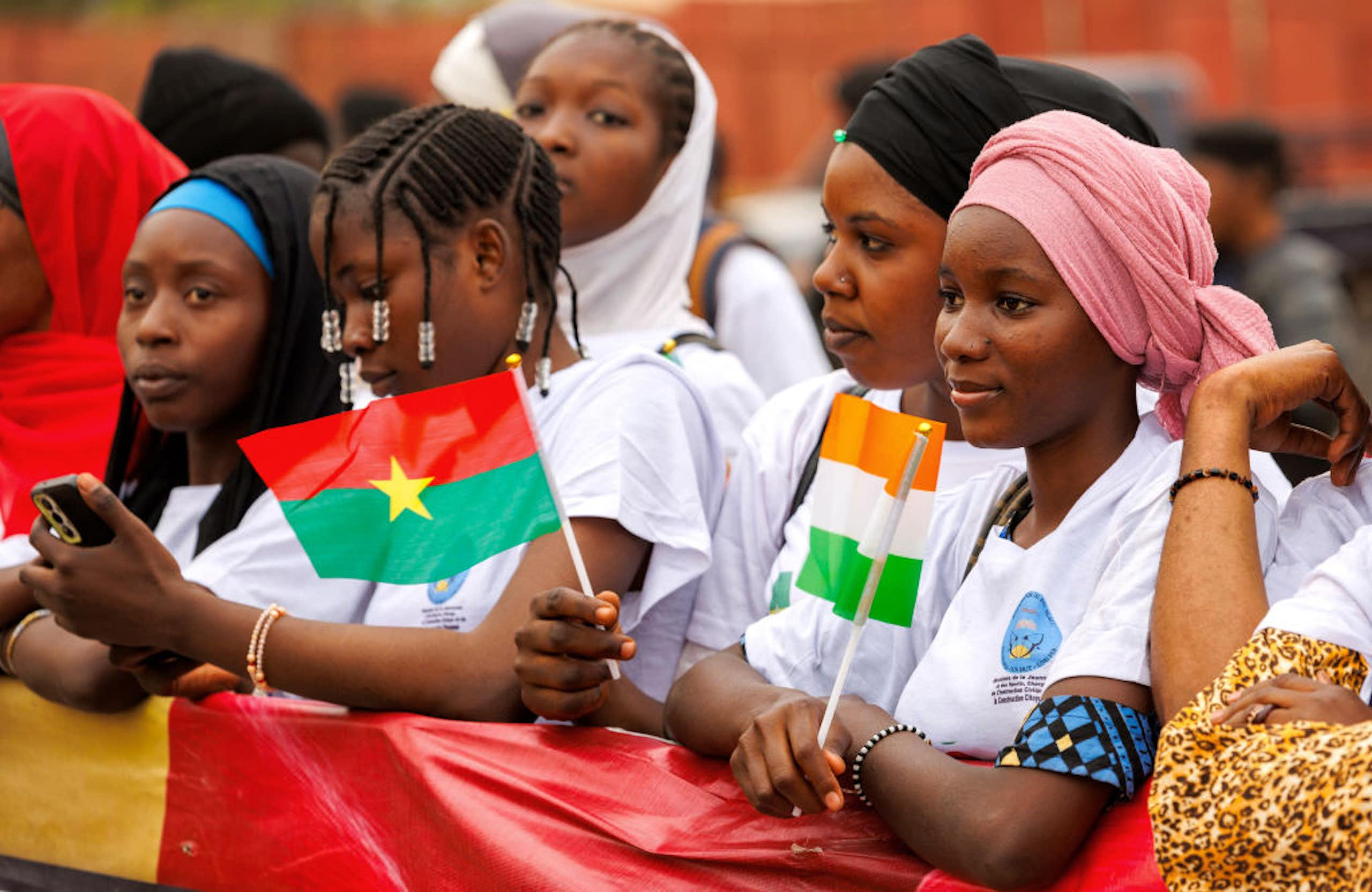
West Africa trade will take a hit as Mali, Niger and Burkina Faso leave EcowasOlivier Walther, University of Florida
Digital trade protocol for Africa: why it matters, what’s in it and what’s still missingFranziska Sucker, University of the Witwatersrand
Africa’s freeports should boost trade and foreign exchange earnings – but evidence is thinJonas Aryee, University of Plymouth