South Sudan at 15: how the political elite have found a way to profit from peace as well as warMatthew Benson-Strohmayer, London School of Economics and Political Science
Serving a state that couldn’t pay: why South Sudan’s civil servants didn’t quit during the warEmmanuelle Veuillet, University of Juba
Tanzania has banned political rallies again: what the government fearsDan Paget, University of Sussex
The international legal order is broken: 2 key shifts needed to fix itDanny Bradlow, University of Pretoria
The rhythms that broke Bashir: how Sudan’s music shaped a revolutionCathy Wilcock, University of Manchester
Xenophobia in South Africa: state’s complicity with gangs and vigilantes is threatening its ability to governLoren B Landau, University of the Witwatersrand and Jean Pierre Misago, University of the Witwatersrand
Can an ancient Oromo philosophy help Ethiopia build peace? Why Namummaa mattersBekalu Wachiso Gichamo, Wolkite University
Who was Andimba Toivo ya Toivo? The Namibian leader who chose justice over powerHeike Becker, University of the Western Cape
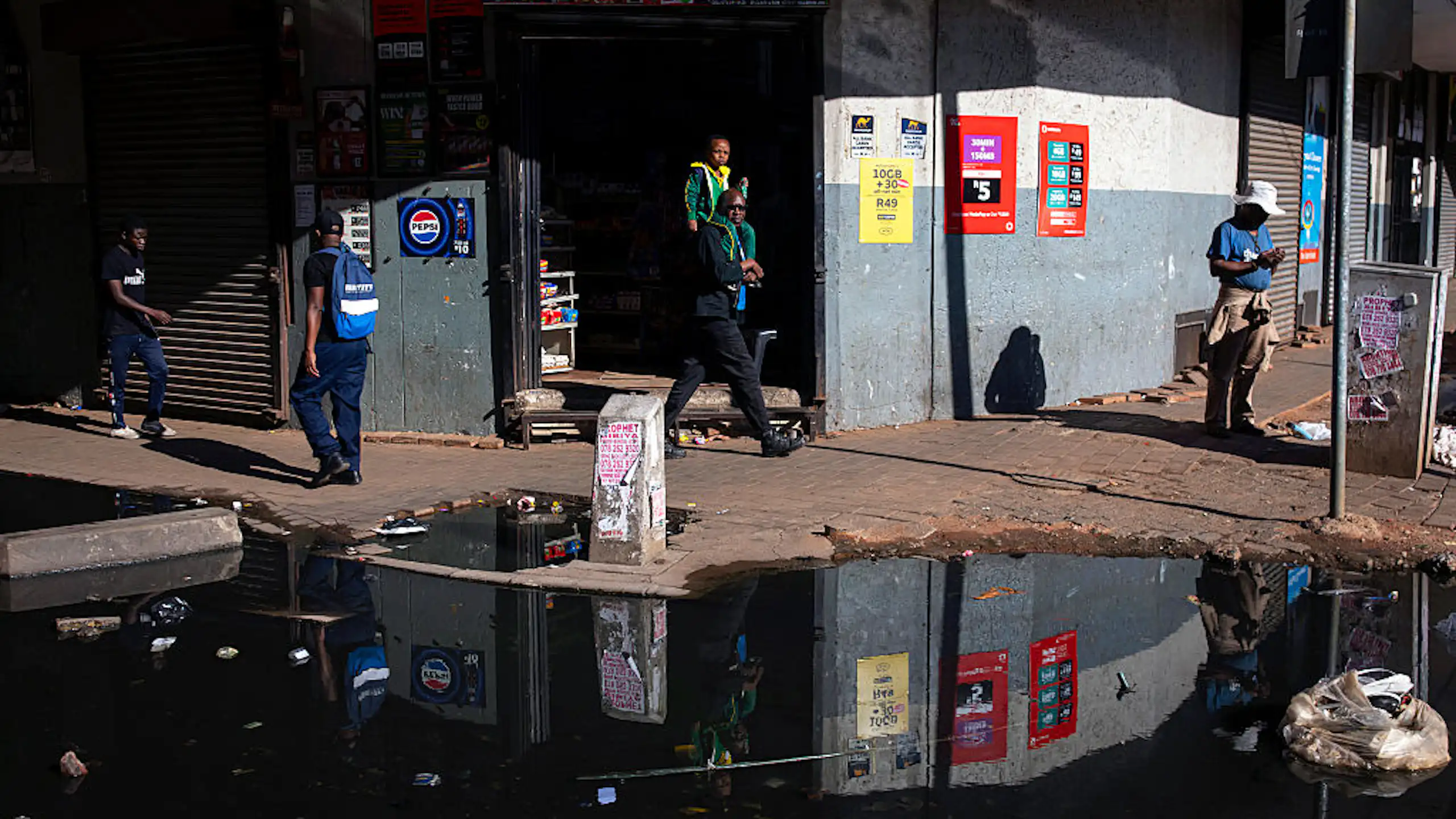
Anti-foreigner violence in South Africa is easily sparked: what hasn’t been done to deal with itAlan Hirsch, University of Cape Town
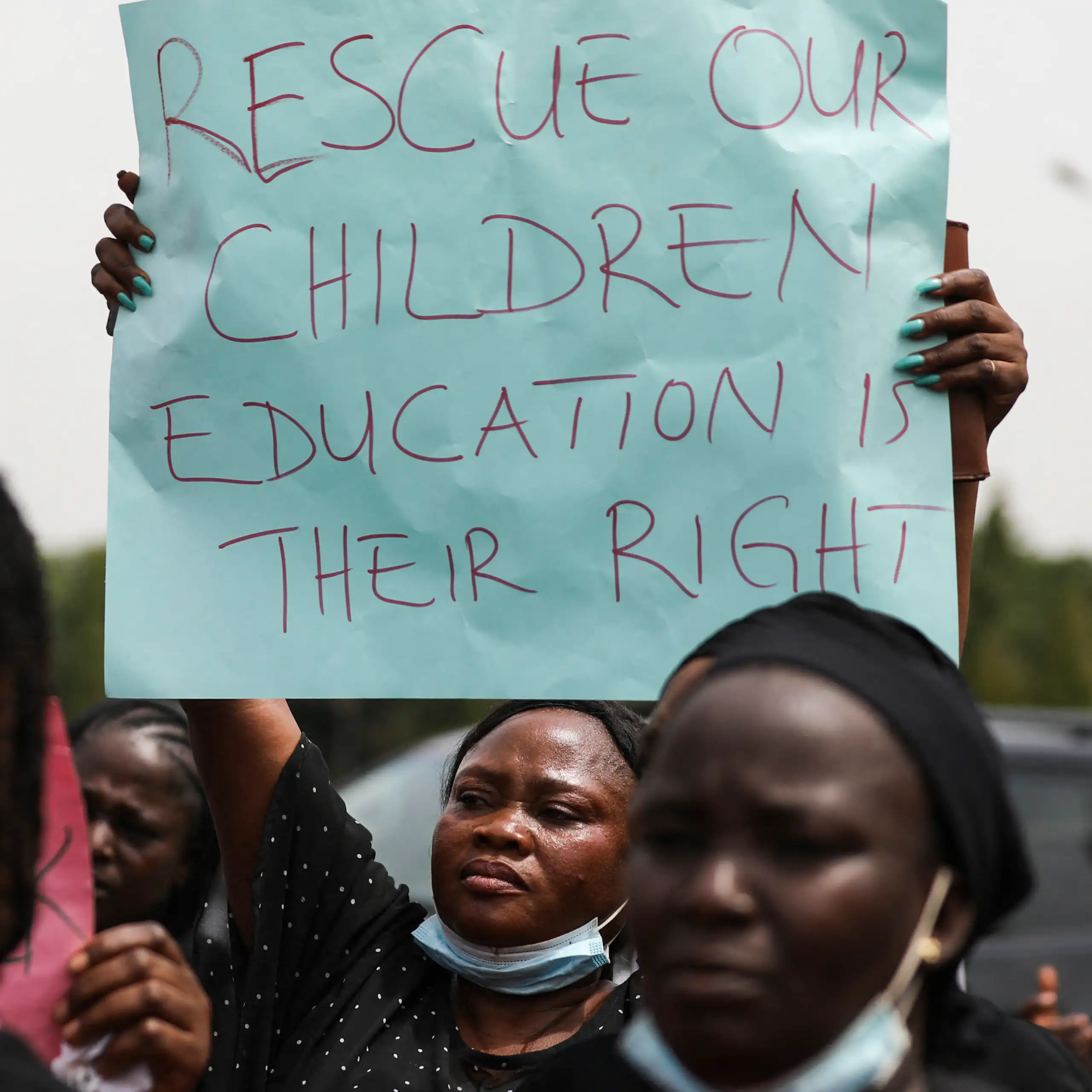
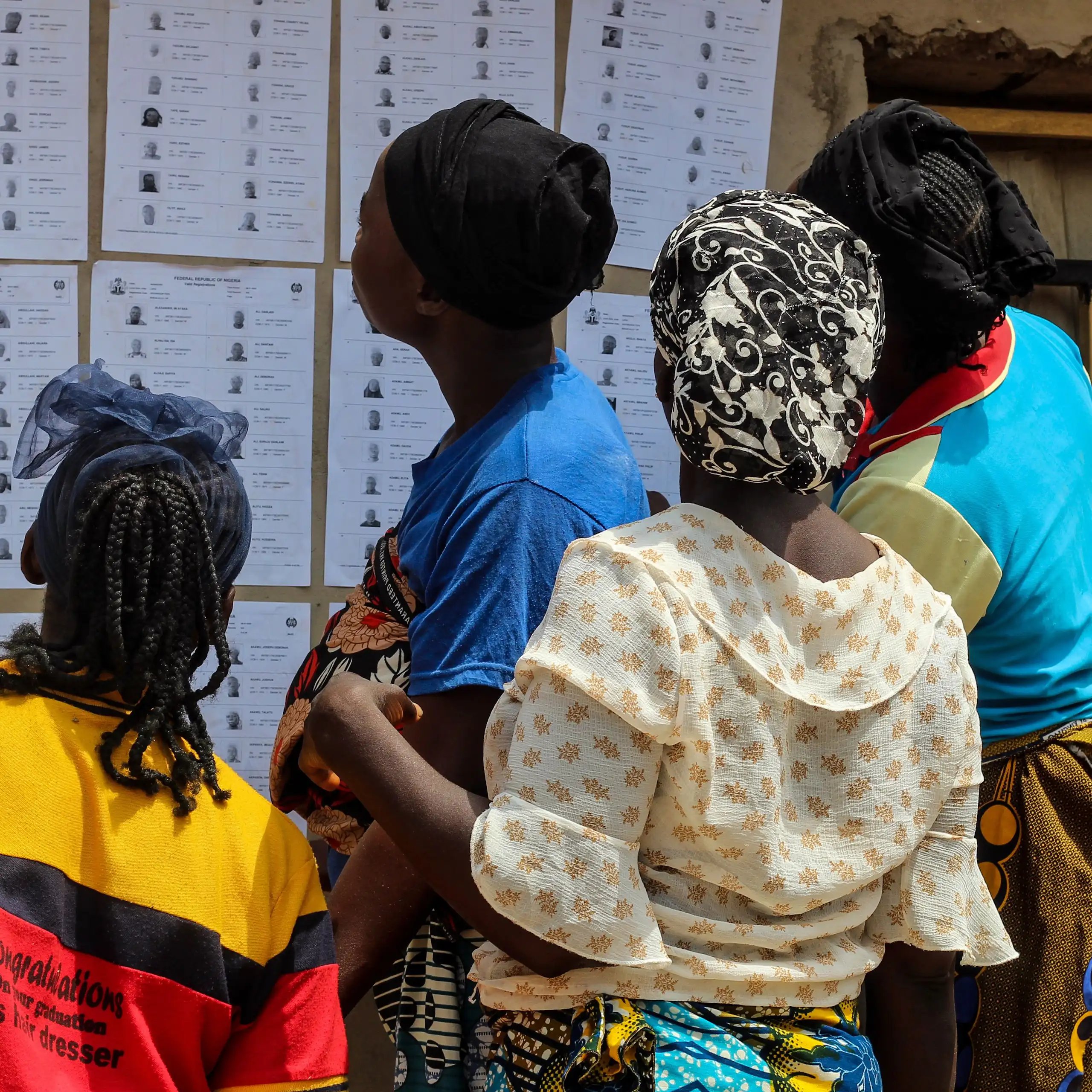
Nigerians tell their stories of banditry. ‘A month will not go by without someone being killed in this village.’Oludayo Tade, University of Ibadan
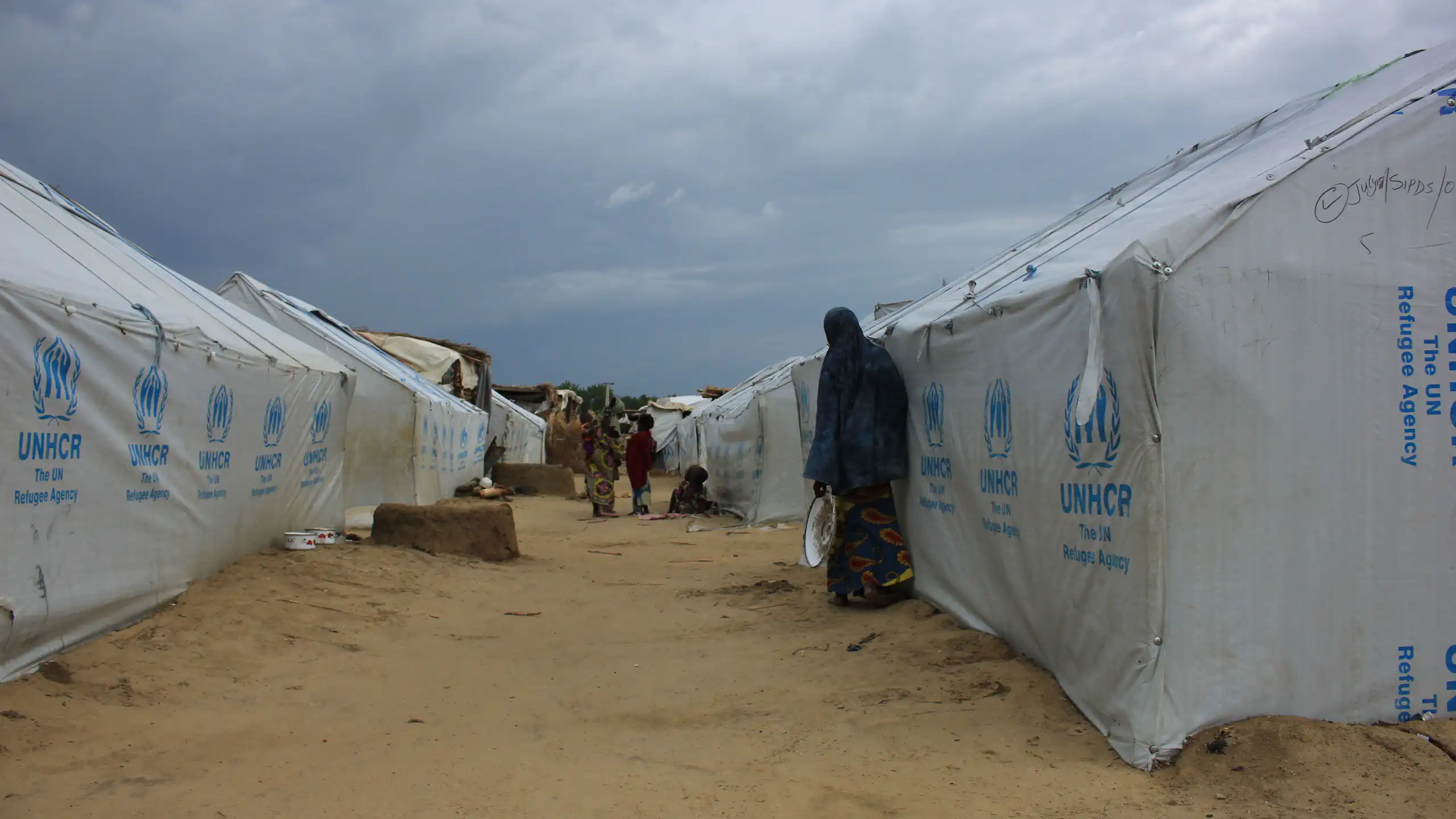
Kenya wants to close refugee camps: the promise and risks of its ambitious new planEdwin Mutyenyoka, Arnold Bergstraesser Institute and Franzisca Zanker, Arnold Bergstraesser Institute
Ma Vesta Smith: why this unsung activist matters 50 years after the Soweto uprisingMaria Suriano, University of the Witwatersrand
South Africa’s anti-migrant campaigns use the language of democracy: why that’s dangerousLuke Sinwell, University of Johannesburg; Terri Maggott, University of Johannesburg, and Trevor Ngwane, University of Johannesburg
Chad is making Arabic equal to French in schools: the politics behind the moveHelga Dickow, University of Freiburg
Europe is spending billions on deporting migrants. Why the strategy isn’t workingUmutcan Yüksel, European University Institute and Amanda Bisong, European University Institute
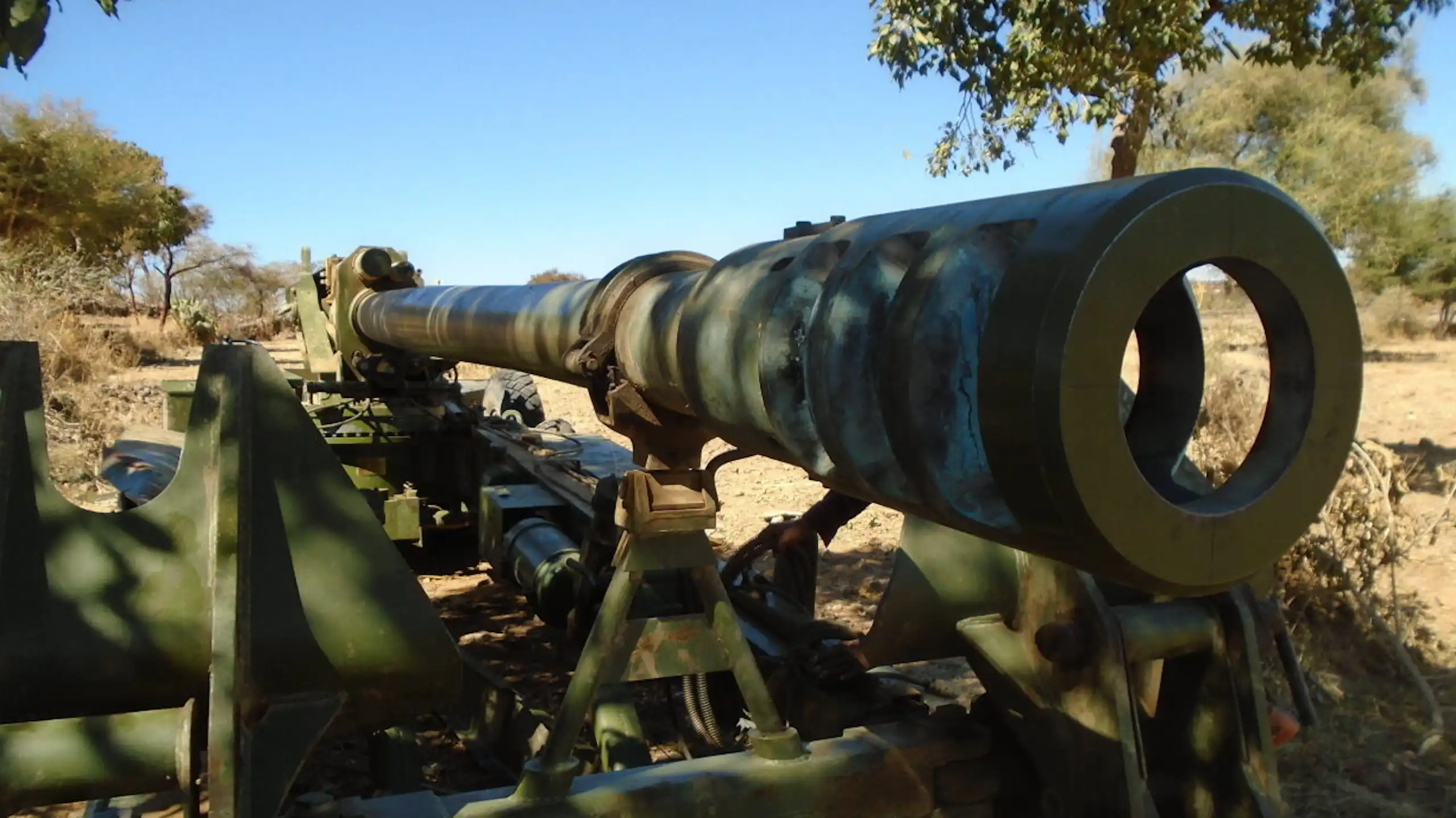
Somali piracy is back – fuelled by political turmoil, aid cuts and the Iran warAnja Shortland, King's College London and Federico Varese, University of Oxford
Ethiopia votes: dominant ruling party seeks a new mandate in a deeply fragmented nationRedie Bereketeab, The Nordic Africa Institute
Ethiopia’s elections will not be politically competitive: two reasons whyBizuneh Yimenu, Queen's University Belfast
Maps showing China’s growing influence in Africa distort reality – but some risks are realBrendon J. Cannon, Khalifa University
The Sahel region is less secure than ever: foreign forces just add to the cycle of violenceNina Wilén, Lund University
South Africans are far less tolerant of migrants than before – hotspots, drivers and solutionsSteven Gordon, Human Sciences Research Council
Kenya’s forgotten Mau Mau freedom fighters and the impeached deputy president that stood up for themBenson Kanyingi, University of Embu
Senegal’s ruling alliance has split: will political turmoil follow?Toumani Traoré, Université Cheikh Anta Diop de Dakar
Kenya’s former President Daniel arap Moi mastered the art of silencing critics – why his tactics wouldn’t work todayGabrielle Lynch, University of Warwick
Iran war could add to Nigeria’s security troubles. What to watch out forAl Chukwuma Okoli, Federal University Lafia
Climate change is worsening violent extremism in Kenya – what can be doneDylan O'Driscoll, Coventry University; Fathima Azmiya Badurdeen, Technical University of Mombasa; Joel Busher, Coventry University; Sheila Ronoh, Coventry University, and Wilson Ndenyele, Technical University of Mombasa
Mozambique relies on Rwanda’s troops to fight terrorism: what happens if they leave?Kaitlyn Rabe, The Ohio State University
How history explains election violence: Kenya and Zambia tell the storyJohan Brosché, Uppsala University; Hanne Fjelde, Uppsala University, and Kristine Höglund, Uppsala University
Should Ethiopia limit how long its prime minister can serve? Why this won’t fix a deeper democracy problemAlemayehu Fentaw Weldemariam, Indiana University
Julius Malema: South Africa’s performative revolutionary is facing his biggest battleOngama Mtimka, Nelson Mandela University
The challenges African election bodies face go beyond ‘democratic backsliding’ – analysisSonali Campion, University of East Anglia
Political violence in South Africa is driven by a power elite trying to establish dominance – new researchIvor Chipkin, University of Pretoria and Jelena Vidojević, University of Pretoria
Rich countries are paying poorer ones to manage their refugee crises: 3 reasons this is dangerousAli Bhagat, Simon Fraser University and Genevieve LeBaron, Simon Fraser University
The government’s plan to remove asylum seekers will be a logistical mess – and may not deter people from coming to the UKPeter William Walsh, University of Oxford
Around the world, migrants are being deported at alarming rates – how did this become normalised?Andonea Jon Dickson, University of Edinburgh; Cetta Mainwaring, University of Edinburgh, and Thom Tyerman, University of Edinburgh
AI-driven border surveillance is spreading across west Africa. What this means for migrants’ rightsPhilippa Osim Inyang, Nigerian Institute of International Affairs