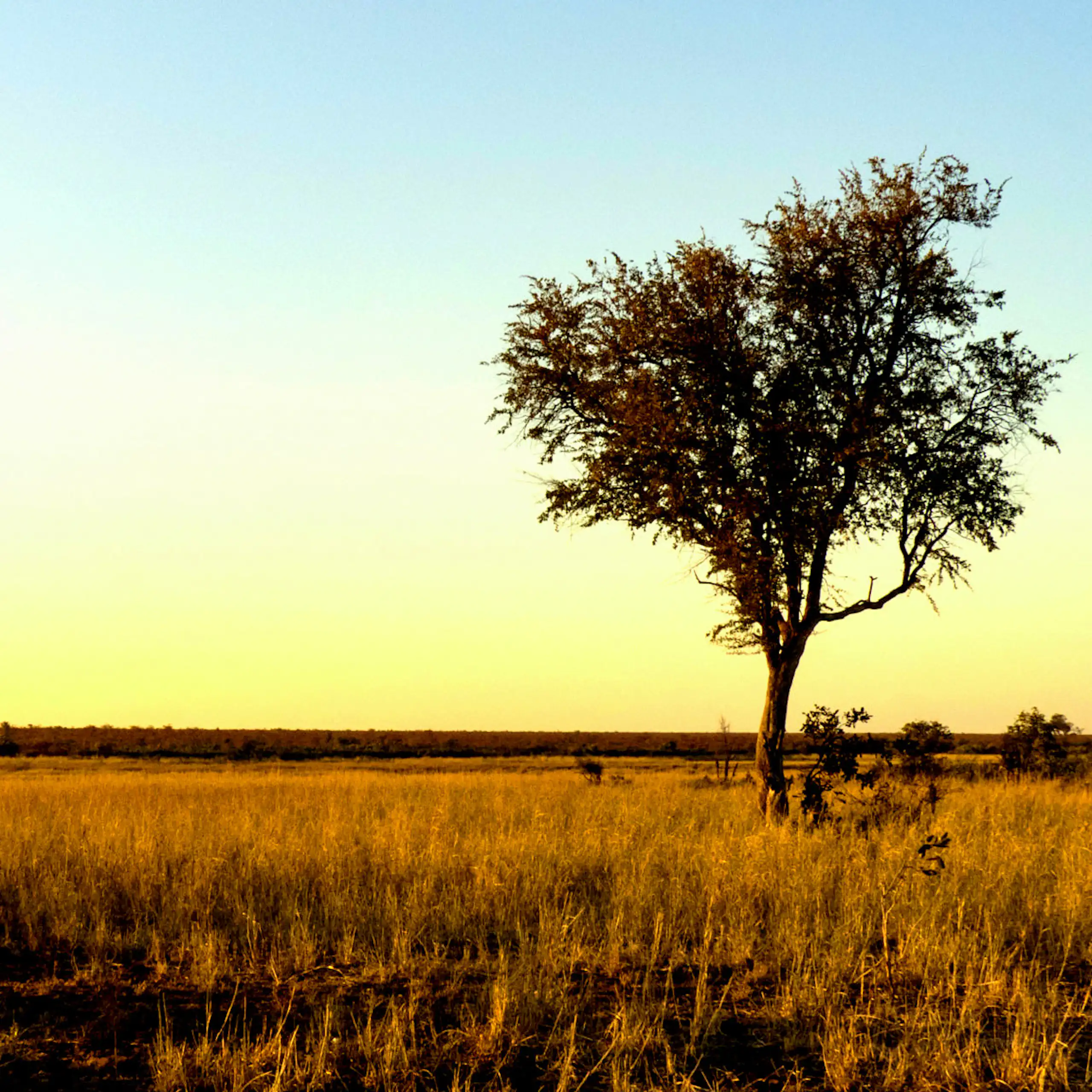
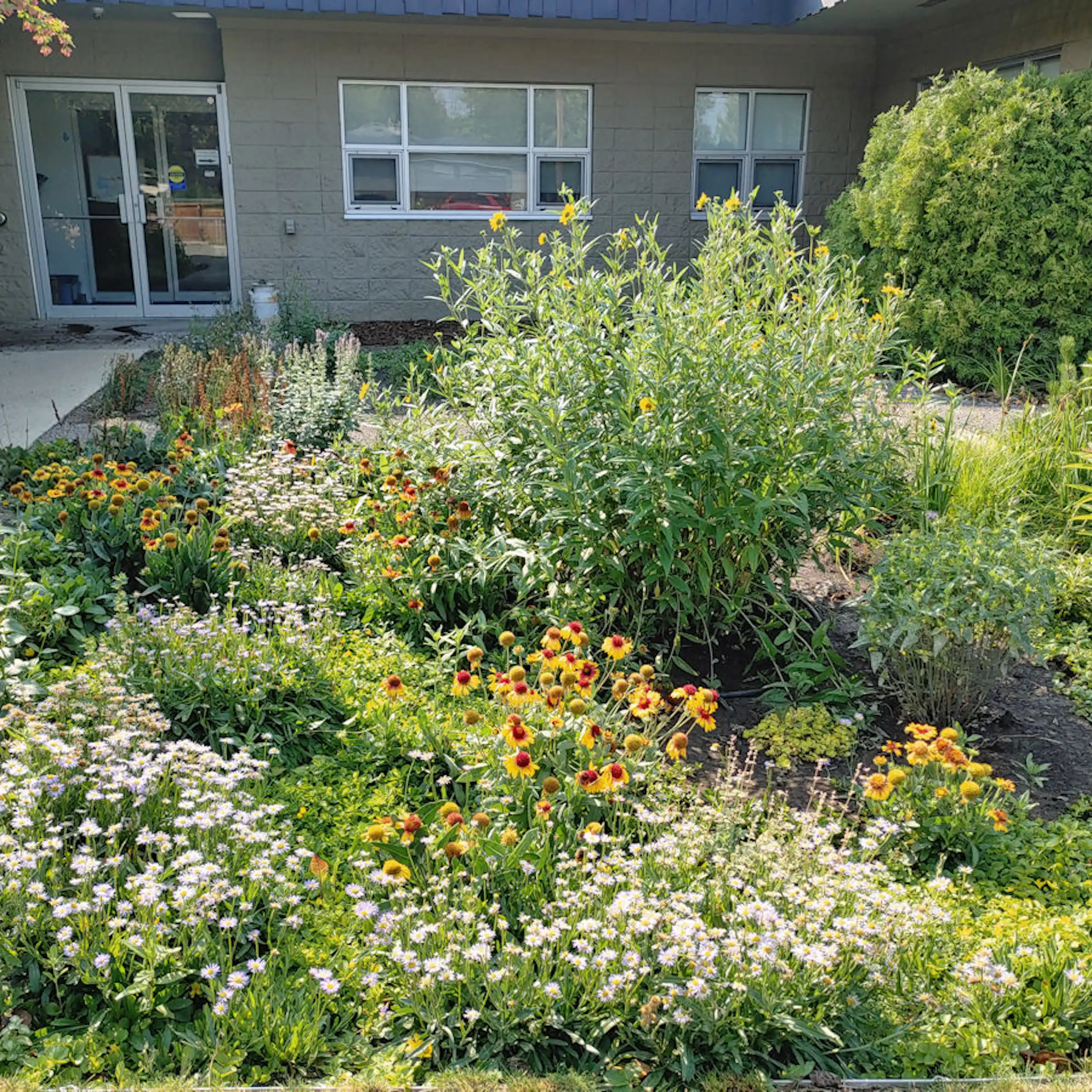
Making small changes to roadsides can help pollinatorsJessica Forrest, L’Université d’Ottawa/University of Ottawa
Tackling Lake Erie’s algal blooms requires targeted conservation strategiesMd Bodruddoza, University of Guelph and Wanhong Yang, University of Guelph
Adaptation policies must be built around the local communities facing climate changeRachida Bouhid, Université du Québec à Montréal (UQAM)
How Canada can better track what happens to trafficked wildlife after they’re seizedMikaela Gerwing, Concordia University
Endangered species in Canada face extensive delays receiving protectionPeter R. Thompson, Simon Fraser University; Mary Ann C. Perron, Nipissing University; Sara Cannon, University of British Columbia, and William Bugg, University of British Columbia
In the northern Appalachian Mountains, warmer weather is making alpine regions greenerJonathan W. Chipman, Dartmouth College
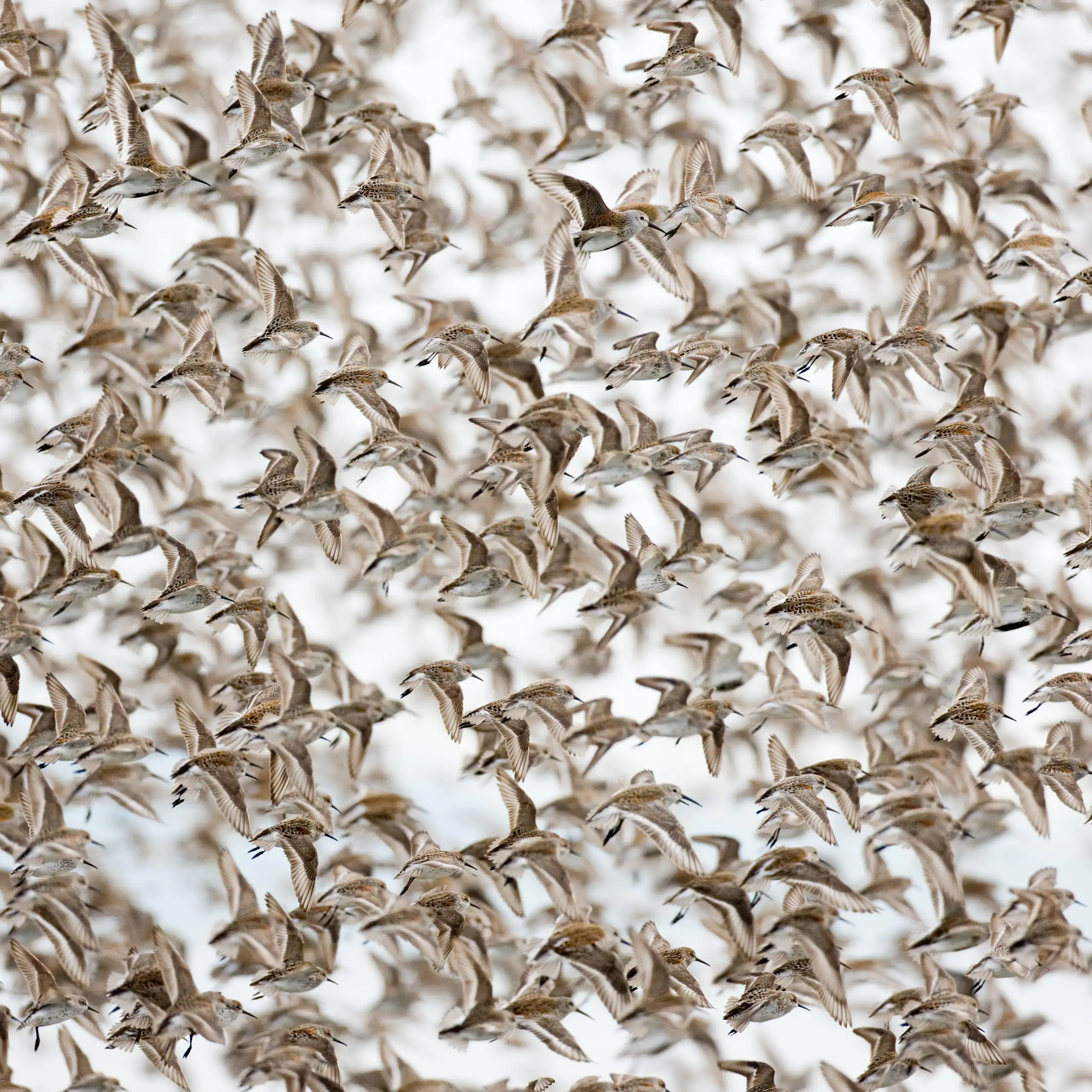
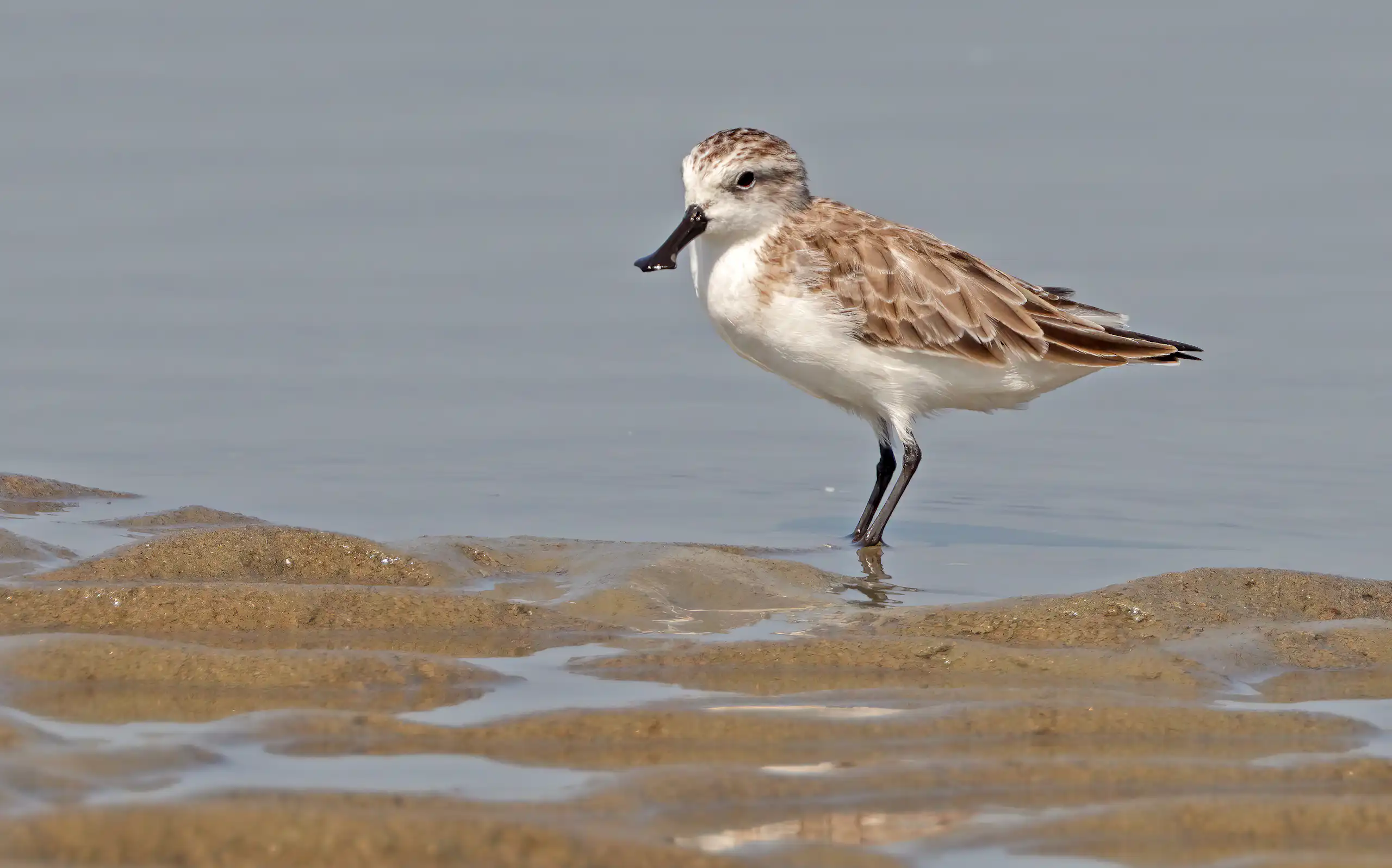
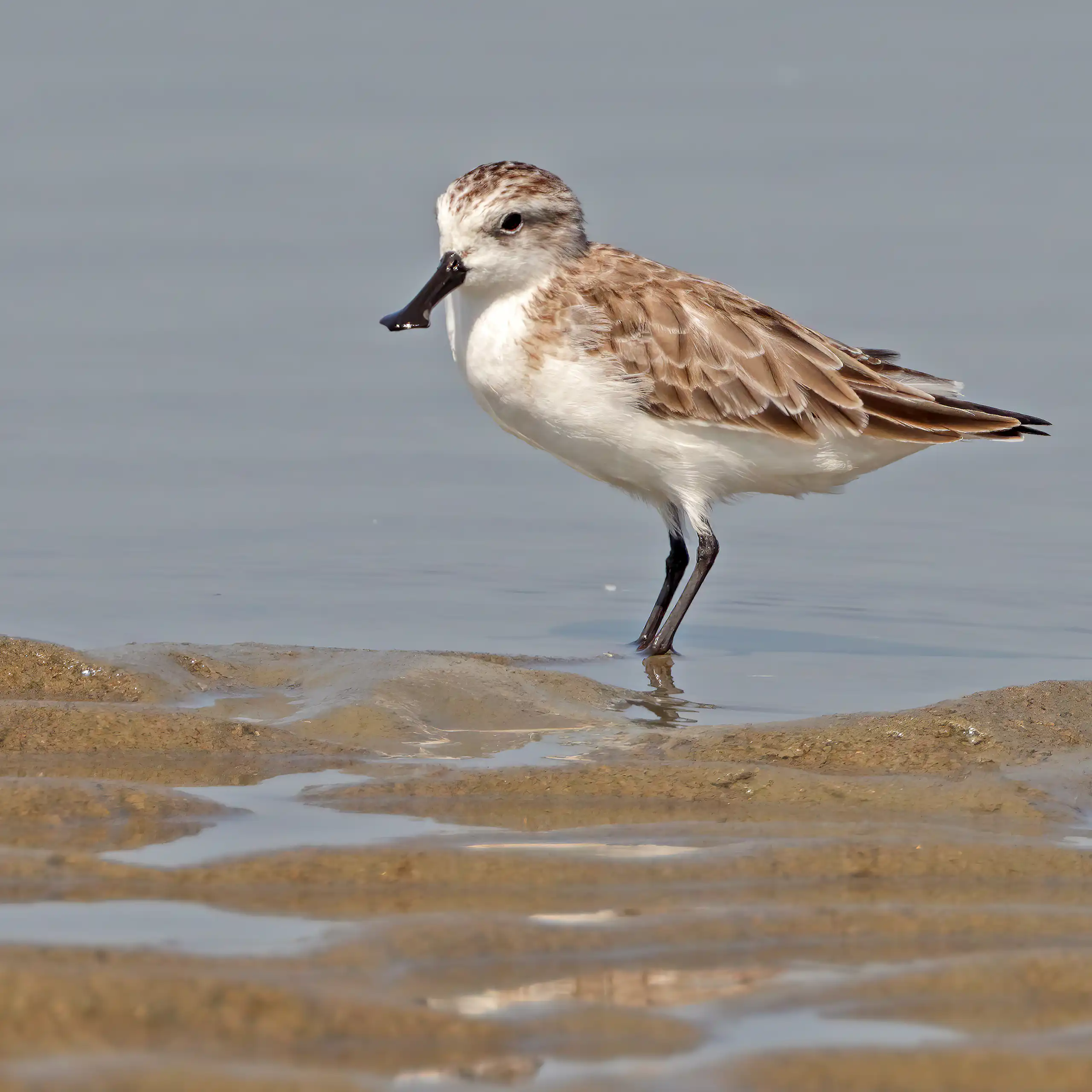
Rising seas threaten the world’s migratory shorebirdsJennifer M.T. Magel, University of British Columbia and Tara Martin, University of British Columbia
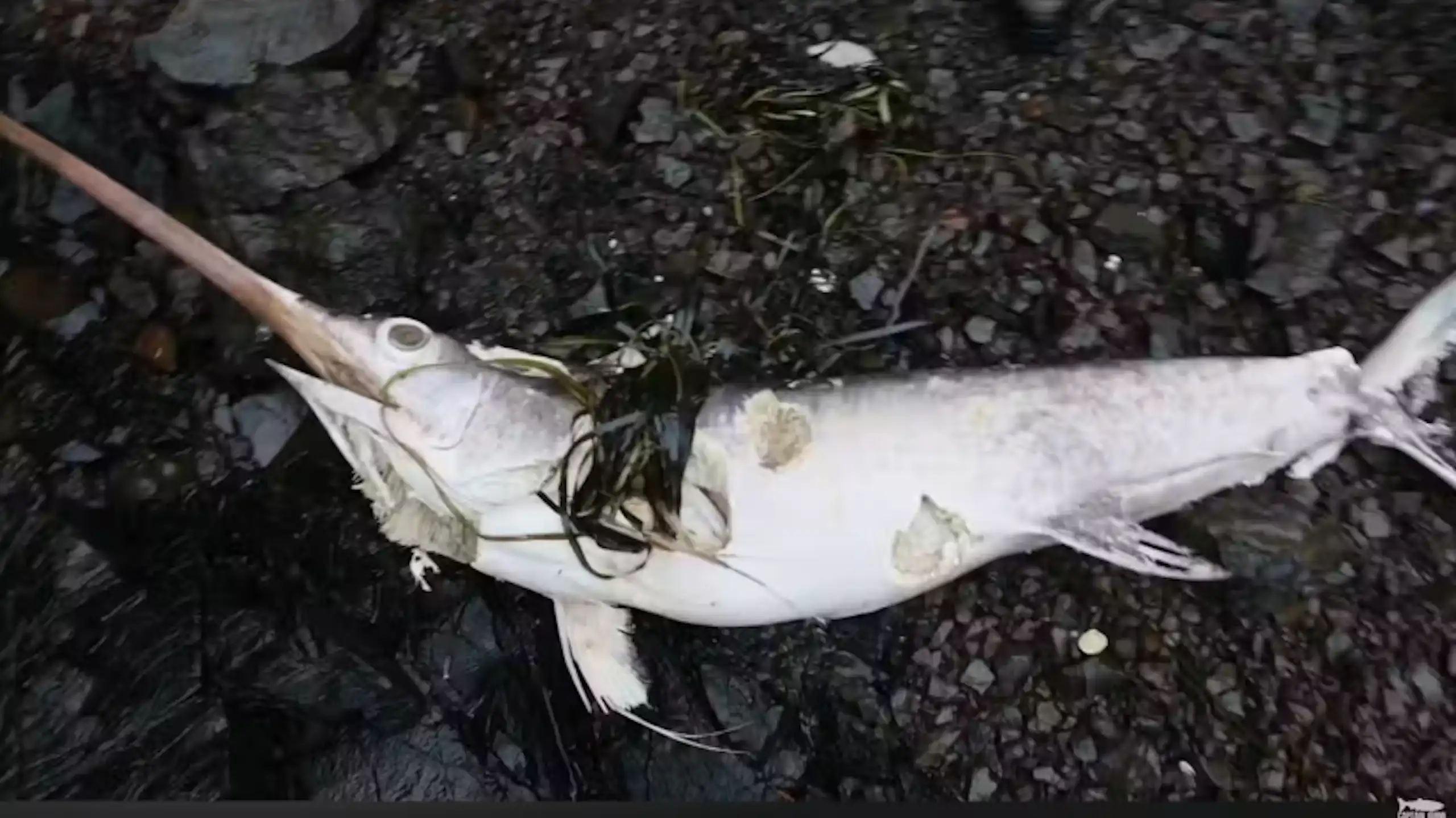
What a swordfish washing up on British Columbia’s coast says about our changing oceansIsabella Morgante, University of British Columbia and William W. L. Cheung, University of British Columbia
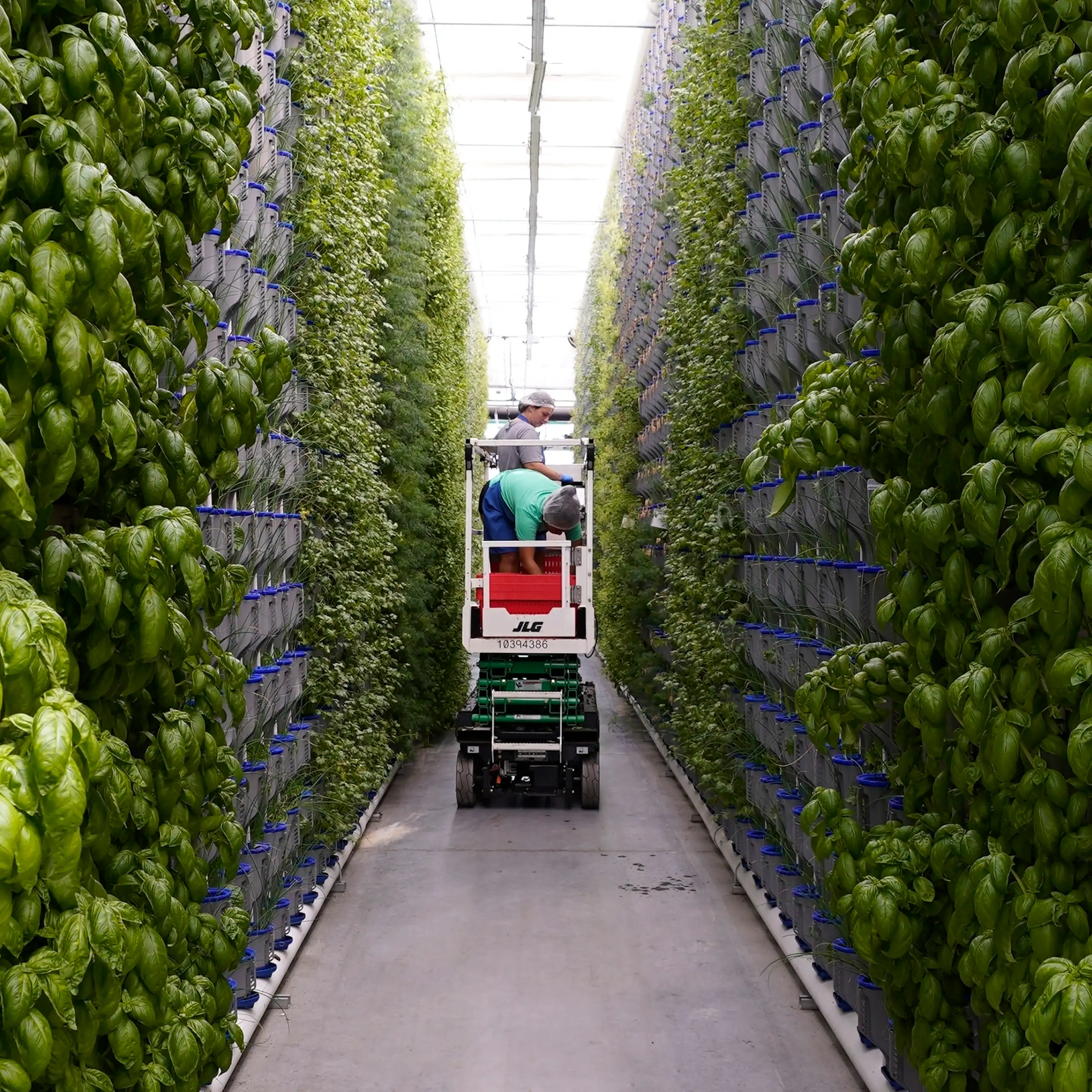
Why ‘vertical farming’ is not a fix for our food systemRichard Bloomfield, Western University; Evan Bowness, and Tony Weis, Western University
The politics of city rats: What urban rodents tell us about housing and sanitationChristine Yanagawa, Simon Fraser University and Kaylee Byers, University of British Columbia; Simon Fraser University
How AI could help predict and explain water levels in the Great LakesRahim Barzegar, Université du Québec en Abitibi-Témiscamingue (UQAT); Ehsan Raei, and Jan Franklin Adamowski, McGill University
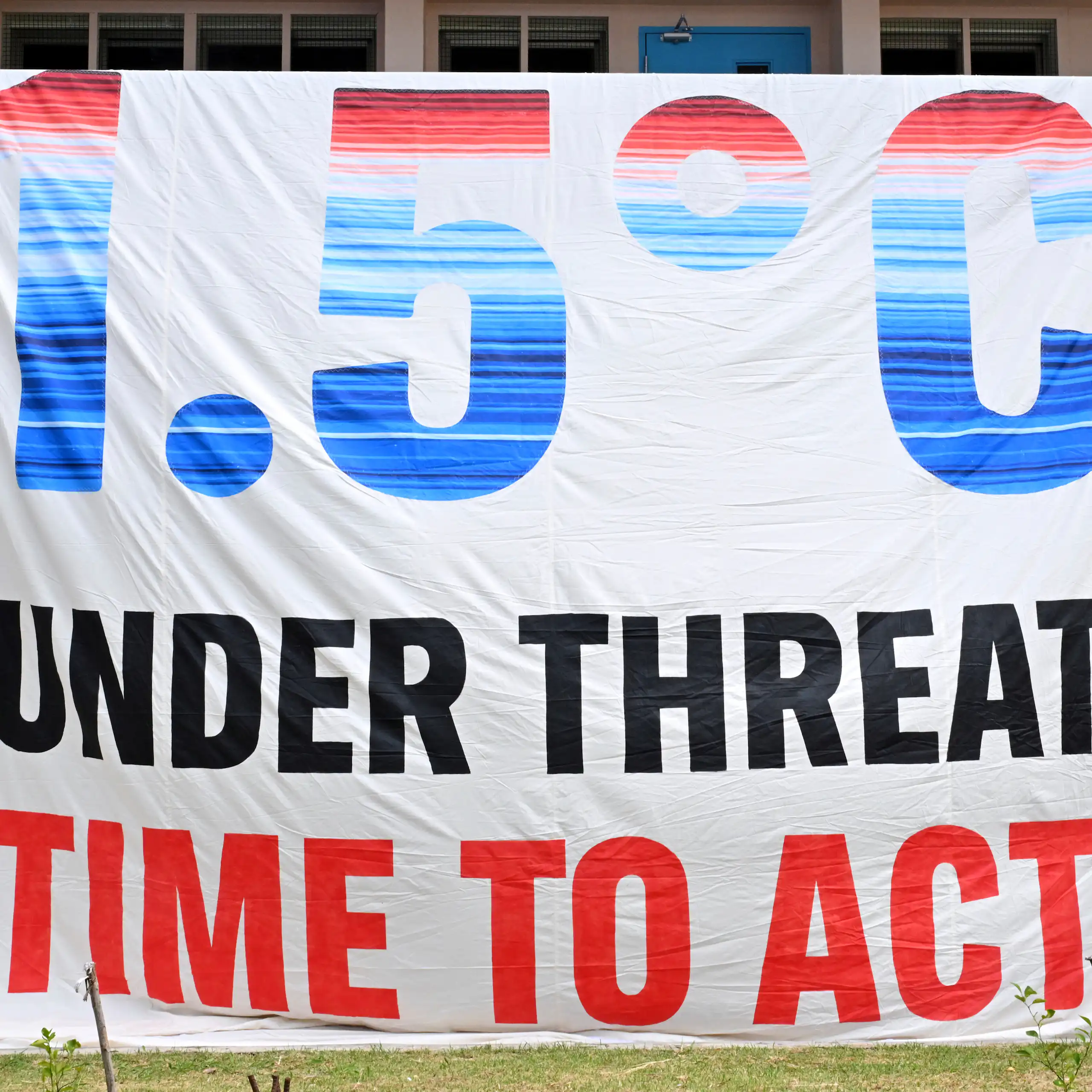
‘1.5°C to stay alive’: Pacific countries demand the world makes good on climate promisesWesley Morgan, UNSW and Liam Moore, James Cook University
Protecting endangered species must include supporting habitats and nearby human settlementsRassim Khelifa, Concordia University
What a Chinese pollution crackdown can teach Canada about carbon pricingLongzhou Wang, University of Alberta
Remittances can help African countries adapt to climate changeZack Ahmed, Balsillie School of International Affairs
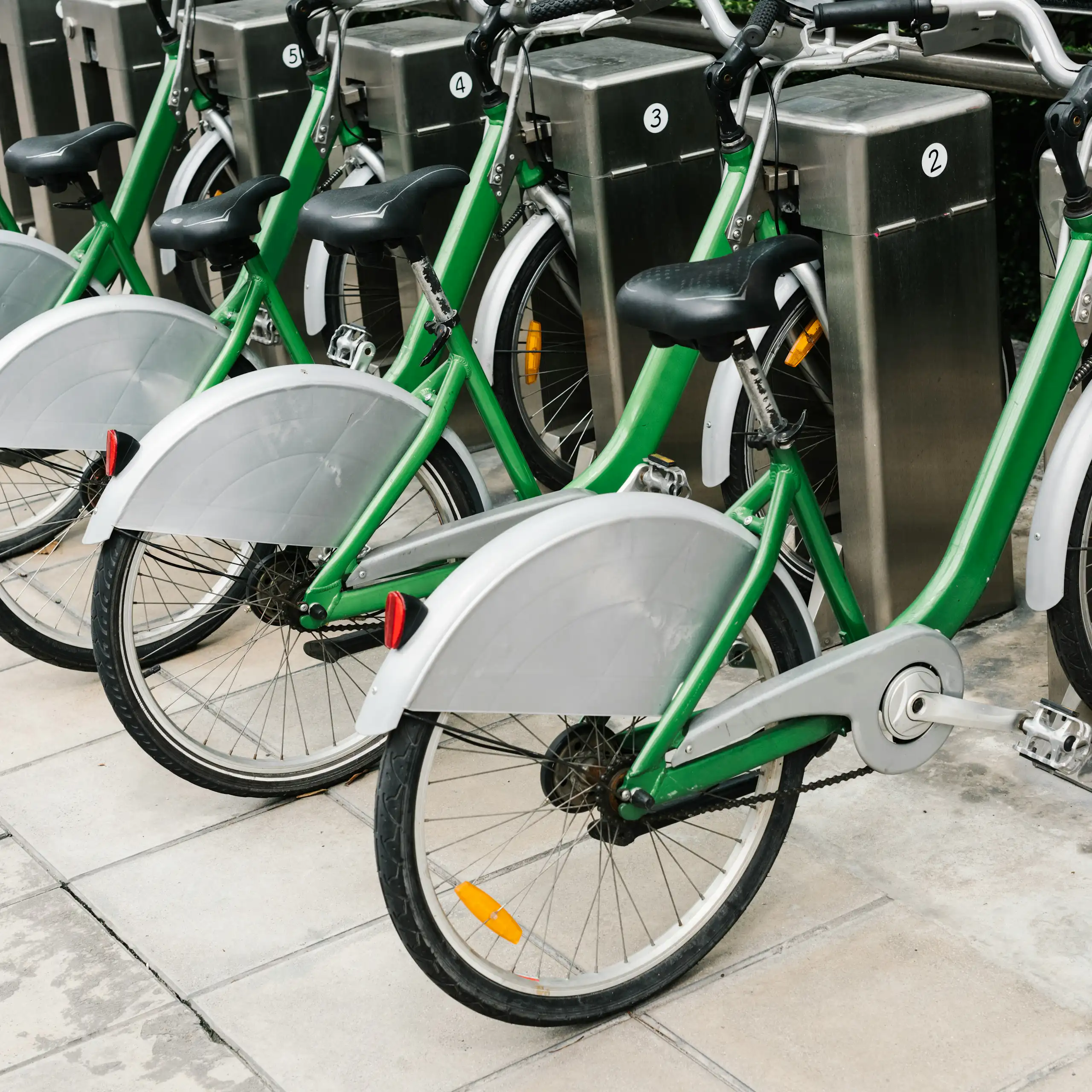
Bike-sharing programs can help cities reduce emissions and congestionVahid Hosseini, Simon Fraser University and Seyed Ali Azimi, Simon Fraser University
Unusual senses: the secret superpowers of amphibians and reptilesSteven Allain, Anglia Ruskin University
One of Canada’s worst invasive species may have arrived naturallyAndrew J Tanentzap, Trent University; University of Cambridge and Danai Kontou, University of Leeds
Two new reports show that Canada needs to do much more to tackle climate changeH. Damon Matthews, Concordia University
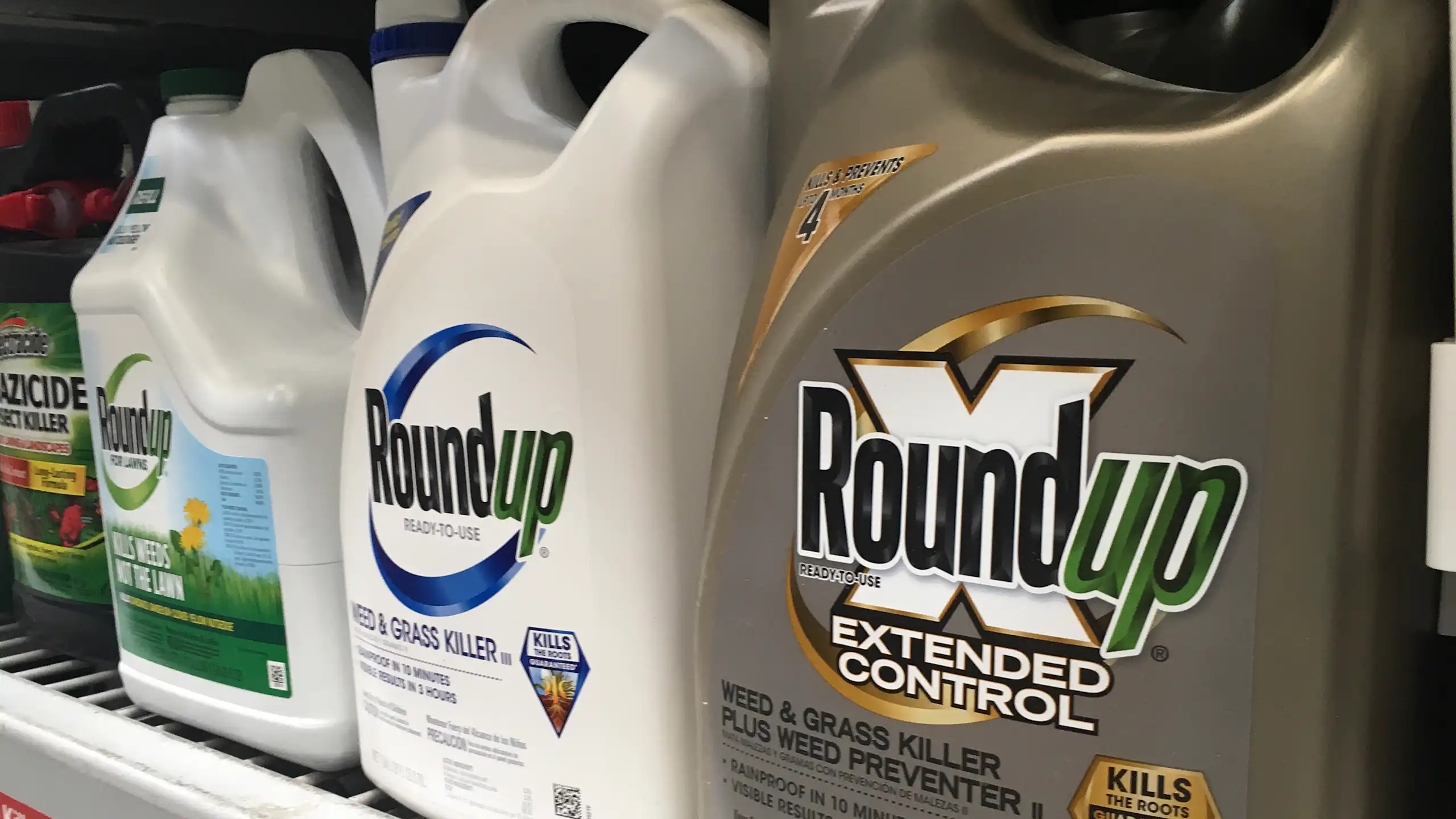
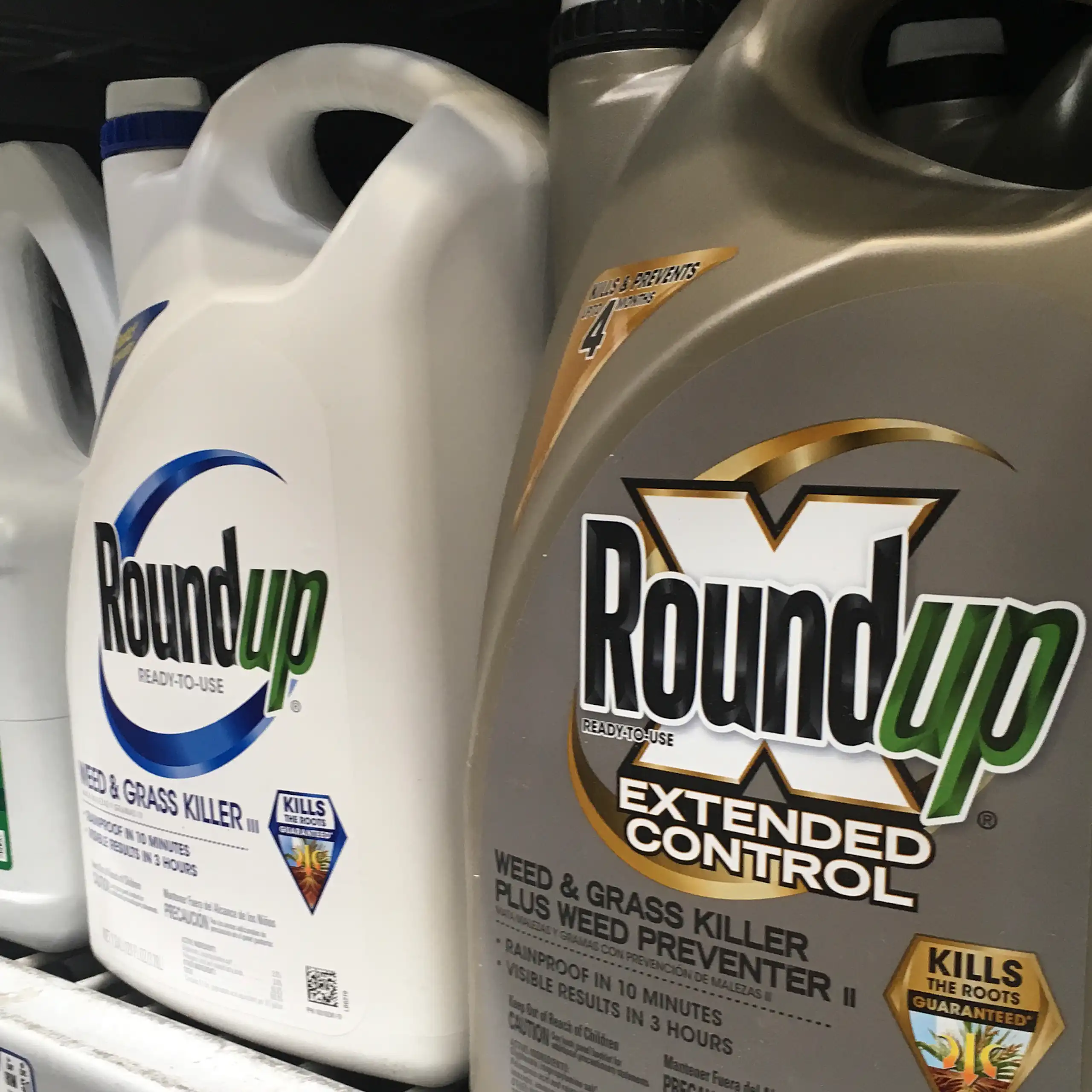
What the U.S. Supreme Court’s pesticide ruling means for gardeners and farm workersBill Jeffery, Carleton University
Brazil has made gains against Amazon deforestation, but lasting protection is a challengeLucas Barros da Rosa, University of British Columbia
Climate change is making it easier for invasive species to succeedNicola S. Smith, Concordia University and William W. L. Cheung, University of British Columbia
How to tackle persistent drought: Lessons from British ColumbiaRosie Simms, University of Victoria; Deana Machin, University of Victoria, and Oliver Brandes, University of Victoria
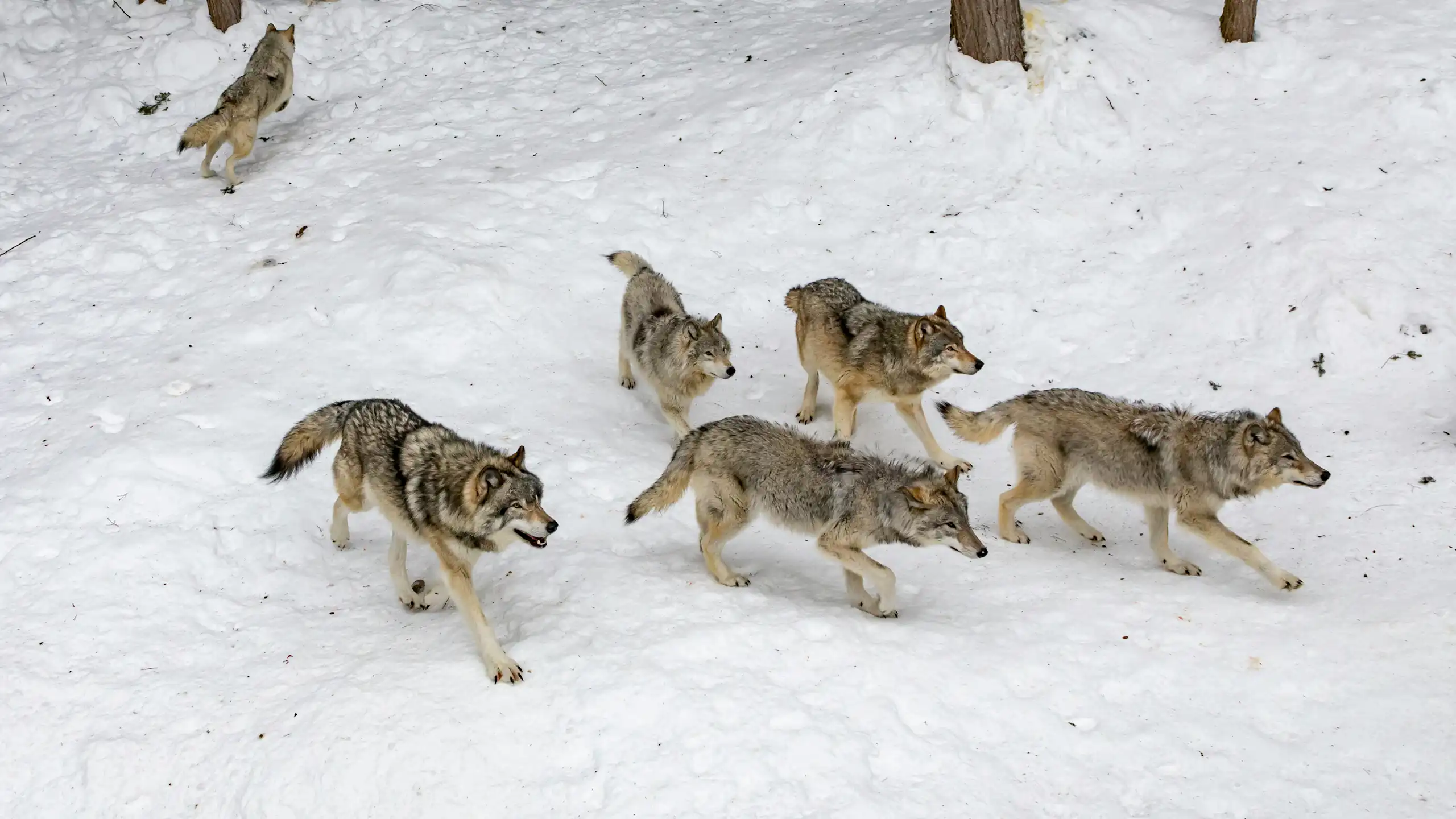
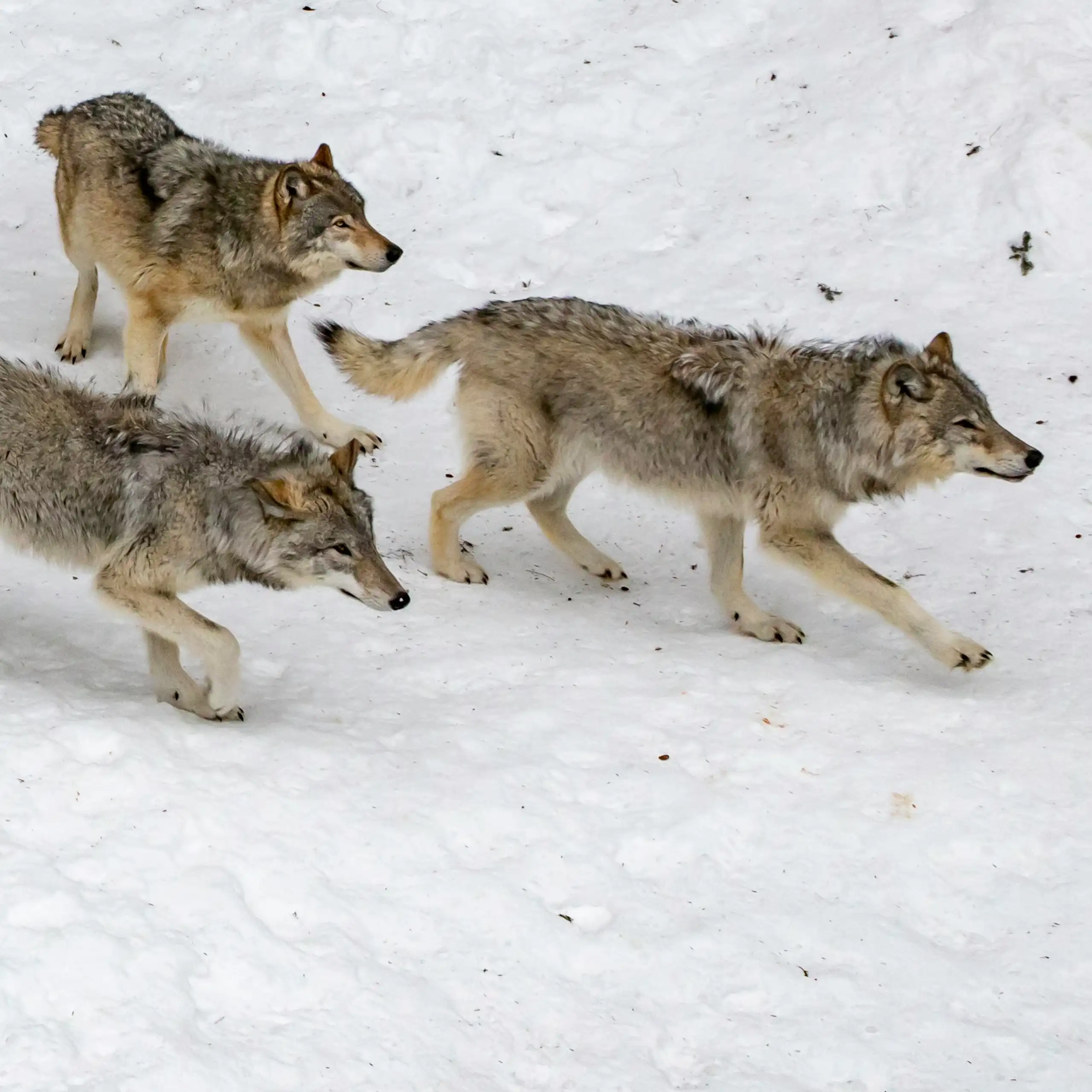
B.C.’s militarized wolf cull is a misguided approach to a complex issueTandeep Sidhu, University of Manitoba; Amy Graham, University of Manitoba, and McKenzie Duguay, University of Manitoba
Nepal could show the world how to recover sustainably from a major disasterSara Shneiderman, University of British Columbia and Amy Leigh Johnson, Berry College
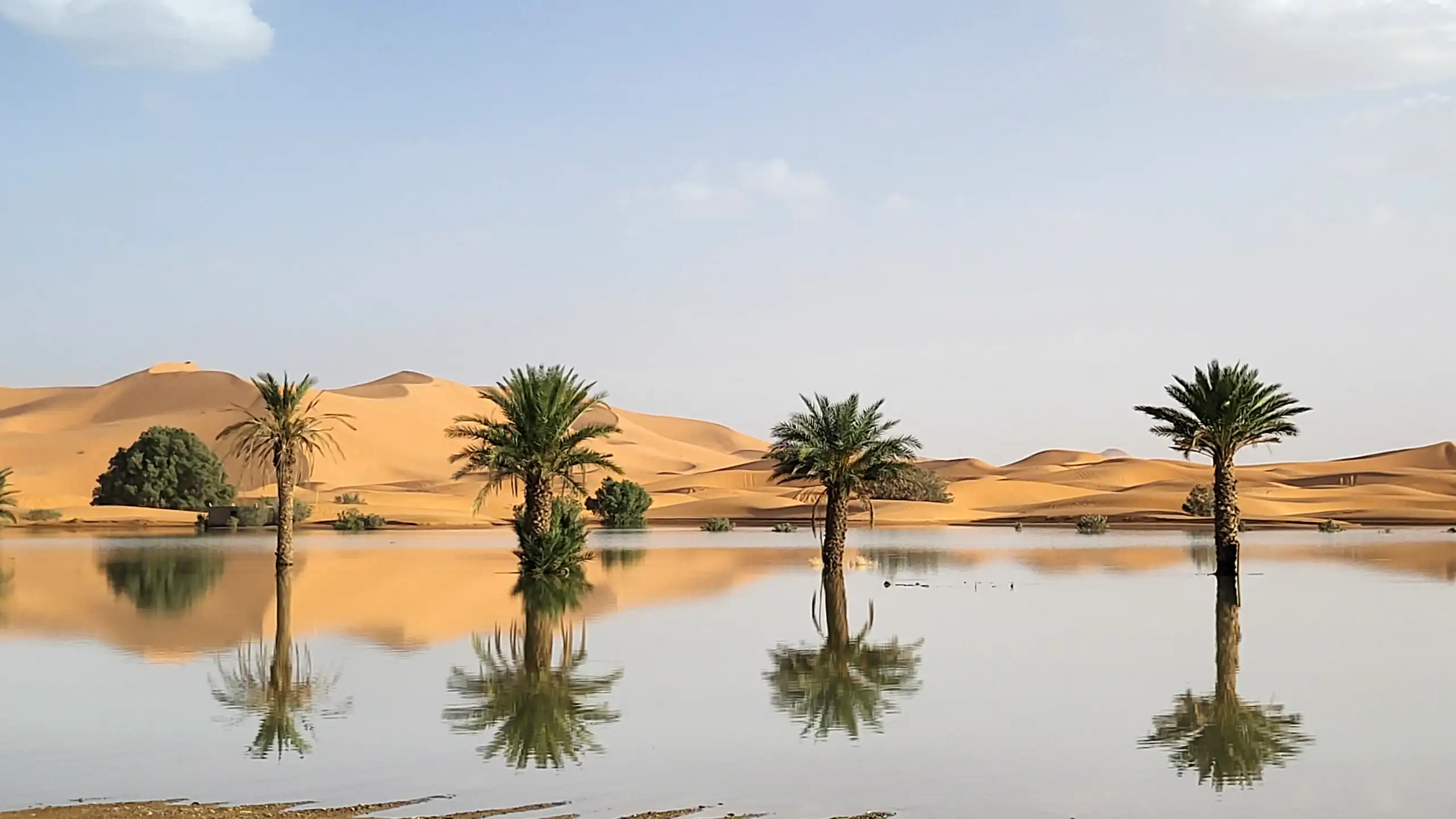
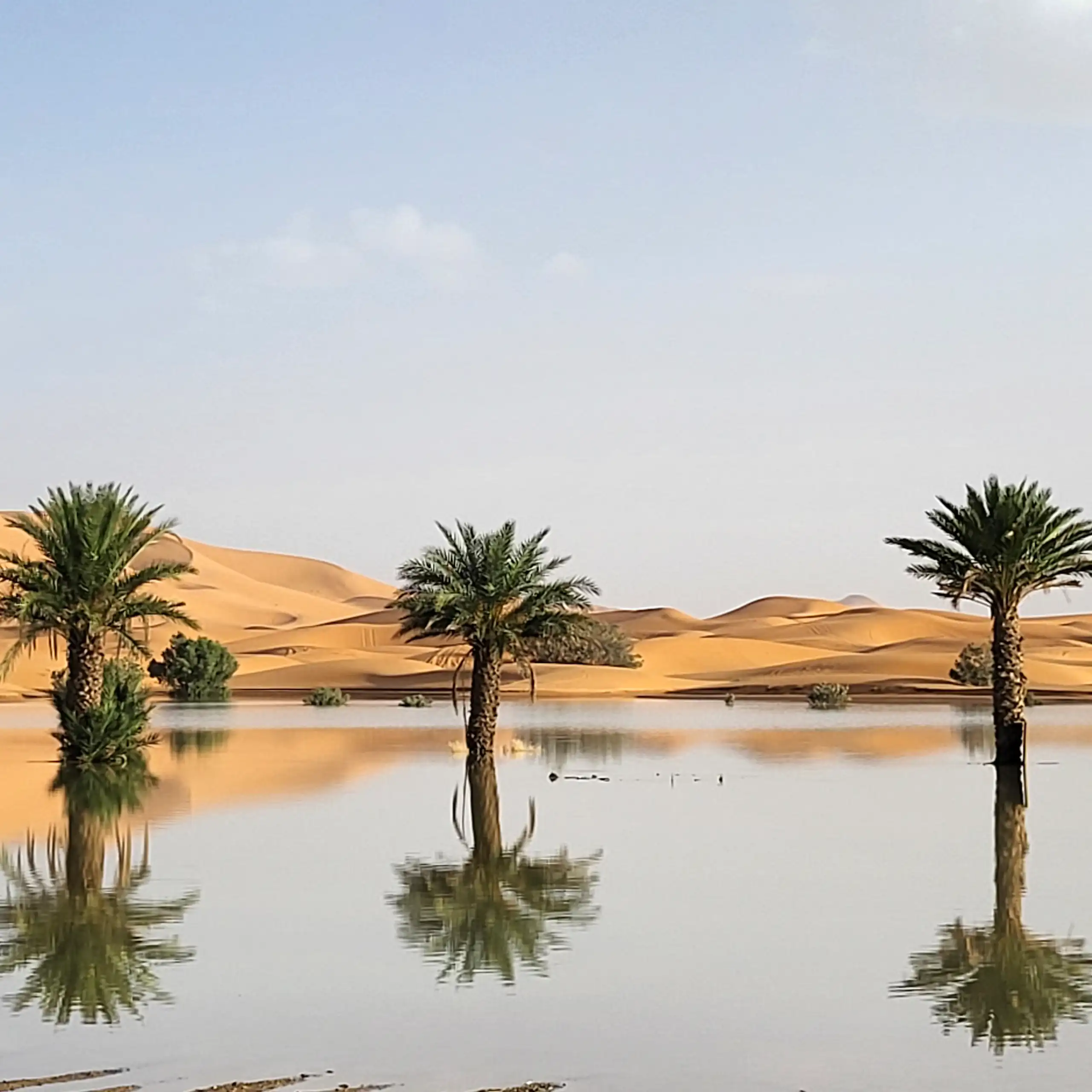
From drought to floods in North Africa: What could the super El Niño do next?Hossein Bonakdari, L’Université d’Ottawa/University of Ottawa
Yes, passing 1.5 C of global warming is cause for alarm, but not despairEric Galbraith, ICREA; McGill University
Picking up garbage less often could help Canadians recycle moreJonathan Wilansky, Concordia University
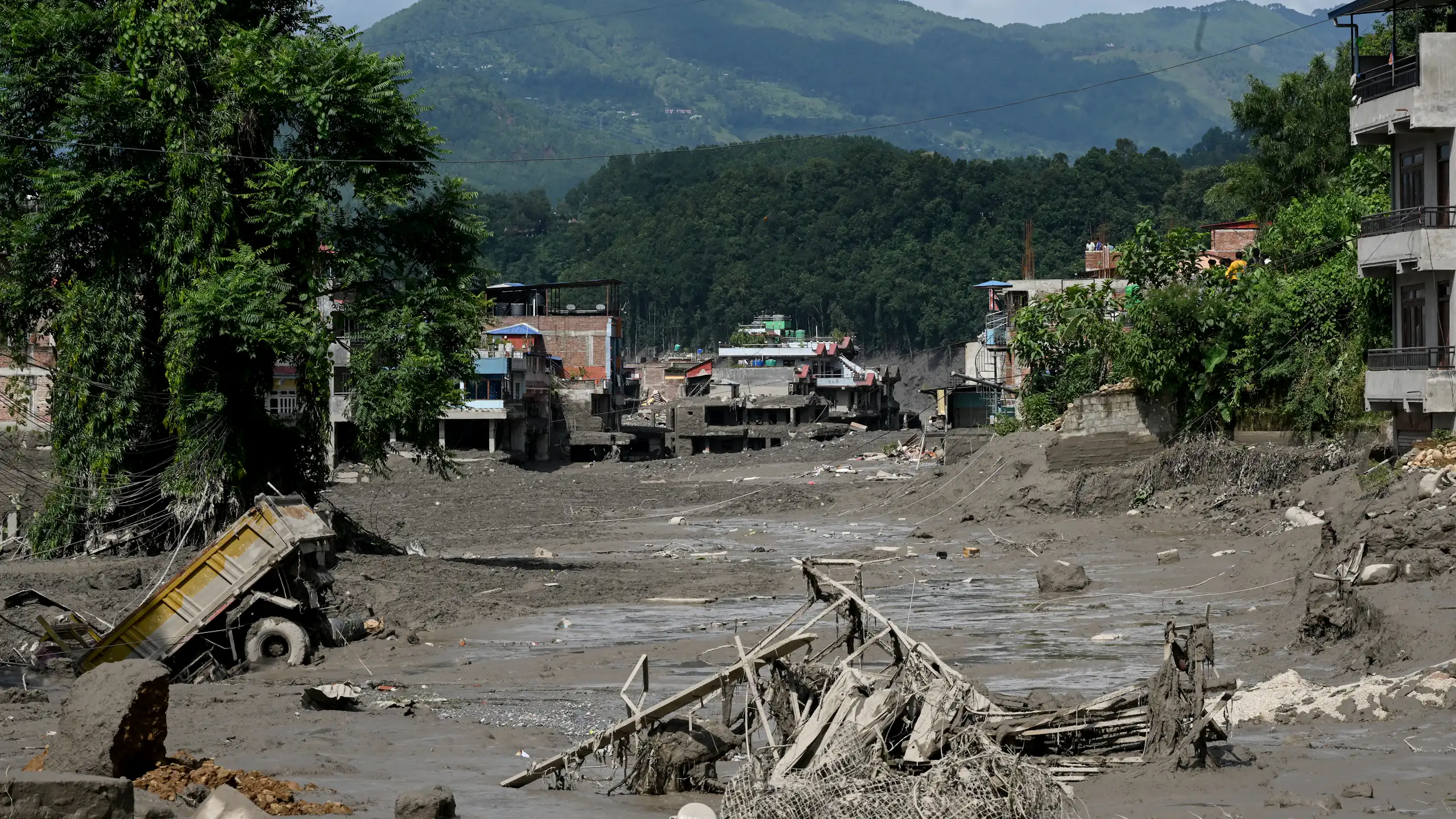
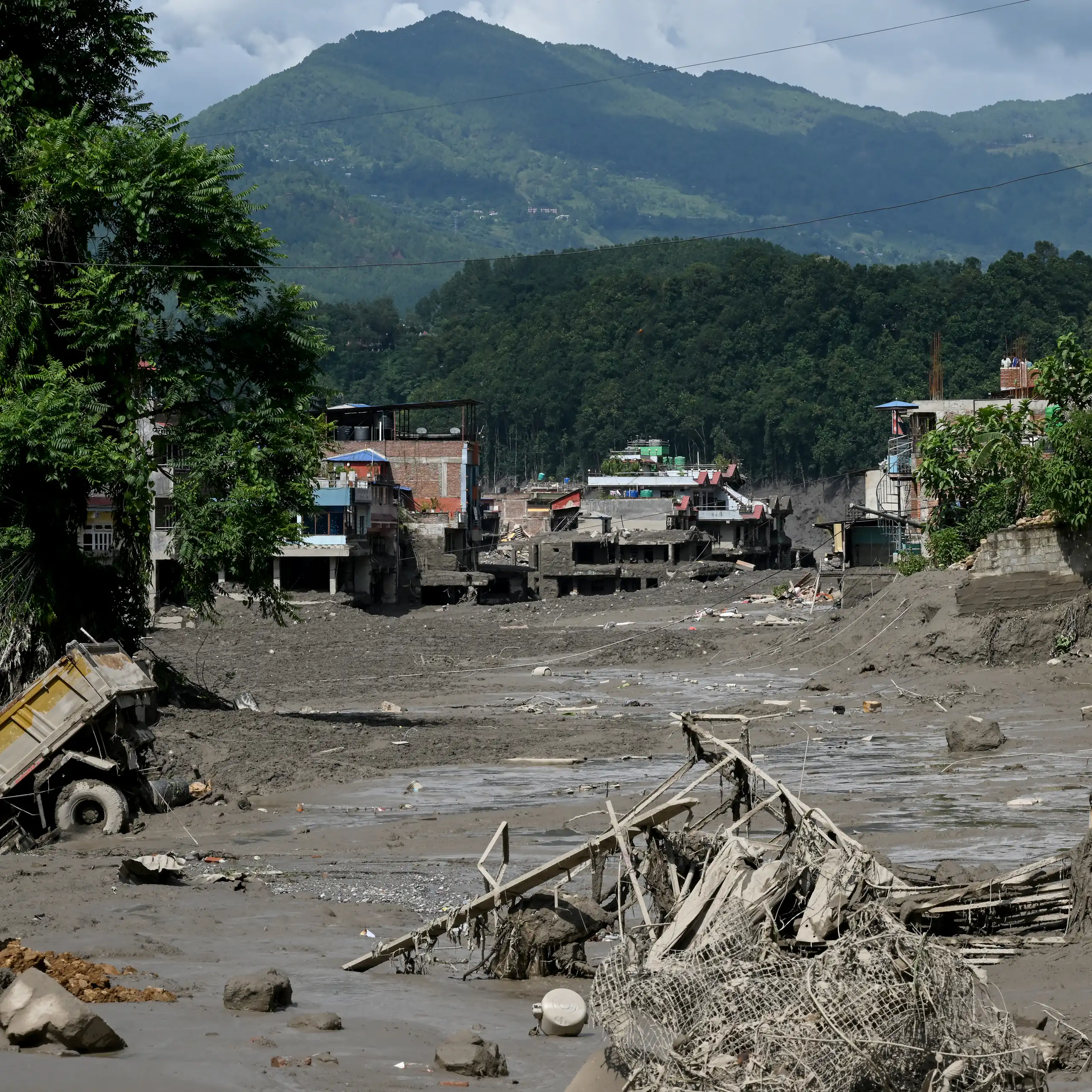
Nepal’s catastrophic flood shows disaster preparedness must be a shared responsibilityRanjan Datta, Mount Royal University and Jebunnessa Chapola, University of Calgary
Nepal-Tibet floods: when disaster strikes before communities recover from previous climate extremes, crisis escalatesTaha Rezaei, University of Exeter and Mark Maslin, UCL
Clear-cut logging is making floods worse. But it’s not just about how many trees are cutKyle Bishop, University of British Columbia and Younes Alila, University of British Columbia
Ecological collapse in the world’s largest mangrove forest is a preview of what’s to comeSnigdhodeb Dutta, Concordia University and Aryama Bhattacharya, Diamond Harbour Women's University
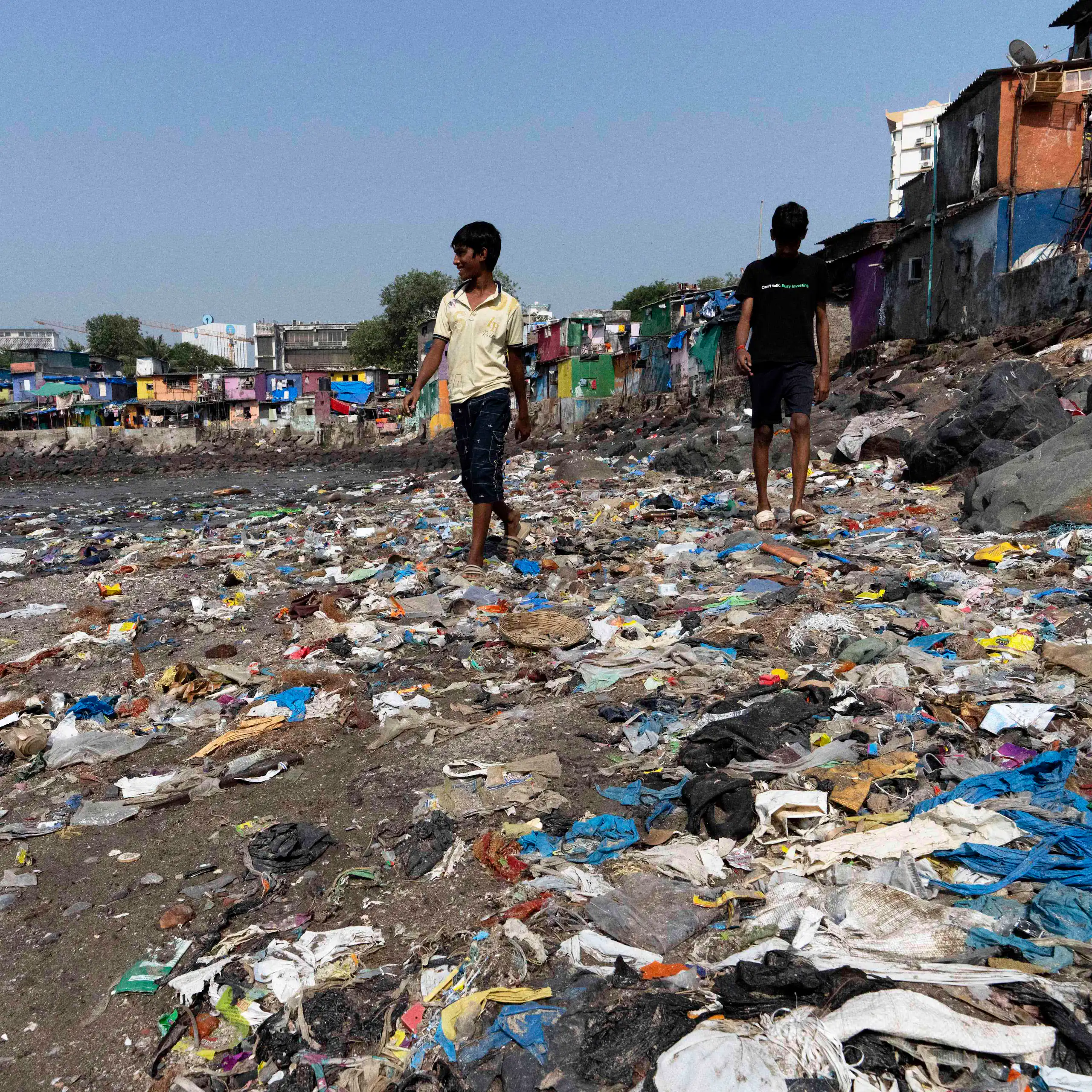
How western consumption becomes the Global South’s environmental nightmareRachida Bouhid, Université du Québec à Montréal (UQAM)
How cities can use rain gardens to help prevent floodingJennifer Drake, Carleton University and Ali Zoghi, Carleton University
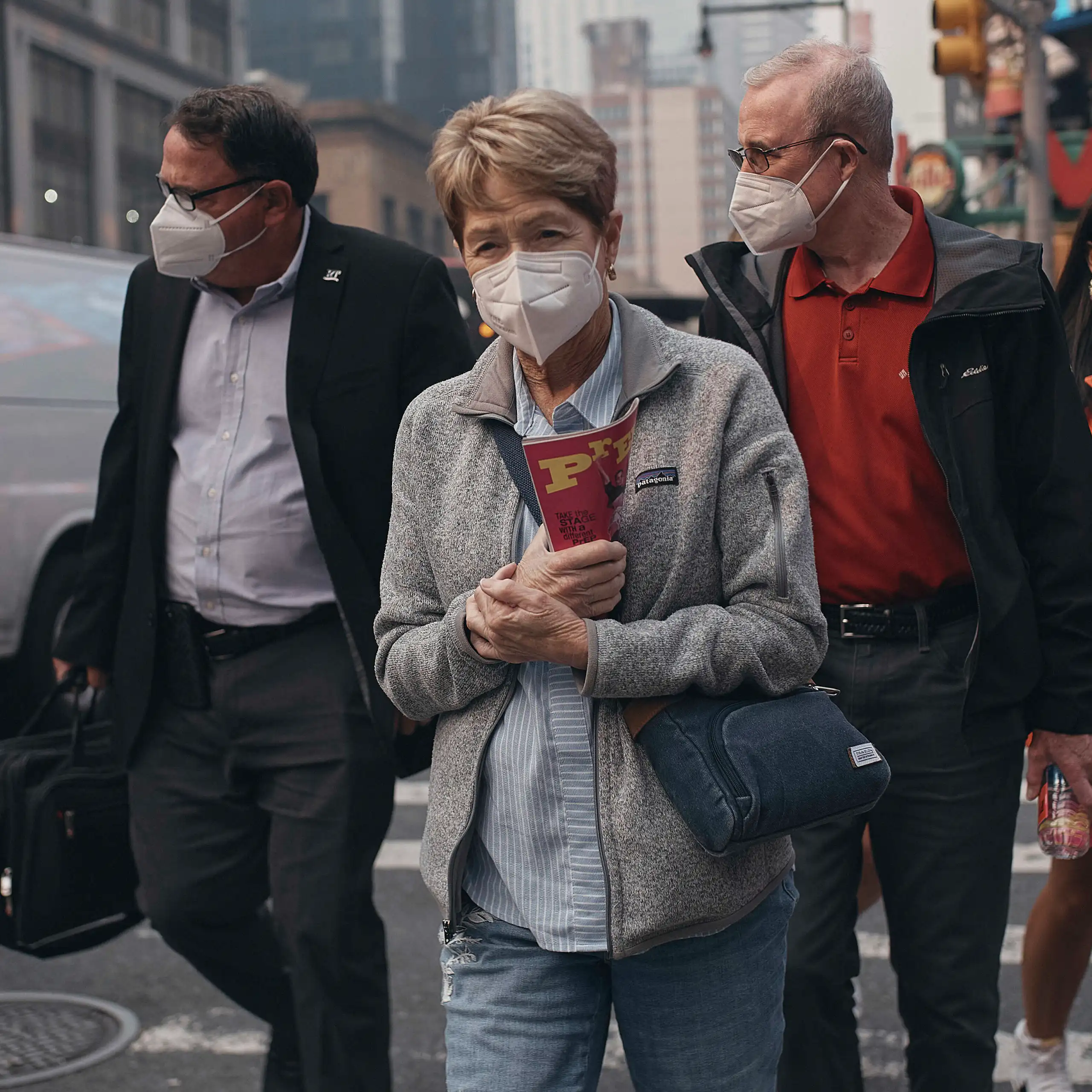
Vulnerability to wildfire smoke is in our genes, thanks to an evolutionary quirkDawn ME Bowdish, McMaster University
France’s nuclear reactors are running hot and still keeping the lights onMichael Tadrous, McMaster University; Columbia University and Goran Calic, McMaster University
Homebuyers are choosing homes with much higher carbon footprints than they realizeBurak Gunay, Carleton University; Liam O'Brien, Carleton University, and Pedram Nojedehi, Carleton University
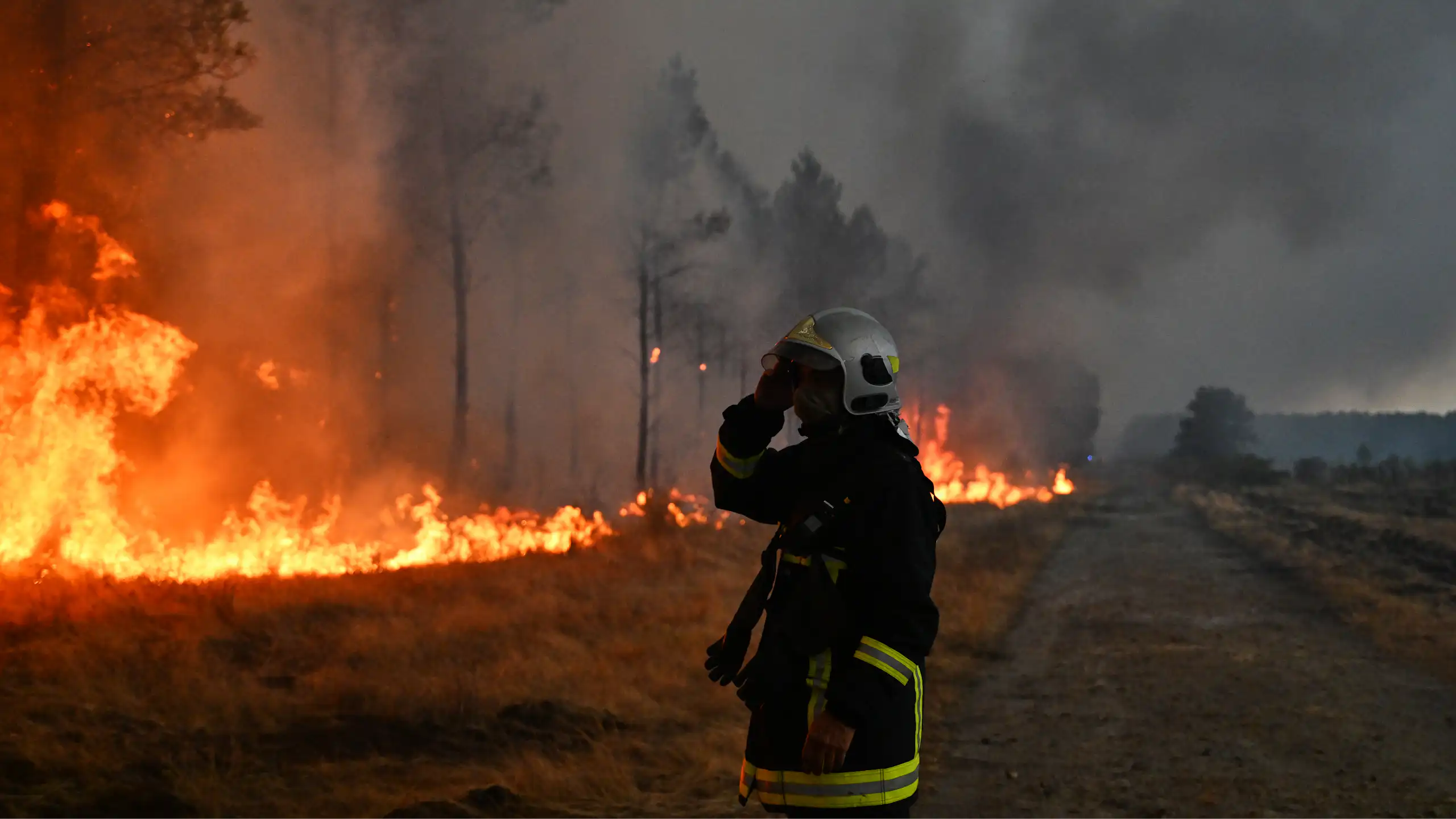
3 ways to improve Canada’s wildfire advisory capacityAtaharul Chowdhury, University of Guelph; Khondokar H. Kabir, University of Guelph, and Ranjan Datta, Mount Royal University
Data centres and democratic decline could lead to more water conflict in the futureRyan Durante, Balsillie School of International Affairs
Some tropical butterflies live surprisingly long lives. Is it their high-protein diet?Jayme Lewthwaite, Carleton University and Arne Mooers, Simon Fraser University
What dandelions and bees can teach us about our responsibilities to the natural worldLouise Zimanyi, Royal Roads University
How we found Haida Gwaii’s first marbled murrelet nest in more than 30 yearsSonya Pastran, University of British Columbia
New research estimates around 20 million insect species on Earth — doubling those facing extinctionDirk Steinke, University of Guelph
As the climate breaks down, costs go up: Welcome to ‘climateflation’Ryan M. Katz-Rosene, L’Université d’Ottawa/University of Ottawa and James Jackson, University of Manchester
Canada’s energy transition needs a more diverse workforceChristina E. Hoicka, University of Victoria and Rebecca Black, University of Victoria
Donald Trump blames Canada for wildfire smoke — but global warming is loading the wildfire diceAndrew Weaver, University of Victoria
Canada’s government needs a better role in disaster preparednessRussell Goulet, Université de Montréal and Gonzalo Lizarralde, Université de Montréal
Impact of climate change may be equivalent to 3.3 million years of transformations in tropical vegetationUbirajara Oliveira, Universidade Federal de Minas Gerais (UFMG)
Canada’s infrastructure projects could damage Pacific salmon habitatsMichael Price, Simon Fraser University
Bird-safe glass must become the norm to prevent collisions with buildingsBrendon Samuels, Western University; Toronto Metropolitan University; Nina-Marie Lister, Toronto Metropolitan University, and Sabrina Careri, Toronto Metropolitan University
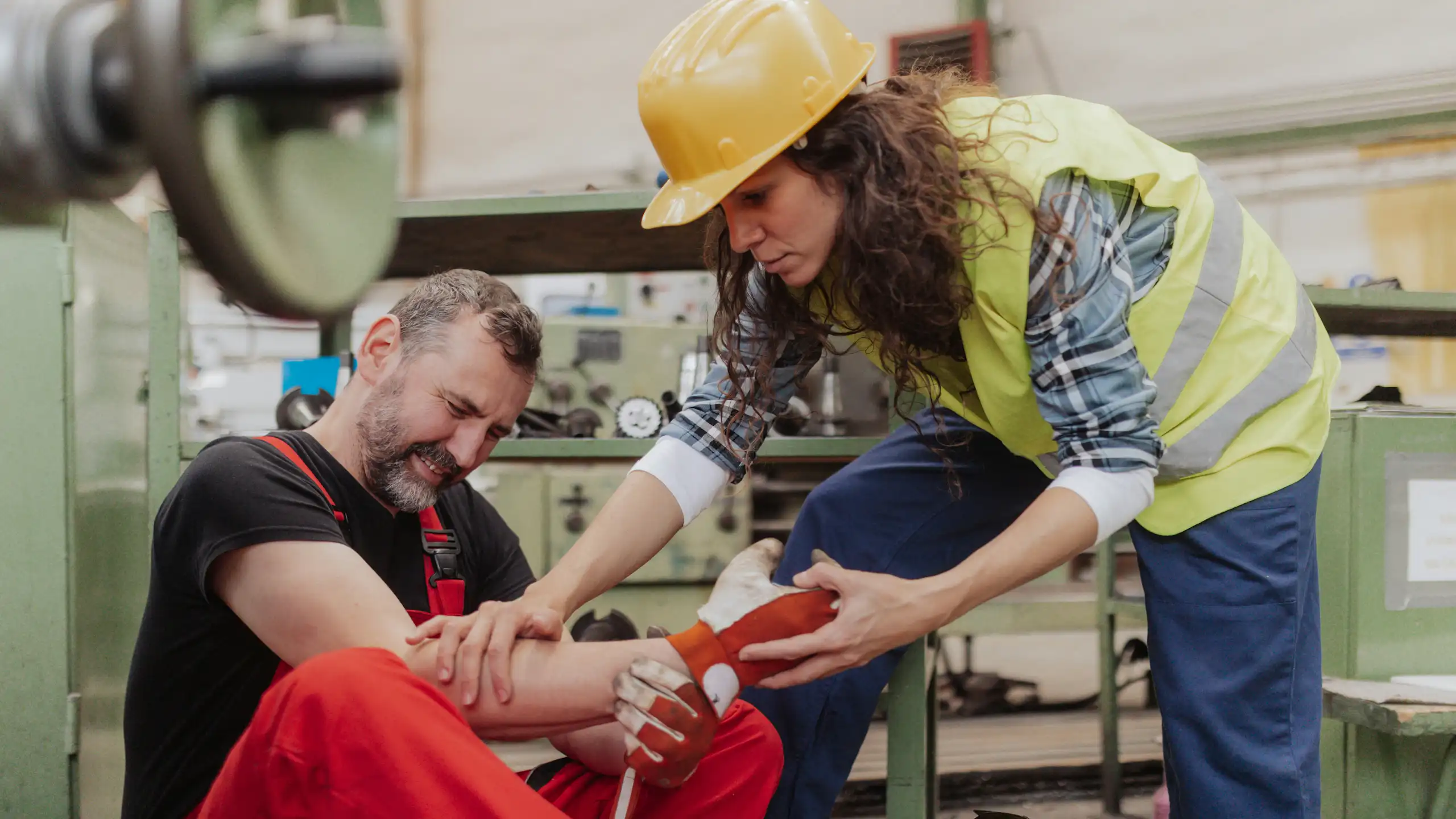
Extreme heat increases the risk of workplace injuries across CanadaNick Turner, University of Calgary; Julian Barling, Queen's University, Ontario, and Kaylee Somerville
Fleeing by boat: Why the Namaygoosisagagun First Nation wildfire tragedy was so predictableSara Wilson, Simon Fraser University
Public health advice tells us to buy local. Can Canada’s food system keep up?Guillaume Lhermie, University of Calgary
Canada’s aerial firefighting system is too slow, and front-line communities are paying the priceJohn Gradek, McGill University
More than half of Earth’s migratory bird species are declining – here’s how we can still save themPeter P. Marra, Georgetown University and Nathan W. Cooper, Smithsonian Institution
Jimothy the raccoon survived against the odds, a testament to sophisticated brains and devoted mothersKelly Lambert, University of Richmond
Industrial development is fragmenting Canada’s boreal forest. Governments should think carefully about future approvalsMaria Strack, University of Waterloo
Car-free streets reduce noise and air pollution. More cities should have themLiam O'Brien, Carleton University
How to stay safe from the triple threat of wildfires, smoke and extreme heatDr. Farhan M. Asrar, Toronto Metropolitan University
Canada’s proposed clean water act needs stronger protections for Indigenous communitiesKerry Black, University of Calgary; Irving Leblanc; Kathleen Padulo, and Linda Debassige
Canadians love outdoor play and land-based learning — but regulations get in the wayBeverlie Dietze, Mount Saint Vincent University; Kelsey Robson, Lakehead University, and Melanie Manitowabi
Unhoused people and wildlife are increasingly coming into contact. Here’s what can be done to protect themSage Raymond, University of Alberta
Rapidly thawing permafrost is acidifying streams across North AmericaElliott Skierszkan, Carleton University and Andras J. Szeitz, McMaster University
Fibreglass: How this emerging contaminant is polluting our coastsZeinab Zoveidadianpour, Simon Fraser University and Juan José Alava, Simon Fraser University
New study finds clear-cut logging can dramatically increase flood riskSpencer Pearson-Atkins, University of British Columbia; Xu Jian (Joe) Yu, University of British Columbia, and Younes Alila, University of British Columbia
Earth’s deep memory is thawing with the Arctic permafrost, degrading records of our ancient worldDuane Froese, University of Alberta; Hendrik Poinar, McMaster University; Scott L. Cocker, Stockholm University, and Tyler J. Murchie, McMaster University
Historical records reveal how Canada’s weather has changed over the centuriesVictoria Slonosky, McGill University
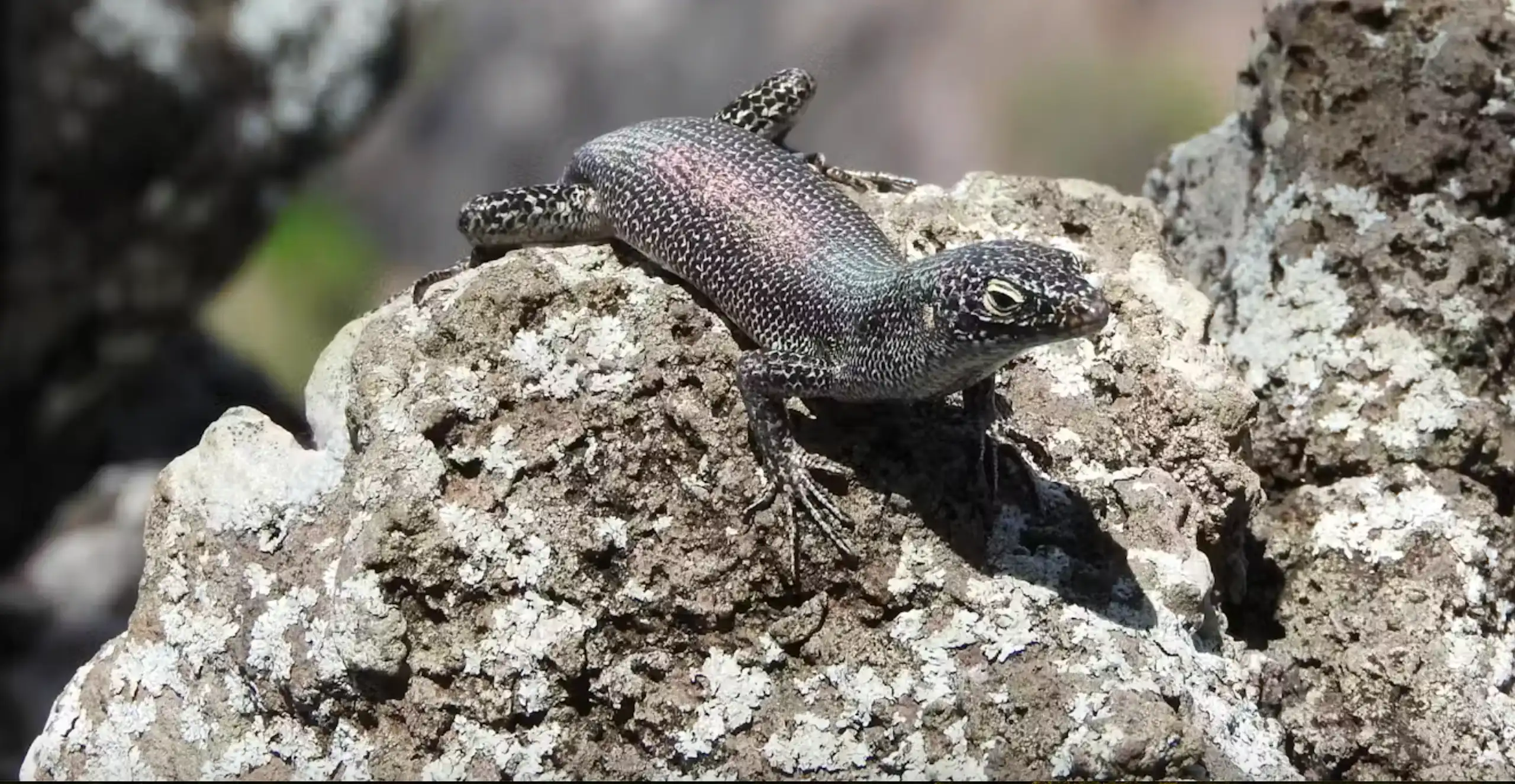
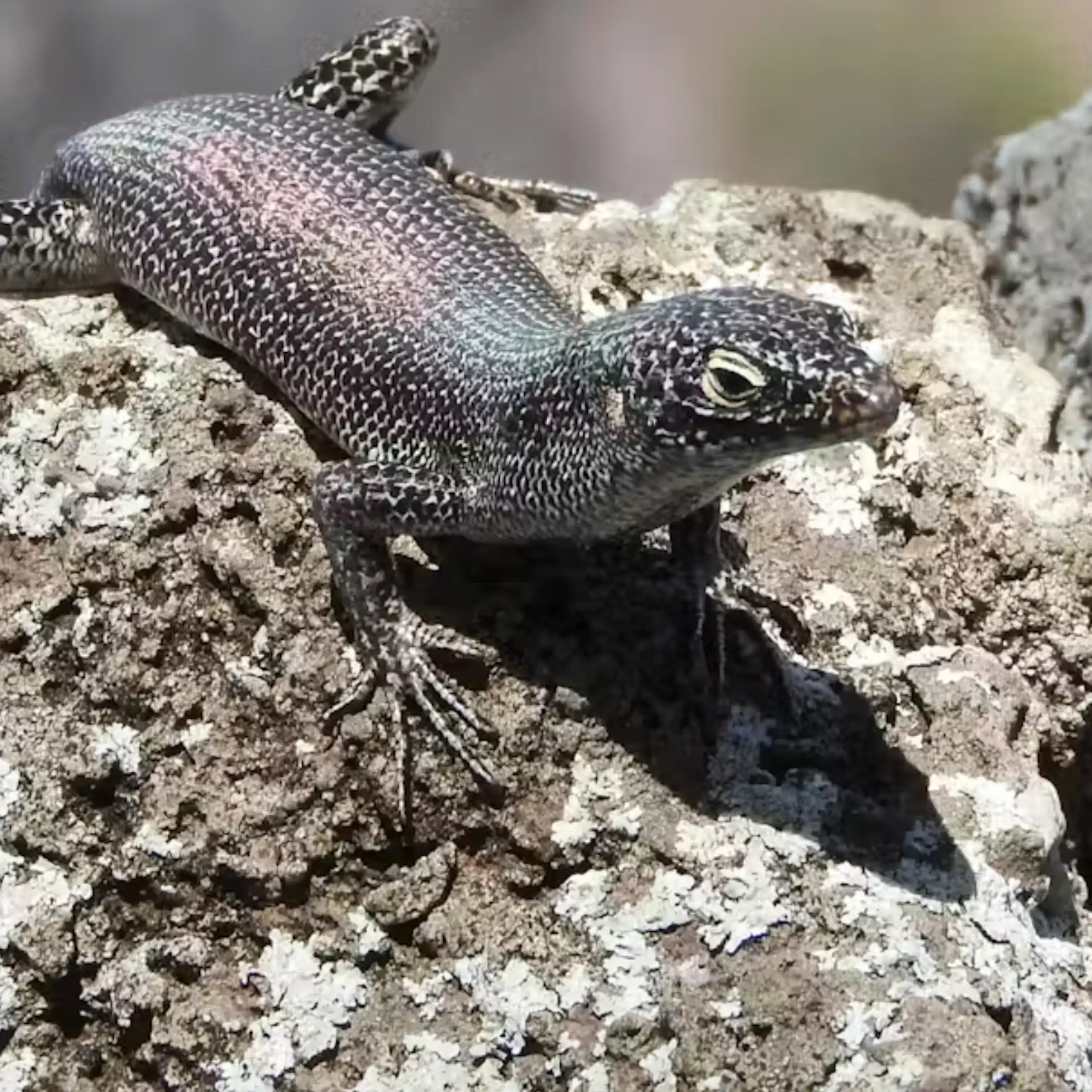
Island life changed how Brazil’s Noronha skink reproduces, but the lizard’s strategy might be failing in a rapidly evolving worldHenrique B. Braz, Instituto Butantan; Selma Maria Almeida-Santos, Instituto Butantan, and Serena Najara Migliore, Instituto Butantan
Moving forests to save them: Here are the risks and rewards of assisted tree migrationAnne Ola, Institut national de la recherche scientifique (INRS); Alison Munson, and Mariétou Diouf
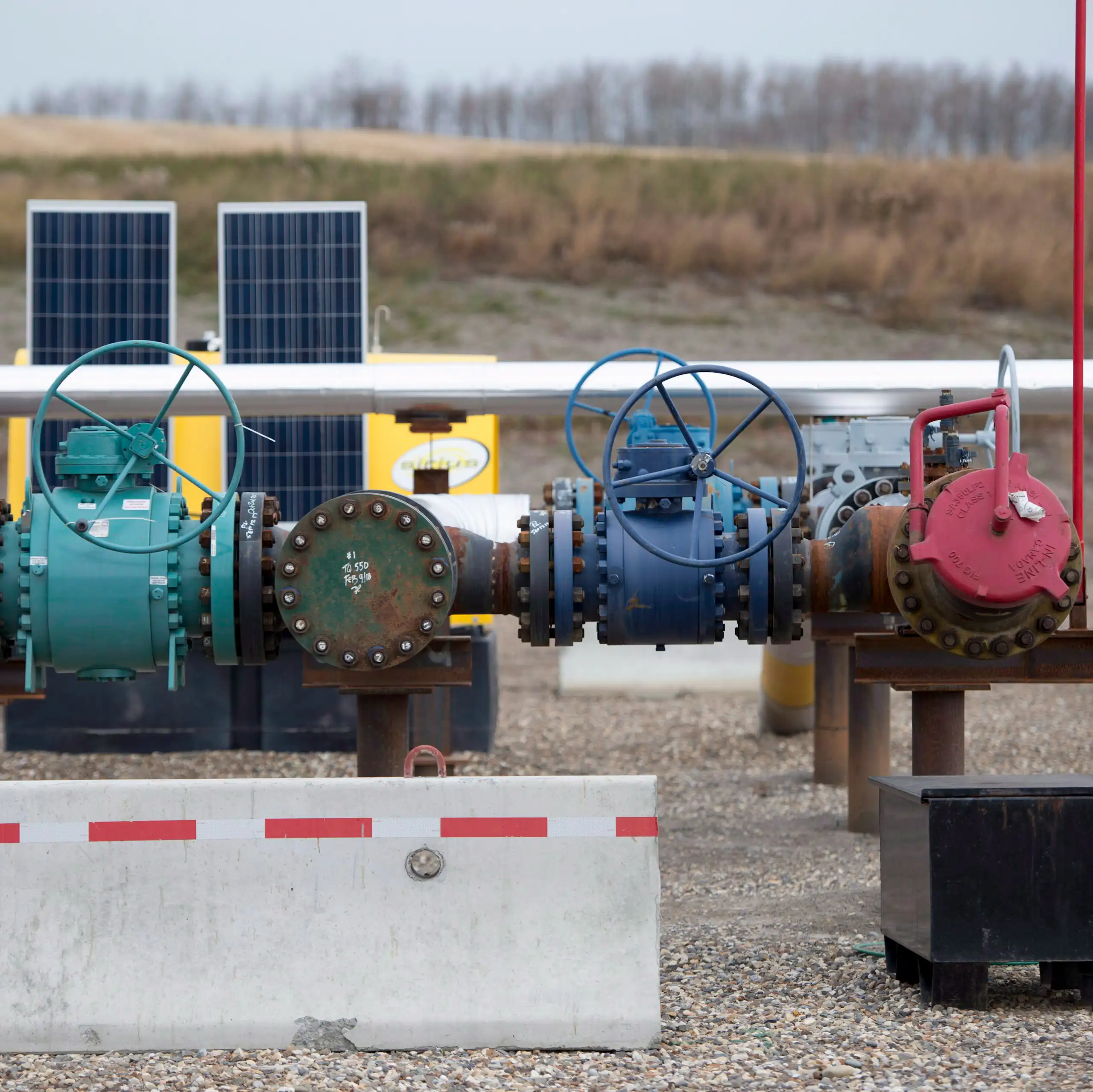
B.C. and Alberta fall behind on fracking safety distances for residentsMargaret McGregor, University of British Columbia; Deborah Curran, University of Victoria; Élyse Caron-Beaudoin, University of Toronto; Kevin Berk, Dalhousie University, and Tim K. Takaro, Simon Fraser University
Your local fishing hole is getting browner, changing which fish species thrive and which ones struggleAllison M. Roth, University of Missouri-Columbia and Irene Gregory-Eaves, McGill University
Ammonia from wastewater: How we’re turning a pollutant into fertilizer and clean fuelNavid Noor, McMaster University and Drew Higgins, McMaster University
Oil price shocks have exposed car-dependent cities. Here’s what governments can doChristopher J. Greyson-Gaito, McMaster University
What science tells us about the algae bloom in the Lincoln Memorial Reflecting PoolMarguerite Xenopoulos, Trent University and Paul Frost, Trent University
When your local reflecting pool or pond turns green with algae, don’t reach for chemicals – nature has better solutionsEric Palkovacs, University of California, Santa Cruz
Universities have a vital role to play in tackling climate changeSarah Elizabeth Wolfe, Royal Roads University and Philip Steenkamp, Royal Roads University
Animals are often moved to make way for infrastructure, but we don’t know what happens to them nextMegan Winand, University of British Columbia
Canada’s AI strategy must reckon with the environmental implications of data centresSibo Chen, Toronto Metropolitan University
Plant-based products need to be easier to find and consistently affordable for shoppersCameron McRae, Simon Fraser University and Laurette Dube, McGill University
Seaweed farming offers benefits, but regulatory gaps pose ecological risksJohn Driscoll, University of British Columbia and Edward Gregr, University of British Columbia
4 steps you can take to avoid ‘perceived scarcity’ and prevent food wasteBonnie Simpson, Western University; Katherine White, University of British Columbia, and Rhiannon M. Mesler, University of Lethbridge
‘Agrivoltaics’ can both power AI data centres and increase food production — new studyJoshua M. Pearce, Western University
The world agreed to protect 30% of the ocean by 2030 – but marine protection can’t be judged by area aloneKirsten Grorud-Colvert, Oregon State University and Ana K. Spalding, Smithsonian Institution
The giant viruses that orchestrate life in the polar regionsThomas M. Pitot, Université du Québec à Chicoutimi (UQAC) and Catherine Girard
How woodchips can help keep ticks off trailsKatarina Ost, L’Université d’Ottawa/University of Ottawa and Manisha A. Kulkarni, L’Université d’Ottawa/University of Ottawa
How Taiwan is balancing between American and Chinese visions of energy dominancePhilippe Le Billon, University of British Columbia
Mining companies may soon bypass UN rules and mine the deep seaCara B. G. James, University of British Columbia
Greater international co-operation is needed to achieve the UN’s global forest goalsTerry Sunderland, University of British Columbia and Peter Wood
Researchers ask us to rethink the ways we see and study the ArcticCandis Callison, University of British Columbia; Adrian Howkins, University of Bristol; Élise Devoie, Queen's University, Ontario, and Megan Bailey, Dalhousie University
What happens to microplastics when swallowed? In earthworms, they do not leave the digestive tractRyan Prosser, University of Guelph and Nicholas Letwin, University of Guelph
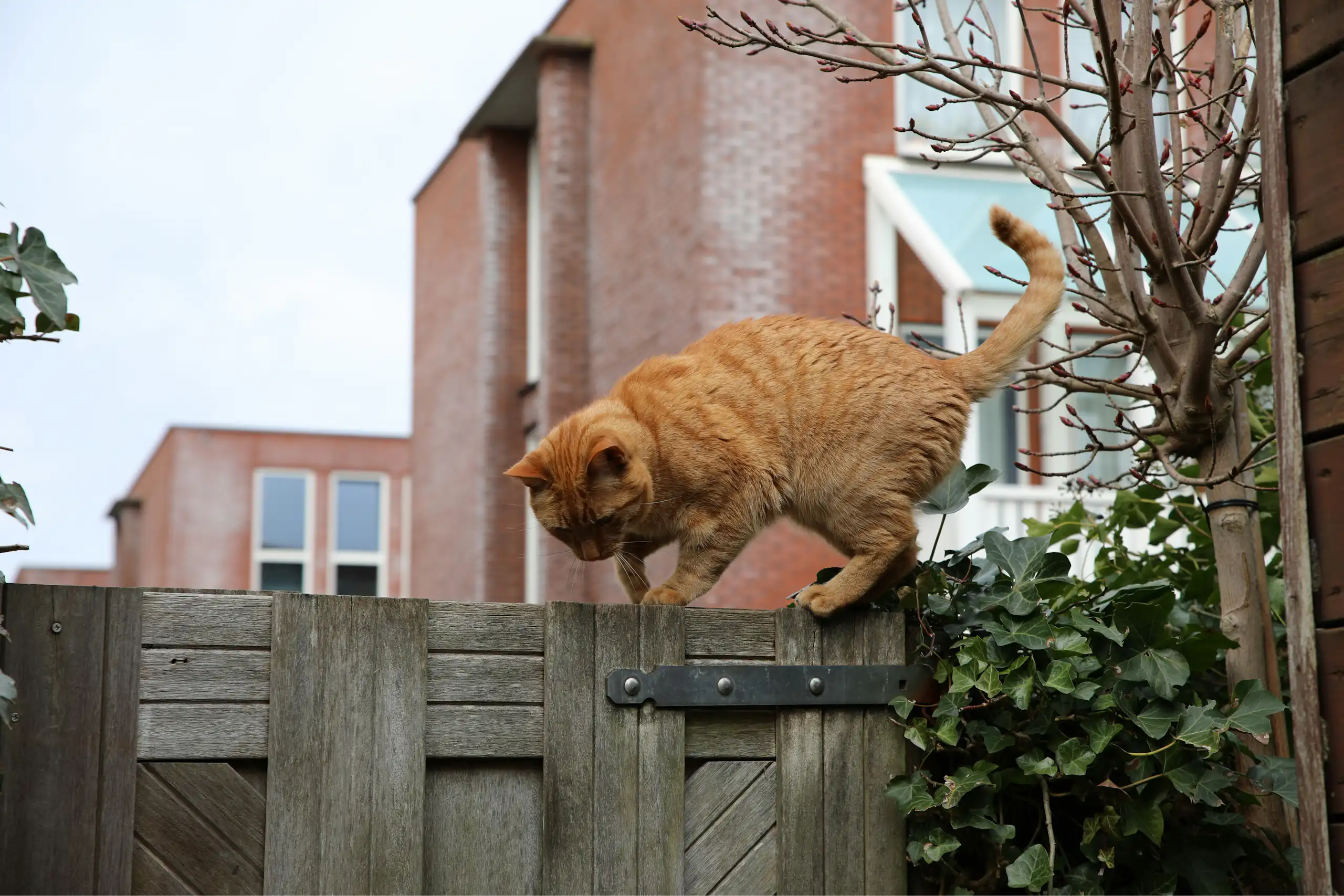
How you can stop your cat from bringing home unwelcome pathogensAmy Wilson, University of British Columbia; Peter P. Marra, Georgetown University, and Scott Wilson, University of British Columbia
Ocean conservation needs strong relationships, not just targetsDerek Armitage, University of Waterloo and Ella-Kari Muhl, Stellenbosch University
What happens when the world’s breadbaskets start failing simultaneously?Ekamjot Dhillon, Balsillie School of International Affairs
Should FIFA be doing more to protect soccer players from the World Cup heat?Toby Mündel, Brock University and Samuel Penna Wanner, Universidade Federal de Minas Gerais (UFMG)
Canada’s aerial wildfire-fighting plan is a start — but it is not yet a strategyJohn Gradek, McGill University
Canada’s ‘major projects’ should not come at the cost of the environmentJulia K. Baum, University of Victoria; Marc Johnson, University of Toronto, and Sarah Otto, University of British Columbia
Canada must rethink how it contributes to international climate financeChristina Frendo, Queen's University, Ontario and Dan Cohen, Queen's University, Ontario
New DNA analysis identifies more members of the ill-fated Franklin expeditionDouglas Stenton, University of Waterloo
Climate change could significantly worsen summer air quality in future decadesRebecca Kaarina Saari, University of Waterloo
Centuries-old logbooks reveal how bowhead whales are recovering from near-extinctionNicholas Freymueller, Adelaide University and Damien Fordham, Adelaide University
Canada should ban fossil fuel ads ahead of the 2026 FIFA World CupMadeleine Orr, University of Toronto; Samira Hussein, University of Toronto, and Sara Durante, University of Toronto
Wars destroy lives and the climate. Why aren’t we counting military emissions?Tamara Krawchenko, University of Victoria
Cricket nuggets? Caterpillar cookies? Canadians would consider eating insects if they can’t see themRassim Khelifa, Concordia University
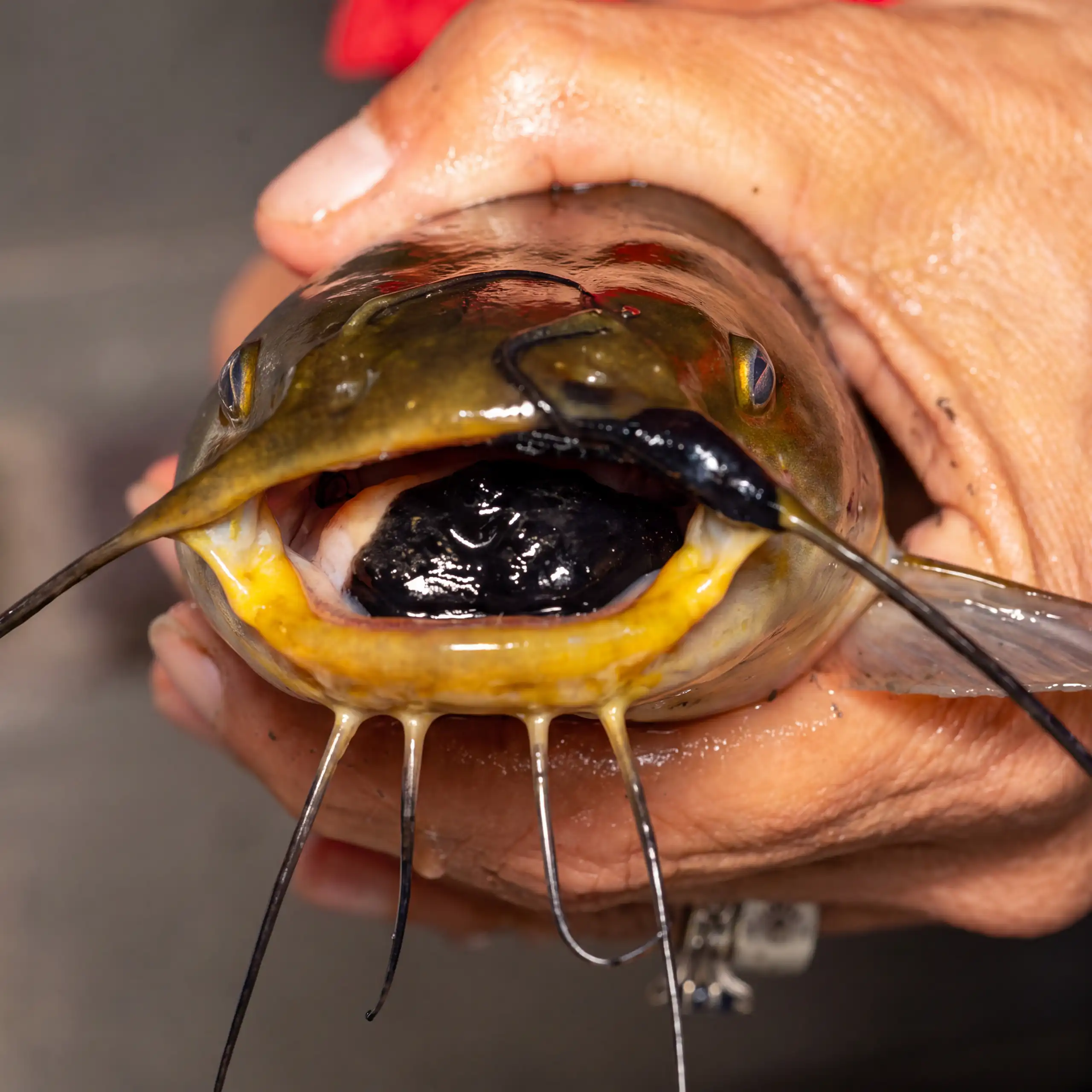
New research highlights how wildfires are harming fishPhilip N. Owens, University of Northern British Columbia; Ellen Petticrew, University of Northern British Columbia; Jason Raine, University of Northern British Columbia, and Kristen Kieta, University of Northern British Columbia
After the flames, wildfires pollute drinking water for yearsQingshi Tu, University of British Columbia; Loretta Li, University of British Columbia, and Raul de Leon Rabago, University of British Columbia
Summers are getting longer each year, and it isn’t all fun and gamesTed Scott, University of British Columbia
Countries must back commitments to transition from fossil fuels with actionPhilippe Le Billon, University of British Columbia and Pierre Wokuri, Sciences Po Rennes
Extreme heat is a growing threat to health, jobs and food security in southern Africa – study looks for practical solutionsJerome Amir Singh, University of Toronto and Caradee Yael Wright, South African Medical Research Council
Bottom trawling is scraping oceans of wildlifeSarah Foster, University of British Columbia and Amanda Vincent, University of British Columbia
New Ontario water and sanitation law could pave the way for the financialization of public waterMeera Karunananthan, Carleton University
Heat-resistant corals could help reefs adapt to climate changeWhitney Isenhower, University of Toronto
How wildlife conservancies perpetuate green colonialism in KenyaKariũki Kĩrigia, University of Toronto
We found a way to turn Canada goose poop into chicken feed and crop fertilizerRassim Khelifa, Concordia University and Carlos Antonio Lopez Manzano, Concordia University
Why do polar bears approach human infrastructure? The answer is more complex than we thoughtDouglas Clark, University of Saskatchewan
Why your pet reptile ‘surfs’ the glass or rubs against the barriers of their enclosureMelanie Denomme, Brock University
Climate policy isn’t partisan — research suggests more on the right support it than oppose itEmily Huddart, University of British Columbia and Tony Silva, University of British Columbia
Proposed high-speed rail will not make a big dent in Canada’s greenhouse gas emissionsRyan M. Katz-Rosene, L’Université d’Ottawa/University of Ottawa
We developed a biodegradable wash that can remove pesticides and keep fruit fresh longerTianxi Yang, University of British Columbia; Ling Guo, University of British Columbia, and Tzu-Cheng (Ivy) Chiu, University of British Columbia
Canada’s Arctic security depends on more than defence — here’s how immigration could helpHamed Kazemzadeh, University of Calgary; L’Université d’Ottawa/University of Ottawa
Here’s what to expect from the first Conference on Transitioning Away from Fossil FuelsKyla Tienhaara, Queen's University, Ontario and Christina Frendo, Queen's University, Ontario
Global supply chains cause environmental harm, but they can help repair it tooMinelle Silva, University of Manitoba; Jia Yen Lai, Monash University, and Lee Matthews, University of Nottingham
Hurdles to a hobby: How climate change and ‘runfluencer’ culture impact our daily jogMadeleine Orr, University of Toronto and Caitlin Felteau-McInnis, University of Toronto
Legal categories for animals still divide — and limit — animal rightsDaphnée B. Ménard, L’Université d’Ottawa/University of Ottawa
Predators and prey: What studying animals teaches us about toxic work environmentsJean Poitras, HEC Montréal
Paris has successfully cut noise pollution, but urban birds still can’t sing at their natural pitchDan Mennill, University of Windsor
Forty years after the Chernobyl disaster, its legacy still resonatesDavid Roger Marples, University of Alberta
Do beaver dams really make flooding worse? Research casts doubt on beavers as flood culpritsPascale Biron, Concordia University; Maxime Boivin, Université du Québec à Chicoutimi (UQAC), and Thomas Buffin-Bélanger, Université du Québec à Rimouski (UQAR)
We designed the turf for soccer’s biggest World Cup ever – here’s how we created the same playing experience across 3 countriesJohn N. Trey Rogers, Michigan State University; Jackie Lyn A. Guevara, Michigan State University; John Sorochan, University of Tennessee, and Ryan Bearss, Michigan State University
Netflix’s The Dinosaurs rehashes a very old story of empire and conquestFrederick Oliver Beeby Maglaque, University of British Columbia and Kirsten F. Hodge, University of British Columbia
A global butterfly index could advance insect conservation worldwideFederico Riva, Carleton University
New research shows how forests can prevent floods of all sizesSamadhee Kaluarachchi, University of British Columbia and Younes Alila, University of British Columbia
From ‘sustainable’ to ‘regenerative’ agriculture: What’s in a name?Kate Congreves, University of Saskatchewan
Queen bumblebees can breathe underwater — for days. We discovered howSabrina Rondeau, L’Université d’Ottawa/University of Ottawa; Charles-Antoine Darveau, L’Université d’Ottawa/University of Ottawa, and Nigel Raine, University of Guelph