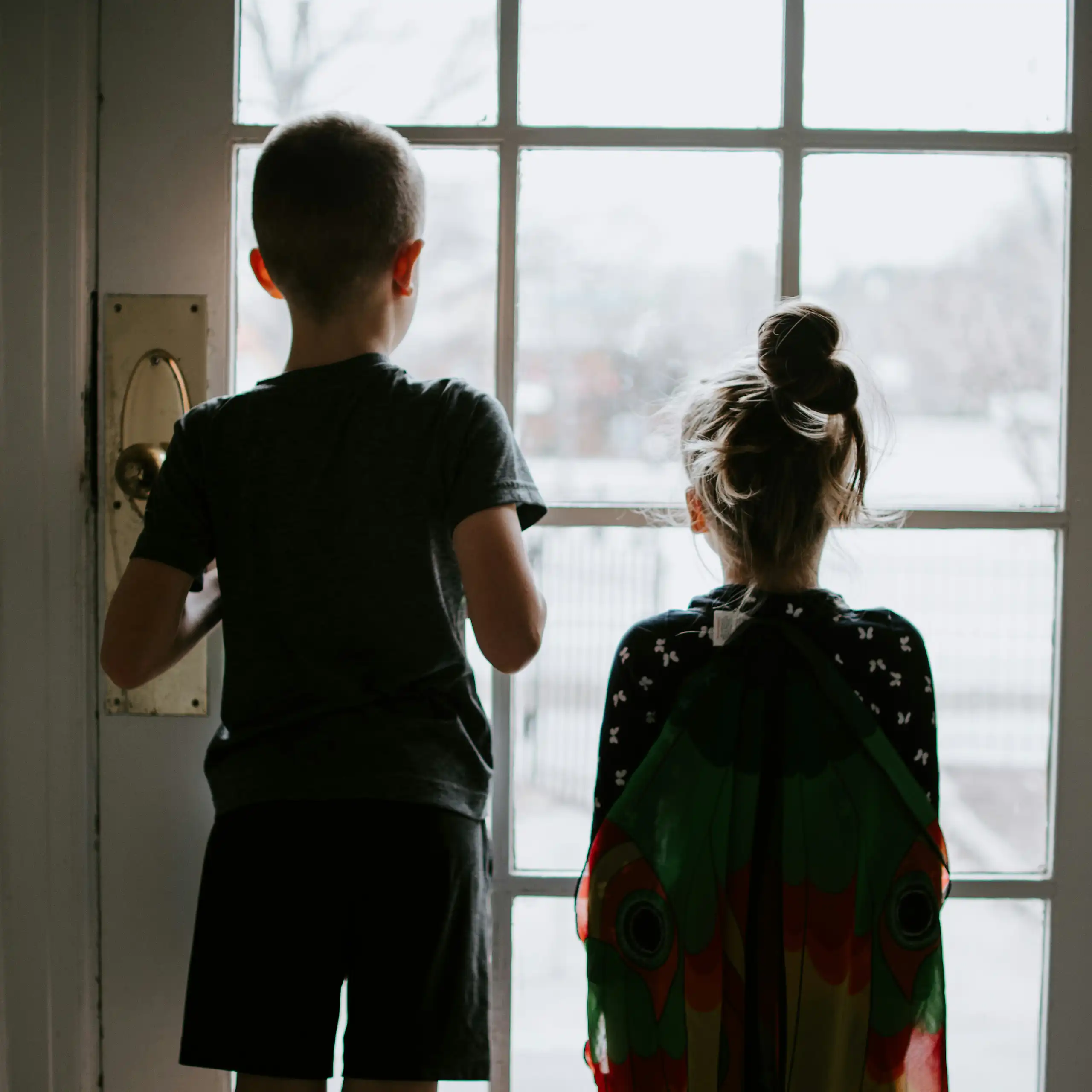
How 39 young people experience climate education in a rapidly changing worldKimberlee Collins, University of Guelph; Carla Rice, University of Guelph, and Chelsea Jones, Brock University
4 questions about schoolwork feedback to guide young students’ learningFarid Bashiri, Queen's University, Ontario
Shortening Canadian teacher education risks devaluing the profession of teachingEmily MacLeod, McGill University; UCL
The release of AI chatbots has harmed teens’ learning and Canada needs to actAdam Kenneth Dubé, McGill University
Universities are making different choices about AI. How will they fit with their public missions?Nadia Delanoy, University of Calgary
Why the ugly history of IQ testing matters for AI and educationJay Timothy Dolmage, University of Waterloo
As the school year settles in, making room for the arts can support everyday well-beingHeather McLaughlin, Concordia University
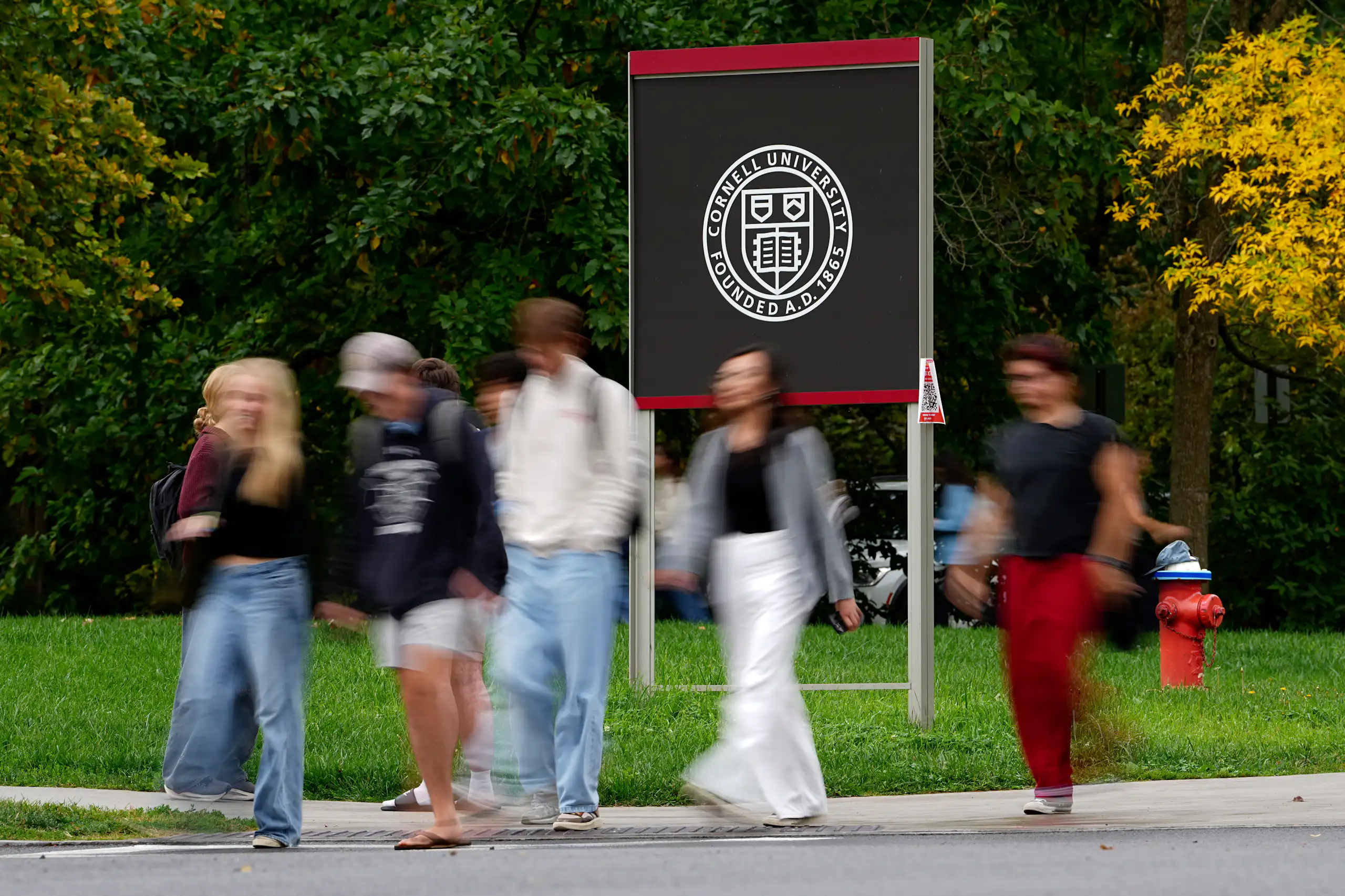
We need stronger sexual health education — the ‘Cornell 7’ case shows whyShannon D. M. Moore, University of Manitoba and Jennifer Watt, University of Manitoba
Alberta’s education reforms tell students public life is safest when differences are hiddenTeresa Anne Fowler, University of Calgary
How 1,200 Saskatchewan teachers have experienced the province’s pronoun policyVicky Parohl, University of Saskatchewan; Marc Usunier, and Vicki Squires, University of Saskatchewan
5 ways sorting Halloween candy can help children develop mathematics skillsSheri-Lynn Skwarchuk, University of Winnipeg; Erin A Maloney, L’Université d’Ottawa/University of Ottawa, and Heather P. Douglas, Carleton University
Should AI chatbots simulate care for students? Alberta teachers say noSoroush Sabbaghan, University of Calgary
5 ways teachers can respond to residential school denialism in the classroomLindsay Gibson, University of British Columbia and James Miles, University of Alberta
Why universities must tread carefully when validating Onkwehón:we identityFrank Deer, University of Manitoba
Canada’s Indigenous health obligations can’t be separated from rights and reconciliationJamaica Cass, York University, Canada; Queen's University, Ontario
Mawachihitotaak: For Métis, it matters to say ‘let’s get together’ to share storiesYvonne Poitras Pratt, University of Calgary; Madelaine McCracken, L’Université d’Ottawa/University of Ottawa, and Melanie Griffith Brice, University of Calgary
Mothering while Black: To protect our children, we draw on traditions of refusalTakwana Nhau, Carleton University
A historian of Black Canada gives a report card on Ontario’s new mandated Black history educationNatasha Henry-Dixon, York University, Canada
Confronting residential schools denialism is an ethical and shared Canadian responsibilitySean Carleton, University of Manitoba and Benjamin Kucher, University of Alberta
Acting with one mind: Gwich’in lessons for truth and reconciliationCrystal Gail Fraser, University of Alberta
The real truth about stories: Book recommendations from the Indigenous Literatures LabJennifer Brant, University of Toronto; Erenna Morrison, University of Toronto; Gayatri Thakor, University of Toronto; Jasmine Rice, University of Toronto, and Miyopin Cheechoo, University of Toronto
My grandfather kept his rejected degree for 50 years. Decades later, Canada still deskills immigrantsKaya M. Anderson, Western University
People studying to become teachers speak about Islamophobia and anti-Palestinian racism in Ontario schoolsZuhra Abawi, York University, Canada and Naved Bakali, University of Windsor
How families can support children’s early mathematics learning at homeOzlem Cankaya, MacEwan University
How ‘technoference’ can disrupt parent-child connectionsGizem Keskin, University of Calgary; Penny Pexman, Western University, and Sheri Madigan, University of Calgary
How chronic absenteeism shifted in Canadian kindergarten after COVID-19Caroline Reid-Westoby, McMaster University and Magdalena Janus, University of British Columbia
Ontario kindergarten: What changed, what didn’t and why it mattersKristy Timmons, Queen's University, Ontario and Pamela Beach, Queen's University, Ontario
When can your child stay home alone? Neuroscience suggests we’re asking the wrong questionCodie C. Lavoie, University of Southern California
Have child, need job: How child-care problems prevent many families from re-entering the workforceAlisaleh Shariati, L’Université d’Ottawa/University of Ottawa and Emis Akbari, University of Toronto
Why parent-child playful interactions mean so much more than fun and gamesAna Karen Espinosa Becerra, L’Université d’Ottawa/University of Ottawa and Jean-François Bureau, L’Université d’Ottawa/University of Ottawa
Why teacher training is the overlooked route to a stronger special education systemJordan Shurr, Queen's University, Ontario
School phone bans are working in Toronto elementary schools — and failing in high schoolsSachin Maharaj, L’Université d’Ottawa/University of Ottawa and John Ranellucci, L’Université d’Ottawa/University of Ottawa
Students need more than AI skills — they need accountable AI literacySibo Chen, Toronto Metropolitan University
Free period products in schools help girls and young women, but only when they’re availableKamilla Bonnesen, L’Université d’Ottawa/University of Ottawa; Olivia Cooke, L’Université d’Ottawa/University of Ottawa, and Tracy Vaillancourt, L’Université d’Ottawa/University of Ottawa
Standardized tests needed to boost student achievement? Saskatchewan begs to differMarc Spooner, University of Regina
The private school market serving international secondary students in Ontario has grownOlivia Johnston, Edith Cowan University; Laura Perry, Murdoch University; Roopa Desai Trilokekar, York University, Canada, and Sue Winton, York University, Canada
How routines, rituals and rites of passage are foundations of an inclusive classroomCornelia Schneider, Mount Saint Vincent University
Why the real test of Canada’s AI strategy is in university classroomsJohanathan Woodworth, Mount Saint Vincent University
Why should humanities education persist in an AI age? Self-development, to startJohannes Steizinger, McMaster University
What Canada could gain from joining the EU’s Erasmus+ program, and what’s unresolvedDale Kirby, Memorial University of Newfoundland
Experiential and ‘work-integrated’ learning aren’t the same — and it matters for higher educationDavid Peacock, University of Alberta
Many Jewish faculty and staff say university EDI is failing themLilach Marom, Simon Fraser University
Looking for Indigenous history? ‘Shekon Neechie’ website recentres Indigenous perspectivesMary Jane Logan McCallum, University of Winnipeg; Robert Alexander Innes, McMaster University, and Susan M. Hill, University of Toronto
5 vital leadership takeaways from the life of Chief PoundmakerAndrew J. Karesa, The King's University Canada
As Canada is threatened, it’s urgent to revisit Indigenous sovereignty and nationhoodFrank Deer, University of Manitoba
Curve Lake’s day school history reveals Indigenous activism in the face of colonial schoolingJackson Pind, Trent University
Why Canadians need two dramatic educational shifts to honour reconciliationJennifer Wallner, L’Université d’Ottawa/University of Ottawa and Gavin Furrey, L’Université d’Ottawa/University of Ottawa
Truth before reconciliation: 8 ways to identify and confront Residential School denialismDaniel Heath Justice, University of British Columbia and Sean Carleton, University of Manitoba
How Indigenous-led health education in remote communities can make reconciliation realJamaica Cass, Queen's University, Ontario
Youth are charting new freshwater futures by learning from the water on the waterAndrea Reid, University of British Columbia and Dalal Hanna, Carleton University
Revisiting the Williams Treaties of 1923: Anishinaabeg perspectives after a centuryJackson Pind, Trent University and Jack Hoggarth, Trent University
6 ways to build resilience and hope into young people’s learning about climate changeSimon Appolloni, University of Toronto
How early childhood education is responding to climate changeVeronica Pacini-Ketchabaw, Western University
What dandelions and bees can teach us about our responsibilities to the natural worldLouise Zimanyi, Royal Roads University
Teachers need bolder action from our school boards to educate in and for a climate emergencyKaren S. Acton, University of Toronto
Saskatchewan’s new oil and gas high school courses are out of step with global climate actionMarcia McKenzie, University of Saskatchewan; Emily Eaton, University of Regina, and Kristen Hargis, University of Saskatchewan
A safe AI strategy for Canadian youth should include age-associated risksAdam Kenneth Dubé, McGill University
Canada’s AI strategy needs educators who feel prepared, not just trainedLydia Scholle-Cotton, Queen's University, Ontario; Cheryl Lee-Yow, Queen's University, Ontario, and Emily Luo, Queen's University, Ontario
We asked teachers about their experiences with AI in the classroom — here’s what they saidNadia Delanoy, University of Calgary
Nihilistic violent extremist networks recruit vulnerable people — and our youth need supportKawser Ahmed, University of Manitoba
6 ways AI can partner with us in creative inquiry, inspired by media theorist Marshall McLuhanGordon A. Gow, University of Alberta
AI in universities: How large language models are transforming researchAli Shiri, University of Alberta
Why we should be skeptical of the hasty global push to test 15-year-olds’ AI literacy in 2029J-C Couture, University of Alberta; Michele Martini, University of Naples Federico II, and Susan Lee Robertson, University of Cambridge
Writing is a technology that restructures thought — and in an AI age, universities need to teach it moreJoel Heng Hartse, Simon Fraser University and Taylor Morphett, Kwantlen Polytechnic University
Philosopher Hannah Arendt provokes us to rethink what education is for in the era of AIPaul Tarc, Western University