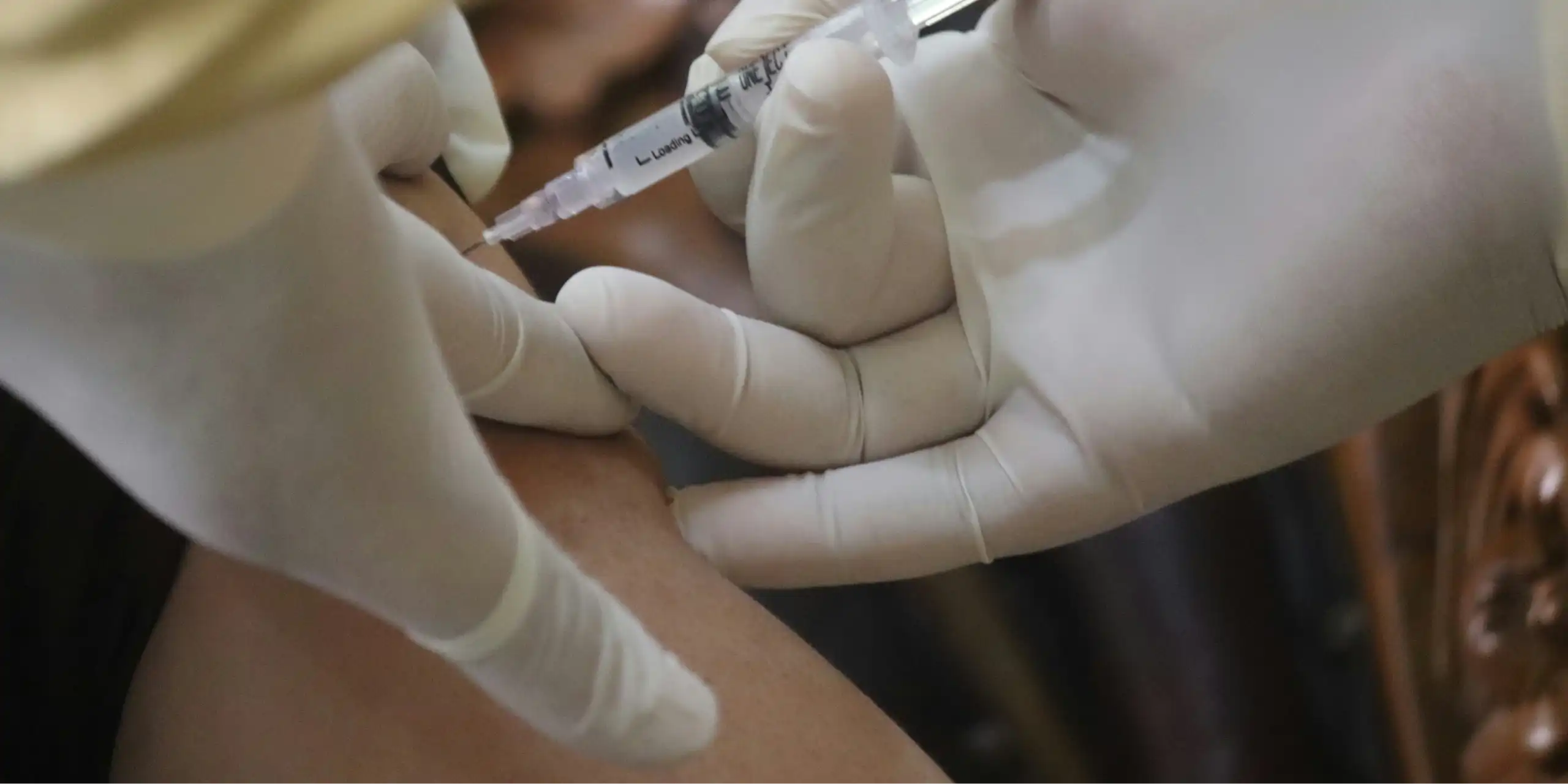
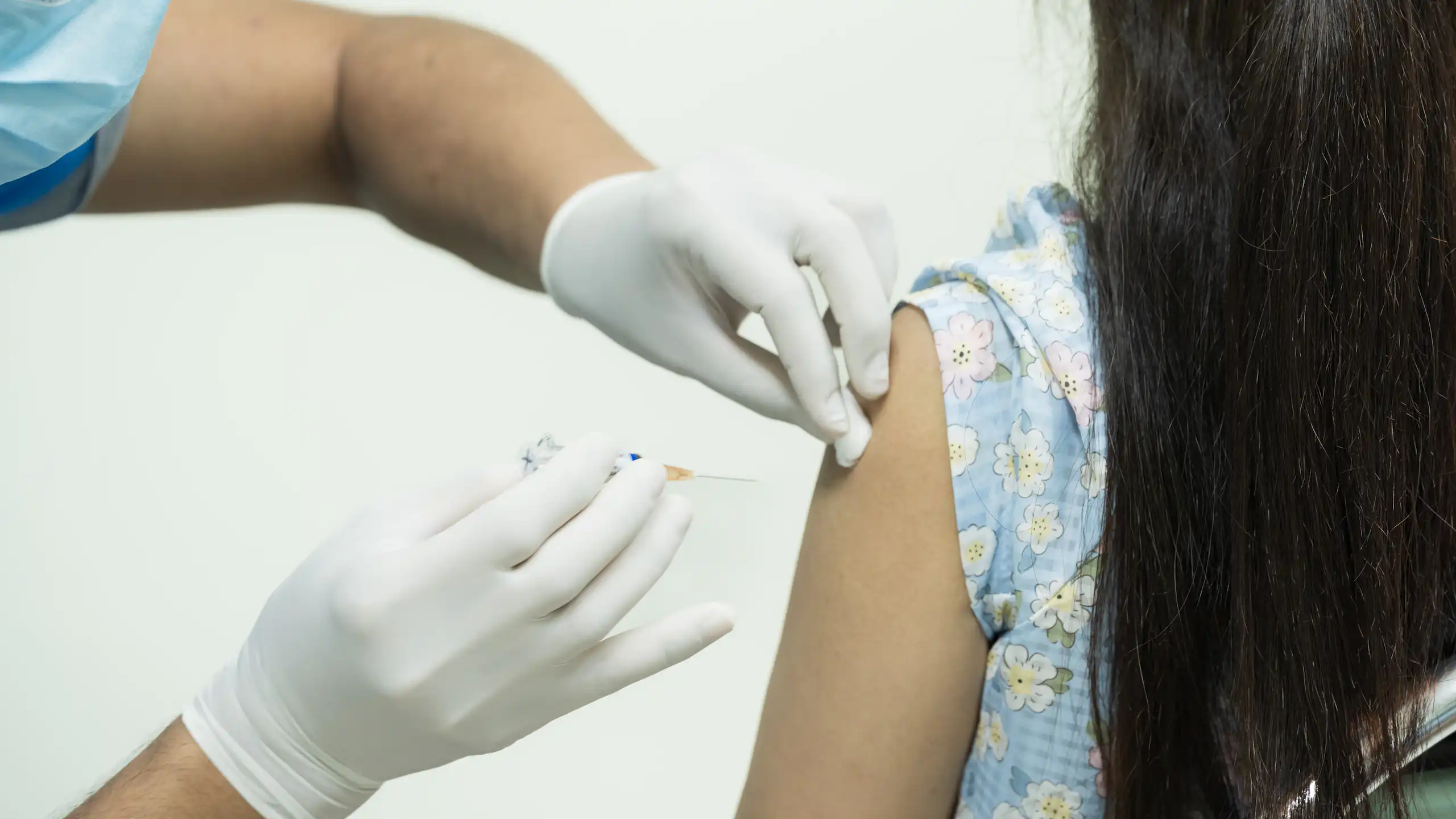
An inquiry into alleged COVID-19 vaccine injuries fails to weigh the ethics and risks of Canada’s responseKari Pahlman, University of Sydney; Diego S. Silva, University of Sydney, and Maxwell J. Smith, Western University
Why using AI saves doctors time but won’t fix physician burnoutAli Abdalvand, University of British Columbia and Ehsan Etezad, Saint Mary’s University
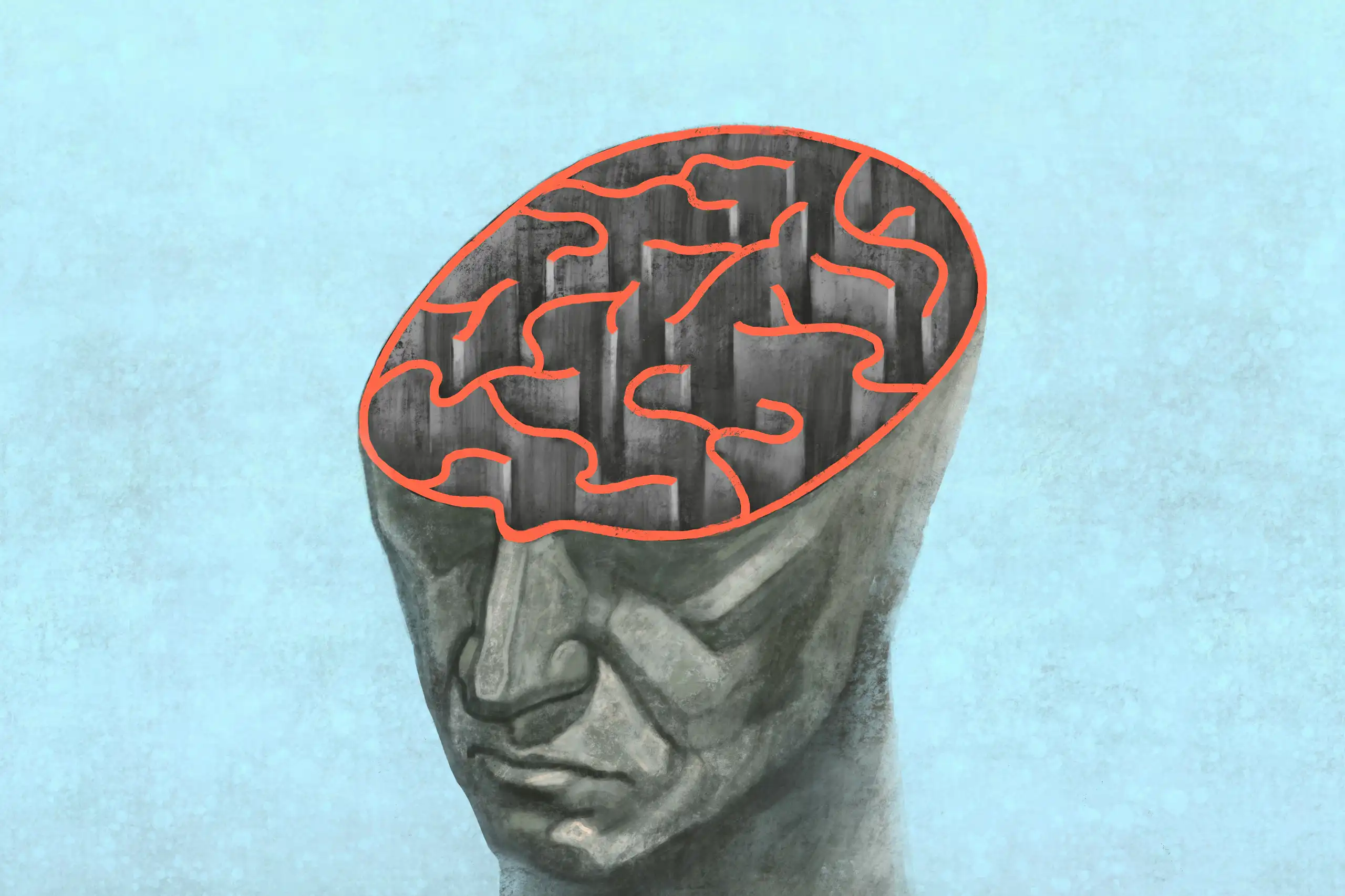
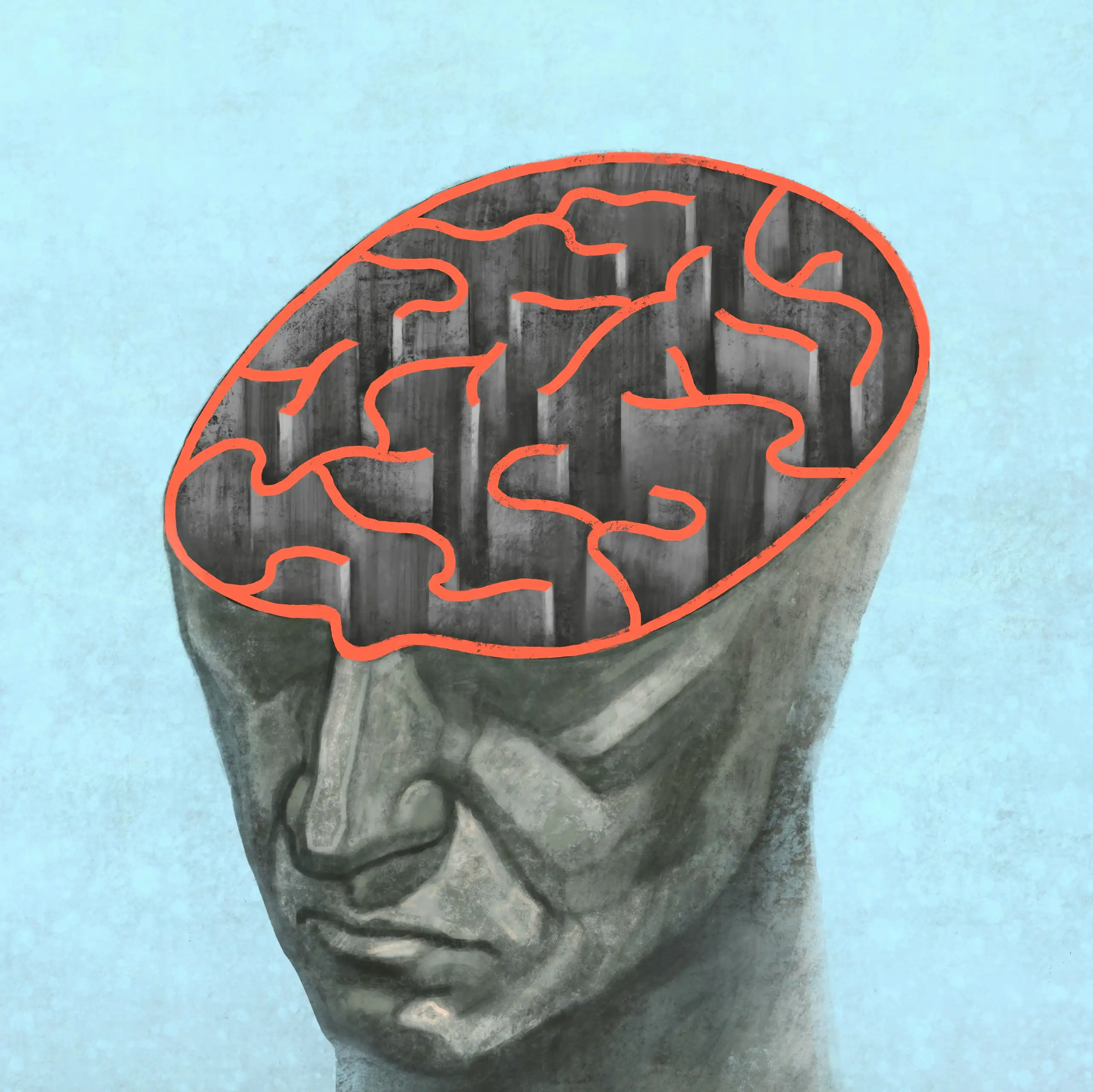
Dehydration, UTIs and cognitive health: Getting enough to drink is complicated for people with brain disordersAderonke Agboji, University of Northern British Columbia and Fiona MacDonald, University of Northern British Columbia
Wainwright fire shows the importance of health-care system resilience to Canadian securityBhavini Gohel, University of Calgary and Marcia Clark, University of Calgary
Sex toys aren’t just for fun. They can be adaptive tools for disabled and chronically ill peopleMaha Khawaja, McMaster University
Drug company promotion negatively affects how doctors prescribe: Insights from a new Cochrane reviewJoel Lexchin, University of Toronto; York University, Canada; University of Sydney; Alice Fabbri, University of Bath; Barbara Mintzes, University of Sydney, and Quinn Grundy, University of Toronto
The politics of city rats: What urban rodents tell us about housing and sanitationChristine Yanagawa, Simon Fraser University and Kaylee Byers, University of British Columbia; Simon Fraser University
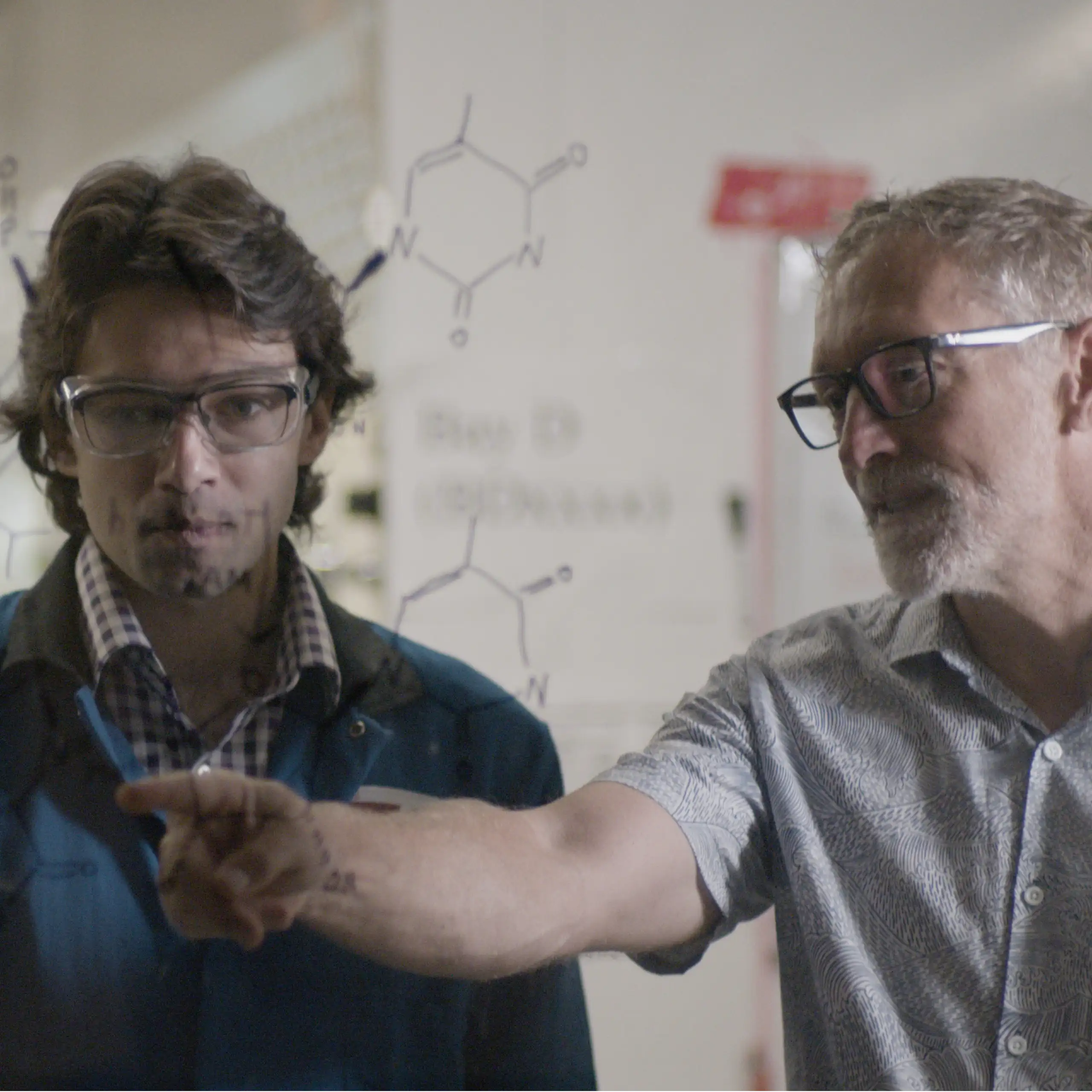
Here’s how scientists aim to speed up drug development for treating new virusesRobert Britton, Simon Fraser University and Matthew Anketell, Simon Fraser University
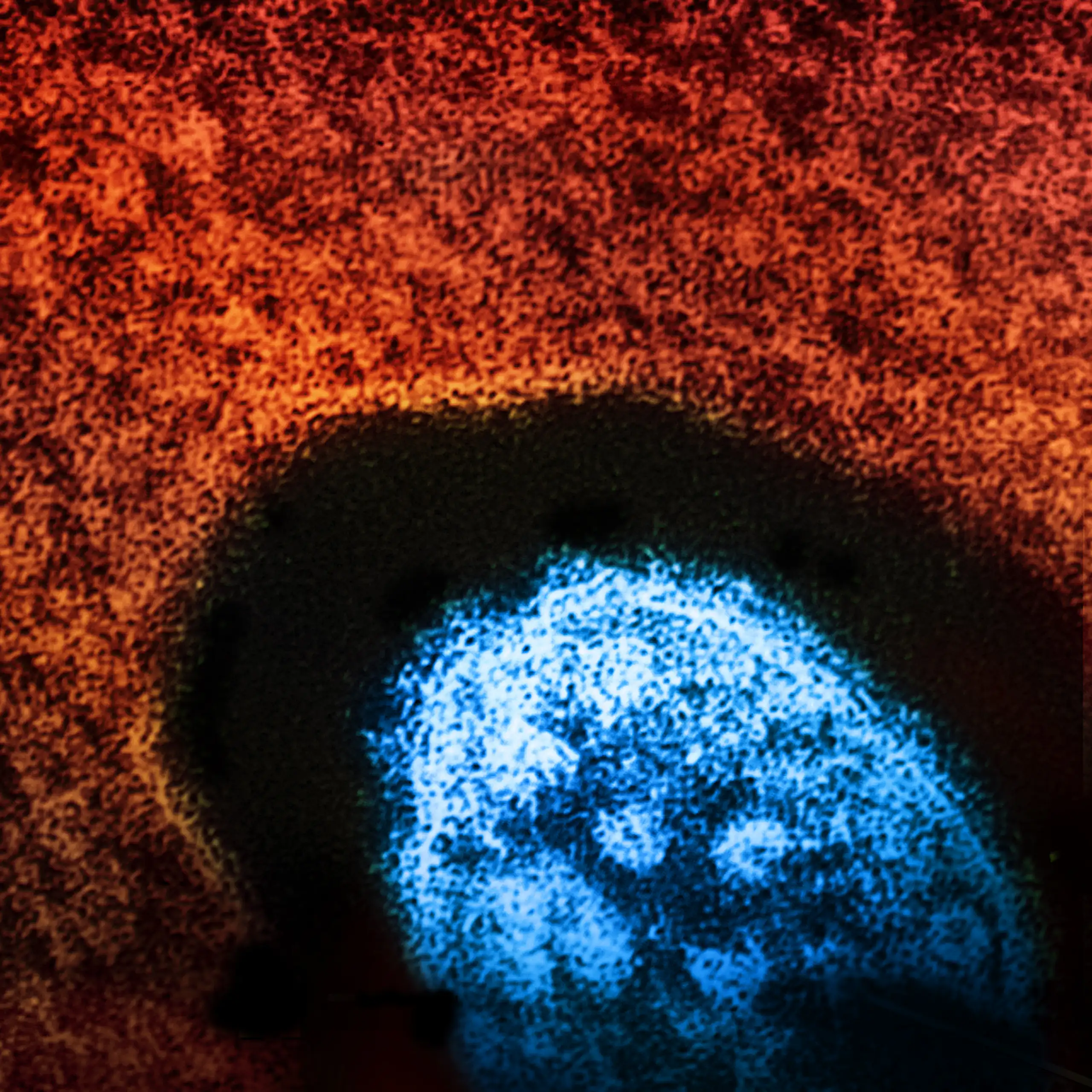
How does a bird virus infect a person? Surprising findings from B.C.’s human case of H5N1 avian fluJohn Ni, University of British Columbia and Sriram Subramaniam, University of British Columbia
Canada’s Indigenous health obligations can’t be separated from rights and reconciliationJamaica Cass, York University, Canada; Queen's University, Ontario
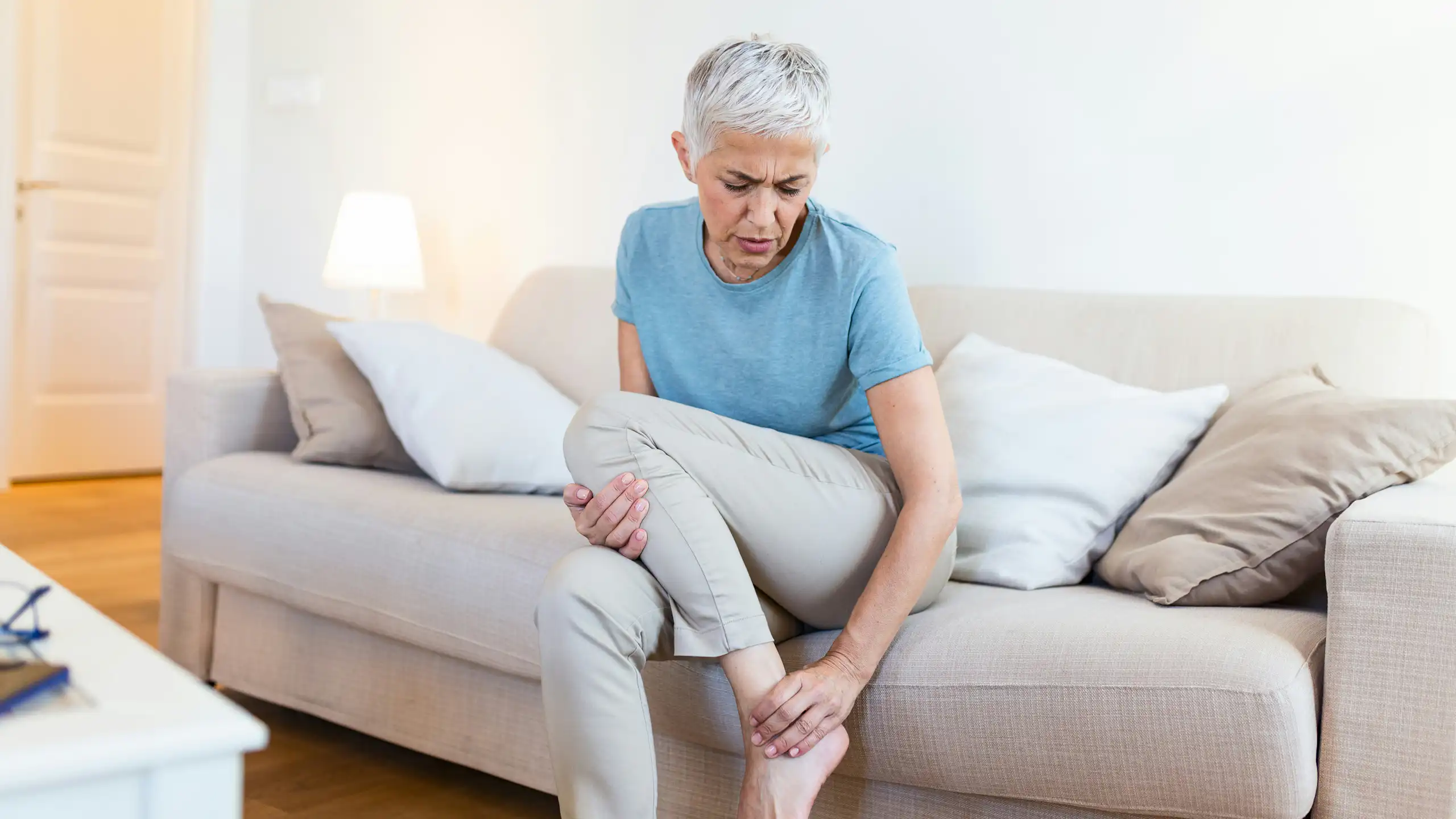
Leg pain can warn of a serious condition: Why peripheral artery disease (PAD) needs more attentionMatthew Ades, McGill University; Anthony Sandre, McMaster University, and Sonia S Anand, McMaster University
Families provide dementia care. Why must they also be the air traffic controllers of the system?Saskia Sivananthan, McGill University; Alexandra Whate, University of Waterloo, and Larry Chambers, McMaster University
Canada recruits internationally educated health professionals. Credential recognition is only part of the challengeSheri Adekola, University of Guelph
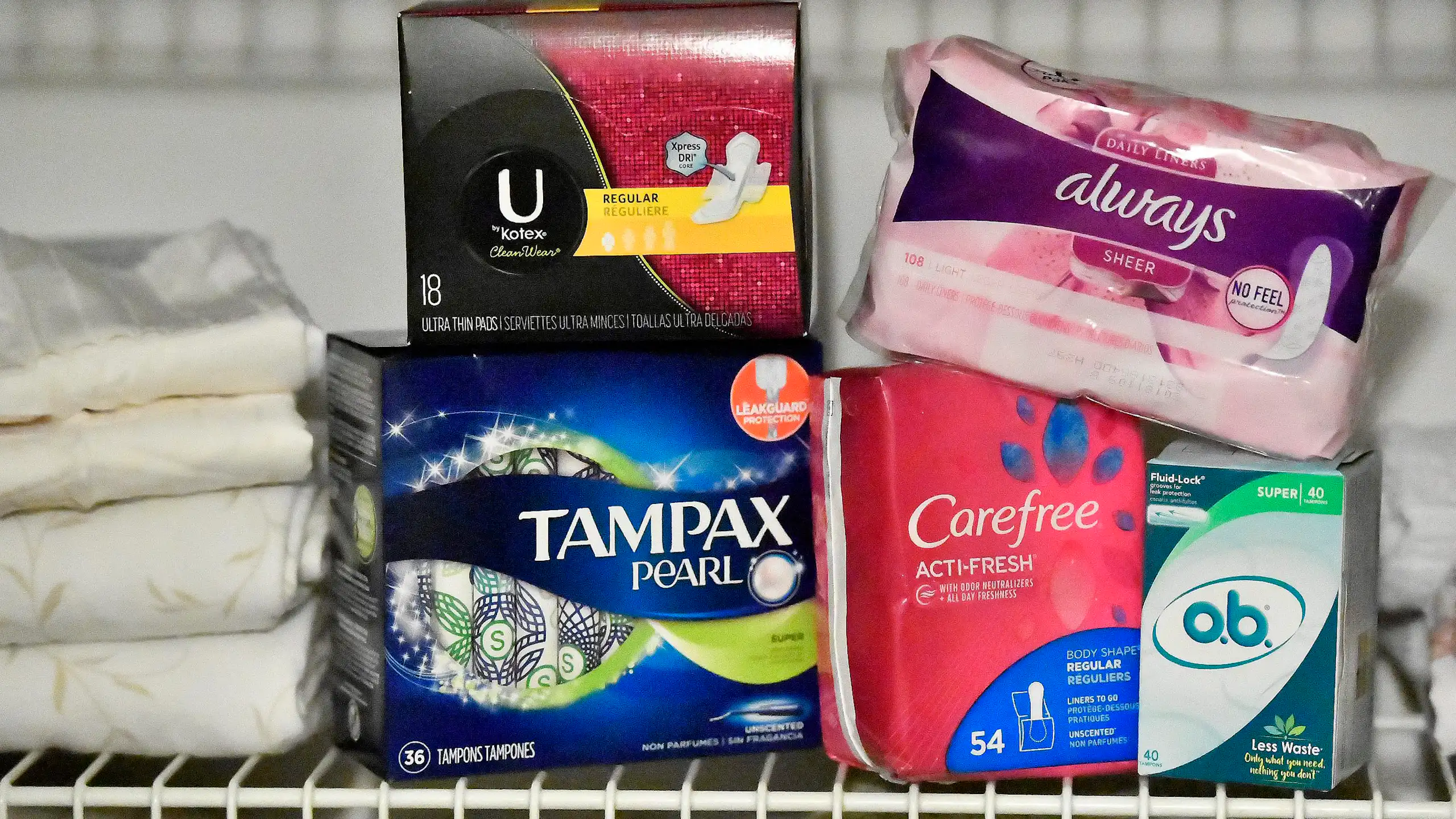
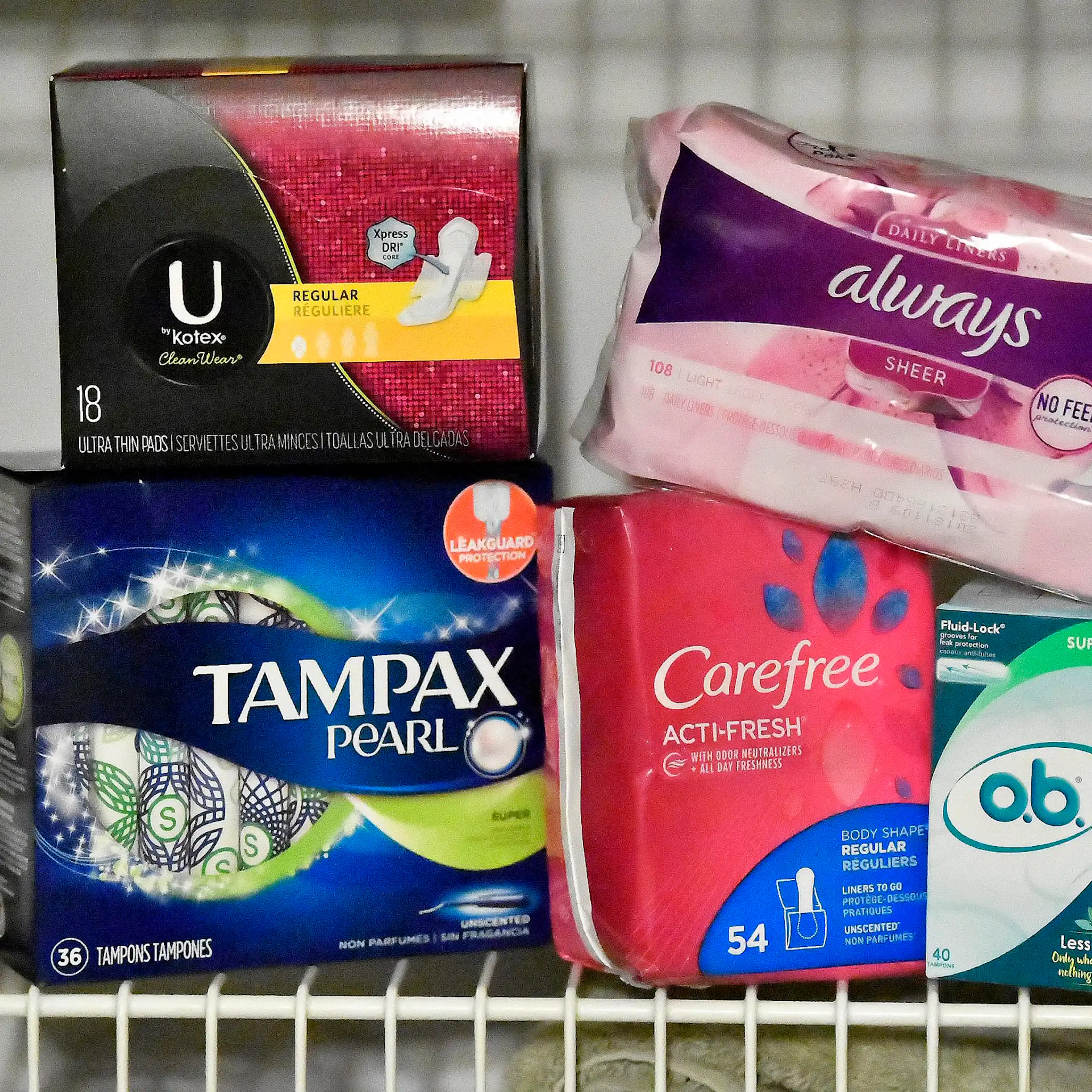
Free period products in schools help girls and young women, but only when they’re availableKamilla Bonnesen, L’Université d’Ottawa/University of Ottawa; Olivia Cooke, L’Université d’Ottawa/University of Ottawa, and Tracy Vaillancourt, L’Université d’Ottawa/University of Ottawa
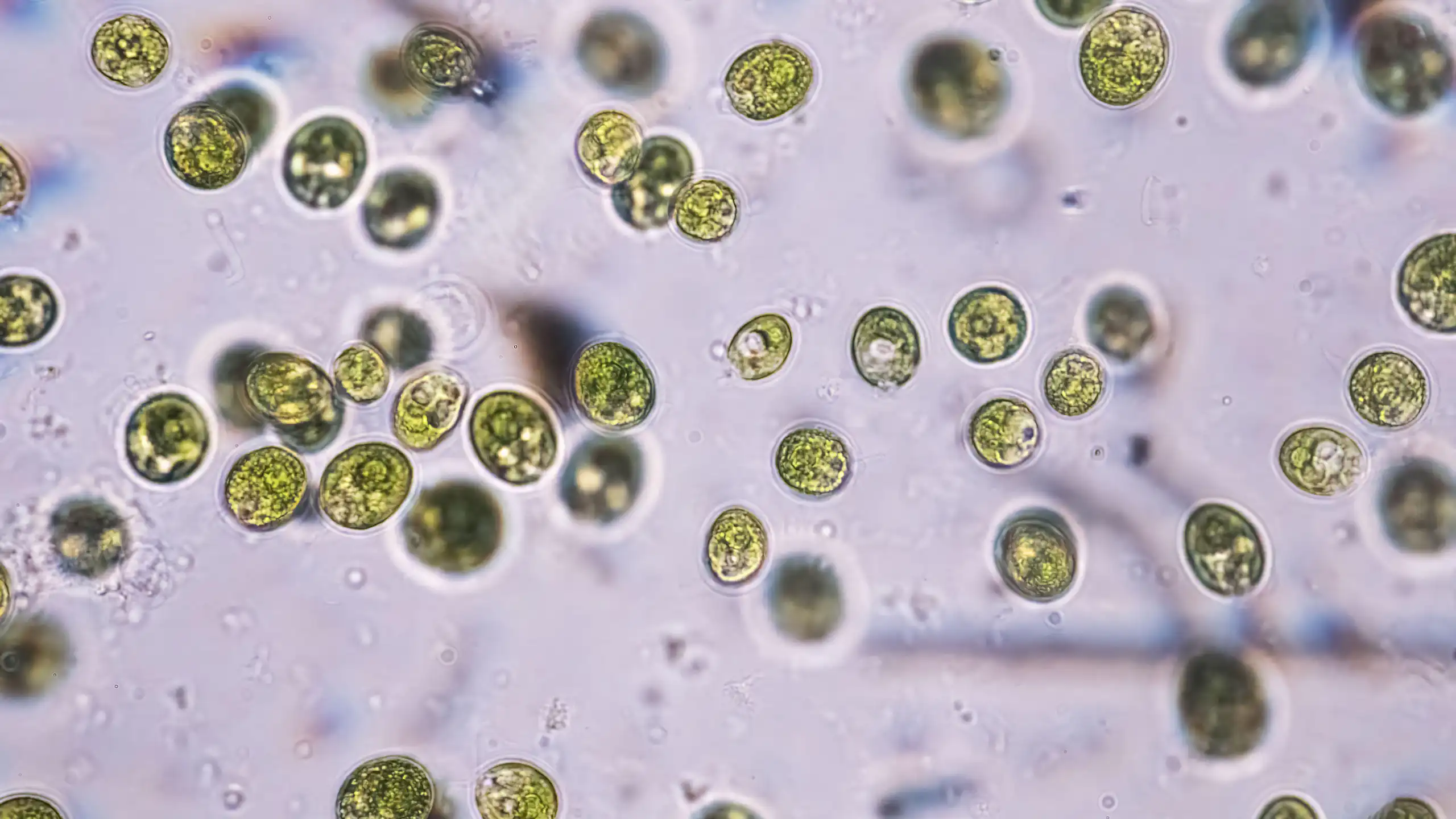
How pond algae led to a Nobel prize and a new way to study the brainRobert Lucas, University of Manchester
The invisible performance of ‘masking’ ADHD symptoms is exhaustingGrace Iarocci, Simon Fraser University
Making mental health chatbots more culturally sensitive won’t necessarily make them saferMaya Low, McGill University
Daydreams, mind-wandering and rumination: What you think about can affect your feelings and moodJulia Kam, University of Calgary; Caitlin Mills, University of Minnesota, and Jessica Andrews-Hanna, University of Arizona
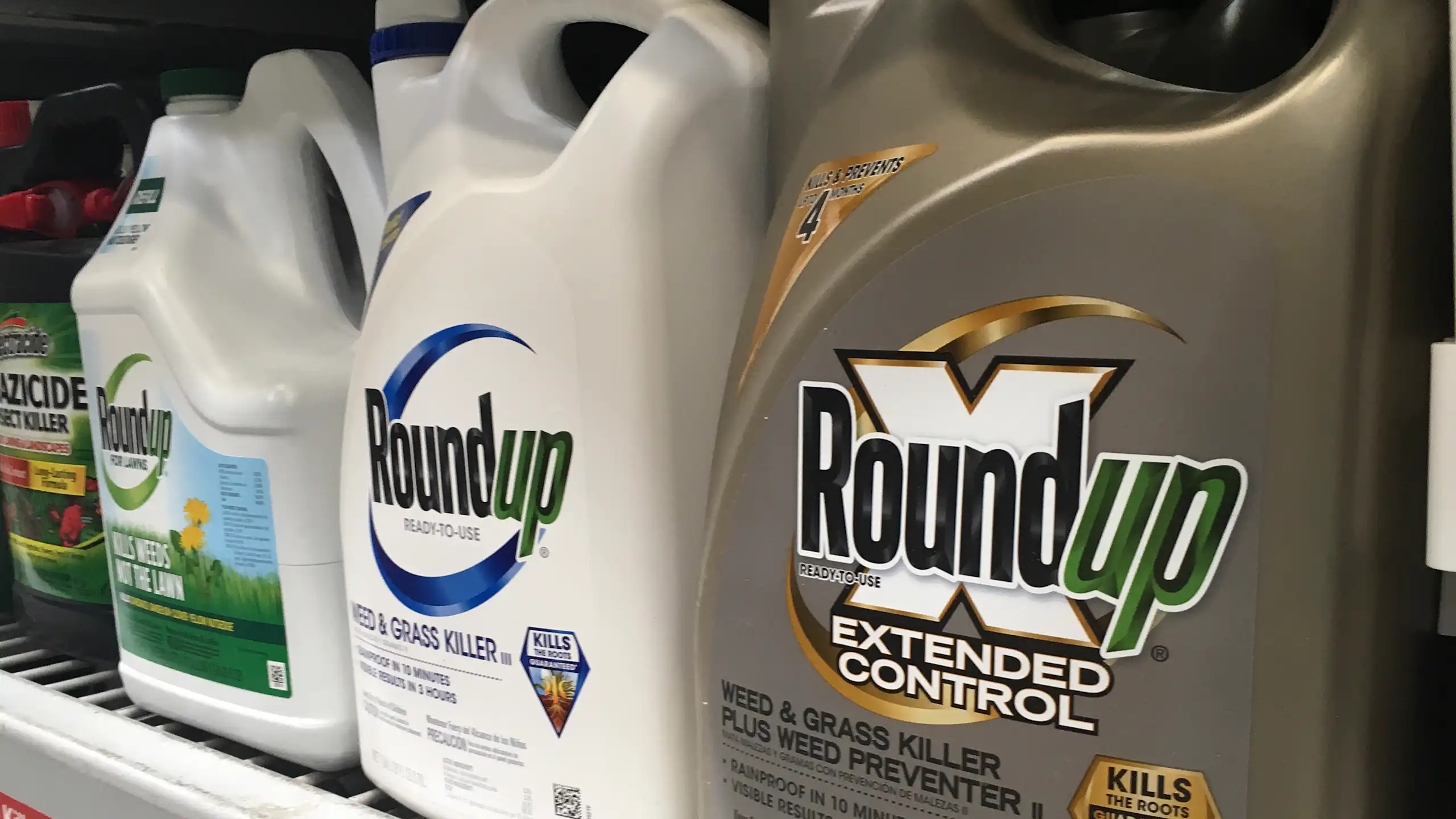
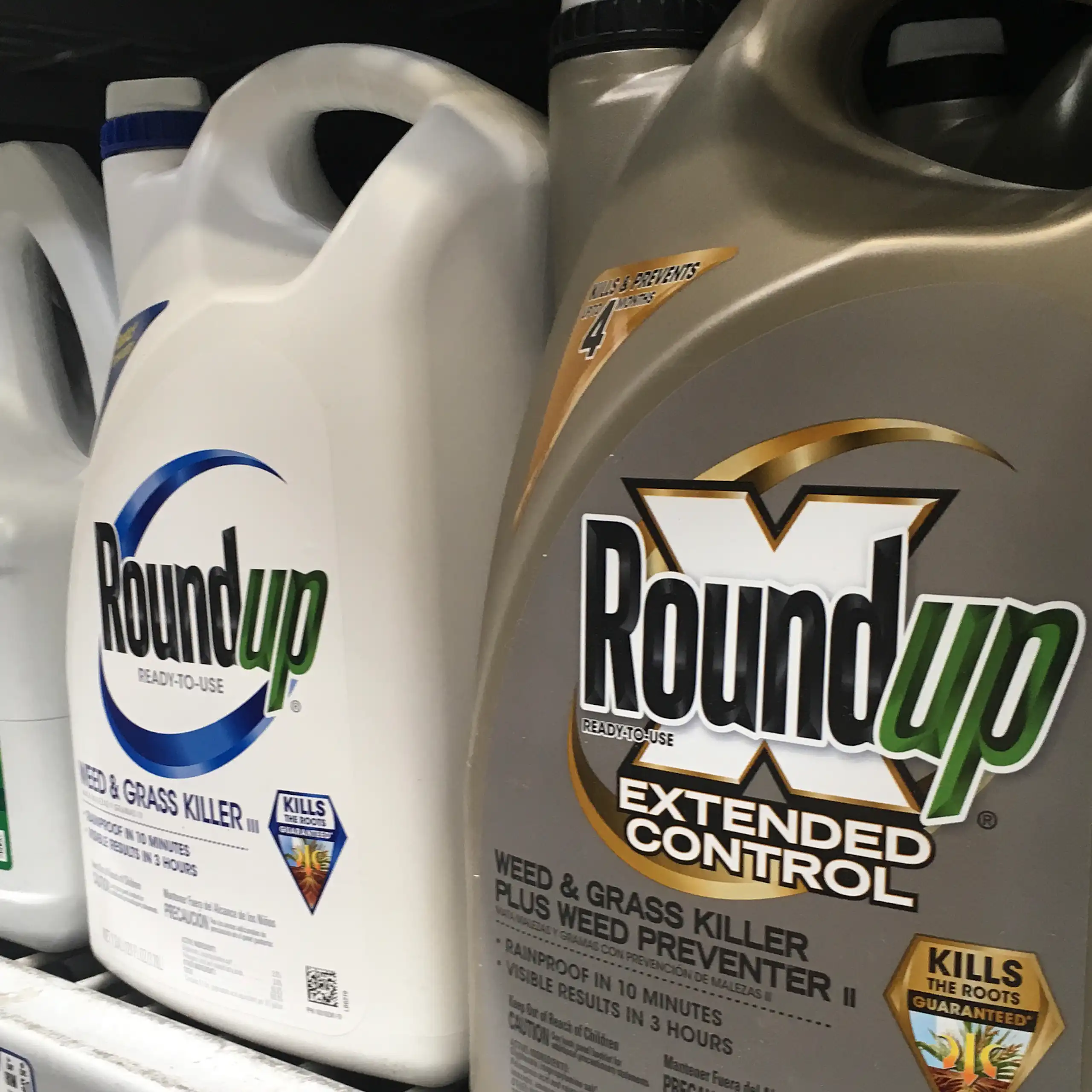
What the U.S. Supreme Court’s pesticide ruling means for gardeners and farm workersBill Jeffery, Carleton University
Half of new parents have unwanted, intrusive thoughts of harming their infants. Research suggests most aren’t dangerous.Nichole Fairbrother, University of British Columbia and Christine Ou, University of Victoria
Living with chronic pain at work: Supportive managers can help, but they can’t solve everythingNick Turner, University of Calgary; Duygu Biricik Gulseren, York University, Canada, and Fırat K Sayın, Saint Mary’s University
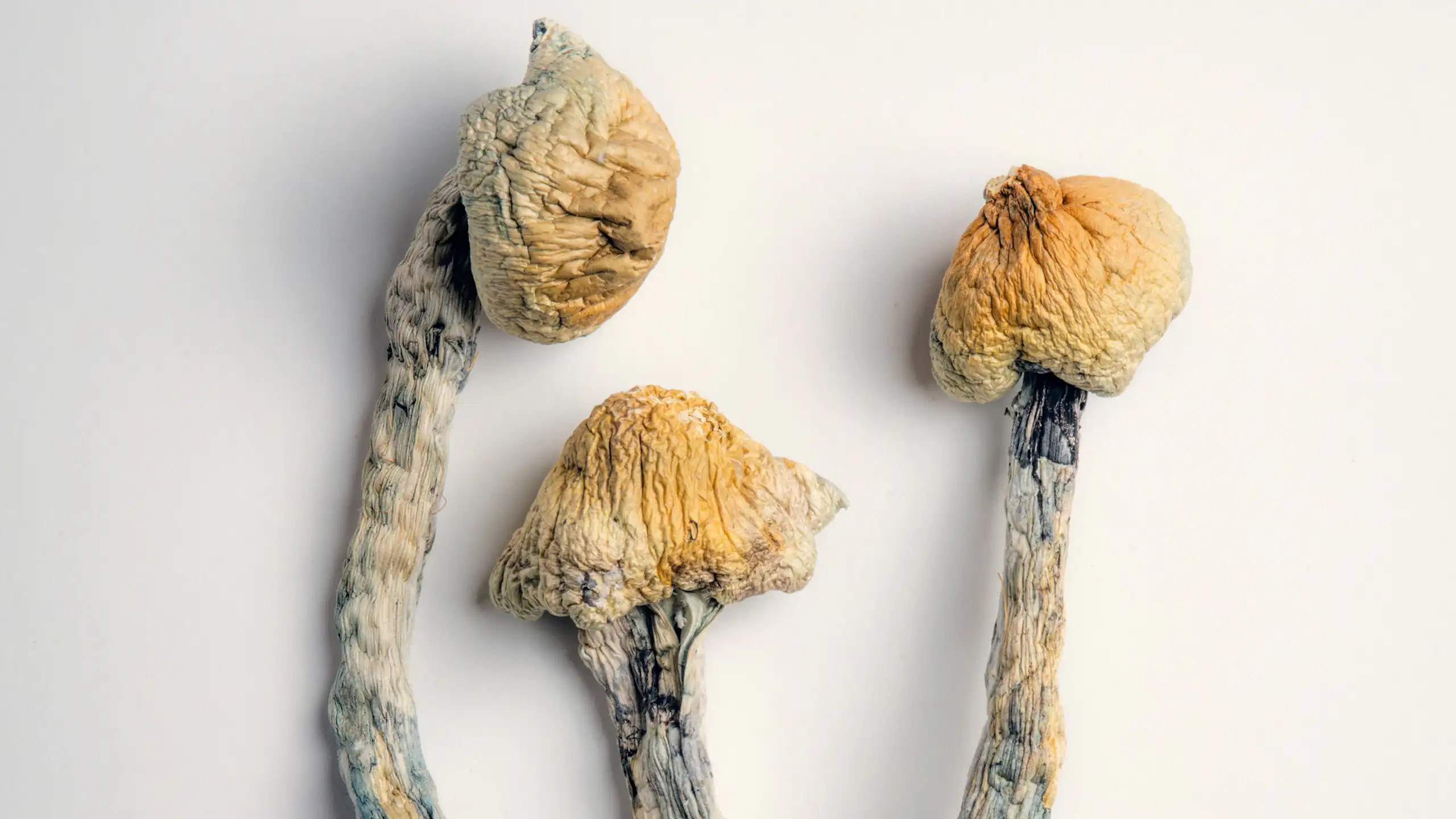
Psilocybin may help the brain recover from concussion, new study showsArgel Aguilar Valles, Carleton University
Canada’s new strategy won’t solve food insecurity or the health issues it createsKaren Tang, University of Calgary; Lynn McIntyre, University of Calgary, and Sandra Berzins, University of Calgary
Grieving lost body function: What psychology teaches us about our chronic illness journeysLi-elle Rapaport, University of Manitoba
The midlife clock is ticking: How we understand ‘time left’ can help us use it wellGail Low, MacEwan University; Alexandra A. Deac, University of East London; Anila Naz AliSher, and Gloria Gutman, Simon Fraser University
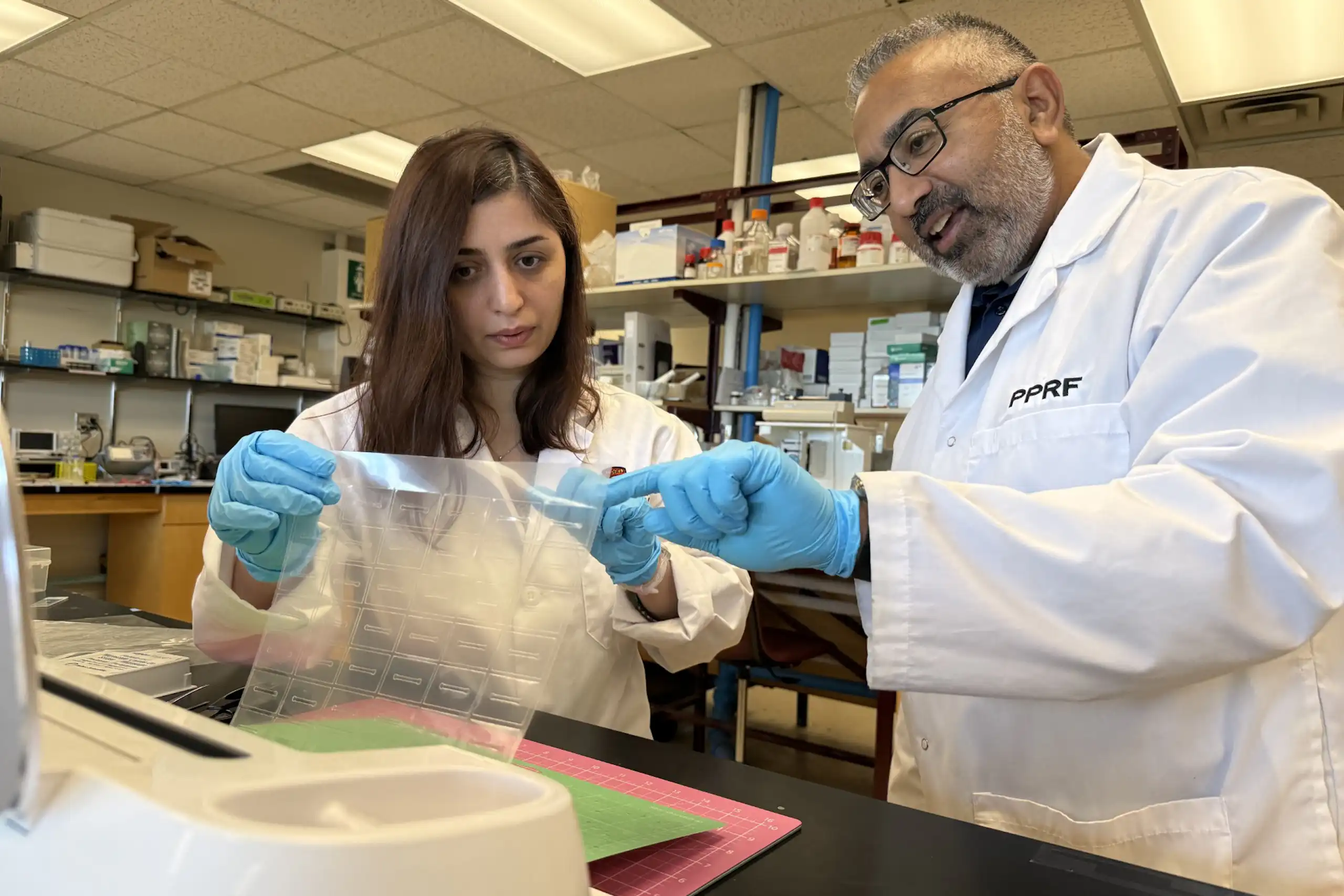
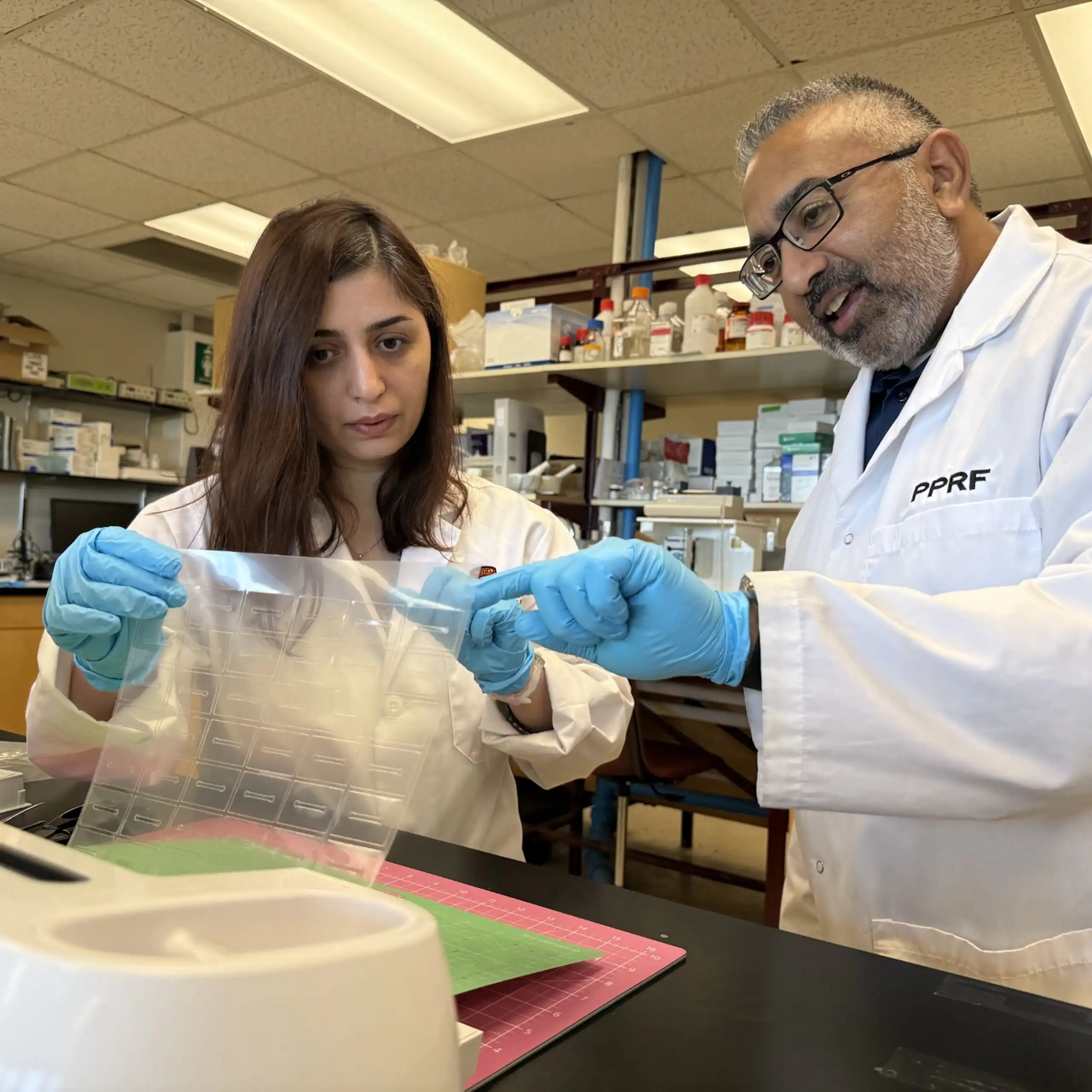
We designed a new way to build miniature fluidic devices to enable personalized cancer treatmentSara Hassanpour Tamrin, University of Calgary and Arindom Sen, University of Calgary
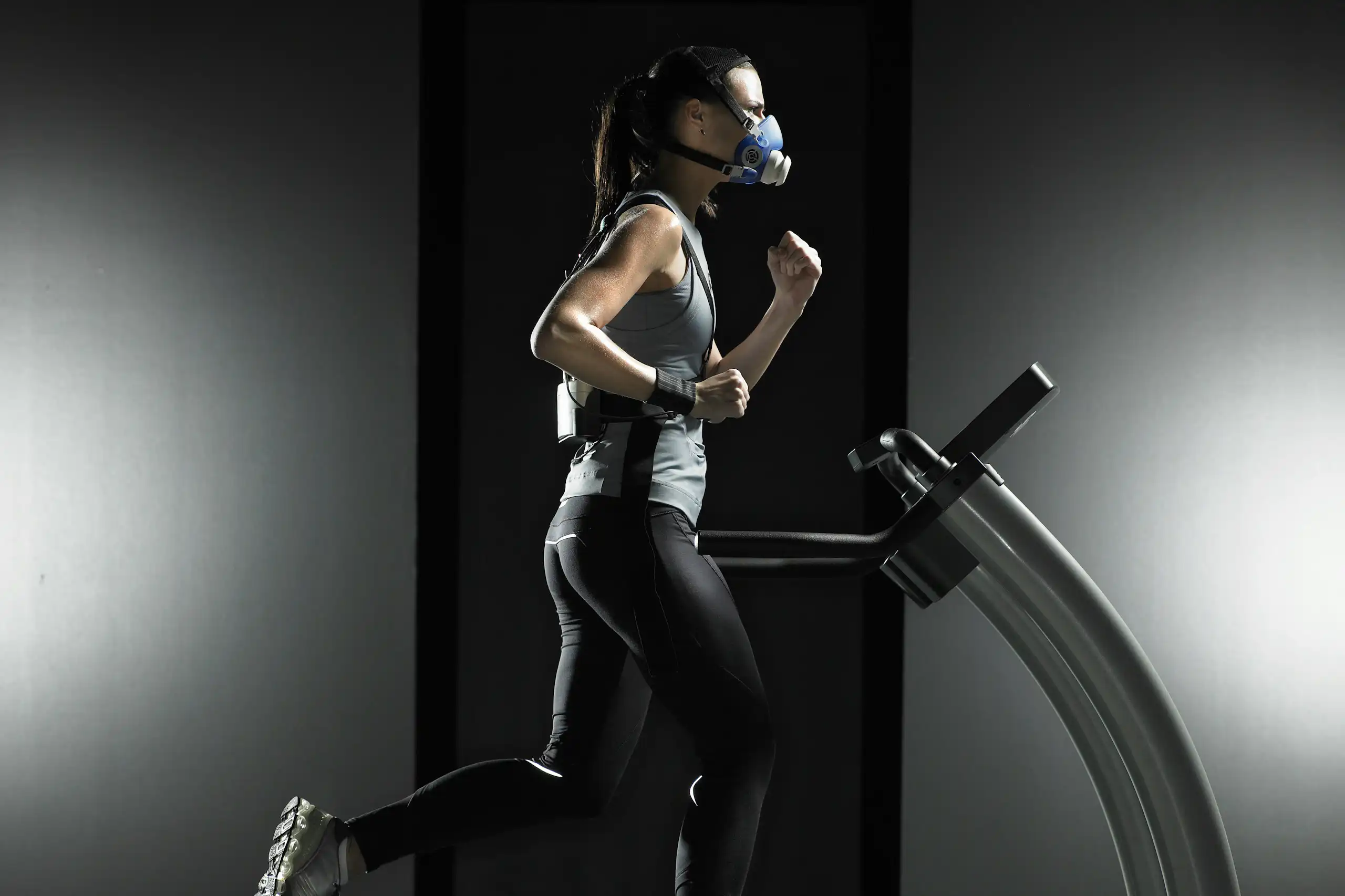
A big assumption has kept women out of health and fitness studies for years. What if it’s wrong?Maureen MacDonald, McMaster University
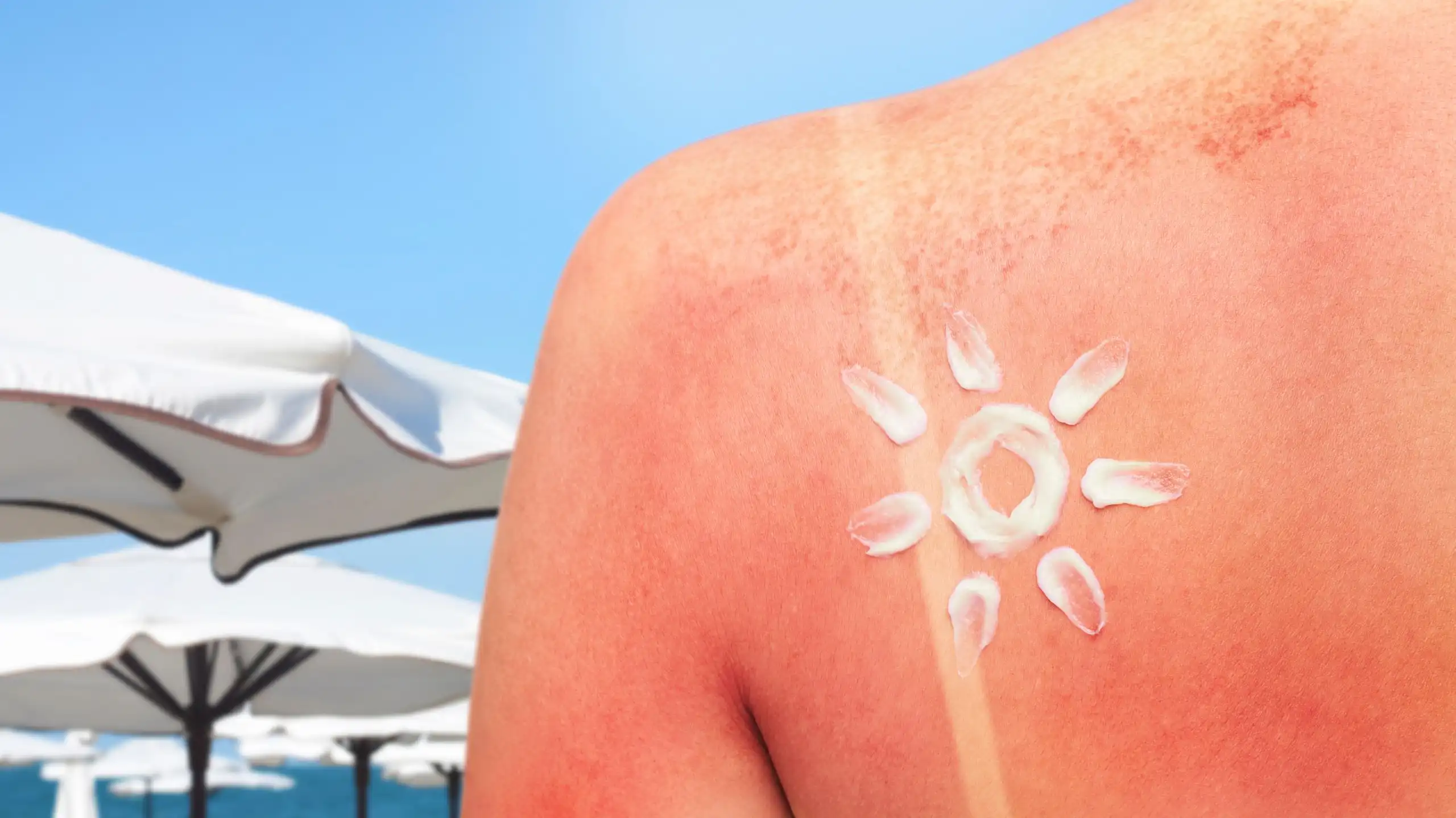
No safe tan: Why Canada’s sunburn problem keeps getting worseIvan Litvinov, McGill University and Vinesh Rao, University of Alberta
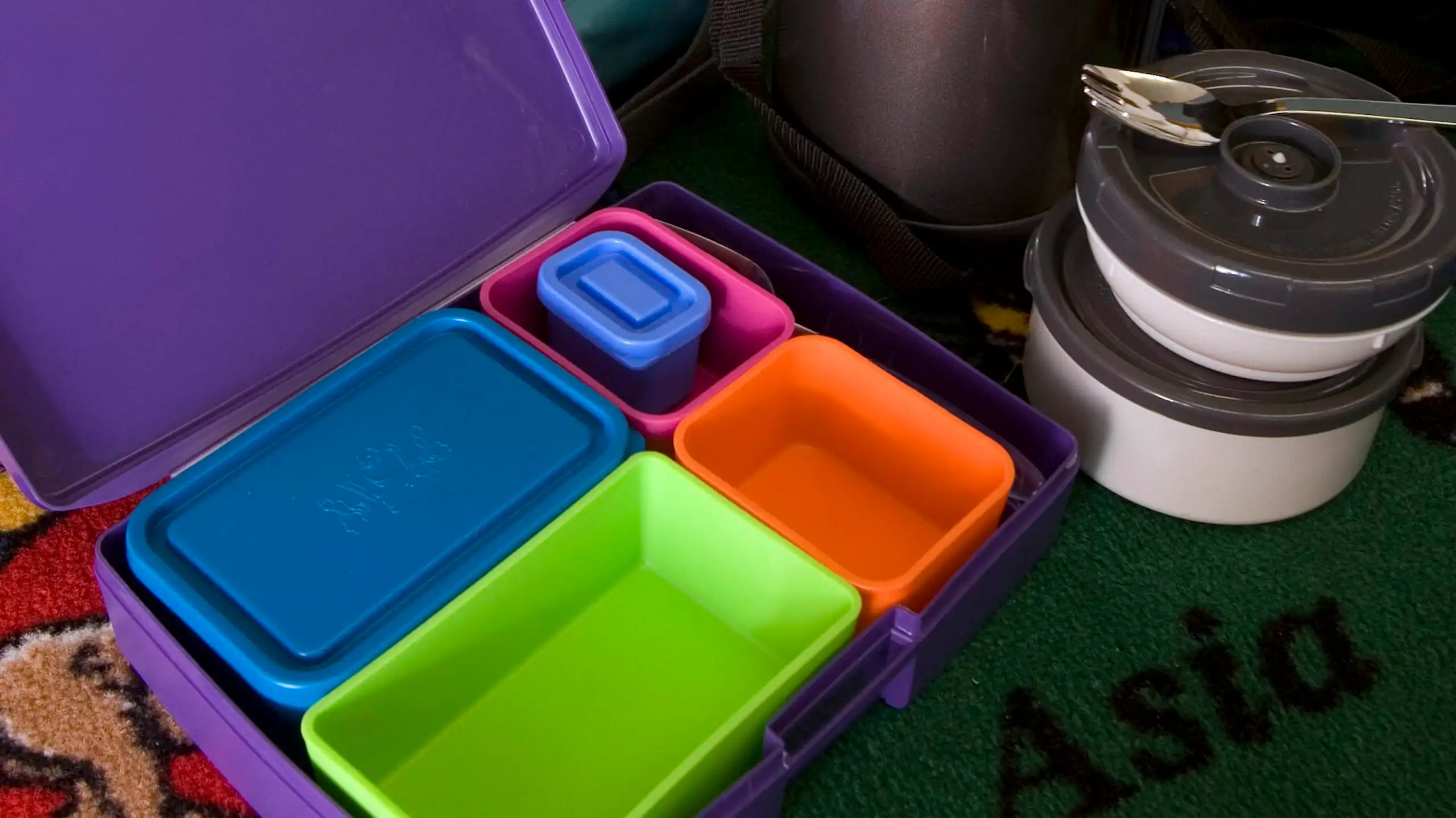
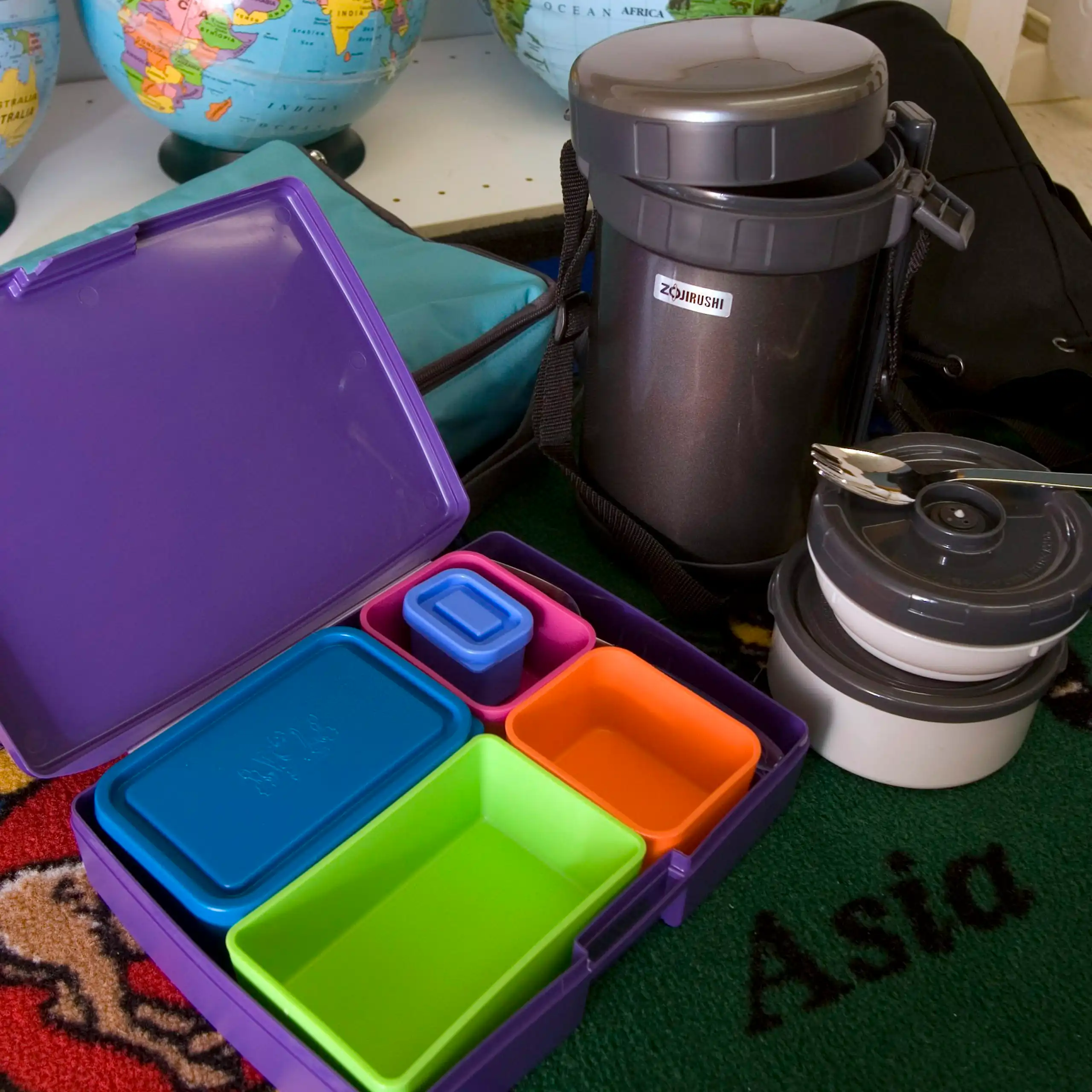
Lunchbox labour is back — here’s how Canada’s new school food program can growJennifer Black, University of British Columbia and Rachel Engler-Stringer, University of Saskatchewan
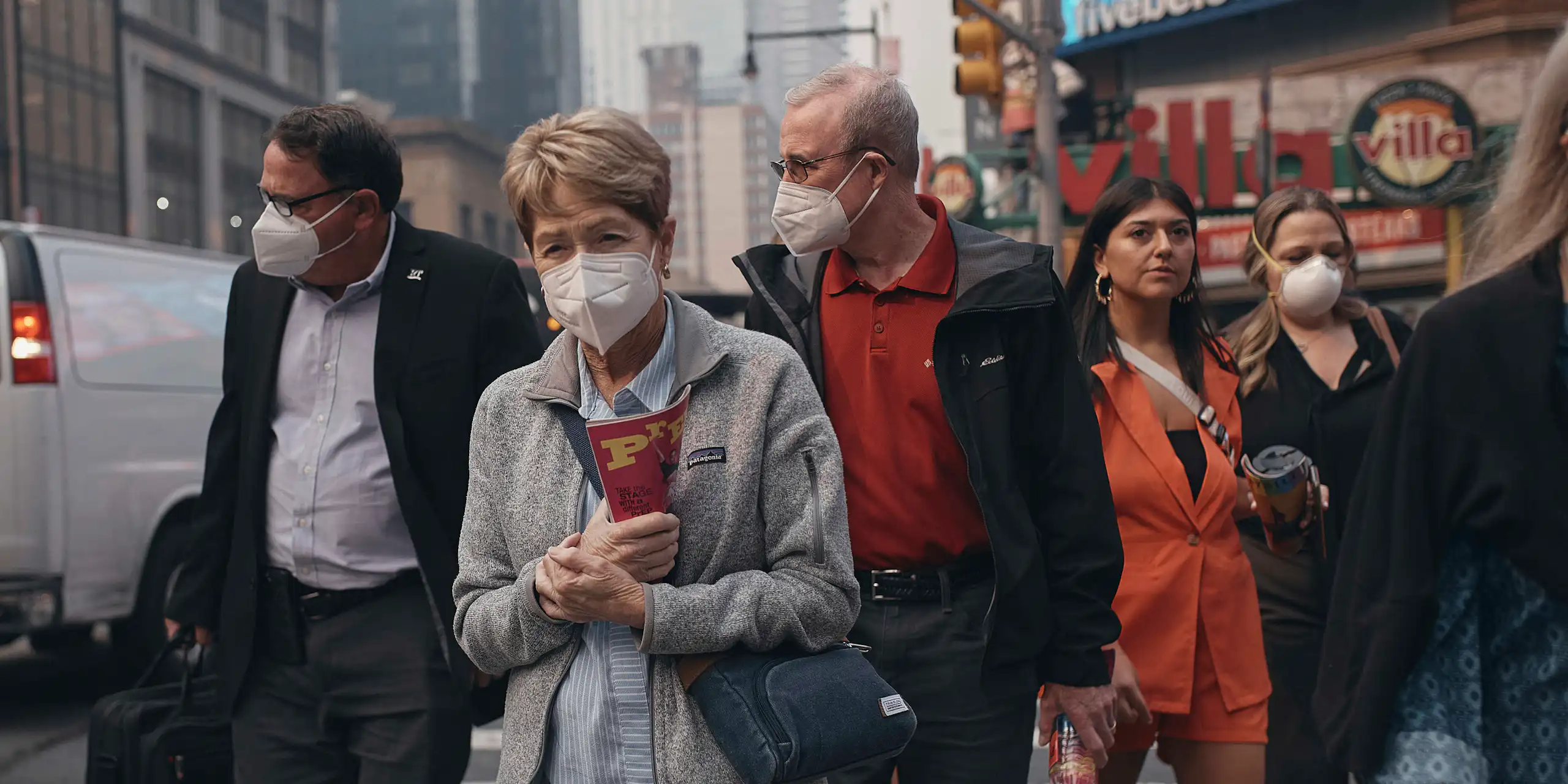
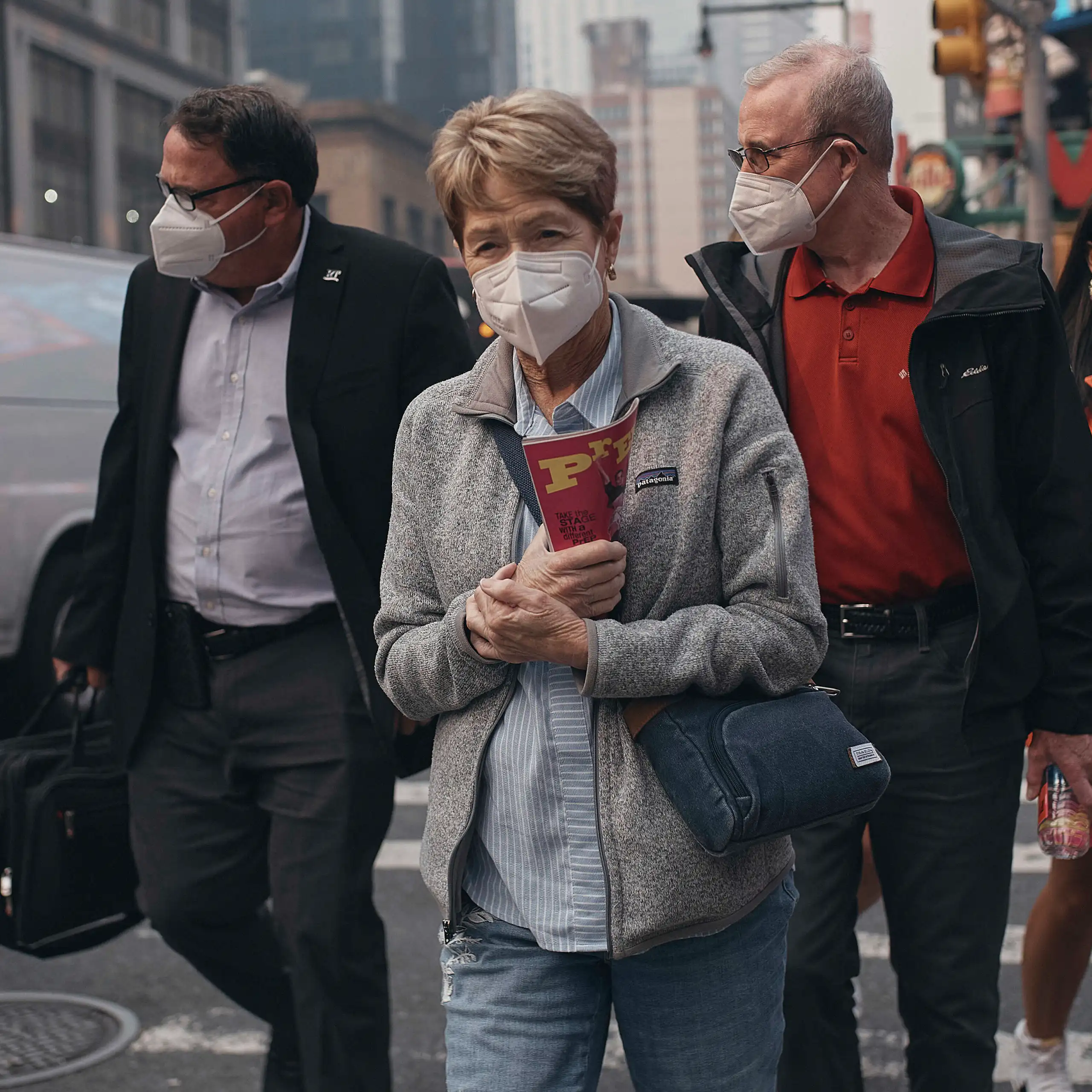
Vulnerability to wildfire smoke is in our genes, thanks to an evolutionary quirkDawn ME Bowdish, McMaster University
What cannabis use really tells us about university students’ eating habitsJamie Seabrook, Western University; Jasna Twynstra, Western University; Jason Gilliland, Western University, and Rawan Alfares, Western University
When can your child stay home alone? Neuroscience suggests we’re asking the wrong questionCodie C. Lavoie, University of Southern California
Nearly 1 in 100 Canadians has inflammatory bowel disease. Too many believe it rules out having childrenElizabeth Squirell, Queen's University, Ontario
5 ways to improve gynecologic care and women’s health outcomes in CanadaPauline McDonagh Hull, University of Calgary; Amity Quinn, University of Calgary, and Erin A. Brennand, University of Calgary
Most breastfeeding mothers take medication, but many are making decisions without good informationChristine Leong, University of Manitoba
Mindfulness may help marathon runners cope with ‘hitting the wall’ — 3 strategies for enduranceShaelyn Strachan, University of Manitoba
Beyond the 15-minute city: What really makes people want to walkPaula Negron-Poblete, Université de Montréal
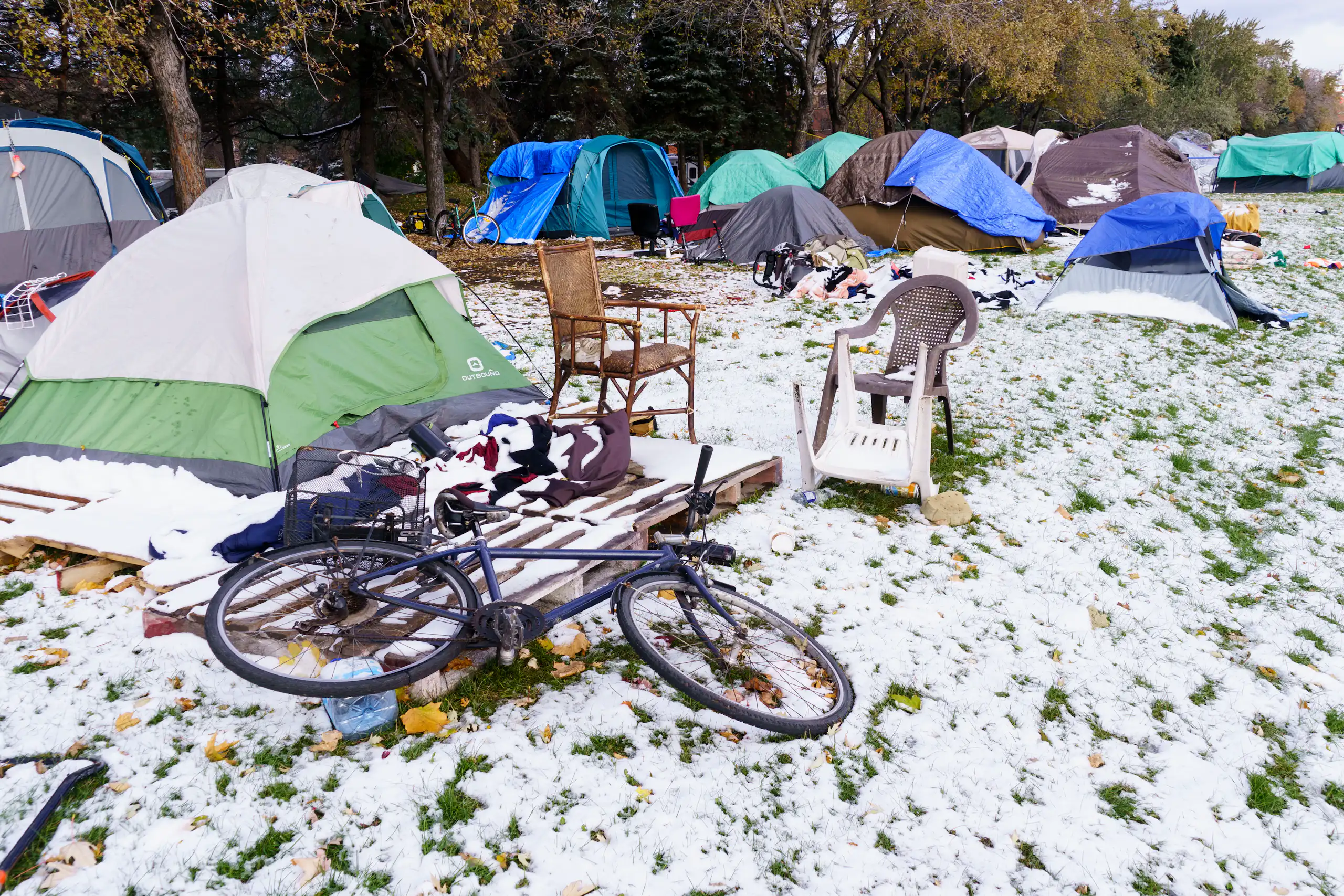
Unhoused people and wildlife are increasingly coming into contact. Here’s what can be done to protect themSage Raymond, University of Alberta
Can science museums help us talk about mental health?Ana Maria Navas Iannini, Simon Fraser University
Children and adults cope with extreme heat differently, but are kids really at greater risk?Bareket Falk, Brock University and Toby Mündel, Brock University
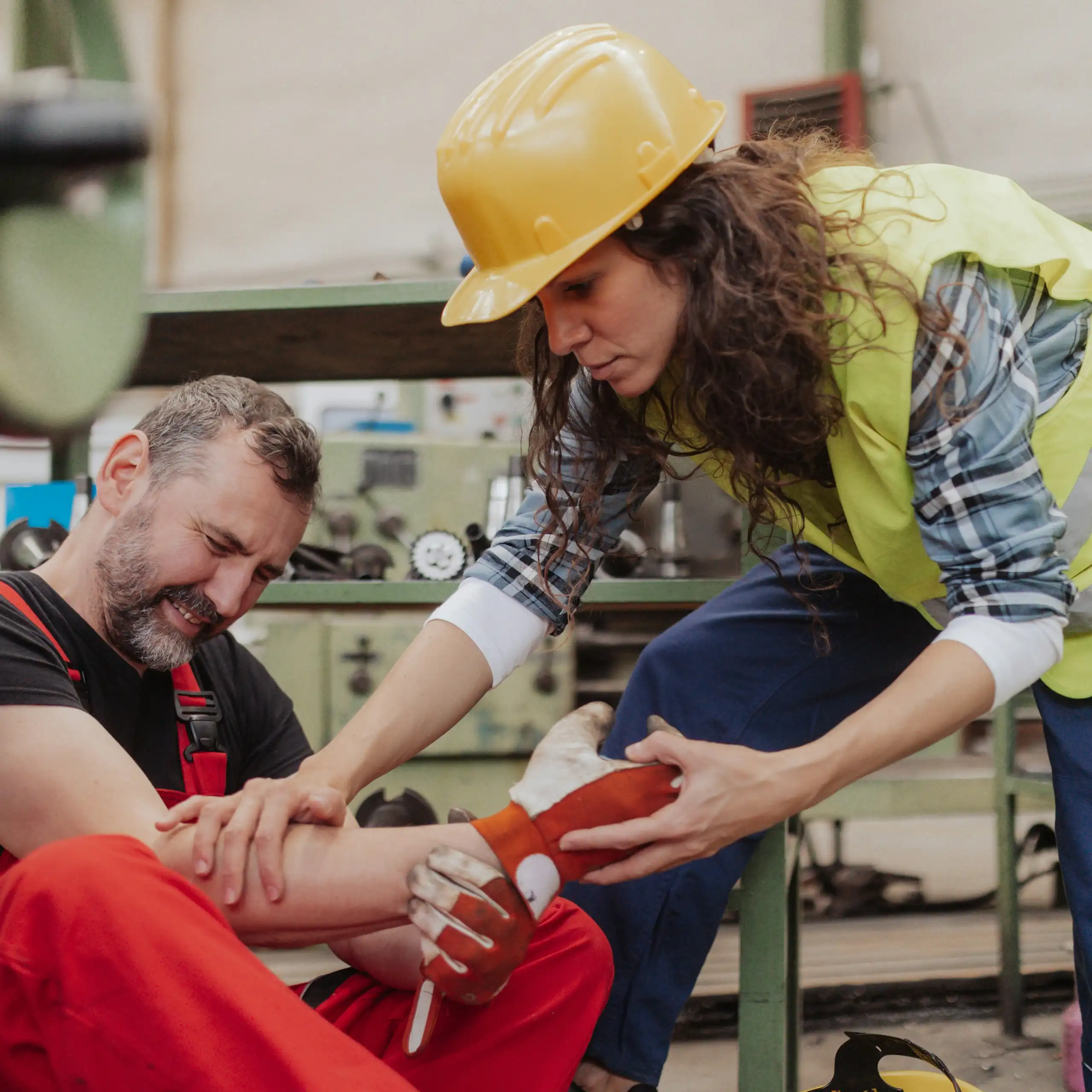
Extreme heat increases the risk of workplace injuries across CanadaNick Turner, University of Calgary; Julian Barling, Queen's University, Ontario, and Kaylee Somerville
How to stay safe from the triple threat of wildfires, smoke and extreme heatDr. Farhan M. Asrar, Toronto Metropolitan University
Older adults are at risk in heat waves, but it’s not just age: How public systems and policies are failing themStephanie Hatzifilalithis, University of Toronto
Extreme heat: Could hot baths help older adults better adapt?Daniel Gagnon, Université de Montréal and Thomas Deshayes, Université de Sherbrooke
Recurring risk: Like Zika, Oropouche virus can also affect the brains of unborn babiesStevens Rehen, Instituto D’Or de Pesquisa e Ensino (IDOR); Universidade Federal do Rio de Janeiro (UFRJ); Carolina Moreira Voloch, Universidade Federal do Rio de Janeiro (UFRJ), and Renato Santana Aguiar, Universidade Federal de Minas Gerais (UFMG)
AI is transforming health care, but not everyone will share the benefitsKannin Osei-Tutu, University of Calgary
Children’s cereals promise breakfast fun and nutrition, but are still high in sugarCharlene Elliott, University of Calgary
Public health advice tells us to buy local. Can Canada’s food system keep up?Guillaume Lhermie, University of Calgary
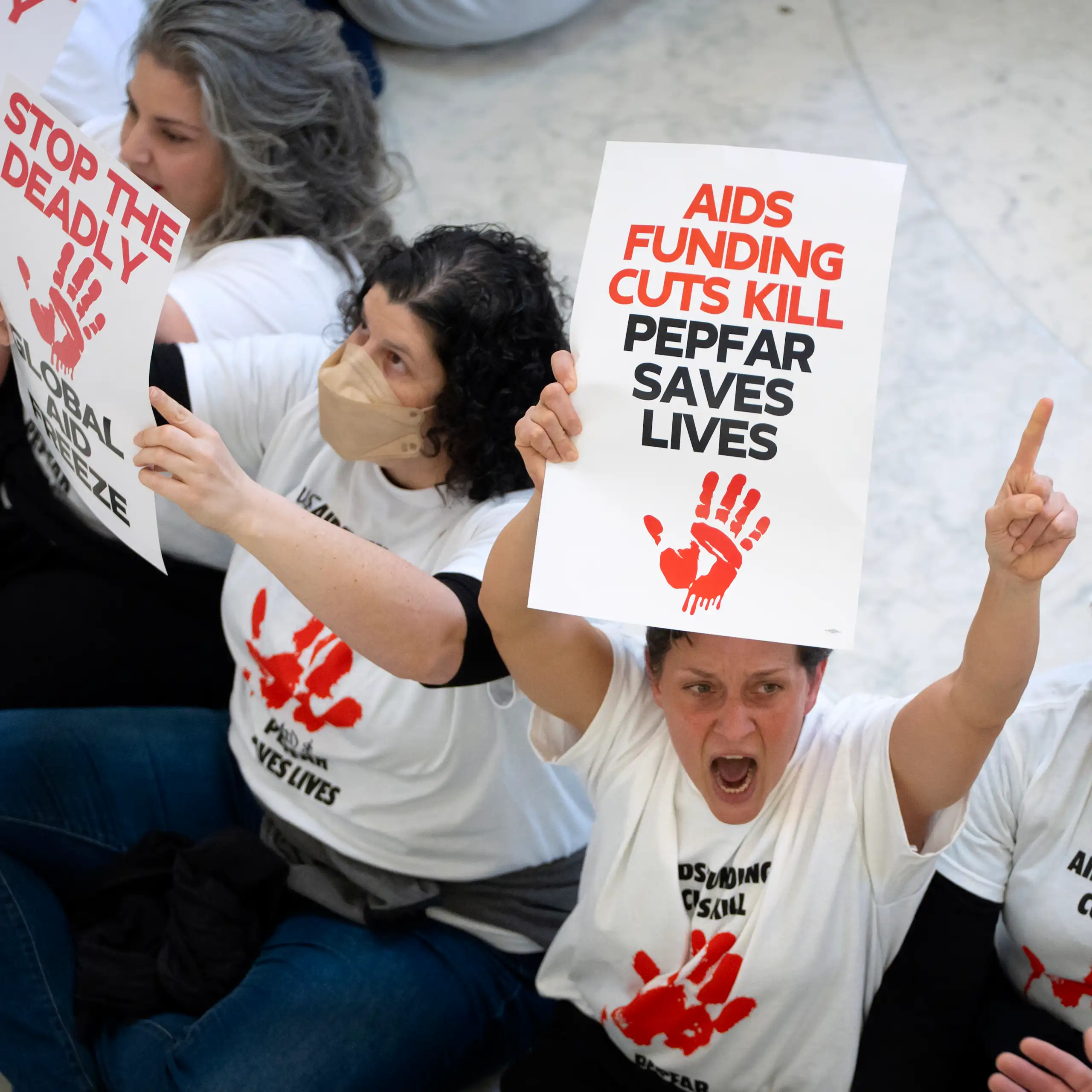
Why the latest blow to the HIV/AIDS response at the UN should have everyone sounding the alarmYolaine Frossard de Saugy, McGill University
How we are engineering bacteria to eat cancerBrian Ingalls, University of Waterloo and Marc Aucoin, University of Waterloo
How generative AI and physics can help design new antibioticsRachael (Ré) A Mansbach, Concordia University and Jyler Menard
Canada is getting old — and that’s our biggest advantage for 2067Parminder Raina, McMaster University
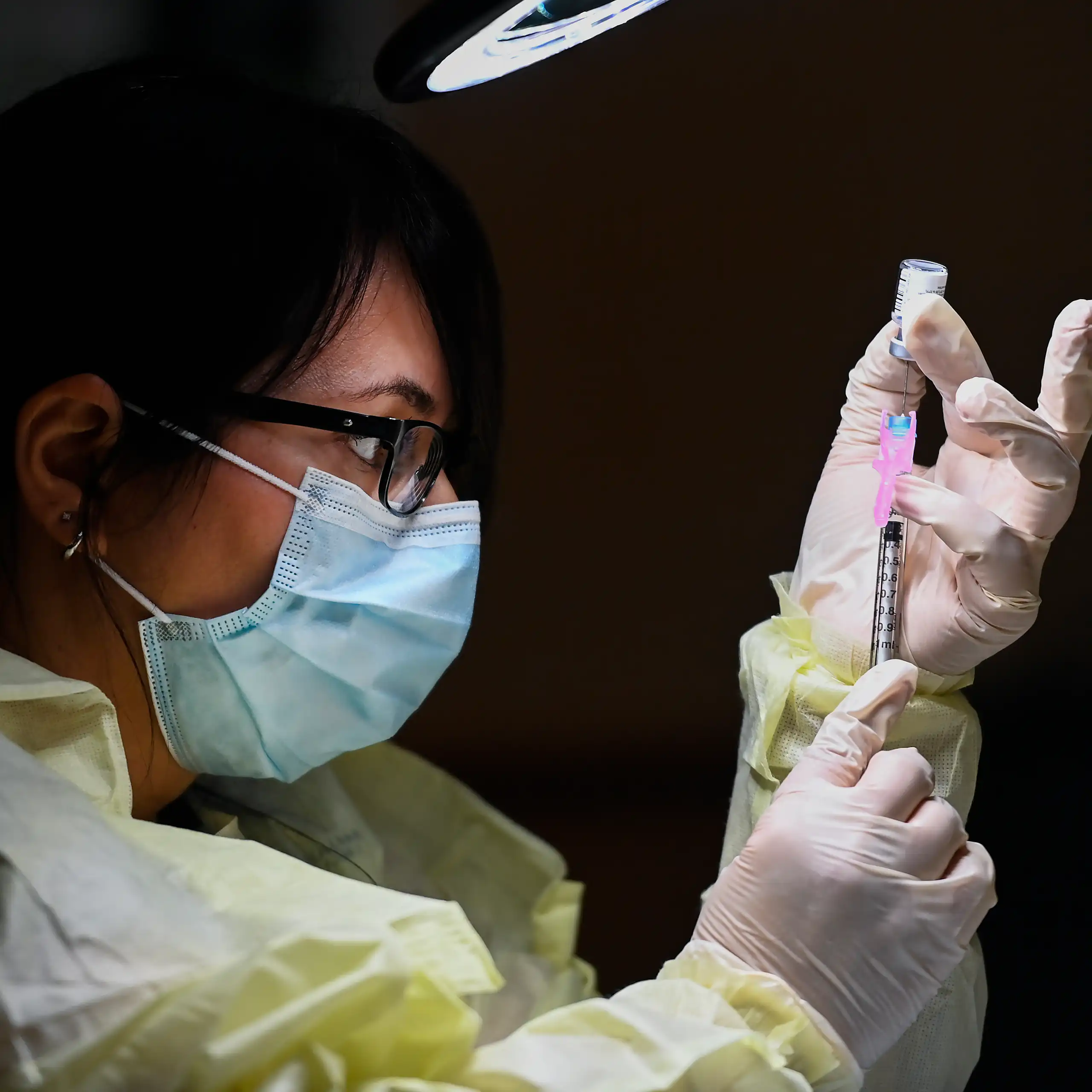
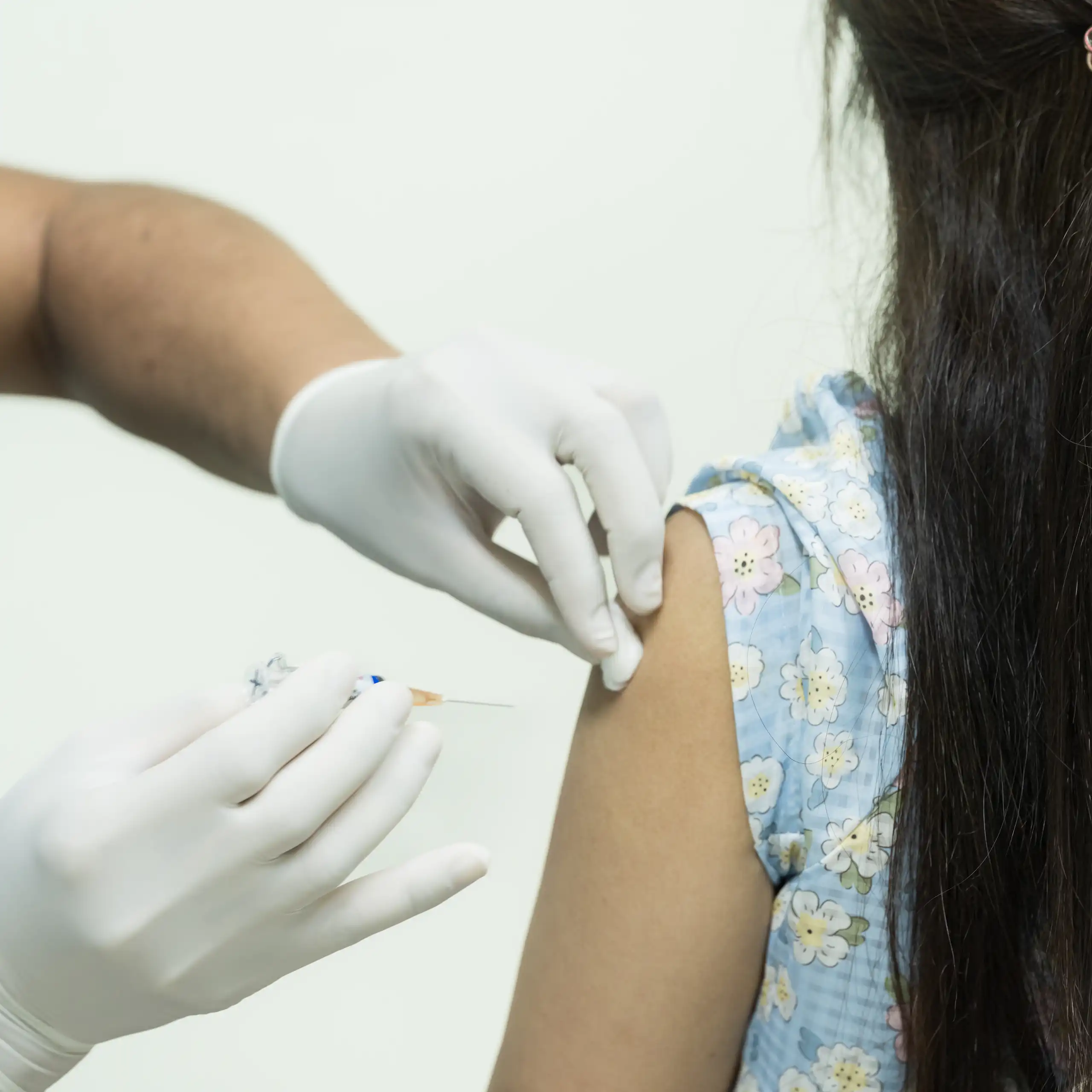
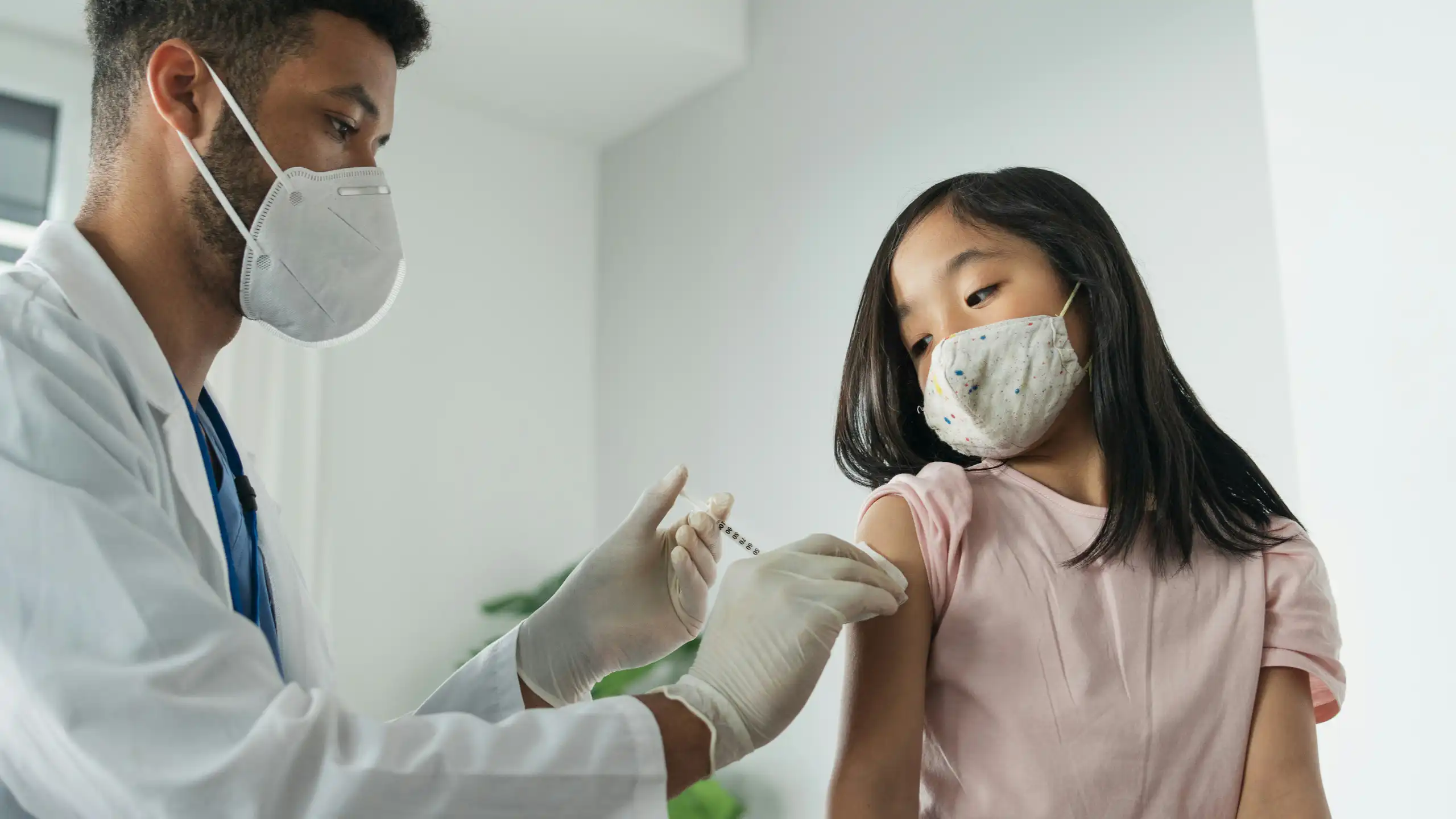
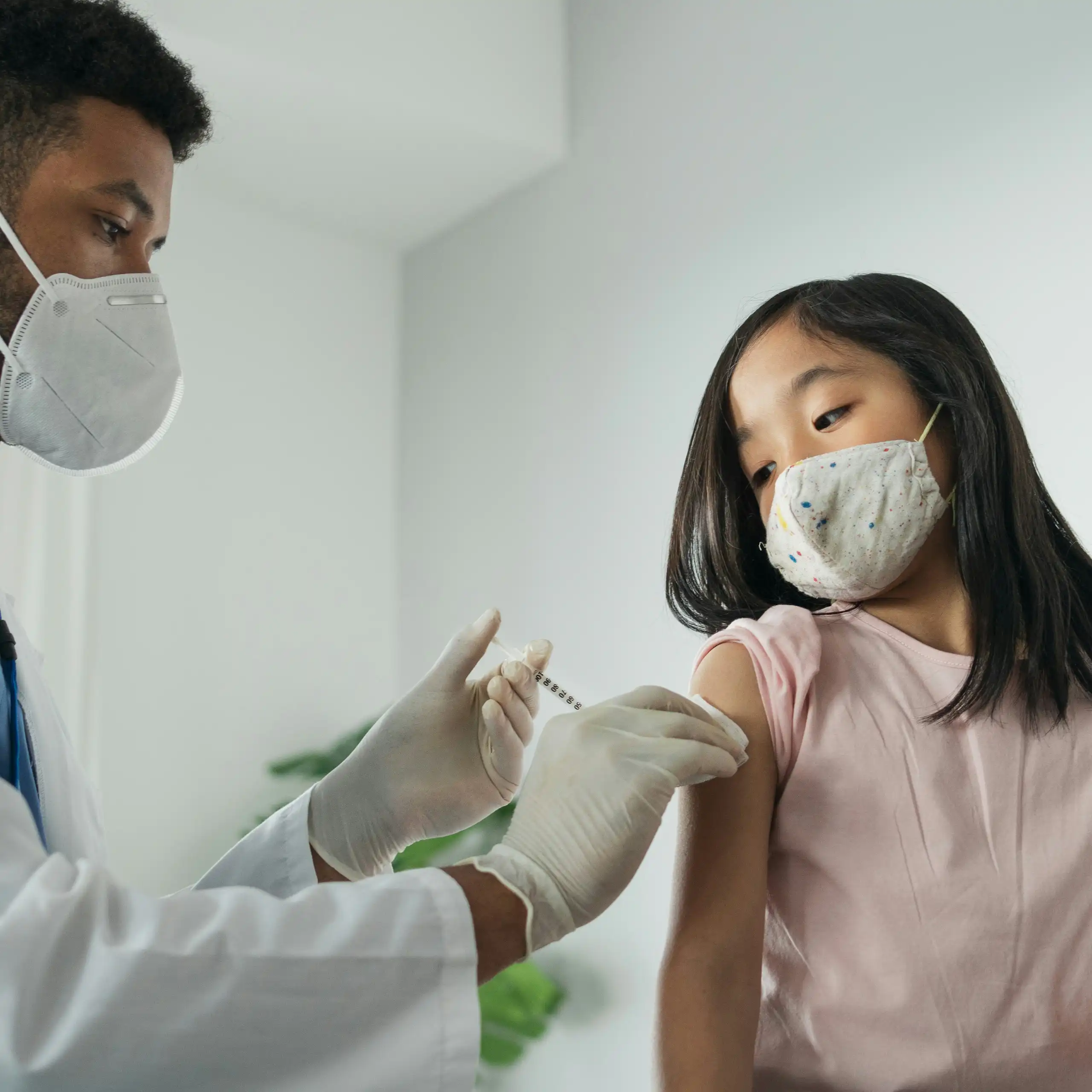
Vaccine mis- and disinformation isn’t just a threat to public health, but also to our autonomyKari Pahlman, University of Sydney and Diego S. Silva, University of Sydney
How Canada’s vaccine infrastructure helped guard against infectious disease during the FIFA World CupRose Weeks, Johns Hopkins University
Why don’t some people get vaccinated? It’s more complicated than you thinkMuhammad Haaris Tiwana, Simon Fraser University and Julia Smith, Simon Fraser University
Why postal codes shouldn’t determine RSV protection in CanadaSophie Webb, Simon Fraser University and Cora Constantinescu, University of Calgary
Online harassment is silencing Canada’s health experts — institutions need to do more to protect themHeidi J. S. Tworek, University of British Columbia; Chris Tenove, University of British Columbia, and Netheena Neena Mathews, University of British Columbia
Planes, trains and pandemics: Lessons from COVID-19 about travel risks posed by hantavirus and EbolaJulianne Piper, Simon Fraser University; Kelley Lee, Simon Fraser University, and Miranda Nonis, Simon Fraser University
From COVID to cancer: Why Canada’s RNA vaccine leadership matters more than everAnna Blakney, University of British Columbia and Pieter Cullis, University of British Columbia
Why Canada’s next big infrastructure investment should be in biomanufacturingMegan Levings, University of British Columbia and Robert A. Holt, Simon Fraser University
Busting brain myths: The evolving story of menopause hormone therapy and cognitive healthZahinoor Ismail, University of Calgary; Jasper Crockford, University of Calgary, and Maryam Ghahremani, University of Calgary
When everyday tasks become harder: Early clues to Alzheimer’s diseaseMaryam Ghahremani, University of Calgary and Zahinoor Ismail, University of Calgary
Using the body’s own sounds to diagnose Alzheimer’s and Parkinson’s before the first symptoms appearRachel Bouserhal, École de technologie supérieure (ÉTS)
Bilingualism and sex hormones may provide a new link to brain resilience and dementia riskNoelia Calvo, University of Toronto
Ending dementia stigma could change its trajectory: Cancer’s history shows whySaskia Sivananthan, McGill University
Brain injury is almost 10 times more common in unhoused people. Addressing it is key to reducing homelessnessMauricio A. Garcia-Barrera, University of Victoria; Cole J. Kennedy, University of Victoria, and Grace C. Warren, University of Victoria
Understanding the difference between apathy and depression can be lifesaving for people with brain disordersAderonke Agboji, University of Northern British Columbia and Fiona MacDonald, University of Northern British Columbia
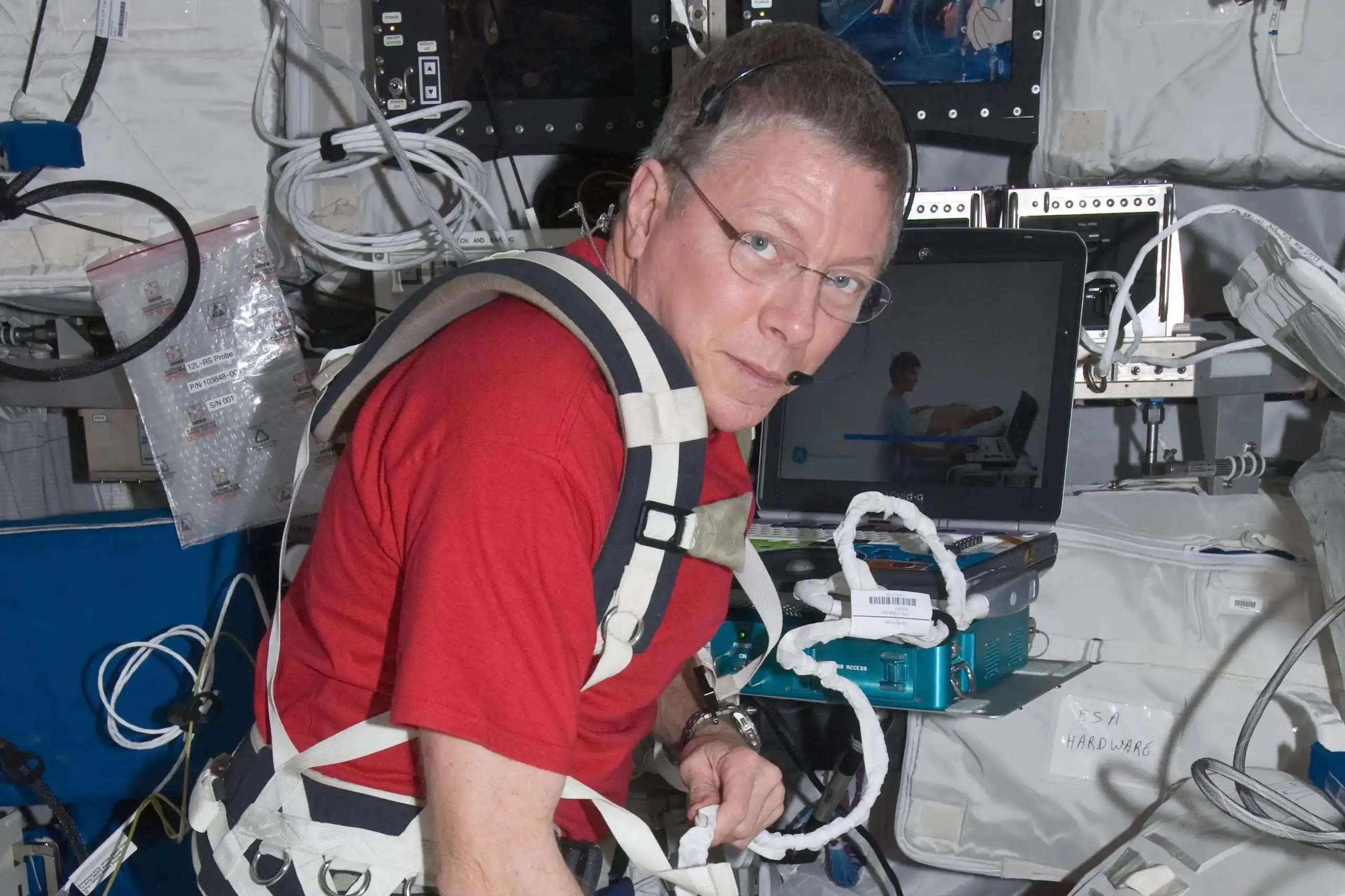
How mobile deep-space medical systems could support future landings on the moon and MarsDr. Farhan M. Asrar, Toronto Metropolitan University
Stem cells have potent potential for diabetes treatmentBailey Laforest, Carleton University and Jennifer Bruin, Carleton University
Climate change could significantly worsen summer air quality in future decadesRebecca Kaarina Saari, University of Waterloo
What adolescents and young adults with cancer want researchers to knowPerri Tutelman, University of Calgary and Fiona Schulte, University of Calgary
The ethics of being left out of health researchSonia S Anand, McMaster University; Gina Ogilvie, University of British Columbia, and Vanessa Watts, McMaster University
B.C. and Alberta fall behind on fracking safety distances for residentsMargaret McGregor, University of British Columbia; Deborah Curran, University of Victoria; Élyse Caron-Beaudoin, University of Toronto; Kevin Berk, Dalhousie University, and Tim K. Takaro, Simon Fraser University
Our eyes age too: Here’s how to reduce the risks of four common eye conditionsLangis Michaud, Université de Montréal
The high cost of undiagnosed and untreated ADHD: Unequal mental-health access and the care economyFiona MacDonald, University of Northern British Columbia and Aderonke Agboji, University of Northern British Columbia
Down syndrome isn’t a tragedy — but misinformation about it isMartha E. Walls, Mount Saint Vincent University and Cornelia Schneider, Mount Saint Vincent University
Why more doctors are validating near-death experiencesJorge Andrés Delgado-Ron, Simon Fraser University
Can stimulating the sense of smell be beneficial for the brain?Coline Zigrand, Université du Québec à Montréal (UQAM) and Benoît Jobin, Harvard University
Personal time helps parents feel better and recover from stressTheresa Pauly, Simon Fraser University
Major sporting events could offer a public health role for nursing studentsAreej Al-Hamad, Toronto Metropolitan University
Canada’s possible expansion of MAID for mental illness is worrisome, including for high schoolsMichael Baker, University of Manitoba and Nancy Hansen, University of Manitoba
‘Your letter has been forwarded for consideration’: A health expert on 4 ways Ottawa and Alberta avoid accountabilityAleksandra Mineyko, University of Calgary
Women’s experiences are forgotten in research on childbirth and breastfeedingThomas Saïas, Université du Québec à Montréal (UQAM)
From PCOS to PMOS: What the name change to polyendocrine metabolic ovarian syndrome means for women’s healthPauline McDonagh Hull, University of Calgary; Jamie Benham, University of Calgary, and Robyn Vettese, University of Calgary
Sleep and diet may matter more than exercise for buffering the health toll of chronic stressNick Turner, University of Calgary; A. Wren Montgomery, Western University; Erica Carleton, University of Regina, and Serra Al-Katib, University of Regina
After the COVID-19 pandemic, thousands more kindergarteners faced developmental challengesMagdalena Janus, University of British Columbia and Caroline Reid-Westoby, McMaster University
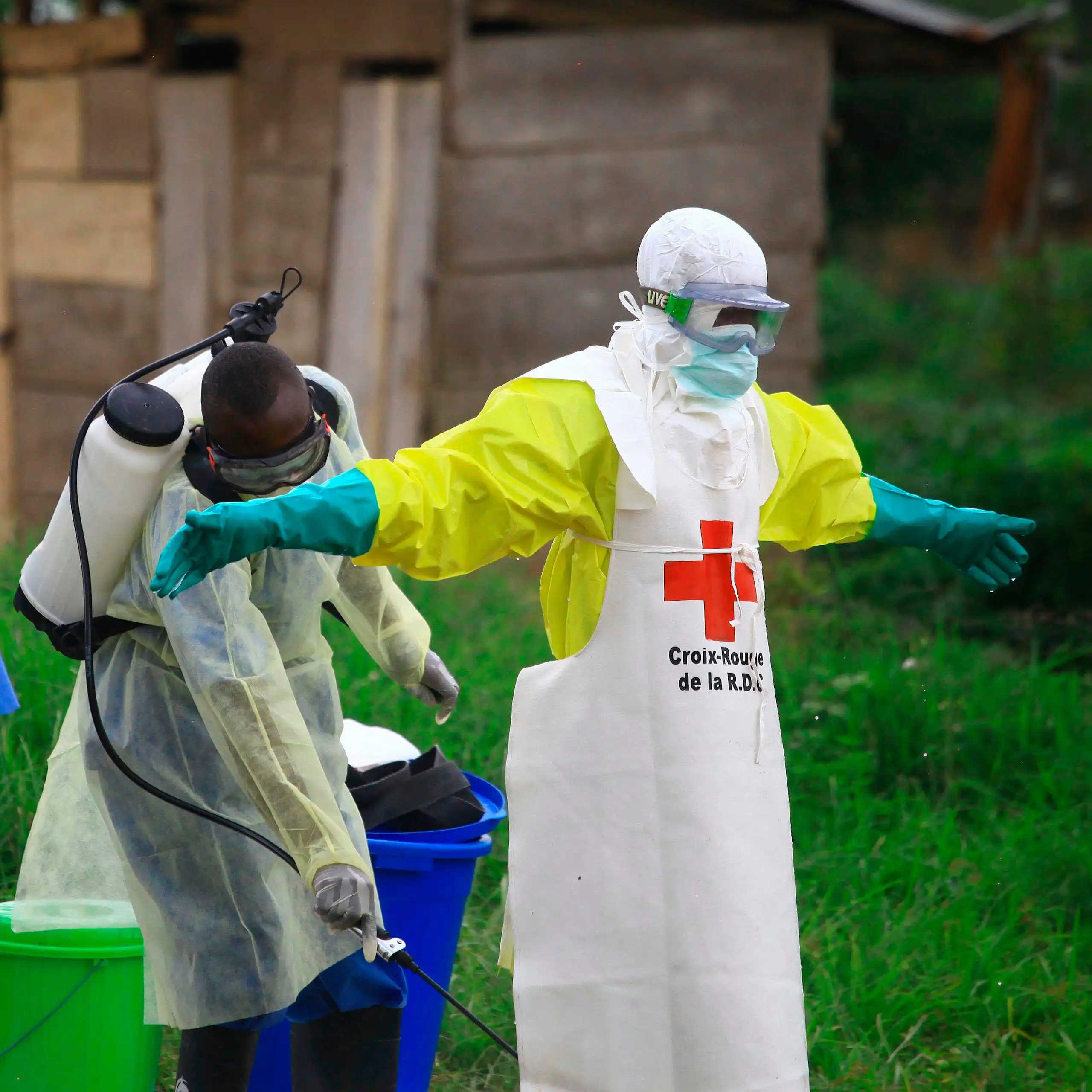
Ebola strain spreading in Congo and Uganda has no approved vaccineKlinger Soares Faico Filho, Universidade Federal de São Paulo (UNIFESP)
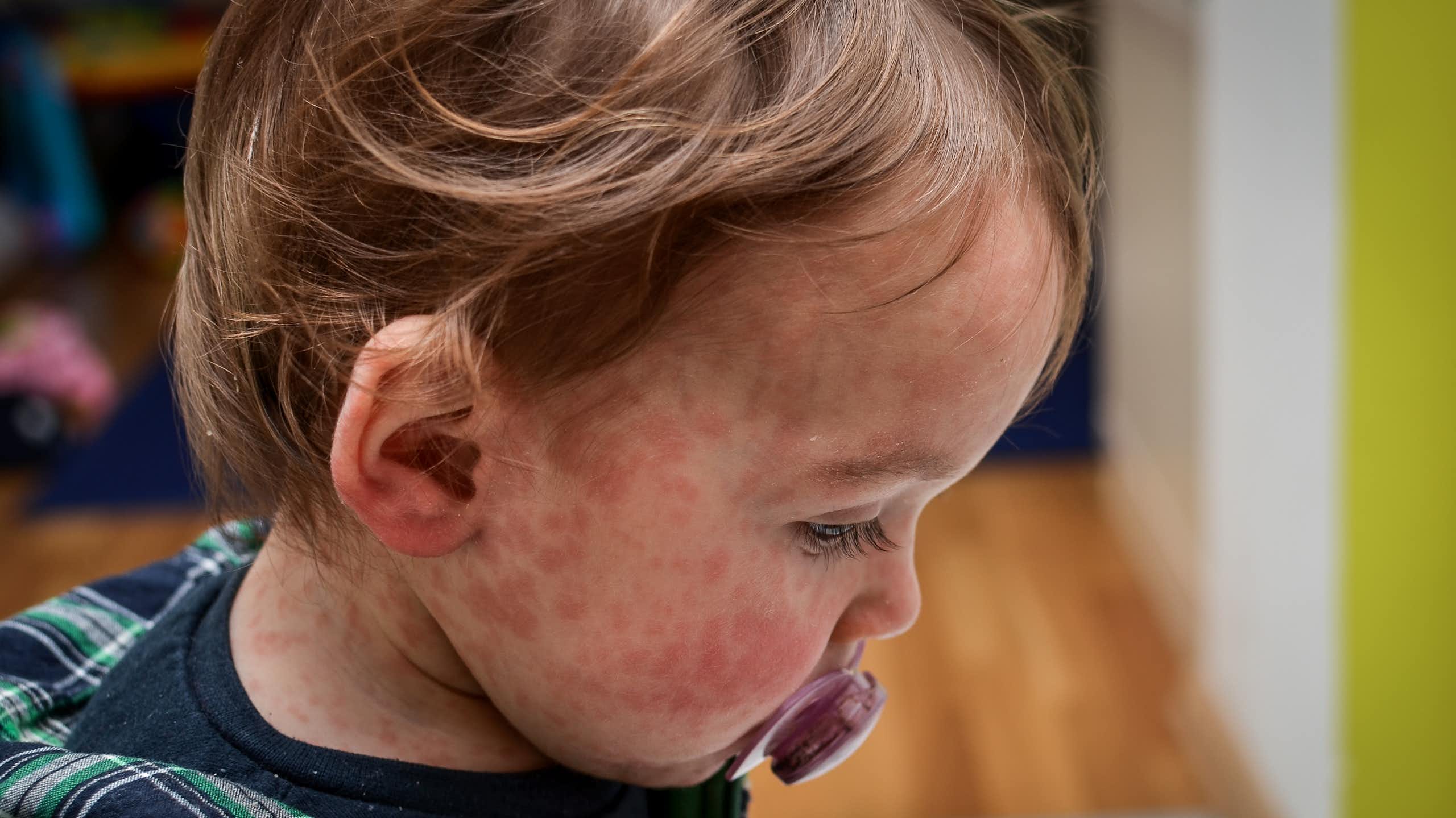
Canada loses its official ‘measles-free’ status – and the US will follow soon, as vaccination rates fallKathryn H. Jacobsen, University of Richmond
How we’re tracking avian flu’s toll on wildlife across North AmericaDamien Joly, University of Saskatchewan
How falling vaccination rates are fuelling the antibiotic resistance crisisRuchika Gupta, Western University
Chatbots can help clinicians become better communicators, and this could boost vaccine uptakeJaigris Hodson, Royal Roads University; David Rand, Massachusetts Institute of Technology (MIT), and Heather Lanthorn, Duke University
Vaccine hesitancy: How social and technological issues converged to spawn mistrustEmanuele Blasioli, McMaster University and Elkafi Hassini, McMaster University
Combatting the measles threat means examining the reasons for declining vaccination ratesCatherine Carstairs, University of Guelph and Kathryn Hughes, University of Guelph
What to know about shingles, a painful infection that vaccination can preventArushan Arulnamby, Toronto Metropolitan University and Samir Kumar Sinha, Toronto Metropolitan University
How you can stop your cat from bringing home unwelcome pathogensAmy Wilson, University of British Columbia; Peter P. Marra, Georgetown University, and Scott Wilson, University of British Columbia
Hantavirus: A cruise ship, a deer mouse and the fictional line between human and animal healthPrativa Baral, McGill University; Joanne Liu, McGill University, and Veasna Duong, McGill University
Hantavirus, COVID, norovirus, legionnaires’: why are cruise ships so prone to disease outbreaks?Vikram Niranjan, University of Limerick
What is hantavirus, the disease that has killed 3 cruise ship passengers?Thomas Jeffries, Western Sydney University
Studying racial and ethnic health inequality in Canada: What we need to get rightChloe Sher, University of Toronto
Canada’s fragmented electronic health records harm patients and cost taxpayers billions: New researchBraden Manns, University of Calgary; Stephanie Hastings, University of Calgary, and Sunand Kannappan, University of Calgary
New test promises to detect cancer earlier — from tiny particles in bodily fluidsSara Hassanpour Tamrin, University of Calgary and Arindom Sen, University of Calgary
Not getting enough physical activity may be harming your health: Here’s what being sedentary does to your bodyScott Lear, Simon Fraser University
Hurdles to a hobby: How climate change and ‘runfluencer’ culture impact our daily jogMadeleine Orr, University of Toronto and Caitlin Felteau-McInnis, University of Toronto
For preschoolers, fear of new foods is common — and responding can feel anything but simpleJessie-Lee McIsaac, Mount Saint Vincent University; Julie E. Campbell, Mount Saint Vincent University, and Melissa (Misty) Rossiter, University of Prince Edward Island
No more ‘just say no’ — Canadian schools will soon have a roadmap to address student substance useTonje Mari Molyneux, University of British Columbia and Emily Jenkins, University of British Columbia
Erectile disorder: How science is moving beyond viagraFranklin Calazana, Université du Québec à Montréal (UQAM); David Lafortune, Université du Québec à Montréal (UQAM), and Éliane Dussault, Université du Québec à Montréal (UQAM)
What Canada, the U.K. and other G7 nations learned about building resilient education systems during the COVID-19 pandemicLouis Volante, Brock University; Kristof De Witte, KU Leuven; Luca Salmieri, Sapienza University of Rome, and Orazio Giancola, Sapienza University of Rome
Why measuring dignity matters in Canada’s long-term care systemAndrea D. Foebel, University of Waterloo
Coercion isn’t care, and new laws that enforce treatment and confinement are dangerousJean-Laurent Domingue, L’Université d’Ottawa/University of Ottawa; Axel Ounis, L’Université d’Ottawa/University of Ottawa, and Emmanuelle Bernheim, L’Université d’Ottawa/University of Ottawa
Treating previously untreatable cancers: How CAR-T cell therapy could be made accessible to more patientsNolan Maugourd
Artificial intelligence and biology: AI’s potential for launching a novel era for health and medicineJames Colter, University of Calgary
Ontario is closing its supervised consumption sites, calling them a failure. So what counts as ‘success?’Daniel Eisenkraft Klein, Harvard University
The Bangui operation: A story of blood, science and biomedical exploitationPierre-Marie David, Université de Montréal
What are motor skills? Evidence-based ways to support children’s fine and gross motor developmentSophie M Phillips, Western University; Dan Jones, Teesside University, and Trish Tucker, Western University
When it comes to surgery, your doctor’s leadership skills play a crucial roleSteve Granger, Concordia University; Julian Barling, Queen's University, Ontario; Michaela Scanlon, L’Université d’Ottawa/University of Ottawa, and Nick Turner, University of Calgary
We’re asking the wrong questions about women’s athletic performanceKurt Michael Downes, University of Windsor and Kevin Milne, University of Windsor
The case for combined events: How decathlon and heptathlon training could solve a crisis in youth sportKurt Michael Downes, University of Windsor and Kevin Milne, University of Windsor
Not just boys: The overlooked story of ADHD in women and girlsEmma A. Climie, University of Calgary and Brandy Callahan, University of Calgary
‘I felt like a specimen’ – New clinical recommendations aim to improve trauma-informed care in pelvic medicinePauline McDonagh Hull, University of Calgary; Krystyna Holland, University of Calgary, and Lauren Walker, University of Calgary
OpenAI’s safety pledges in the wake of Tumbler Ridge aren’t AI regulation — they’re surveillanceJean-Christophe Bélisle-Pipon, Simon Fraser University
Danger was flagged, but not reported: What the Tumbler Ridge tragedy reveals about Canada’s AI governance vacuumJean-Christophe Bélisle-Pipon, Simon Fraser University
What treating Kashechewan evacuees reveals about Canada’s drinking water crisis: Policy failure is an Indigenous health issueJamaica Cass, Queen's University, Ontario
Why we ignore the warnings that could save usBrodie Ramin, L’Université d’Ottawa/University of Ottawa
The hidden enemy on Mount Kilimanjaro: Safely dealing with low oxygen at high altitudeStephen L Archer, Queen's University, Ontario
Dogs can overdose too: Naloxone training can save pets’ lives as well as humansJennifer Loewen, University of Saskatchewan; Barbara Fornssler, University of Saskatchewan; Colleen Dell, University of Saskatchewan, and Maryellen Gibson, University of Saskatchewan
Running is a substance-free pleasure that supports addiction recoveryStephanie Bogue Kerr, L’Université d’Ottawa/University of Ottawa and Nicolas Moreau, L’Université d’Ottawa/University of Ottawa
How low can you go (and still build muscle)? Why strength training matters at any ageTom Janssen, McMaster University and Matthew Lees, McMaster University
What to do if someone’s choking: Evidence says begin with back blowsCody Dunne, University of Calgary; Andrew McRae, University of Calgary, and Khara Sauro, University of Calgary
Big feelings: 5 ways parents can help kids learn to regulate their emotionsMarissa Nivison, University of Calgary; Gizem Keskin, University of Calgary, and Sheri Madigan, University of Calgary
The most prevalent disability in classrooms may be FASD — and supporting students is vitalTanya Joseph, Queen's University, Ontario
Black women’s health-care experiences remain marked by structural racism — here’s how institutions should move forwardElizabeth Kusi Appiah, University of Alberta and Elizabeth Papathanassoglou, University of Alberta
For women who live on the margins, health care is often out of reach. Here’s how we can build a bridge to accessSonia S Anand, McMaster University; Cathy Risdon, McMaster University, and Gina Ogilvie, University of British Columbia
Everyday chemicals, global consequences: How disinfectants contribute to antimicrobial resistanceMilena Esser, McMaster University
Silent cyber threats: How shadow AI could undermine Canada’s digital health defencesAbbas Yazdinejad, University of Regina and Jude Kong, University of Toronto
Tracking with care: The ethics of using location tracking technology with people living with dementiaMadalena Pamela Liougas, University of Toronto and Alisa Grigorovich, Brock University
Reconciliation without accountability is just talk — especially when it comes to Indigenous healthJamaica Cass, Queen's University, Ontario
Do dogs behave differently during an owner’s pregnancy? Many dog owners think soCatherine Reeve, Mount Saint Vincent University
Pet guardians are increasingly worried about the mental health of their dogs and catsRenata Roma, University of Saskatchewan
Pets don’t necessarily improve their owners’ well-beingChristophe Gagné, Université du Québec à Montréal (UQAM) and Catherine Amiot, Université du Québec à Montréal (UQAM)
Why more youth are landing in the ER with vomiting from cannabis useJamie Seabrook, Western University and Jason Gilliland, Western University
What and how you eat can increase the effects of GLP-1 without drugsMary J. Scourboutakos, Macon & Joan Brock Virginia Health Sciences at Old Dominion University
Preserving muscle with GLP-1 weight loss drugs: Big deal or nothing to worry about?Stuart Phillips, McMaster University
Health and competence are shaping Trump’s presidency. What about his predecessors?Ronald W. Pruessen, University of Toronto