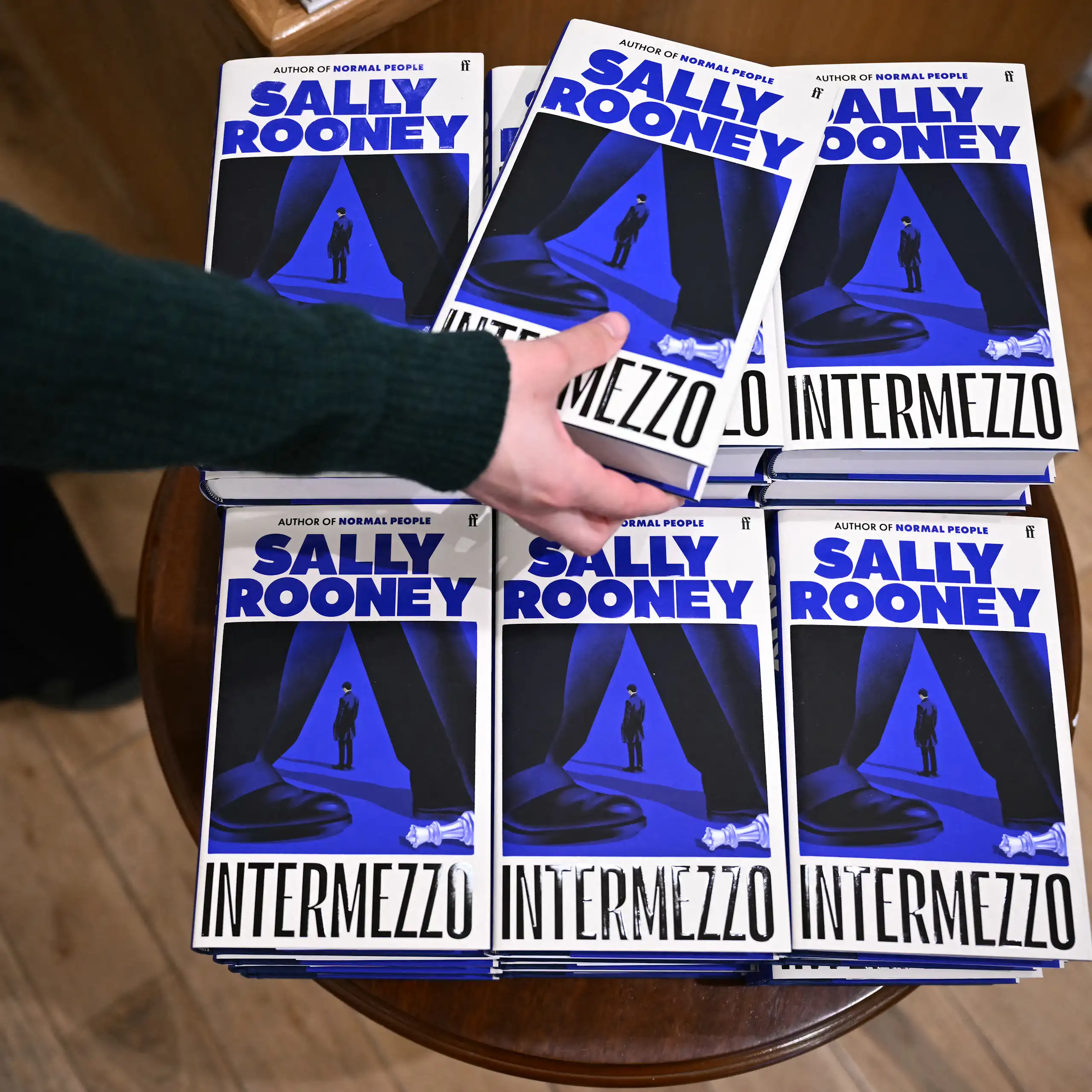
Sally Rooney’s books are being withdrawn from sale in the UK, due to her support for Palestine ActionJulian Novitz, Swinburne University of Technology
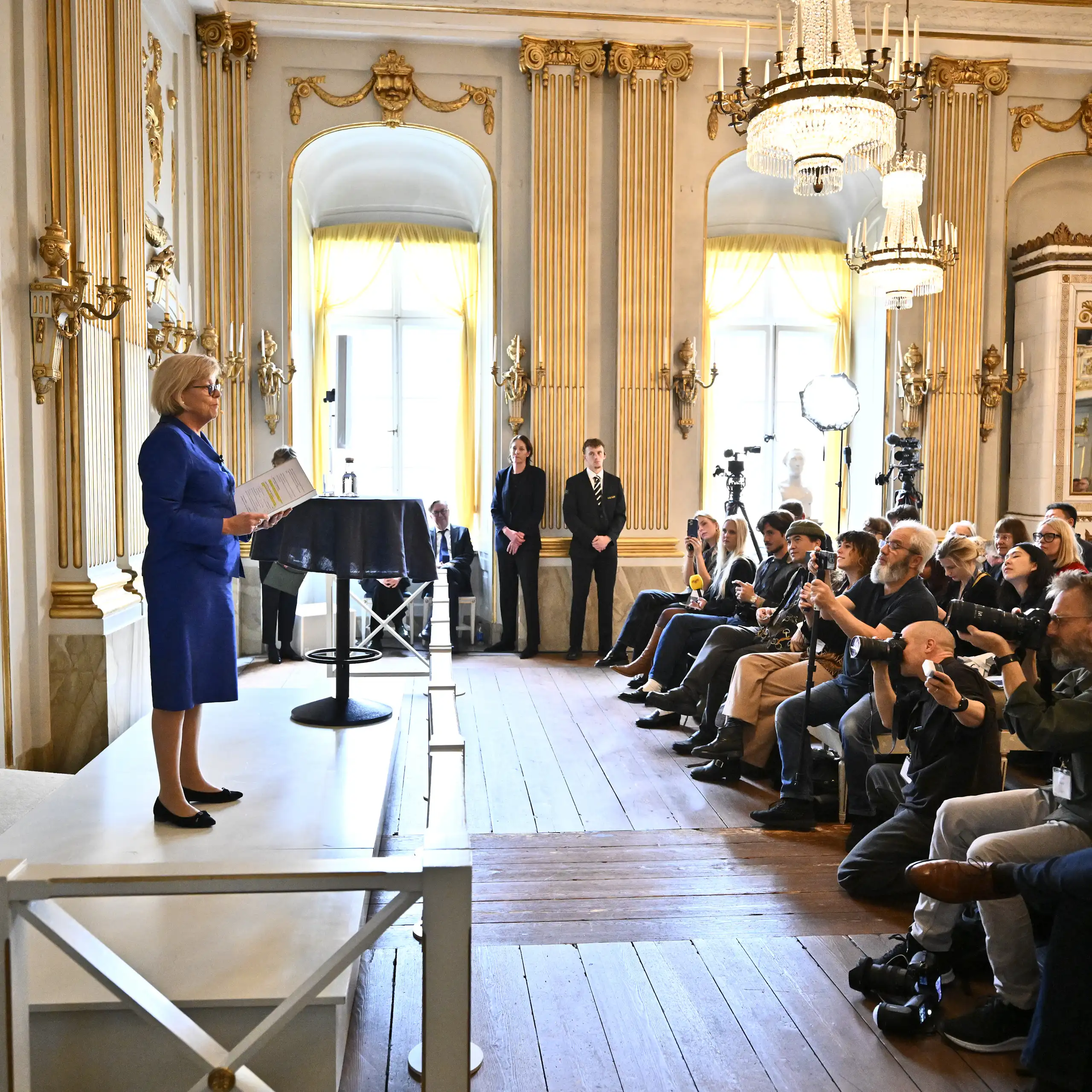
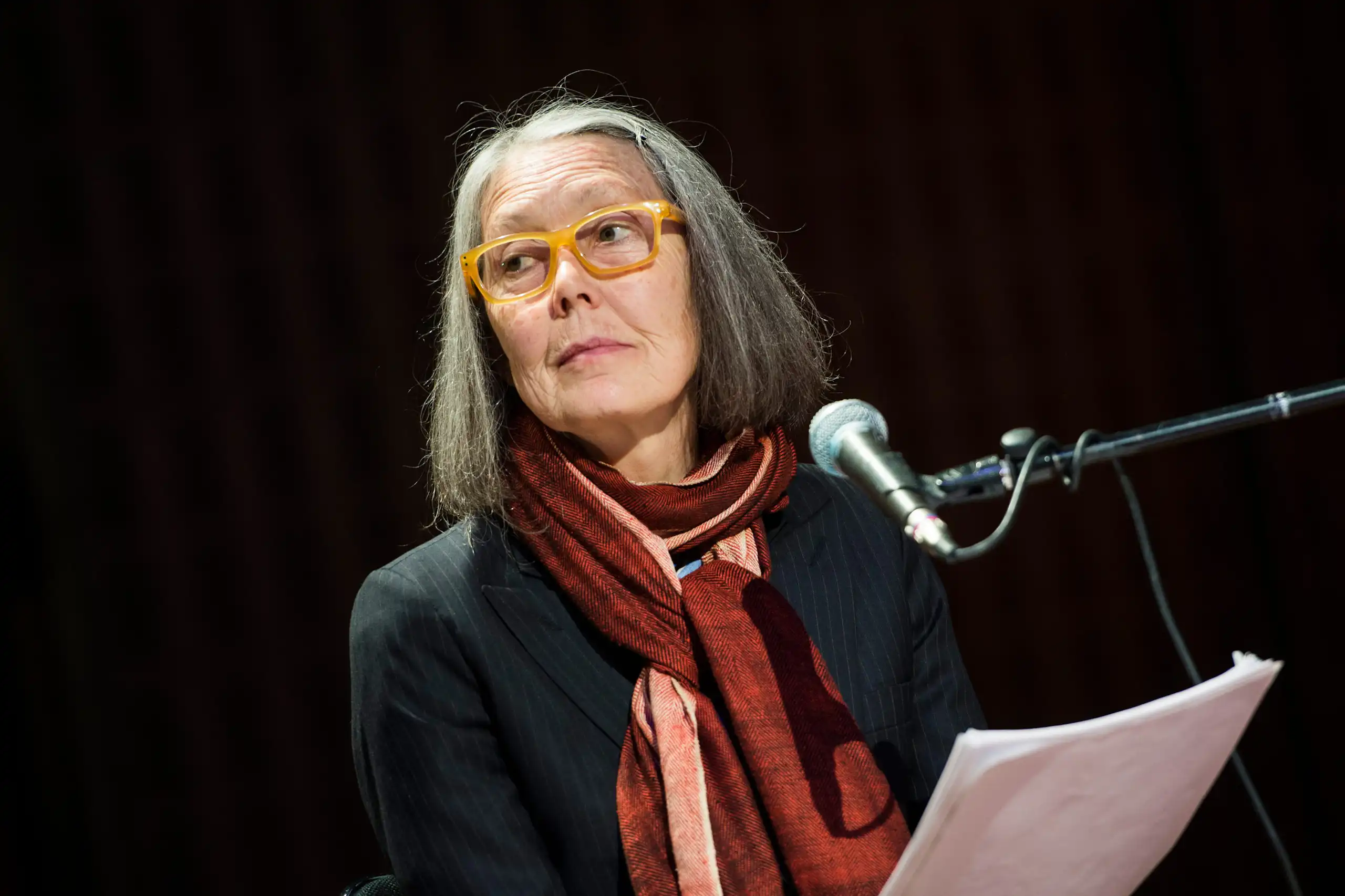
Anne Carson wins the Nobel Prize: How Canadian writers land on the international stageChristophe Premat, Stockholm University
Anne Carson’s Nobel Prize: Where the ancient world meets postmodern literatureChristophe Premat, Stockholm University
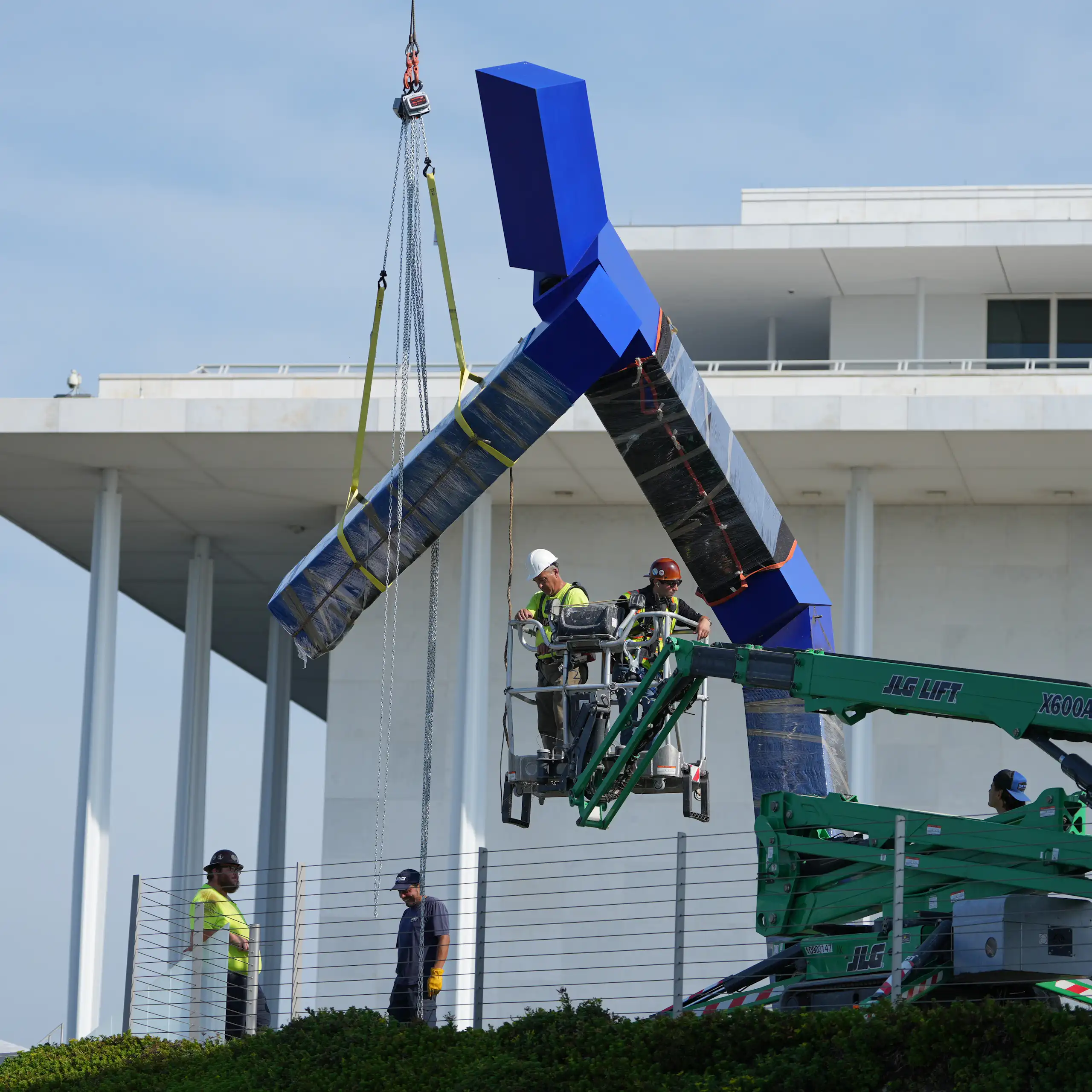
Attacks on cultural heritage are unfolding with authoritarian politics in the U.S. and beyondEvan Freeman, Simon Fraser University
From Fear Factor to Beast Games: Why watching people suffer for money still makes compelling TVTiara Sukhan, Western University
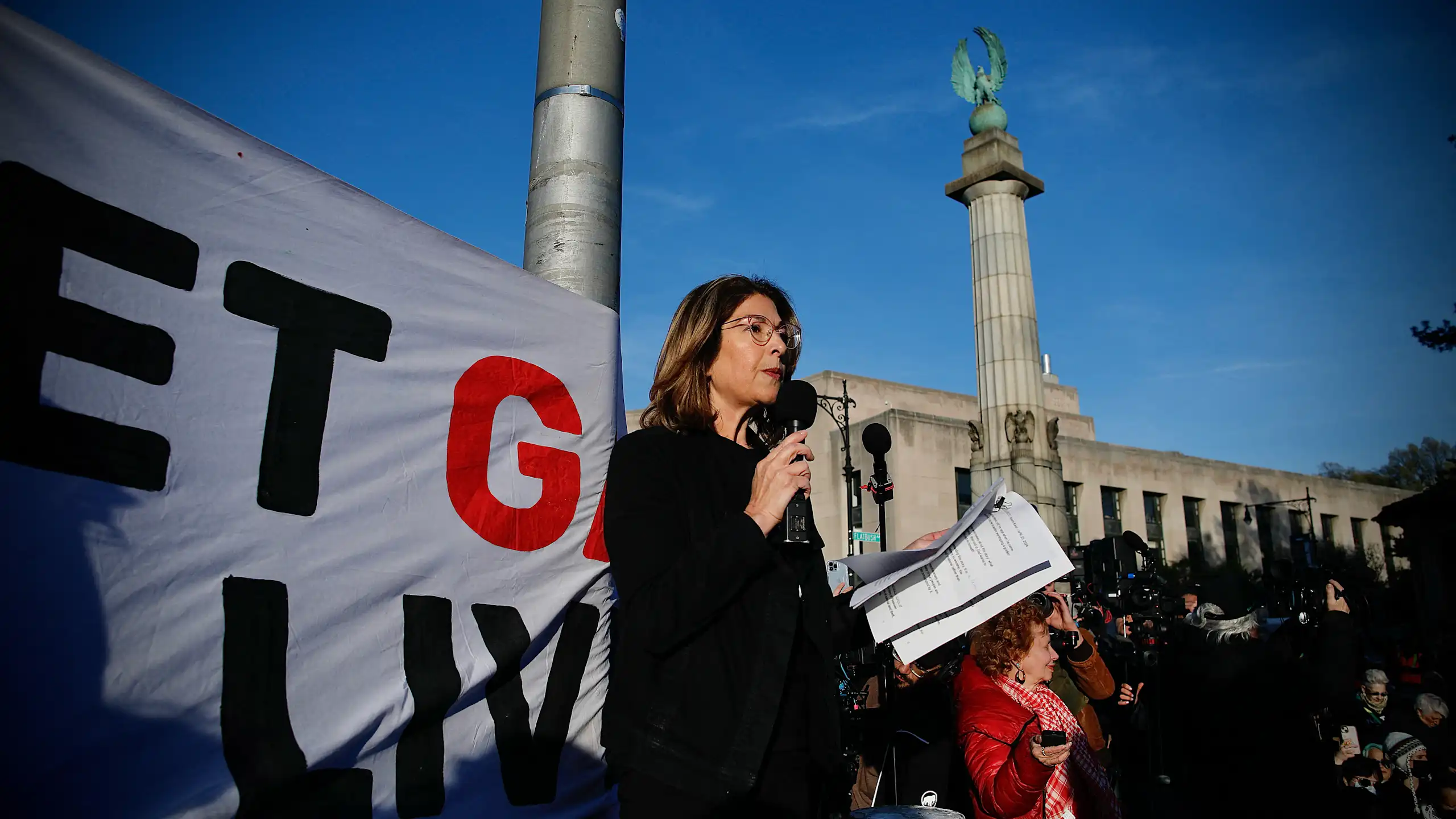
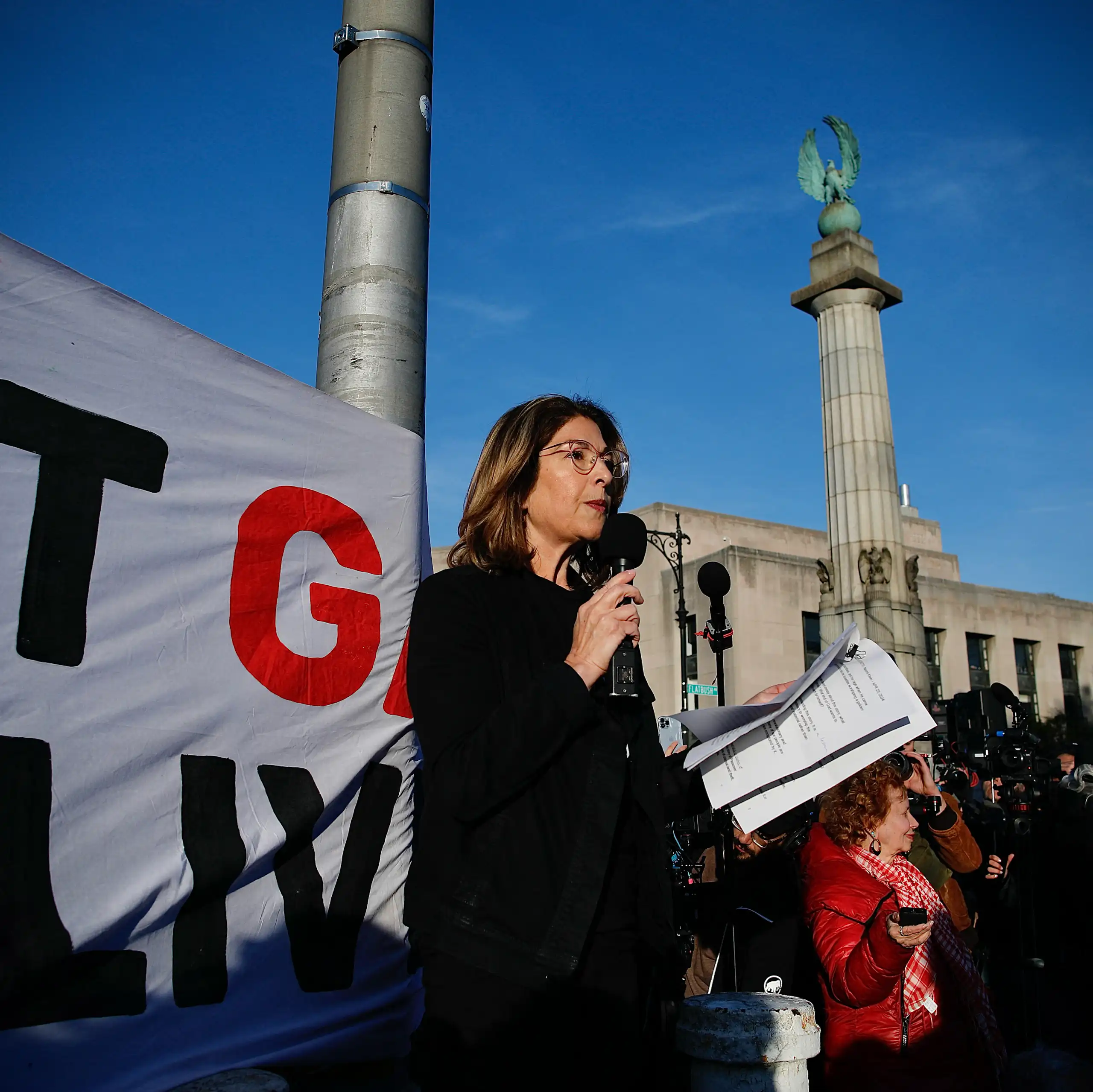
Naomi Klein’s new book calls out end times fascism. What is this – and what’s the role of big tech?Luke Munn, The University of Queensland
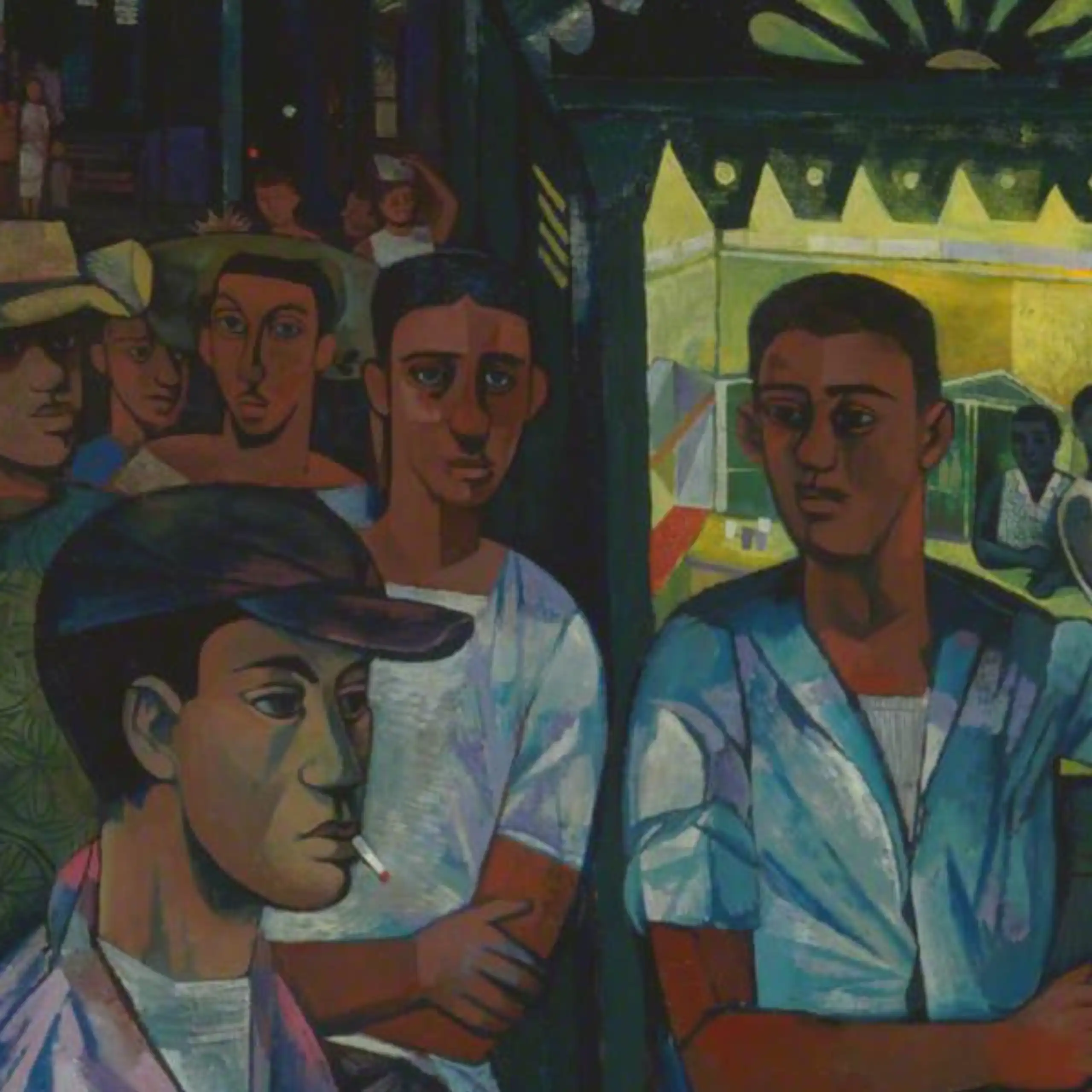
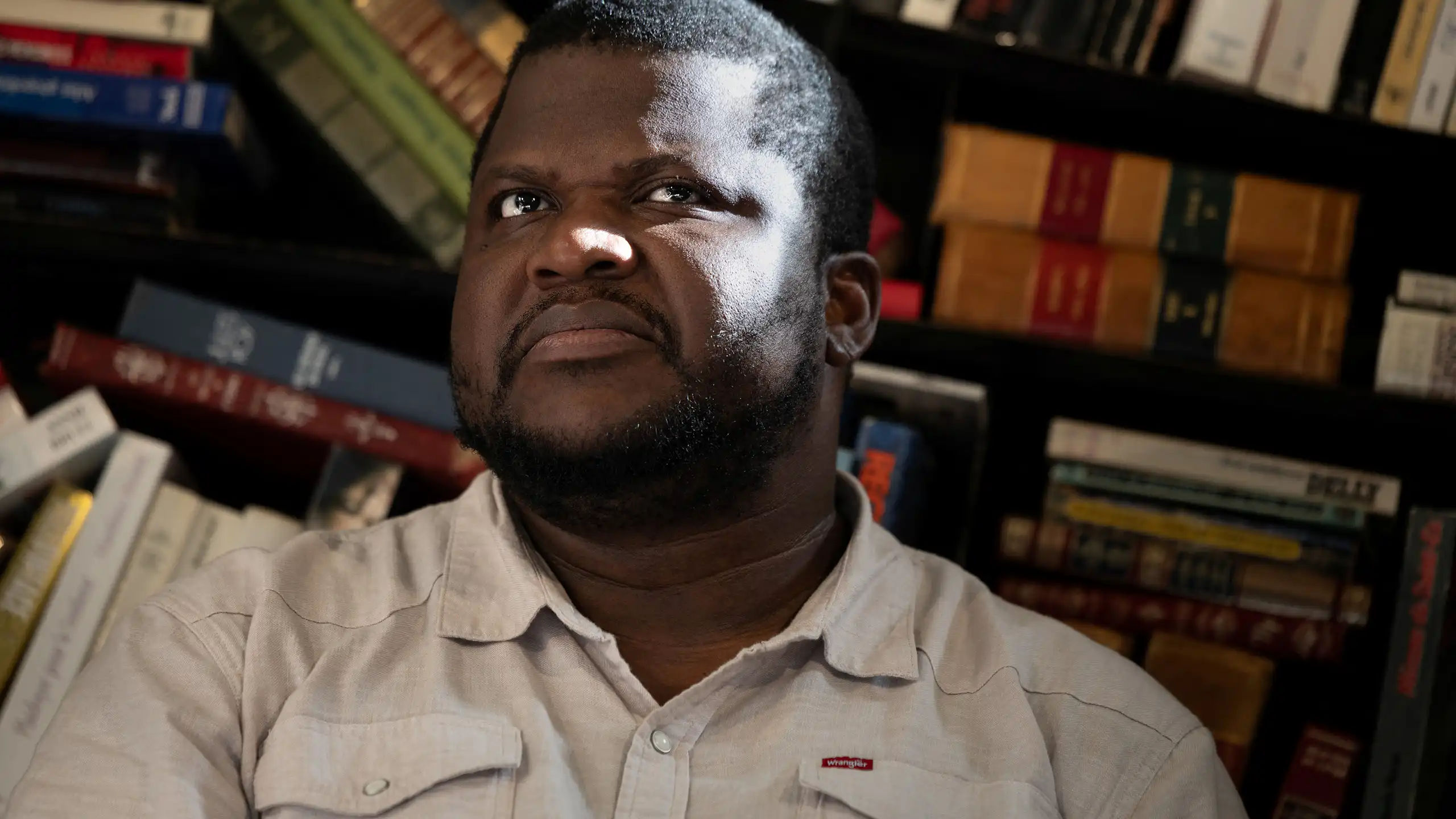
The Disappearers: Marlon James’s new novel gives voice to the gay men Jamaica erasedAlison Donnell, University of Bristol
How Heated Rivalry, Off Campus and Shoresy are challenging hockey’s old ideasClementine Oberst, McMaster University
Billing culture: Nigerian rapper eLDee takes on modern dating in I Wish You WellGarhe Osiebe, Rhodes University
Earthly Paradise at the William Morris Museum asks how we can ‘live radically’ inside our homesPeter Ainsworth, University of the Arts London
As the school year settles in, making room for the arts can support everyday well-beingHeather McLaughlin, Concordia University
Prime’s Carrie miniseries expands Stephen King’s story – but weakens its central horrorAhmed Honeini, Royal Holloway, University of London
Night of a Thousand Hells: a subversive, shapeshifting tale of sisterhood, violence and griefManjeet Ridon, De Montfort University
Teenage Sex and Death at Camp Miasma: a queer slasher about trauma and desireDarren Elliott-Smith, University of Stirling
Peatland folklore lent us will-o-the-wisps and jack-o-lanterns, and can inspire climate action todayDerek Gladwin, University of British Columbia
The 17th-century British scientists who investigated hauntingsLouise Ryland-Epton, The Open University
A tale of demonic possession and exorcism in 17th-century New France: Can we know what really happened?Mairi Cowan, University of Toronto
Mawachihitotaak: For Métis, it matters to say ‘let’s get together’ to share storiesYvonne Poitras Pratt, University of Calgary; Madelaine McCracken, L’Université d’Ottawa/University of Ottawa, and Melanie Griffith Brice, University of Calgary
New book on Integrating Cree worldview with western psychology: Q&A with a psychotherapistThe Conversation Canada, The Conversation
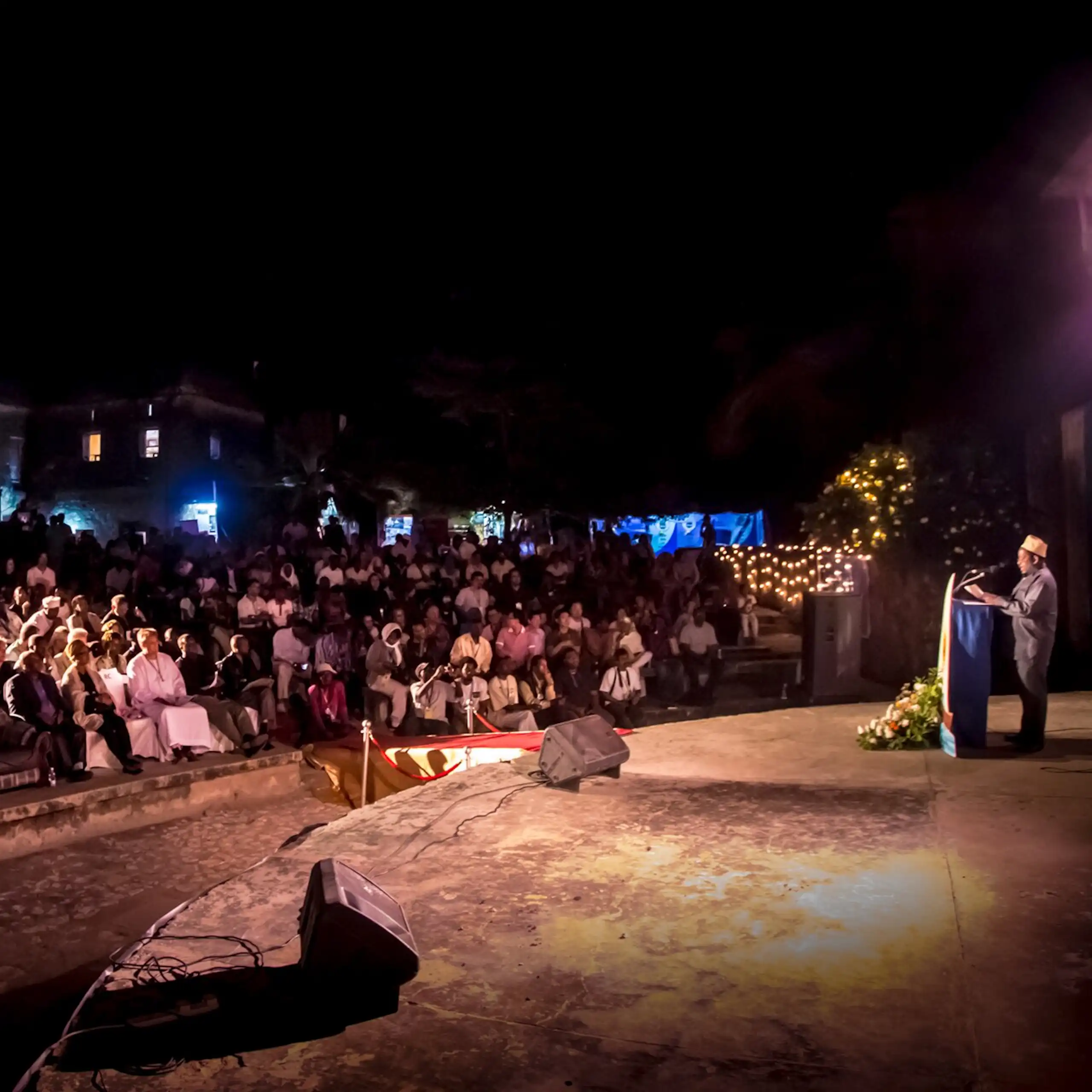
Film festivals take African cultural heritage around the world – and help keep it aliveSheila Petty, University of Regina
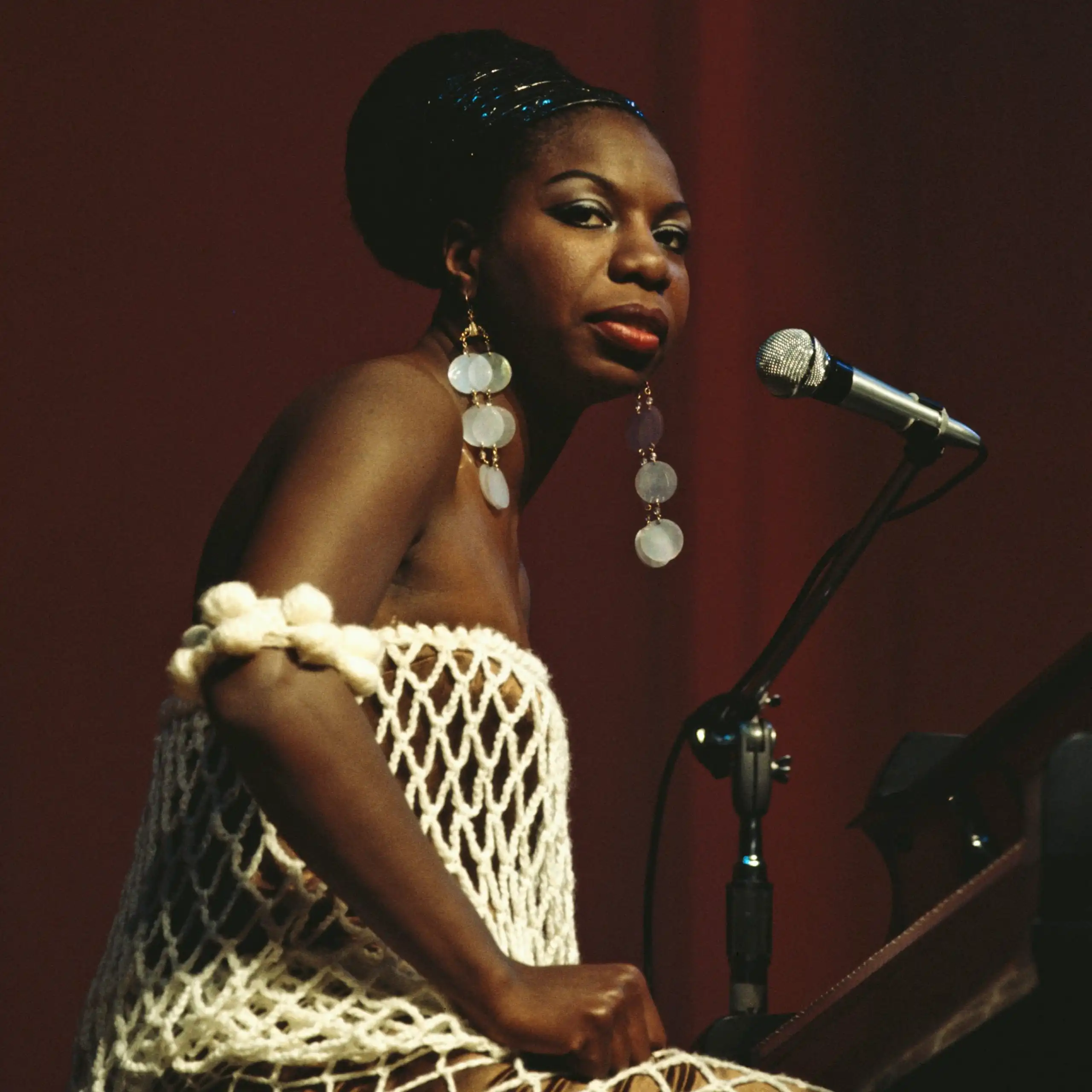
Nina Simone, Langston Hughes and their forgotten creative collaborationJason Miller, North Carolina State University
Christopher Nolan’s The Odyssey disappoints in its portrayal of Homer’s womenAllison Glazebrook, Brock University
How Netflix’s Little House on the Prairie expands the book and TV series for todayMiranda Green-Barteet, Western University and Melanie Fishbane, Western University
ABBA’s Dancing Queen at 50: why we’ve spent half a century having the time of our livesWendy Hargreaves, University of Southern Queensland
Sex, jazz, liquor and gambling: How Montréal’s nightlife shifted in the mid-20th centuryMatthieu Caron, Simon Fraser University
As Calgary’s poet laureate, I’m interested in poetry as a form of civic listeningClara A.B. Joseph, University of Calgary
In the age of AI, human creative output is becoming a luxuryNathan Murray, Algoma University and Elisa Tersigni, University of Toronto
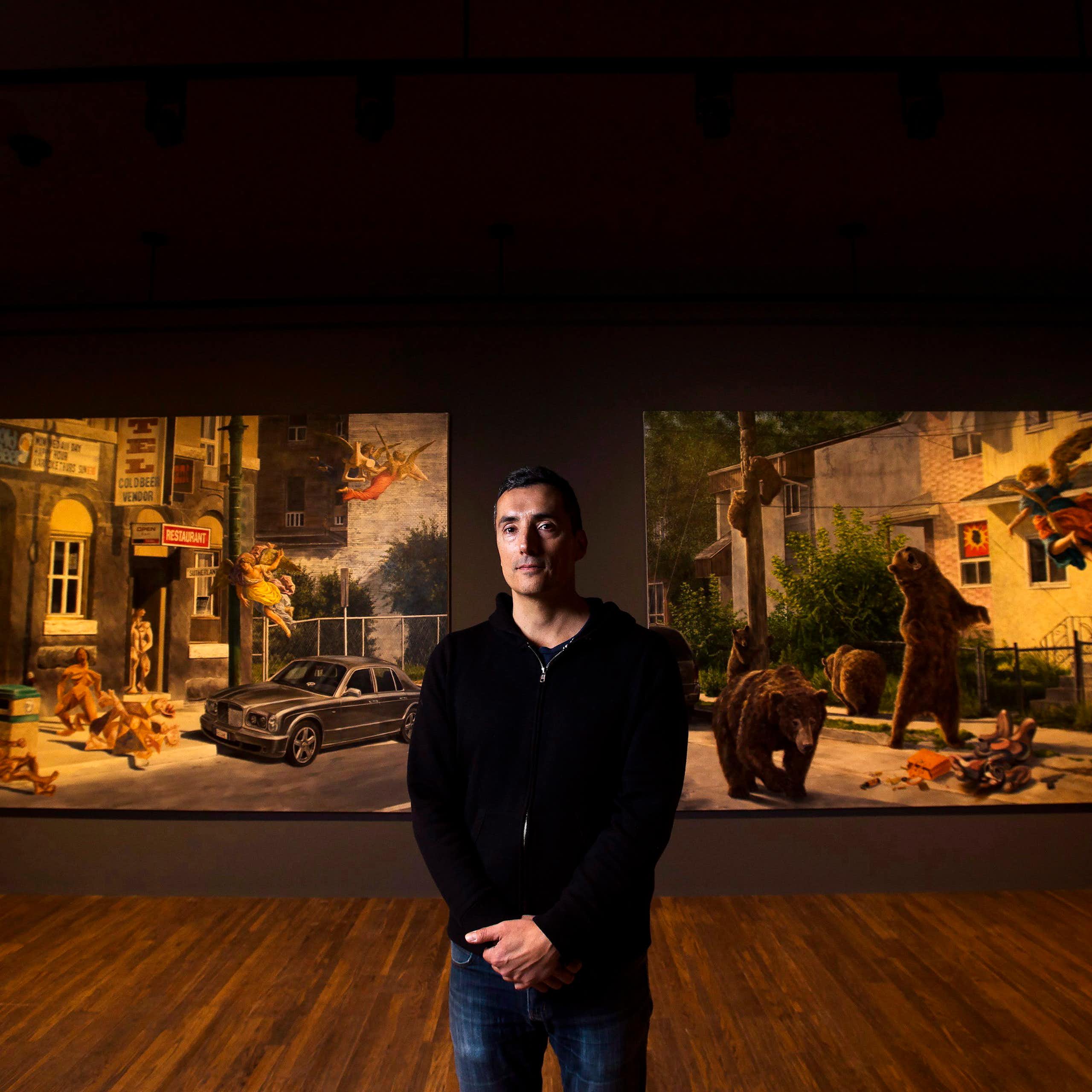
With Miss Chief Eagle Testickle, Cree artist Kent Monkman confronts historyAnna Hudson, York University, Canada
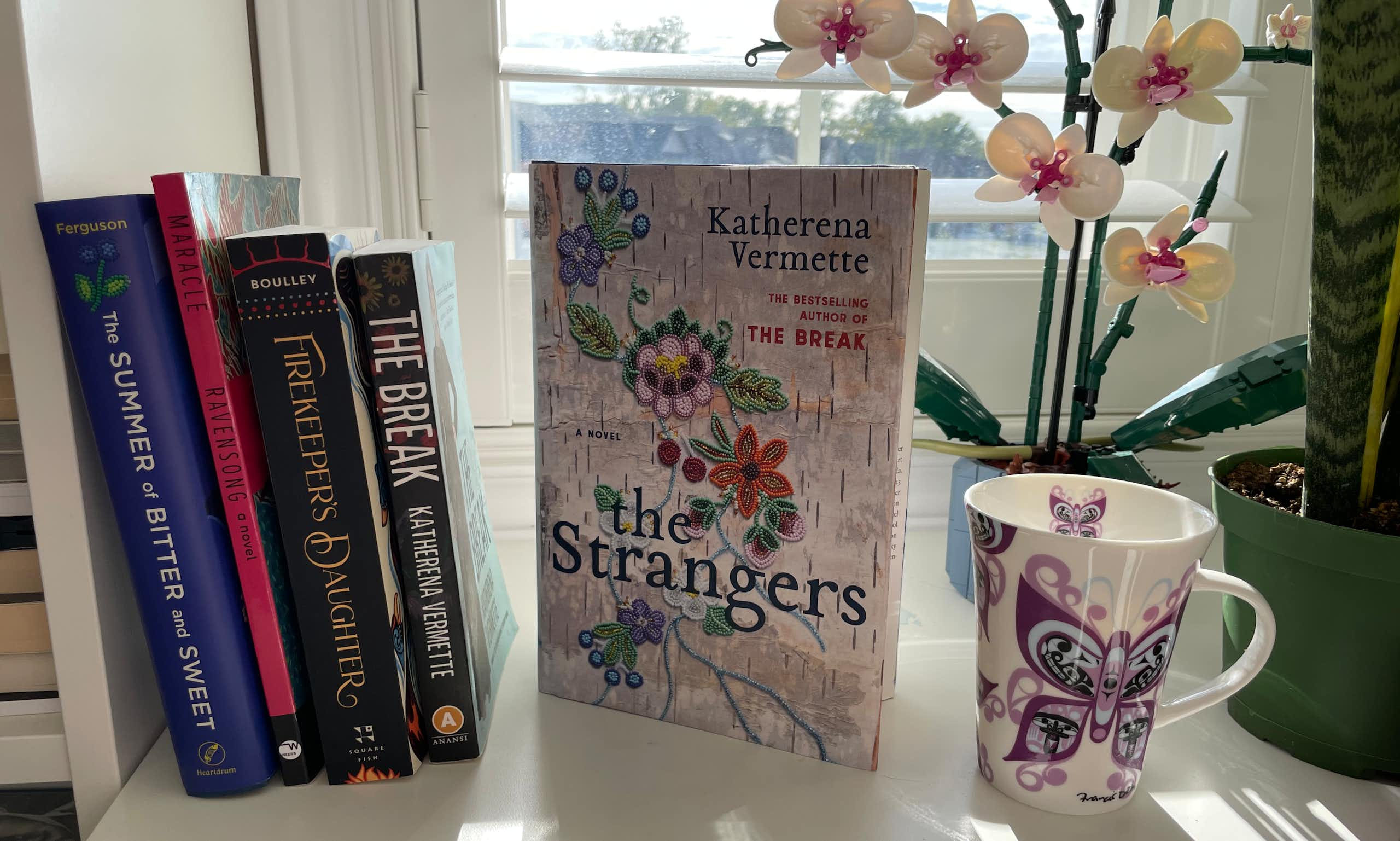
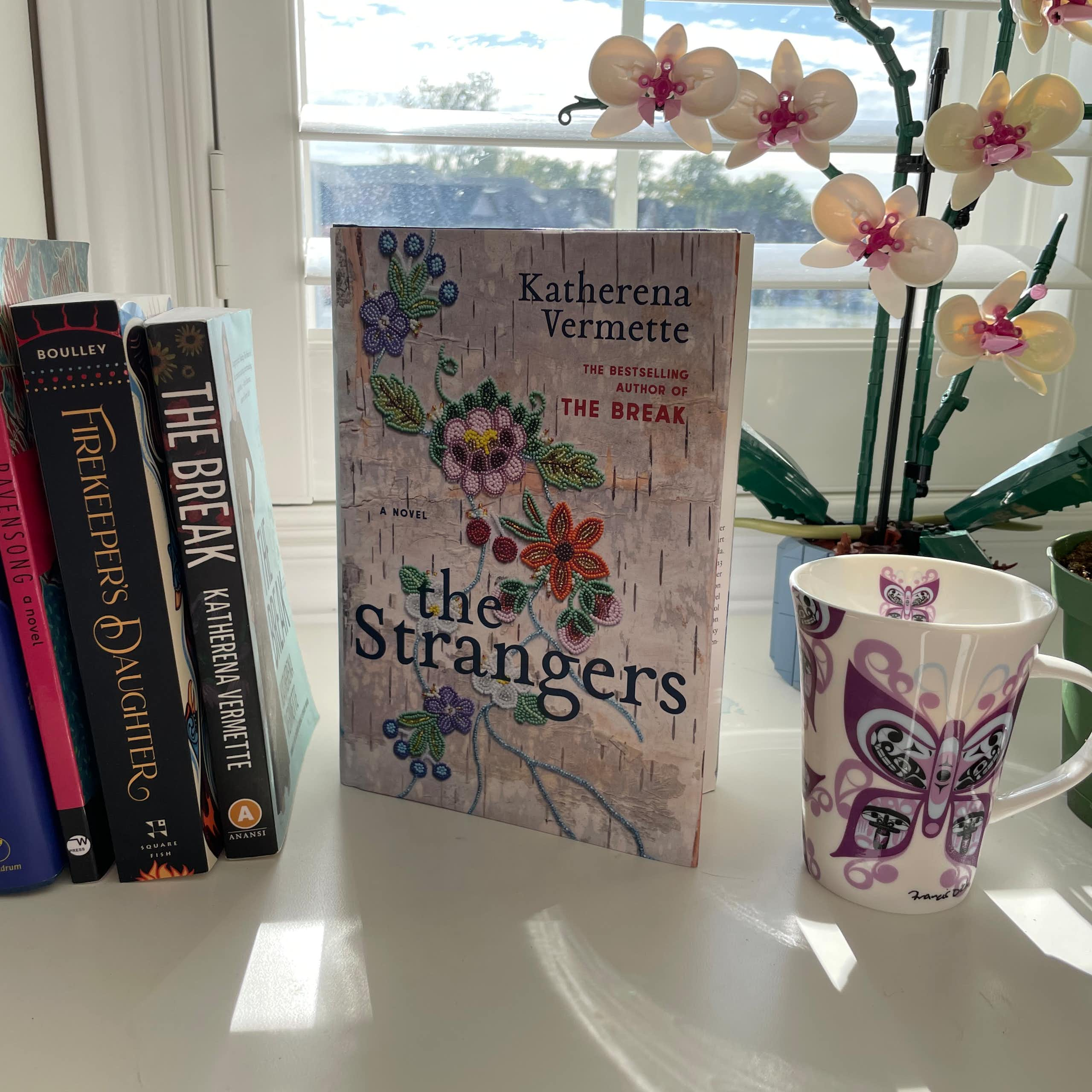
The real truth about stories: Book recommendations from the Indigenous Literatures LabJennifer Brant, University of Toronto; Erenna Morrison, University of Toronto; Gayatri Thakor, University of Toronto; Jasmine Rice, University of Toronto, and Miyopin Cheechoo, University of Toronto
Thomas King: As we learn another ‘hero’ is non-Indigenous, let’s not ignore a broader cultural problemCeleste Pedri-Spade, McGill University
CBC’s NHL hockey loss points to the need to rethink public media for the digital ageChristopher Cwynar, Trent University
Heated Rivalry: How investment in Canadian content can pay off at home and abroadDaphne Rena Idiz, University of Toronto; Claudia Sicondolfo, University of Toronto, and MaryElizabeth Luka, University of Toronto
How do we define Canadian content? Debates will shape how creatives make a livingDaphne Rena Idiz, University of Toronto and MaryElizabeth Luka, University of Toronto
Tax Canadian movies? Why culture has always been at the centre of trade warsSarah E.K. Smith, Western University
‘Trump said what?!’ — How satire helps us navigate disorienting politicsPascal Michelberger, Western University
‘STOP the American takeover of Canada!’ — Inspiration and humour from a London, Ont. art movementRuth Skinner, Western University
‘Pax Americana’ in Toronto: How speculative art can help us navigate threatsPascal Michelberger, Western University
How Donald Trump’s trade war against Canada reveals tensions inherent in friendshipJason Wang, Toronto Metropolitan University
Empathie on Crave isn’t afraid of the messy power of feeling with othersJoëlle Rouleau, Université de Montréal
‘Decolonizing Lens’: Winnipeg and virtual film series reflects the beauty of Indigenous worldviewsJocelyn Thorpe, University of Manitoba and Kaila Johnston, University of Manitoba
Film festivals like TIFF set the tone for wider industry norms — here’s what we’re watching around AILauren Knight, University of Toronto; Daphne Rena Idiz, University of Toronto, and Rafael Grohmann, University of Toronto
The future is scrappy: Montréal’s Fantasia Film Festival hints at what’s next in mediaDeepro Roy, Western University
7 films to help you understand Iranian women’s fight for freedomMiniature Malekpour, University of Sydney
Christopher Nolan’s The Odyssey disappoints in its portrayal of Homer’s womenAllison Glazebrook, Brock University
With KPop Demon Hunters, Korean women hold the sword, the microphone — and OscarsHyounjeong Yoo, Carleton University
‘Better Than Chocolate’ highlights lost 90s decade of lesbian Canadian cinemaTamara de Szegheo Lang, Queen's University, Ontario and Dan Vena, Queen's University, Ontario
16 Oscar nods for Sinners signals a broader appetite for imaginative Black cinemaCornel Grey, Western University
Literary life after death: How authors are remembered across CanadaCarole Gerson, Simon Fraser University
A bestselling novel was pulled from a French literary prize after AI accusations – what next?Anthony Cordingley, University of Sydney
Author Saeed Teebi writes beyond exile in his memoir of Palestine and writing in dark timesFatme Abdallah, Western University
Shahrnush Parsipur: Iran has lost one of its bravest and boldest literary voicesHind Elhinnawy, Nottingham Trent University
Indigenous-authored novels: 5 great contemporary reads for young adultsJennifer Brant, University of Toronto; Erenna Morrison, University of Toronto; Gayatri Thakor, University of Toronto, and Meagan Hamilton, University of Toronto
How a forgotten Toronto story shows Hemingway beginning to invent himself as a fiction writerIrene Gammel, Toronto Metropolitan University
The 2026 Met Gala dress code is ‘Fashion is Art’. But is it?Grace Waye-Harris, Australian Catholic University; Adelaide University
Black style and resistance: The Met Gala, dandyism and blackface in CanadaCheryl Thompson, Toronto Metropolitan University
Why are buttons and zippers on different sides of men’s and women’s clothes?JuYoung Lee, Mississippi State University and Caroline Kobia, Mississippi State University
Not just a ‘woman’s hobby’ – why more men are picking up sewing, and why you should tooJye Marshall, Swinburne University of Technology
Fast Fashion: Why garment workers’ lives are still in danger 10 years after Rana Plaza — PodcastBoké Saisi, The Conversation and Vinita Srivastava, The Conversation
Valentino: the Italian designer who broke into French haute couture with his elegant style and signature redNaomi Braithwaite, Nottingham Trent University
Fake models for fast fashion? What AI clones mean for our jobs — and our identitiesJul Parke, University of Toronto
Does fandom for the rock duo ‘Angine de Poitrine’ signal a prog rock renaissance?Alexander Carpenter, University of Alberta
How Dolly Parton built a life and career on her own termsJada Watson, L’Université d’Ottawa/University of Ottawa
AI music lawsuits raise questions about American companies and Canadian artsBrian Fauteux, University of Alberta; Andrew deWaard, University of California, San Diego, and Brianne Selman, University of Winnipeg
Elisapie’s Juno-winning album: Promoting Inuktitut through musicRichard Compton, Université du Québec à Montréal (UQAM) and Sarah Angiyou, Université du Québec en Abitibi-Témiscamingue (UQAT)
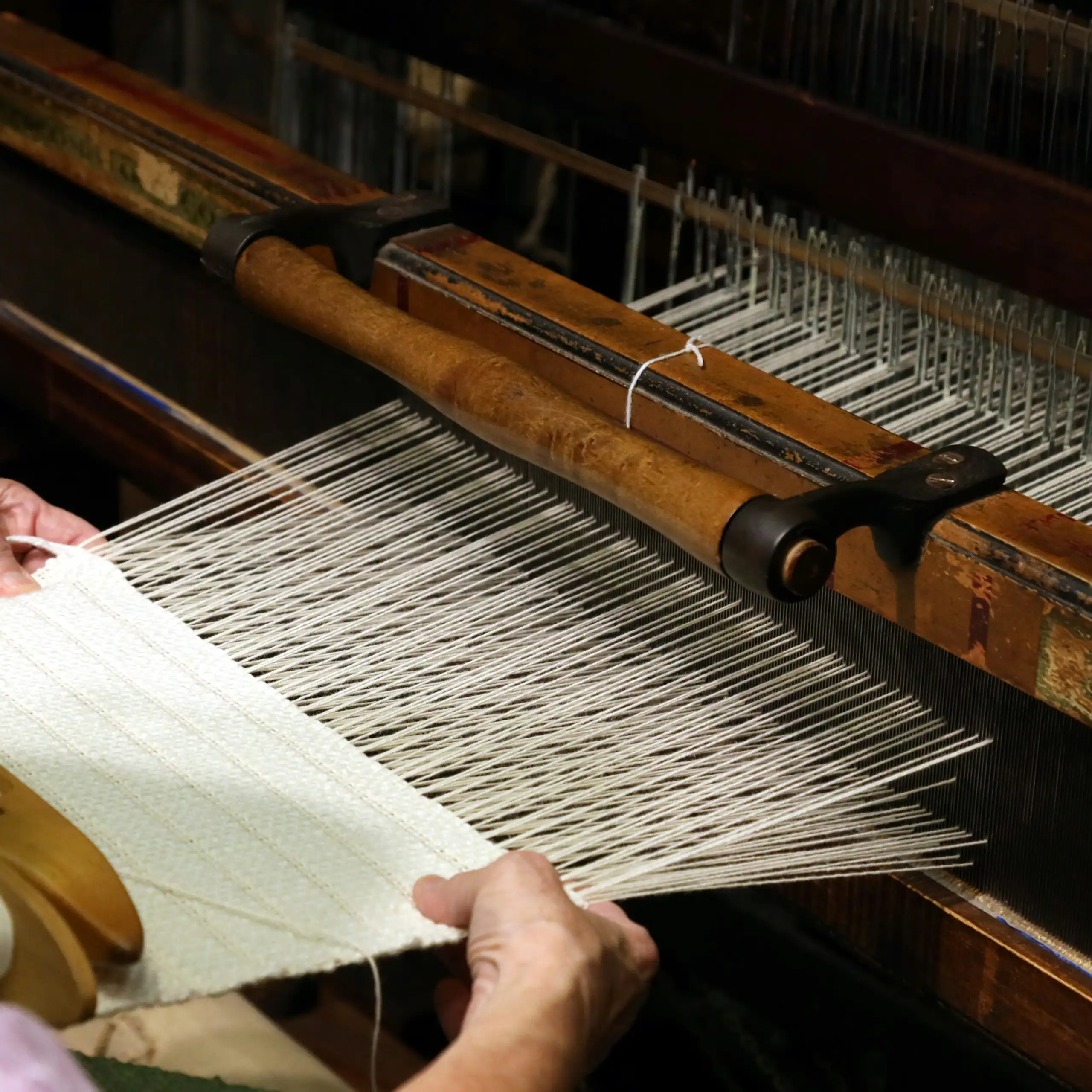
How weaving helped invent modern computing — and is shaping its futureSara Nabil, Queen's University, Ontario
Indigenous basket-weaving makes an excellent digital math lessonVeselin Jungic, Simon Fraser University
Who were the Luddites? Their legacy ripples through politics, cultural commentary and literatureBrian Lewis, McGill University
Larry Towell exhibition: Experiencing the world beyond everyday life through photographySarah Bassnett, Western University
Sunlight is alive — and through play with it, artists reflect on climate changeMeghan Moe Beitiks, Concordia University
Art as resistance: A digital archive documents how protest arts address police violenceTaiwo Afolabi, University of Regina and Friday Shina Gabriel, University of Regina
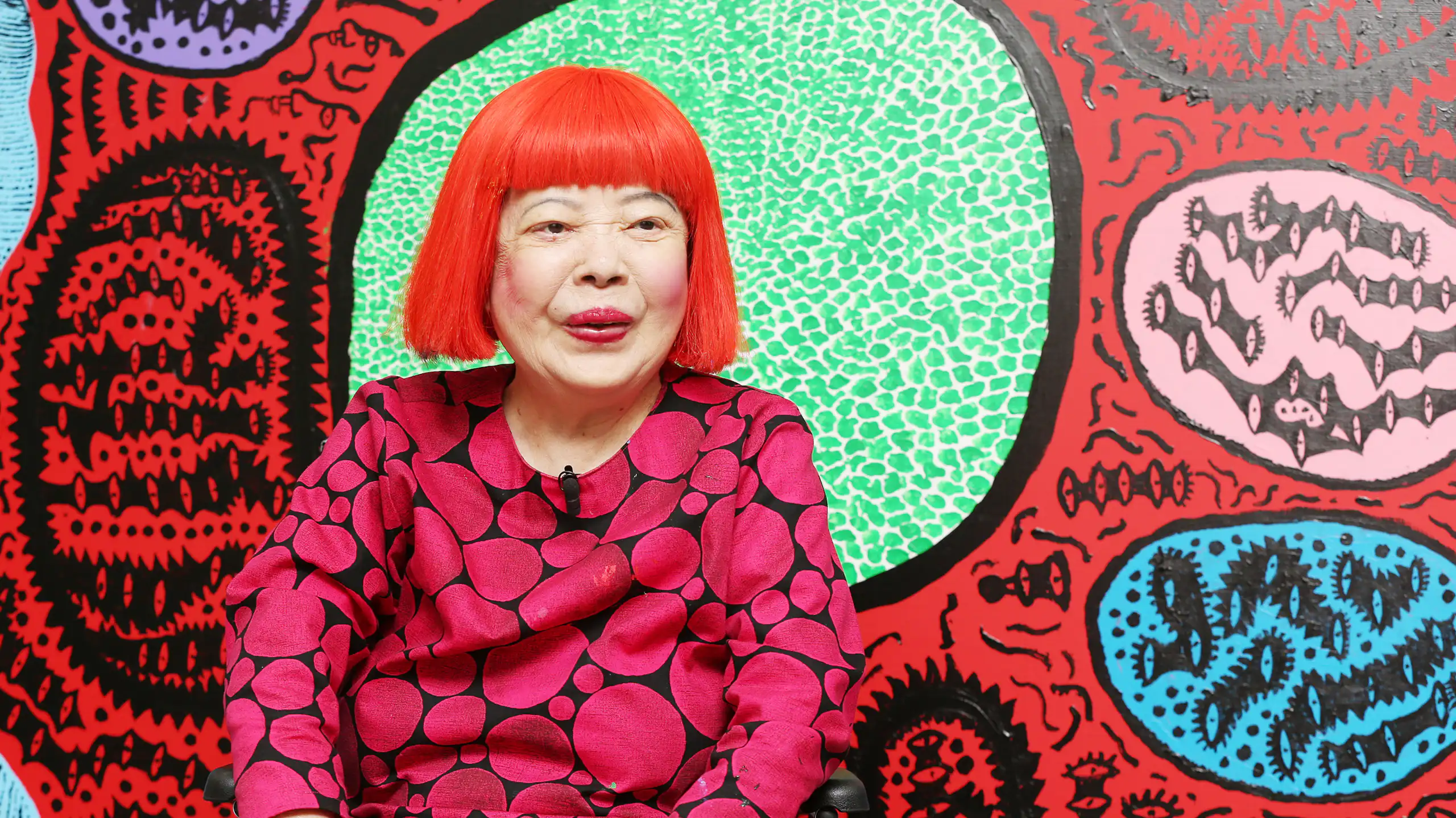
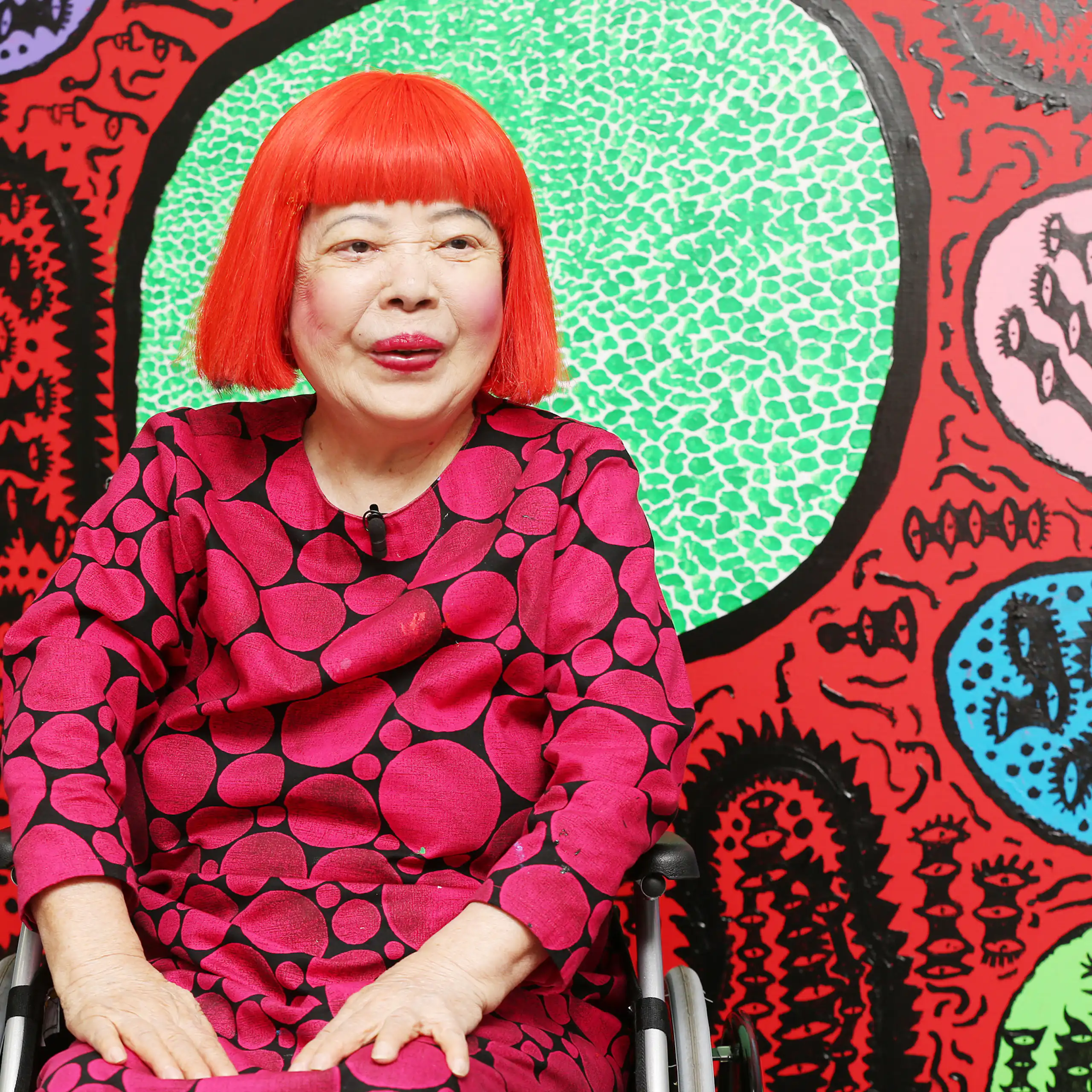
‘The only method I have found that relieved my illness is to keep creating art’: remembering Yayoi KusamaSasha Grishin, Australian National University
How Canadian philosopher Marshall McLuhan influenced today’s multi-sensory museumsGary A Genosko, Ontario Tech University
Seeing histories of forced First Nations labour: the ‘Nii Ndahlohke / I Work’ art exhibitionMary Jane Logan McCallum, University of Winnipeg and Julie Rae Tucker
Can science museums help us talk about mental health?Ana Maria Navas Iannini, Simon Fraser University
Why are we so obsessed with true crime? Hint: It’s not just morbid curiosityMichael Arntfield, Western University
Facing annexation threats, should Canadians lament for a nation — like George Grant did in 1963?David Edward Tabachnick, Nipissing University
Philosopher Hannah Arendt provokes us to rethink what education is for in the era of AIPaul Tarc, Western University
Apongo was a rebel leader in Jamaica – a diary entry sheds light on his west African originsDevin Leigh, University of California, Berkeley
Looking for Indigenous history? ‘Shekon Neechie’ website recentres Indigenous perspectivesMary Jane Logan McCallum, University of Winnipeg; Robert Alexander Innes, McMaster University, and Susan M. Hill, University of Toronto
6 ways AI can partner with us in creative inquiry, inspired by media theorist Marshall McLuhanGordon A. Gow, University of Alberta