Corporate ‘orbital data centre’ proposals are dangerous for humanitySamantha Lawler, University of Regina
Why using AI saves doctors time but won’t fix physician burnoutAli Abdalvand, University of British Columbia and Ehsan Etezad, Saint Mary’s University
Where does all the hardware go? The hidden environmental footprint of AI data centresRachida Bouhid, Université du Québec à Montréal (UQAM)
Data centres: Opposition and development are not the only two choicesJake Okechukwu Effoduh, Toronto Metropolitan University
Are you a creature or a machine? How to live in ecological community in a time of AITimothy Martin, Simon Fraser University
Canada could save millions by replacing Microsoft Windows with its own operating systemJoshua M. Pearce, Western University
My own security system flagged me, a Black woman, as an animalKanika Samuels-Wortley, Ontario Tech University
How lessons from fisheries management could help us govern Earth’s orbital spacePhilippe Le Billon, University of British Columbia and Rashid Sumaila, University of British Columbia
AI can predict intimate partner violence before survivors disclose. But should it?Eden Hoffer, Western University and Karen A. Campbell, York University, Canada
Eight ways to feed ourselves if rogue AI destroys modern agricultureJoshua M. Pearce, Western University
AI should support settlement workers, not replace themHamed Kazemzadeh, University of Calgary; L’Université d’Ottawa/University of Ottawa
The release of AI chatbots has harmed teens’ learning and Canada needs to actAdam Kenneth Dubé, McGill University
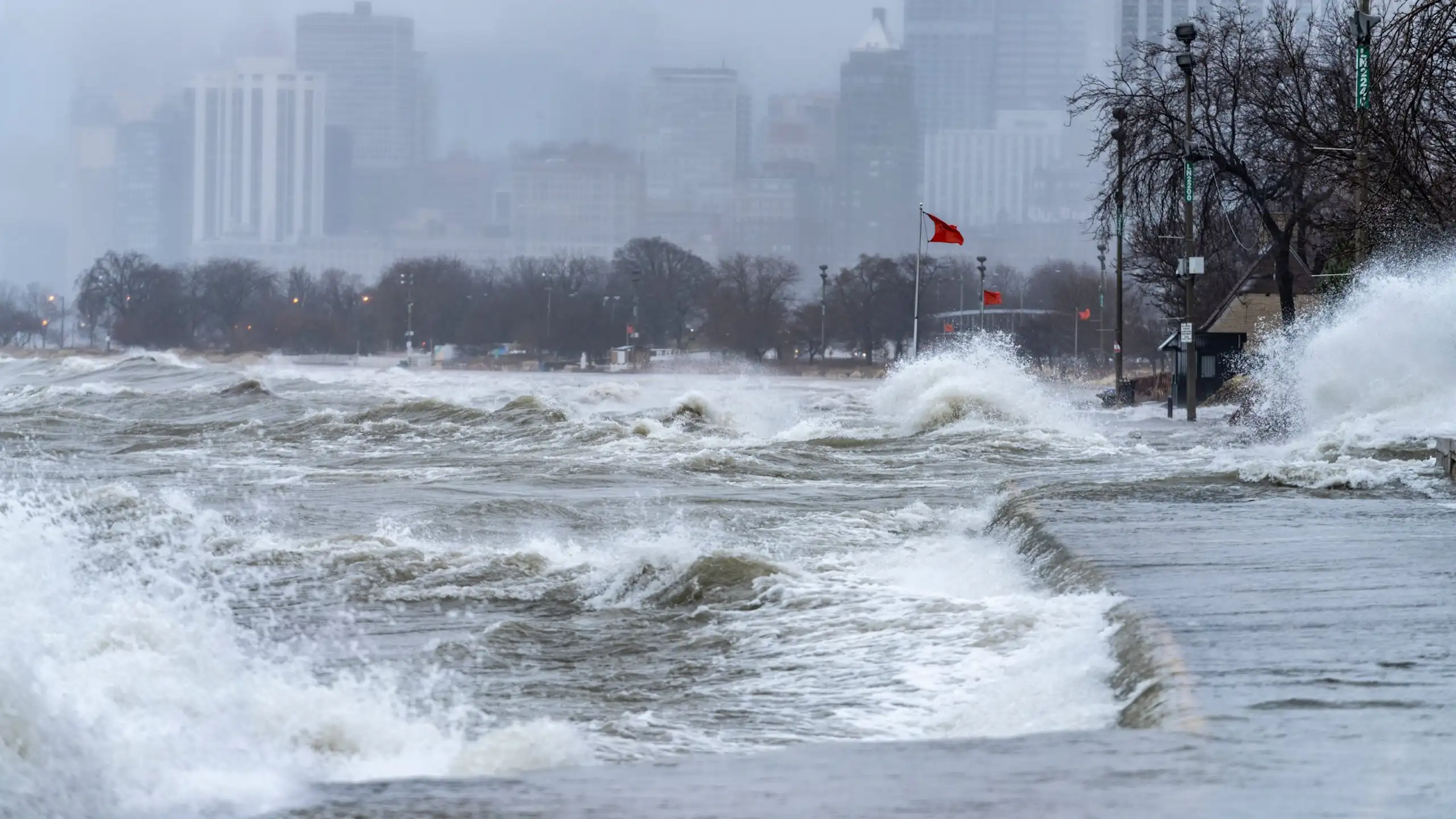
How AI could help predict water levels in the Great LakesRahim Barzegar, Université du Québec en Abitibi-Témiscamingue (UQAT); Ehsan Raei, and Jan Franklin Adamowski, McGill University
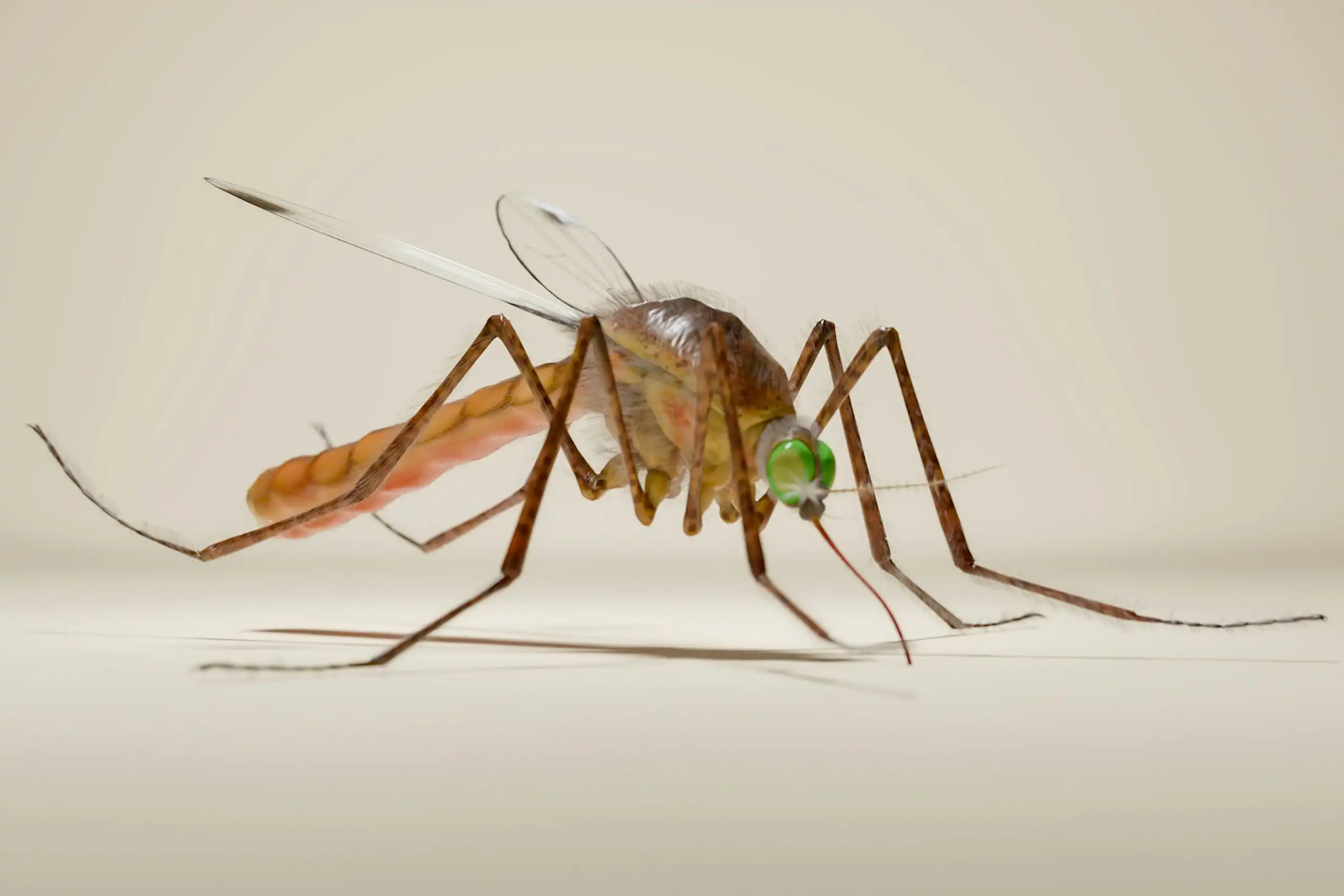
Science that makes you laugh? Canadian engineers win Ig Nobel Technology Prize for 3D ‘necroprinting’ with mosquitoesChanghong Cao, McGill University and Justin Puma, McGill University
Scientists predicted ‘Friday 13 November 2026’ will be ‘doomsday.’ Should you be worried?Alan MacEachern, Western University
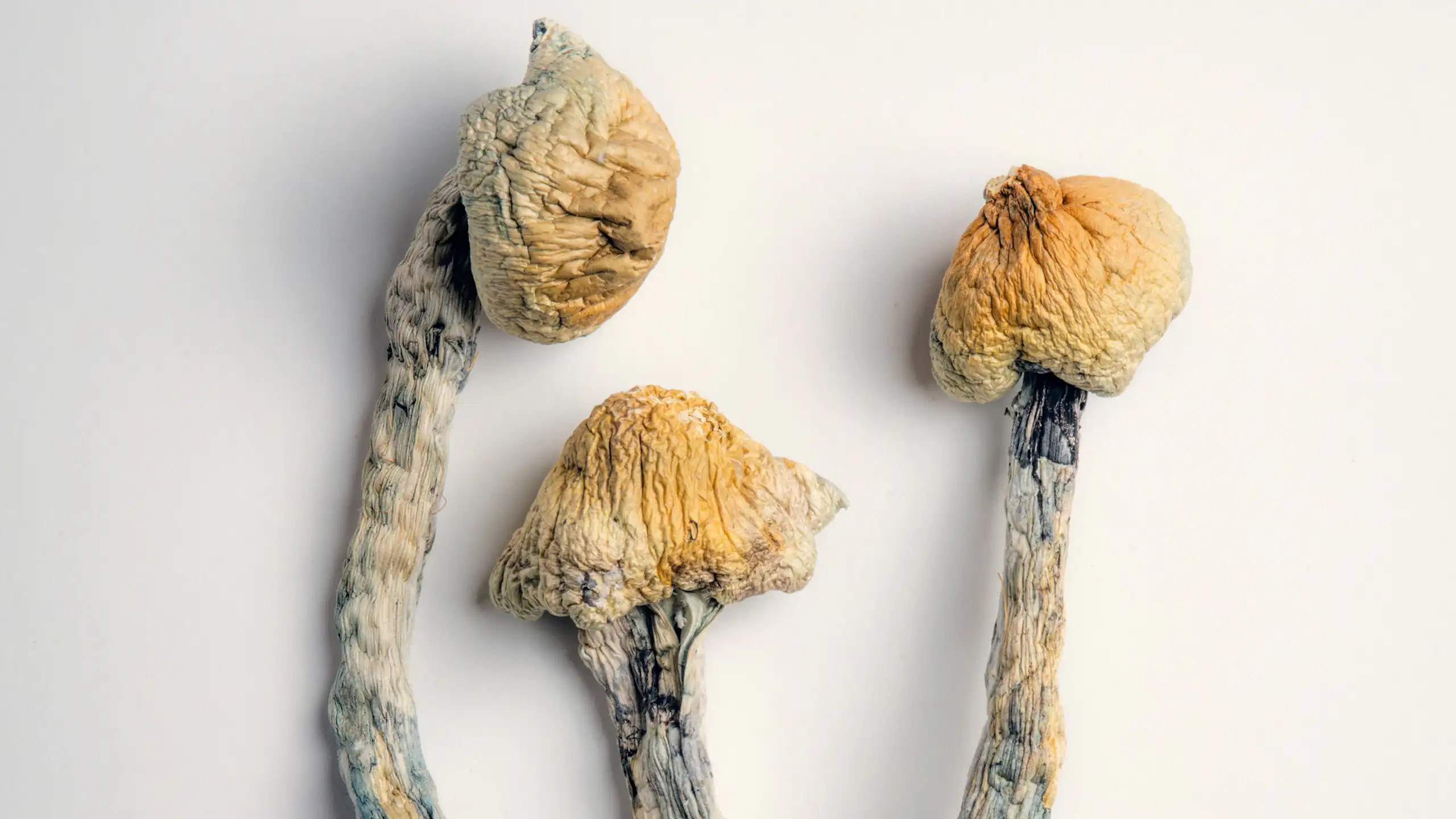
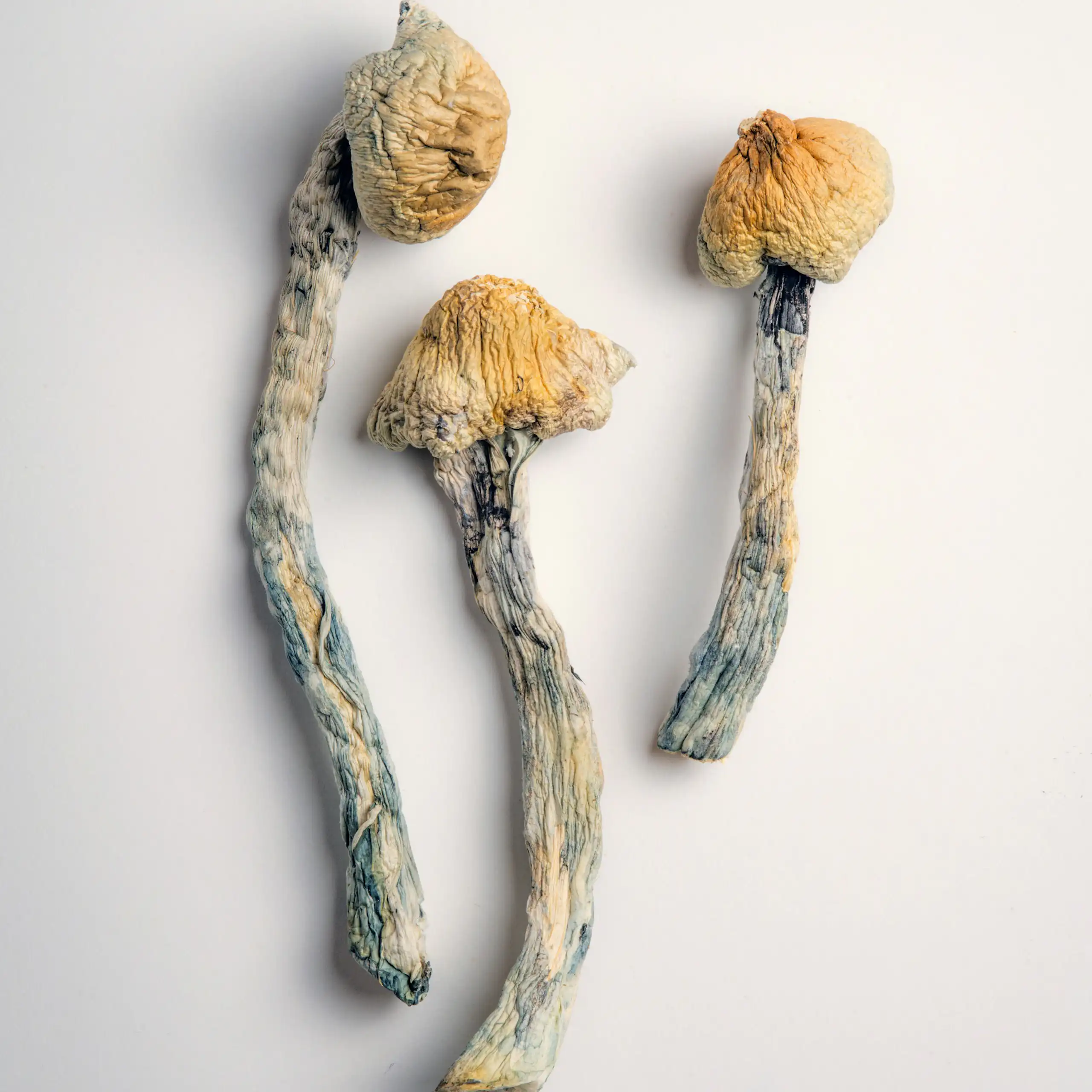
Psilocybin may help the brain recover from concussion, new study showsArgel Aguilar Valles, Carleton University
Snack names influence how filling we imagine they will be — new researchDavid Sidhu, Carleton University; Johanna Peetz, Carleton University, and Rachel Burns, Carleton University
OpenAI may have solved the Navier-Stokes equation — but mathematics is more than $1 million trophy huntsJason Bramburger, Concordia University
How ‘technoference’ can disrupt parent-child connectionsGizem Keskin, University of Calgary; Penny Pexman, Western University, and Sheri Madigan, University of Calgary
How NASA’s Nancy Grace Roman Space Telescope will open a window into the Milky WaySamantha Lambier, Western University
Alien life? Why the possibility of exoplanet LHS 1140b emitting helium gas is so excitingJon Willis, University of Victoria
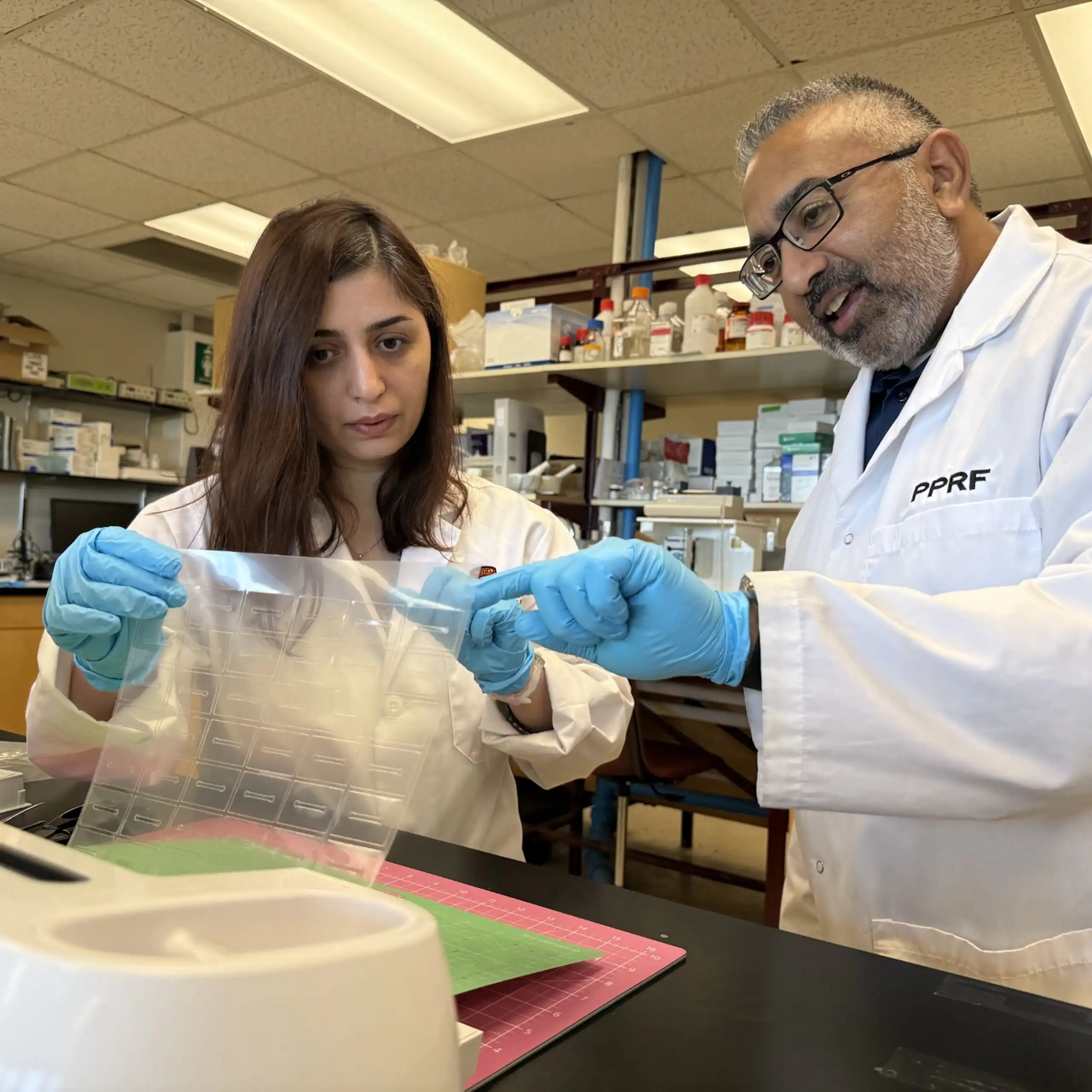
Here’s how scientists aim to speed up drug development for treating new virusesRobert Britton, Simon Fraser University and Matthew Anketell, Simon Fraser University
We designed a new way to build miniature fluidic devices to enable personalized cancer treatmentSara Hassanpour Tamrin, University of Calgary and Arindom Sen, University of Calgary
How bacteria hijack viruses to shuffle their own DNAJ. Thomas Beatty, University of British Columbia and Andrew S. Lang, Memorial University of Newfoundland
Cyber attacks? Bioterrorism? To ‘Pace the Frontier’ of AI effectively, we must improve our anticipatory thinkingSimon Blanchette, McGill University and Emmanuelle Vaast, McGill University
Russian team ‘misused’ Claude AI to train a killer drone on scraped Ukrainian war footageJohn R. Heckman, Brock University
AI agents can now remember and hackers can ‘poison’ their memories — a new cybersecurity threatAbbas Yazdinejad, University of Regina
Sharing non‑consensual ‘deepfake’ porn in Canada is now a crime. The law still fails the victimsEmma Kondrup, McGill University; Anne Imouza; Catherine Régis, Université de Montréal, and Reihaneh Rabbany, McGill University
An invisible AI watermark is coming to your messages. Your relationships may pay the priceMed Kharbach, Mount Saint Vincent University and Johanathan Woodworth, Mount Saint Vincent University
Advertising is coming to AI chatbots — it could shape the answers you getCarlos Diaz Ruiz, Hanken School of Economics; Broderick Turner, Virginia Tech; Erick M. Mas, University of South Florida, and Zeynep Arsel, Concordia University
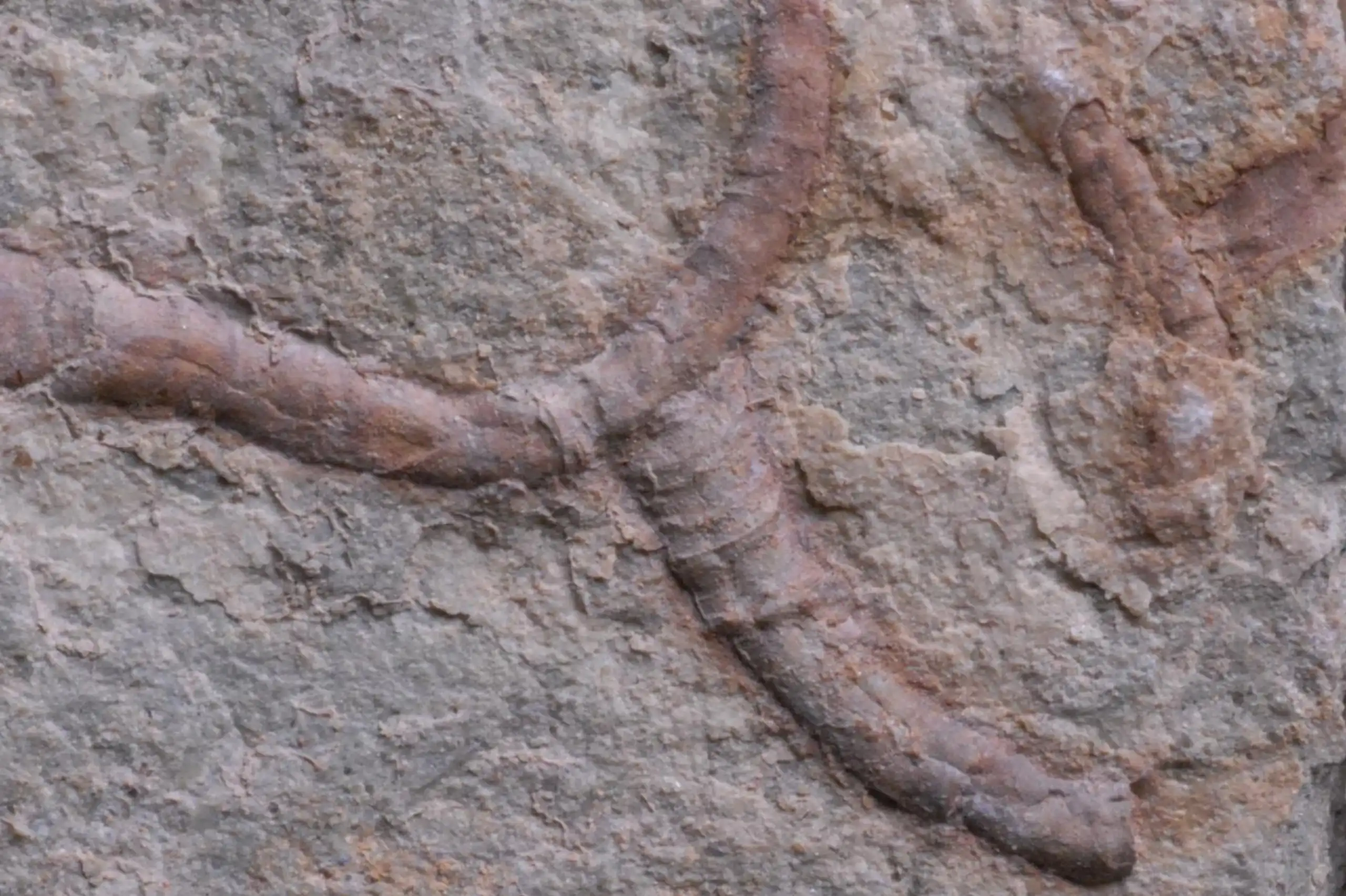
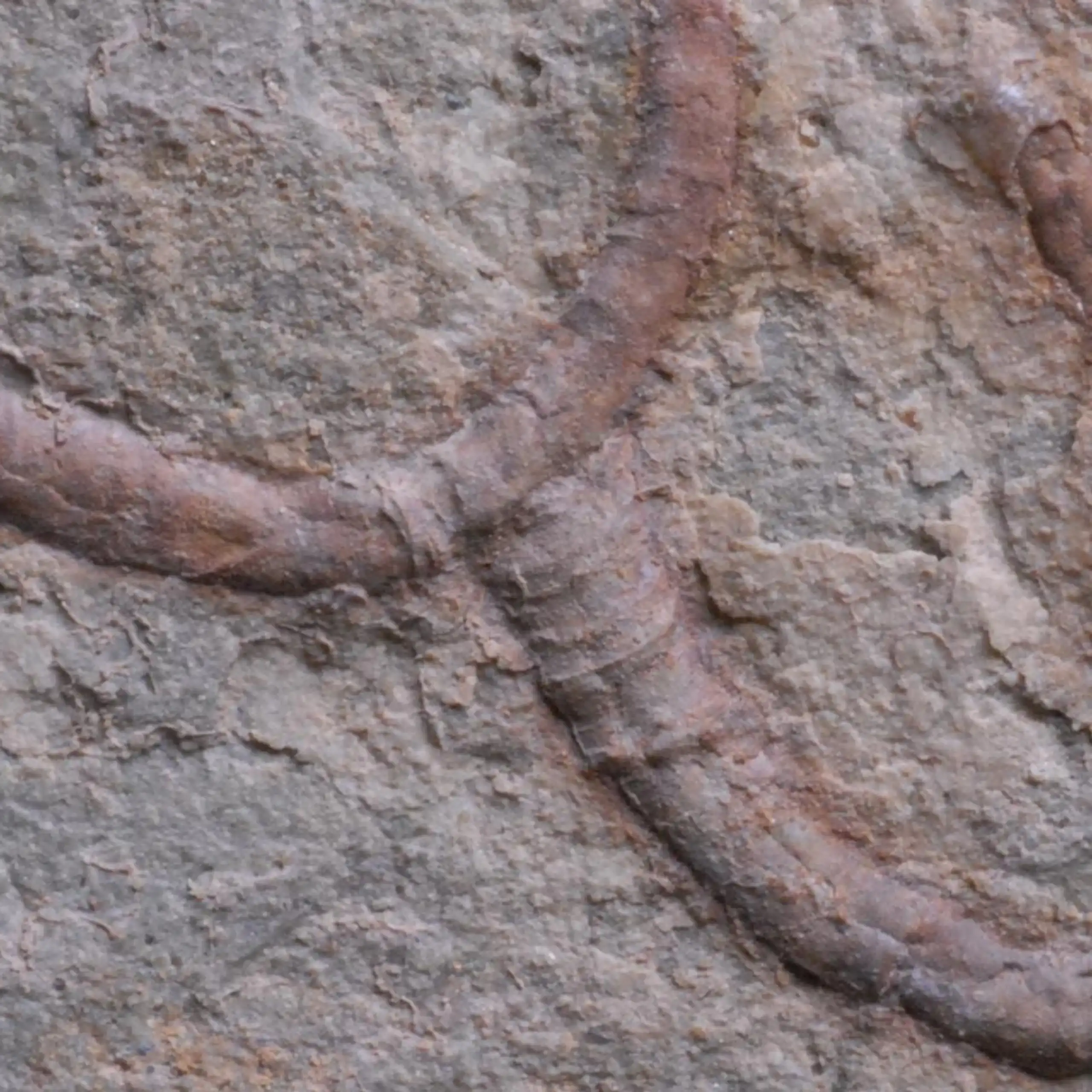
Ancient fossil from China reveals animal-microbe partnerships dating back 550 million yearsPeter Crockford, Carleton University
We discovered rare dinosaur tracks from the Coniacian age near Tumbler Ridge, British ColumbiaGuy Plint, Western University and Charles Helm, Nelson Mandela University
Earth’s deep memory is thawing with the Arctic permafrost, degrading records of our ancient worldDuane Froese, University of Alberta; Hendrik Poinar, McMaster University; Scott L. Cocker, Stockholm University, and Tyler J. Murchie, McMaster University
Why we give our cats, dogs and other pets social media accountsRenata Roma, University of Saskatchewan
How we found Haida Gwaii’s first marbled murrelet nest in more than 30 yearsSonya Pastran, University of British Columbia
Some tropical butterflies live surprisingly long lives. Is it their high-protein diet?Jayme Lewthwaite, Carleton University and Arne Mooers, Simon Fraser University
New research estimates around 20 million insect species on Earth — doubling those facing extinctionDirk Steinke, University of Guelph
When to trust the experts? Follow these guidelines to evaluate science on any topicChristopher Cotton, Queen's University, Ontario
How AI-powered policing is endangering the public’s trust in policeTandeep Sidhu, University of Manitoba and Christopher J. Schneider, Brandon University
Data centres and democratic decline could lead to more water conflict in the futureRyan Durante, Balsillie School of International Affairs
Anthropic’s fight with the Pentagon — AI could threaten a crucial safeguard of democracyDavid Silver, University of British Columbia
A social media ban for Canadian kids sounds simple, but Bill C-34 has major limitationsLaurence Grondin-Robillard, Université du Québec à Montréal (UQAM)
How an OpenAI safety test became a real-world cyberattack on the Hugging Face platformSimon Blanchette, McGill University
A new ‘golden age’ of mathematics may be dawning — thanks to AI and human ingenuityTrefor Bazett, University of Victoria
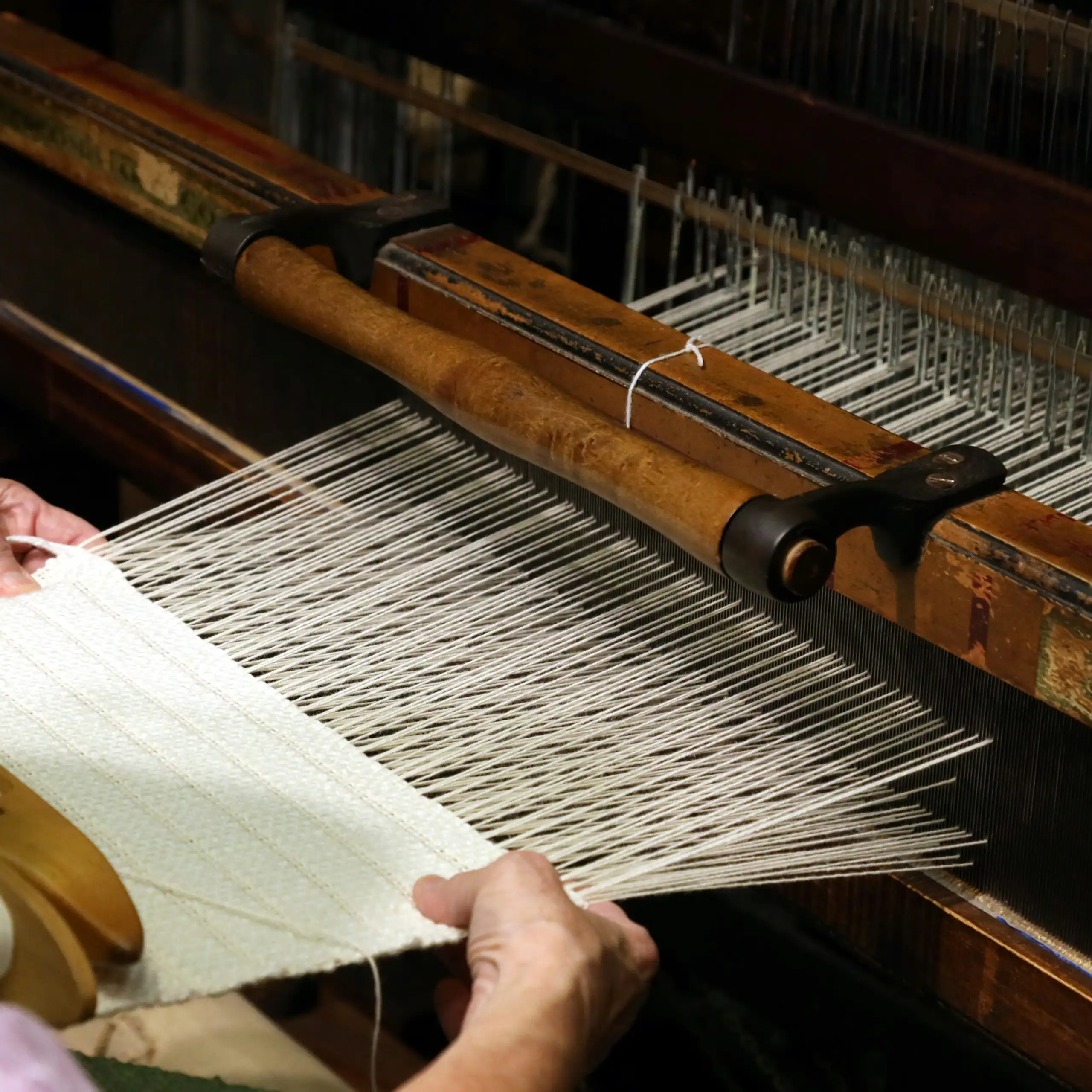
Weaving helped invent modern computing — and is shaping its futureSara Nabil, Queen's University, Ontario
We built a $10 soil test, then a virtual reality platform to take it around the worldMohammed Elmorsy, MacEwan University and Samuel Mugo, MacEwan University
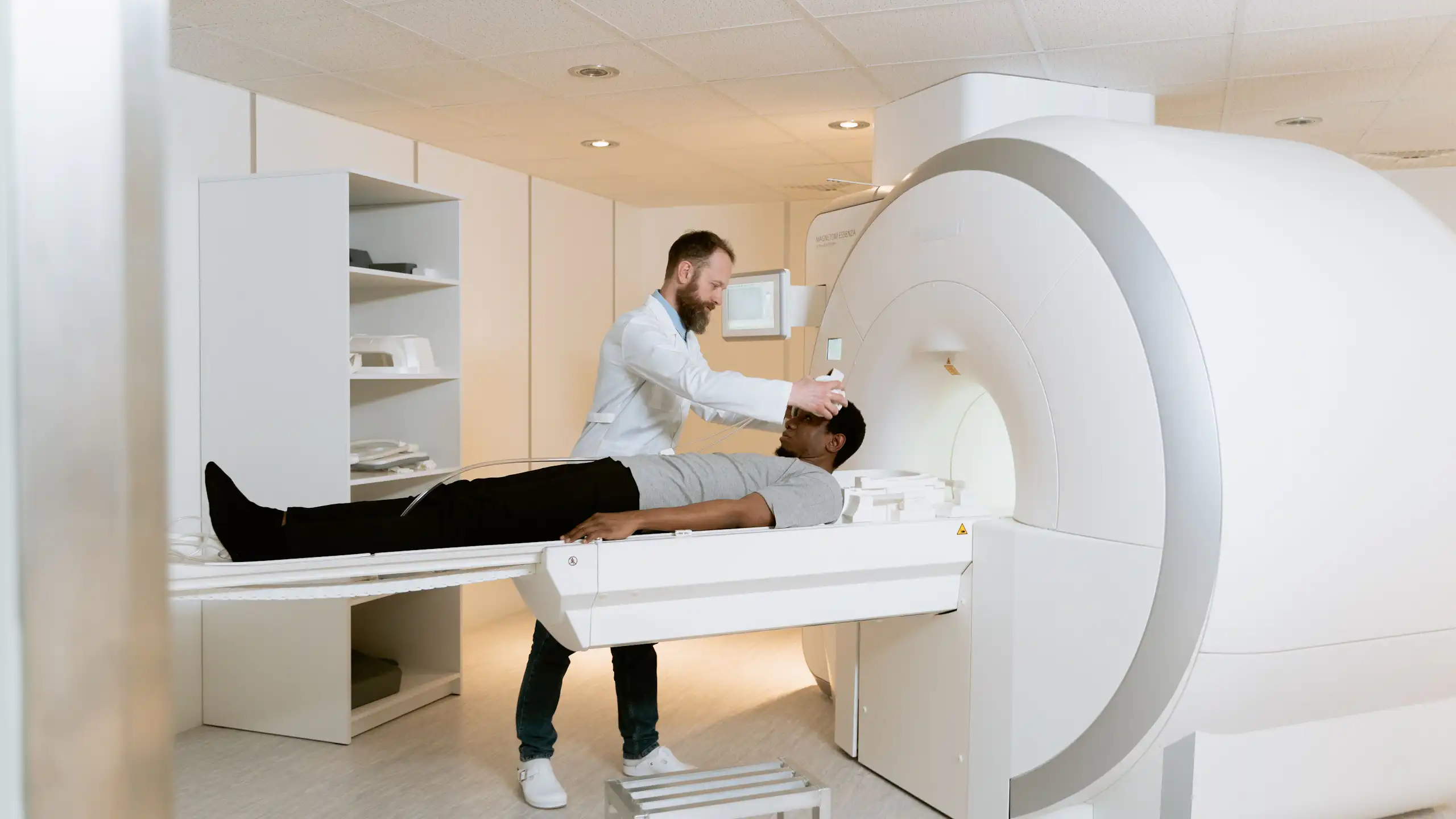
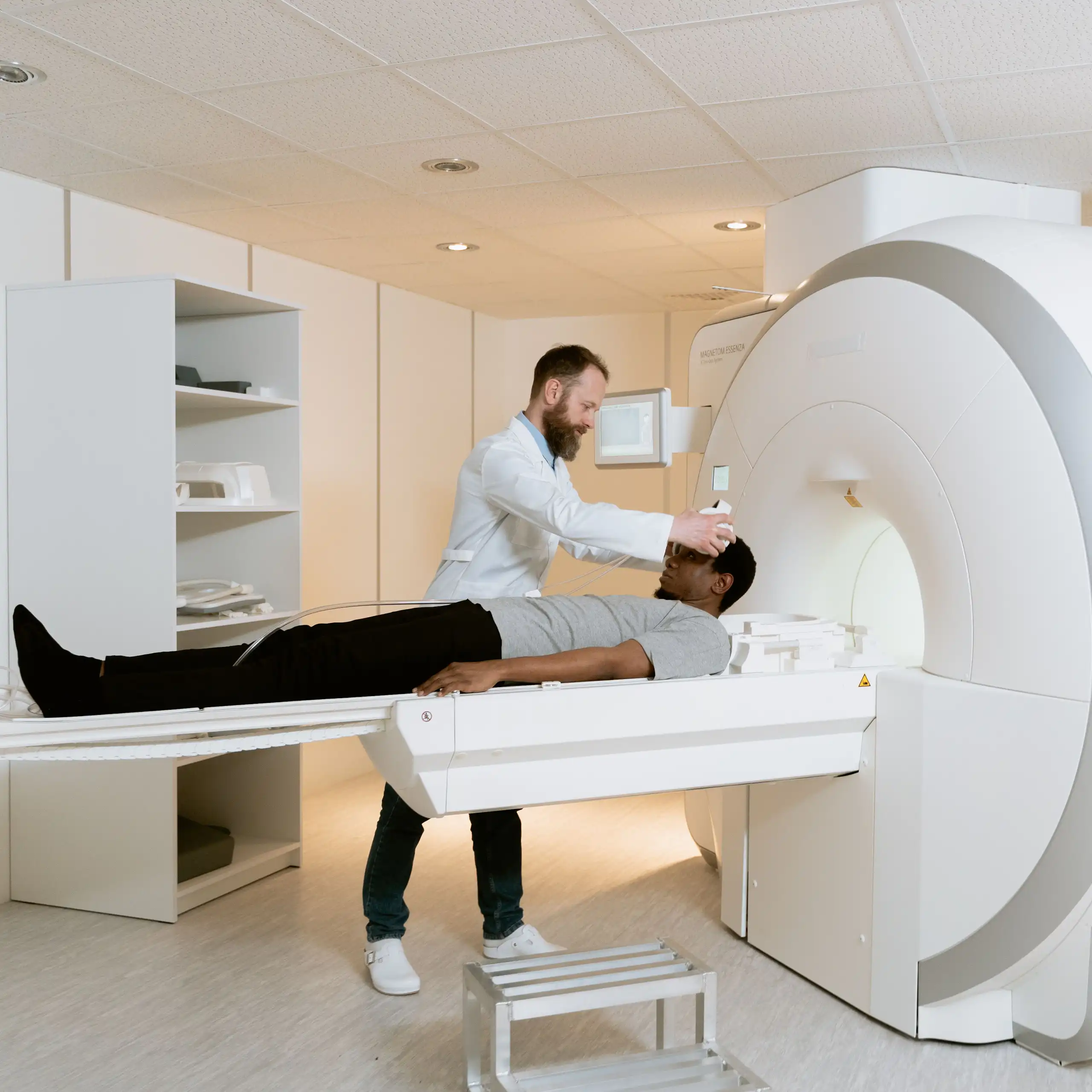
AI is transforming health care, but not everyone will share the benefitsKannin Osei-Tutu, University of Calgary
Why being born helpless may be one of humanity’s greatest strengthsStuart I. Hammond, L’Université d’Ottawa/University of Ottawa
If you flirt with an AI companion, does that count as cheating?David Lafortune, Université du Québec à Montréal (UQAM); Ellfie Chen, Université de Montréal, and Valerie A. Lapointe, Université du Québec à Montréal (UQAM)
I created an AI boyfriend. He was charming — and deeply troublingDenise Marigold, University of Waterloo and Christine Logel, University of Waterloo
How we are engineering bacteria to eat cancerBrian Ingalls, University of Waterloo and Marc Aucoin, University of Waterloo
As ICE’s tech-enabled dragnet and surveillance expand, activists are fighting back with data of their ownSarah Grant, Concordia University; Chris Hurl, Concordia University, and Kevin Walby, University of Winnipeg
Jeremy Hansen is leaving the Canadian Space Agency, but Canada will still support NASA’s return to the moonGordon Osinski, Western University
A new CRASH Clock measures the chance of satellite collisions, and it’s ticking down fastSamantha Lawler, University of Regina; Aaron Boley, University of British Columbia; Sarah Thiele, Princeton University, and Skye Heiland, University of British Columbia
The U.S. just approved a giant space mirror to test ‘sunlight on demand.’ Low Earth orbit is getting weirdSamantha Lawler, University of Regina and Aaron Boley, University of British Columbia
‘Agrivoltaics’ can both power AI data centres and increase food production — new studyJoshua M. Pearce, Western University
Ammonia from wastewater: How we’re turning a pollutant into fertilizer and clean fuelNavid Noor, McMaster University and Drew Higgins, McMaster University
What science tells us about the algae bloom in the Lincoln Memorial Reflecting PoolMarguerite Xenopoulos, Trent University and Paul Frost, Trent University
Will AI save or ruin democracy? It depends on whether we allow computers to stand in for peopleFenwick McKelvey, Concordia University
Canada’s AI strategy must reckon with the environmental implications of data centresSibo Chen, Toronto Metropolitan University
In Toy Story 5, it’s tech versus toys — something families are grappling withNatalie Kirby, Université de Montréal and Audrey-Ann Deneault, Université de Montréal
How AI and digital data shape understandings of migrationTuba Bircan, Vrije Universiteit Brussel and Anna Triandafyllidou, Toronto Metropolitan University
How generative AI and physics can help design new antibioticsRachael (Ré) A Mansbach, Concordia University and Jyler Menard
We discovered a new rock type containing garnet inside a meteorite fragment from MarsTanya Kizovski, Brock University
What are the risks of contracting West Nile virus from a mosquito in Canada?Mehra Balsara, Carleton University; Antoinette Ludwig, Université de Montréal; Catherine Cullingham, Carleton University, and Marc Avramov, Carleton University
The oldest evidence of mourning rituals reveals Palaeolithic communities grieved like we doLayla Tiseo, Université de Montréal
Stéphane Dion: The case for unified and effective Canadian science diplomacyStéphane Dion, Université de Montréal
Tracking your employees doesn’t make them more productiveNick Turner, University of Calgary and Justin Weinhardt, University of Calgary
Artificial intelligence raises profound moral questions — for all of humanity answerEmmanuelle Vaast, McGill University and Renée Sieber, McGill University
The giant viruses that orchestrate life in the polar regionsThomas M. Pitot, Université du Québec à Chicoutimi (UQAC) and Catherine Girard
What happens to microplastics when swallowed?Ryan Prosser, University of Guelph and Nicholas Letwin, University of Guelph
Why the real test of Canada’s AI strategy is in university classroomsJohanathan Woodworth, Mount Saint Vincent University
Why do male chimpanzees throw rocks at the same trees for more than a decade? We travelled to remote Guinea-Bissau to find outRobyn Nakano, University of Victoria and Ammie Kalan, University of Victoria
Cricket nuggets? Caterpillar cookies? Canadians would consider eating insects if they can’t see themRassim Khelifa, Concordia University
Why your pet reptile ‘surfs’ the glass or rubs against the barriers of their enclosureMelanie Denomme, Brock University
We found a way to turn Canada goose poop into chicken feed and crop fertilizerRassim Khelifa, Concordia University and Carlos Antonio Lopez Manzano, Concordia University
Paris has successfully cut noise pollution, but urban birds still can’t sing at their natural pitchDan Mennill, University of Windsor
The way primates parent their young shows how strict labels miss the markLibby Ware, Université de Montréal
Queen bumblebees can breathe underwater — for days. We discovered howSabrina Rondeau, L’Université d’Ottawa/University of Ottawa; Charles-Antoine Darveau, L’Université d’Ottawa/University of Ottawa, and Nigel Raine, University of Guelph
The raccoon raiding your garbage bin might just be solving a puzzle — for the fun of itHannah Griebling, University of British Columbia and Sarah Benson-Amram, University of British Columbia
Wild macaques don’t abandon babies. So why did Punch’s mother?Sarah E. Turner, Concordia University; Brogan M. Stewart, Concordia University; Megan M. Joyce, Concordia University, and Mikaela Gerwing, Concordia University
Tracking wildlife using DNA: A scientific breakthrough made with an Indigenous communityValérie S. Langlois, Institut national de la recherche scientifique (INRS) and Annie Claude Bélisle, Université du Québec en Abitibi-Témiscamingue (UQAT)
Scientists have identified unique sounds for 8 fish speciesDarienne Lancaster, University of Victoria
Did NASA’s Curiosity rover find signs of ancient life on Mars? An astrobiologist explains how we determine ‘life’Allyson Brady, Carleton University
How mobile deep-space medical systems could support future landings on the moon and MarsDr. Farhan M. Asrar, Toronto Metropolitan University
Are aliens real? Scientists have been hunting for extraterrestrial life since the time of AristotleRobert William Smith, University of Alberta
A million new SpaceX satellites will destroy the night skySamantha Lawler, University of Regina; Aaron Boley, University of British Columbia, and Hanno Rein, University of Toronto
As corporations race for the stars, we need international collaboration on space governancePeter Brown, Western University
Space-time doesn’t exist — but it’s a useful concept for understanding our realityDaryl Janzen, University of Saskatchewan
How the Artemis II crew trained to observe and photograph the moon: A NASA science team geologist explainsGordon Osinski, Western University
I watched Artemis II lift off — as the first humans ventured to the Moon since 1972Gordon Osinski, Western University
Focus apps are failing neurodivergent minds, new research findsJoanna McGrenere, University of British Columbia and Kevin Chow, New York University
Netflix’s The Dinosaurs rehashes a very old story of empire and conquestFrederick Oliver Beeby Maglaque, University of British Columbia and Kirsten F. Hodge, University of British Columbia
As a ‘book scientist’ I work with microscopes, imaging technologies and AI to preserve ancient textsChristina Dinh Nguyen, University of Toronto
Canada’s fragmented electronic health records harm patients and cost taxpayers billions: New researchBraden Manns, University of Calgary; Stephanie Hastings, University of Calgary, and Sunand Kannappan, University of Calgary
AI ‘deadbots’ can fuel pathological grief and affect how we deal with deathEmmanuelle Marceau, Université de Montréal
Your browsing history could soon set your grocery bill — and Canada isn’t ready for itJake Okechukwu Effoduh, Toronto Metropolitan University
Truth, or misinformation? A statistician explains the challenge of assessing evidenceMu Zhu, University of Waterloo
Is someone watching you? Facial recognition tech is here and Canada offers little privacy protectionNeil McArthur, University of Manitoba
Smart glasses with facial recognition could be devastating to sex workersBrynn Colledge, University of Waterloo
How emoji use at work can determine how competent your colleagues think you areErin Leigh Courtice, Toronto Metropolitan University
Novel ‘body-swap’ robot provides insights into how the brain keeps us uprightJean-Sébastien Blouin, University of British Columbia and Patrick A. Forbes, Erasmus University Medical Center
When words look like their meaning, we process them faster, new research revealsDavid Sidhu, Carleton University
No, your brain doesn’t suddenly ‘fully develop’ at 25. Here’s what the neuroscience actually showsTaylor Snowden, Université de Montréal
Can stimulating the sense of smell be beneficial for the brain?Coline Zigrand, Université du Québec à Montréal (UQAM) and Benoît Jobin, Harvard University
How nanomedicine gets inside your cells and treats you from the inside outSuiyang Liao, University of British Columbia
How number systems shape our thinking and what it means for learning, language and cultureJean-Charles Pelland, University of Bergen
Bugonia: Why some people’s brains cling to the idea that aliens are realDan Baumgardt, University of Bristol
To lead in global innovation, Canada must prioritize basic scienceShay M. Freger, McMaster University and Mathew Leonardi, McMaster University; Adelaide University
Are algorithms unfairly screening out immigrant job applications?Hari KC, Toronto Metropolitan University and Rupa Banerjee, Toronto Metropolitan University
To achieve ‘AI for All’ in agriculture, Canada’s farmers need systems-level changeCharles Conteh, Brock University
Where does the data you upload to the cloud go? The challenge of dual-use technologiesBryn Williams-Jones, Université de Montréal
A safe AI strategy for Canadian youth should include age-associated risksAdam Kenneth Dubé, McGill University
College students are noticing their AI-smoothed writing sounds strong — and not like themNurul Hassan Mohammad, University of Toronto
Just how bad are generative AI chatbots for our mental health?Alexandre Hudon, Université de Montréal
From Anthropic to Iran: Who sets the limits on AI’s use in war and surveillance?Emmanuelle Vaast, McGill University
Slanguage: Why AI’s stylistic negation — ‘it’s not X, it’s Y’ — is both annoying and doesn’t workJoshua Gonzales, University of Guelph
Does ‘federated unlearning’ improve AI data privacy, or create cybersecurity risk?Abbas Yazdinejad, University of Regina and Ann Fitz-Gerald, Balsillie School of International Affairs
How principles of self-compassion help fight loneliness in the age of AILi-elle Rapaport, University of Manitoba
Will your electric car burst into flames? A solid-state battery would reduce the riskTaiana Lucia Emmanuel Pereira, McMaster University
What a gaping hole on a bridge reveals about aging infrastructure in CanadaAmirreza Torabizadeh, Concordia University and Emre Erkmen, Concordia University
Canada could use thermal infrastructure to turn wasted heat emissions into energyJames (Jim) S. Cotton, McMaster University and Caleb Duffield, McMaster University
Investigators are increasingly using technology in conflict-related sexual assault casesValerie Oosterveld, Western University
Dense, compact urban growth is favoured by mid-sized Canadian citiesRylan Graham, University of Northern British Columbia and Jeffrey Biggar, Dalhousie University
Montréal’s bike infrastructure hardly takes up any space from cars on city roadsDaniel Romm, McGill University