

NDIS eligibility criteria isn’t tightening until January 2028, and no one is being moved off the scheme yet. So what’s actually changing?
Articles on Health care
Displaying 1 - 20 of 449 articles

Aging levees and dams are only the beginning of the risks communities face. One of the biggest challenges is helping people manage the heat and storms.

Many aspects of the new voluntary assisted dying laws are familiar. But there are some differences to address the territory’s unique needs.

Disasters weaken support systems that take years to rebuild, at the same time people caught in them are under extraordinary financial and psychological stress.

Progressive Abdul El-Sayed will face Republican nominee Mike Rogers this November.
There’s little transparency about who has access to deeply personal medical data or how companies handle it.

AI is transforming Canadian health care, using datasets that underrepresent Black, Indigenous and racialized Canadians.

Dementia is now the leading cause of death, overtaking heart disease. The Conversation’s experts explain how Australians’ health has changed – both good and bad.
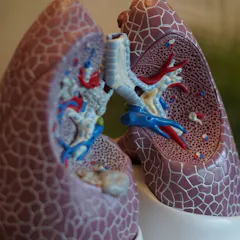
Lung cancer screening promises to find cancer early and treat it before it progresses. But a year on, issues have emerged.

Good oral health is more than having healthy teeth and gums. Indigenous people told researchers why it’s central to their wider health and wellbeing.

Distrust in health care during infectious disease outbreaks can have devastating consequences. Here’s what we can do about it.

Uncertainty is common in medicine, and AI isn’t very good at navigating it.

Seeking a second opinion is a patient’s right. Knowing how empowering another perspective can be may make it less awkward to ask for one.

Sometimes you can’t wait wait until 9am or Monday morning to see a doctor or access health care. Here are your options.

Many veterans struggle with addiction, mental health conditions and homelessness after military service. Veterans Treatment Courts aim to help – but they need stable funding to do so.

Feeling heard and understood by a medical provider is a crucial part of healthcare for patients.

Canada needs to establish clear accountability for health data oversight and co-ordination of electronic health records.

A loud ‘pop’ and immediate pain may mean you’ve torn your ACL. Two exercise experts explain why it’s more than a physical injury.

Rural hospitals have high fixed costs, low patient volume and a large portion of patients insured through Medicaid, which typically pays less than private insurers.
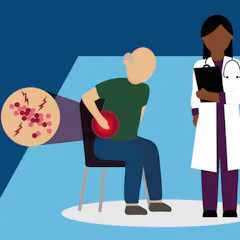
Shingles can cause severe and long-lasting complications, yet vaccination rates in Canada remain low despite the availability of a highly effective vaccine.
Top contributors
-

Honorary Enterprise Professor, School of Population and Global Health, and Department of General Practice and Primary Care, The University of Melbourne
-
Chancellor's Professor of Medicine, Liberal Arts, and Philanthropy, Indiana University
-
Professor, School of Population Health, UNSW
-
Senior Lecturer, University of Sydney
-
Professor, Public Service Research, UNSW
-
Professor, Public Health, Victoria University, Victoria University
-
Professor of Health Economics, The University of Melbourne
-
Bernard T. Ferrari Professor of Business, Johns Hopkins University
-
Indigenous Science Research Director, Indigenous Science and Engagement, CSIRO
-
Full Professor in Economics, Université Paris-Est Créteil Val de Marne (UPEC)
-
Assistant Professor of Economics, University of California, Berkeley
-
George Dock Professor of Medicine, University of Michigan
-
Professor of Economics, UMass Amherst
-
Associate Professor of Health Policy, Management and Behavior, University at Albany, State University of New York
-
Assistant Professor of Nursing, University of Michigan