
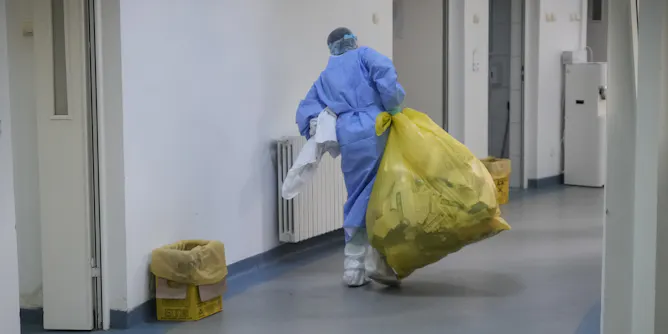
The HealthcareLCA database is an interactive tool for exploring health care’s significant environmental impact. It can inform changes in health policy and practice, and identify areas for research.
Articles on health systems
Displaying 21 - 40 of 47 articles

Here’s what needs to happen next for our health systems to cope with the latest COVID wave.
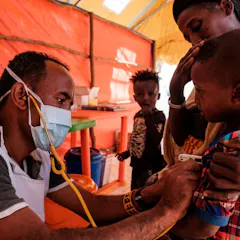
Since the war broke out, some healthcare workers have lost their jobs, others have been displaced, wounded, threatened or killed.

To attain a new health order, African governments need to bolster investment in research and development, innovation and manufacturing of health tools.

The challenges presented by the pandemic are an opportunity for African health systems to move beyond their current limitations.

More cases of long COVID can put strain on our health system. So we need to think about where and how we offer care.
Budgets on their own don’t solve structural issues. But they do provide some insight into government plans for addressing its broader developmental priorities.
The Australian government may have announced its net zero plan, but it has yet to factor in the health sector or the health of its people.

Relying on donor funding means that the funder ultimately determines the health priorities. This is one reason why many programmes in Africa focus on a single disease such as HIV.
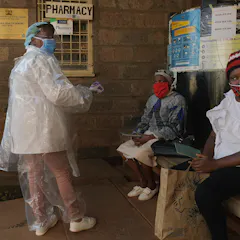
Most facilities prioritize COVID-19 cases. In addition, curfews are still in effect in Kenya, which affects the working hours of clinics providing hypertension care services.
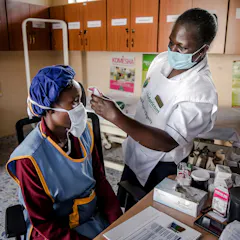
AI can supplement the efforts of available medical personnel - and help keep them safe.

There are three phases to Australia’s response plan. The ‘Initial Action’ stage, the ‘Targeted Action’ stage, and finally, the ‘Standdown’ stage. Right now, we’re in the first.
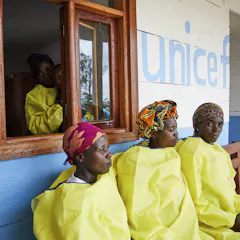
The emergency in the DRC shows that despite all these positive changes, the global response to containing Ebola outbreaks is undermined by the lack of health care and public health infrastructure.

Rwanda’s government has taken concerted, deliberate steps over the past 25 years to build a strong health system.
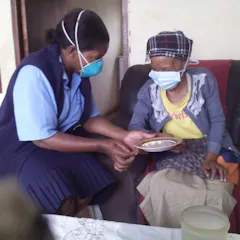
Top-down reforms like those proposed in the NHI Bill need to be complemented by a bottom-up process of health system strengthening.
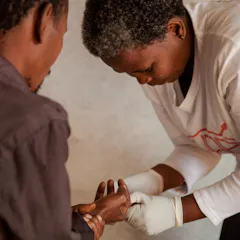
Women and children remain the focus of HIV while men are disadvantaged in accessing testing and treatment in Africa.
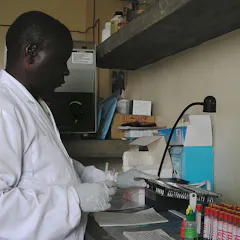
Considerable effort has gone into improving laboratory services in many African countries. But the quality of tests is questionable.

Lassa outbreaks are becoming more widespread in Nigeria but have not been given national emergency status like Ebola.

Health care systems in many African countries are very poor. Instead of fixing them, many African leaders seek medical attention abroad incurring huge bills which are ultimately paid by taxpayers.
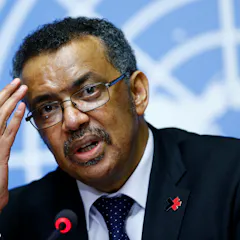
How will the World Health Organisation’s Director-General Dr Tedros Ghebreyesus deal with the mounting challenges? Africa’s academics have some tips.
Top contributors
-

Professor of Health Economics, The University of Melbourne
-
Health Policy and Health Economics researcher and a Honorary Researcher at the Centre for Health Services Studies, University of Kent
-
Distinguished Professor, Division of Family Medicine and Primary Care, Stellenbosch University
-
Dr Yogan Pillay is the director for HIV and TB delivery at the Bill and Melinda Gates and He is currently extraordinary professor in the Department of Preventive Medicine, University of Pretoria
-
Emeritus Professor, School of Public Health, University of the Western Cape
-
Senior Technical Adviser, Tony BIair Institute; Honorary Senior Public Health Adviser to the Director Africa CDC and Associate Fellow, Global Health Programme, Chatham House
-
Associate Professor of Strategy & IB, University of Bath
-
Wellcome Multimorbidity PhD Fellow & Public Health Registrar, University of Glasgow
-
Associate Professor in Public Health and Social Justice, University of Canterbury
-
Associate Lecturer in Climate Change and Health, The University of Melbourne
-
Research Fellow, Stellenbosch University
-
Professor, University of the Western Cape
-
Director of Professional Practice, Georgia Institute of Technology
-
Postdoctoral Research Fellow, Deakin University
-
Associate Professor and Principal Research Fellow, Centre for Social Impact Swinburne, Swinburne University of Technology