
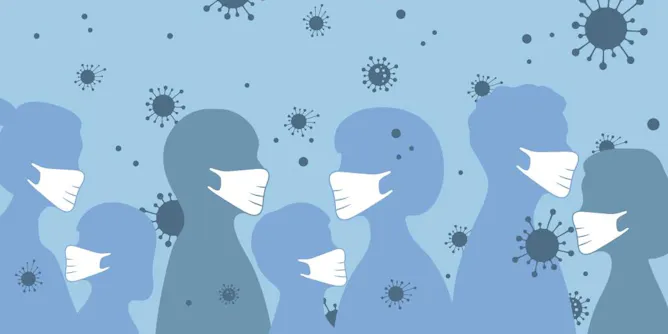
Will new guidelines on how to protect front-line workers acknowledge the coronavirus can spread via the air we breathe? It’s time they did.
Articles on Health-care workers
Displaying 21 - 36 of 36 articles
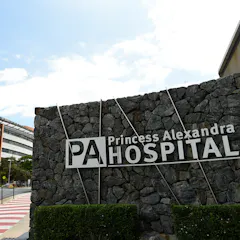
The risk of COVID escaping from hotel quarantine or a health-care setting will never be zero. But in NSW and Queensland, was everything possible done to minimise the risk?

The COVID-19 pandemic has highlighted the scarcity of resources in long-term care. But it has also revealed how staff are undervalued.
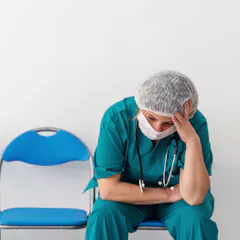
By 2030, the WHO projects a worldwide workforce shortfall of about 18 million health-care workers, with potentially deadly consequences for patients, economies and our communities.
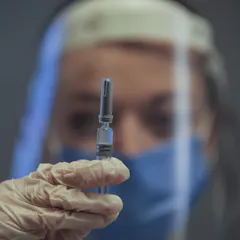
Achieving high COVID-19 vaccine uptake among health workers will not only protect these critical staff members, it will also support high levels of uptake among the general public.
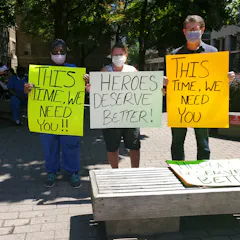
Ontario health-care workers confidentially reported feeling sacrificed on the job and needing protection from COVID-19 and other risky working conditions in a recent study.
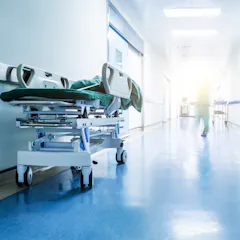
A designated coronavirus hospital would relieve pressure on the state’s health-care system and minimise the spread of the virus, but there are a few things to consider.
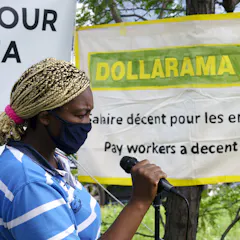
Urgent measures are necessary from various levels of government to develop support programs for immigrant women during the COVID-19 pandemic.
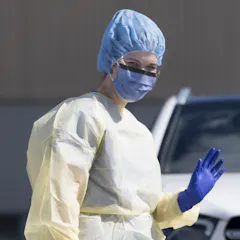
Health-care workers’ access to personal protective equipment, along with appropriate infection control procedures, affected their mental health during the first wave of the COVID-19 pandemic.
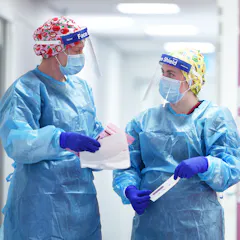
Some 70-80% of health-care workers testing positive to COVID-19 in Victoria’s second wave were infected at work, compared with 22% in the first wave.
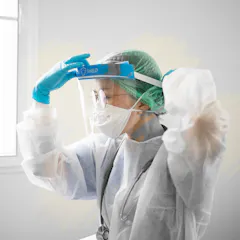
When it comes to PPE, we could be better protecting our frontline health-care workers. We need to update current guidelines to reflect the latest evidence around how COVID-19 spreads.
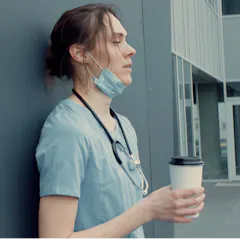
Health-care professionals are tasked with a professional responsibility of responding to the health and well-being of the people for whom they care. But what about their well-being?
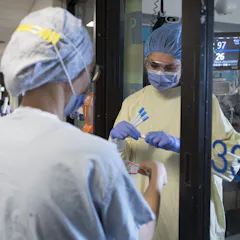
Moral injury happens when someone is faced with a choice that violates deep moral beliefs. Health-care workers treating COVID-19 might be forced to choose between ‘wrong’ and ‘wronger.’

Younger, unmarried or less educated workers are feeling the brunt of the economic effects of COVID-19. The fallout may deepen already existing inequalities.
This fifth weekly column by our team of international health editors highlights more of the recently published articles from The Conversation’s global network.

Health-care workers are our most valuable asset in an outbreak. We must protect them as best we can.
Top contributors
-

Associate Professor, Family Medicine, Queen's University, Ontario
-
Professor, School of Population Health, UNSW
-
Assistant Professor, Global Health Policy, University of British Columbia
-
Professor MBBS, PhD, MPH, PGDipEcho, FANZCA, GAICD, The University of Melbourne
-
Assistant Professor, Department of Health Policy and Management, Columbia University
-
Certified Occupational Hygienist, University of Wollongong
-
Professor of Global Biosecurity, NHMRC L3 Research Fellow, Head, Biosecurity Program, Kirby Institute, UNSW
-
Assistant Professor, Health Sciences, Simon Fraser University
-
Chair in Epidemiology, Deakin University
-
Assistant Professor, Labour Studies, Simon Fraser University
-
Associate Professor of Economics, Nipissing University
-
Adjunct Senior Lecturer, Griffith University, Qld, Griffith University
-
Ph.D., Sociology/Social Justice, University of Windsor
-
Associate Professor of Women's and Gender Studies, Carleton University
-
Head of school, School of Human Services and Social Work, Griffith University