

Gains in vaccination may reflect heightened public awareness of the importance of vaccination during the pandemic.
Articles on Health disparities
Displaying 21 - 40 of 151 articles
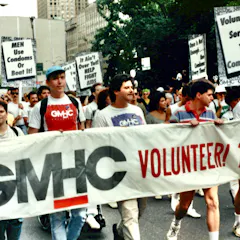
Despite funding cuts, political scapegoating and internal tensions, thousands of volunteers came together in the 1980s to provide care to a stigmatized community.
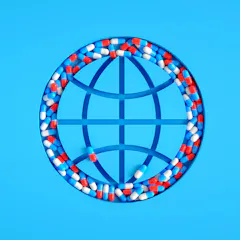
Pharmaceutical companies have little incentive to sell drugs to countries that can’t afford them. But bargaining together can increase access to vital treatments worldwide.

The Trump administration’s CDC data purge means researchers can no longer effectively track and address health issues affecting LGBTQ+ people – and ultimately society as a whole.

When LGBTQ+ patients can be open with their providers about their identity, they are much more likely to get essential care.

Chronic pain in children is common. Effective solutions exist − and training community providers is one way to get treatment to kids who need it.
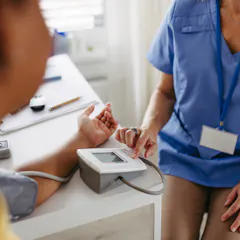
After a group of employers refused to provide their employees access to free HIV prevention treatment, the Supreme Court may decide whether insurers are required to fully cover preventive care.

Doctor shortages affect rural communities the most, leading to a rise in chronic health conditions.

Healthy diet and regular exercise are key to treating obesity. But the stress of everyday racism and sexism hinder Black women from adopting lifestyle changes necessary for weight loss.

Cardiovascular disease develops and presents differently in women and men. But medical guidelines are often based on studies that excluded women.

PrEP can reduce the risk of sexually transmitted HIV infection by 99%. Discrimination and distrust are two barriers Black gay men face in accessing this lifesaving treatment.

Patients often bear the cost of unexpected bills for basic preventive services such as wellness visits and cancer screenings.

Which is riskier for your health: a few days of very bad PM₂.₅ exposure or many more days of slightly bad exposure? Researchers developed new metrics to provide better answers.

Researchers found that nearly 74% of patients who reached out about a billing mistake received bill corrections. For those who negotiated their bills, nearly 62% saw a price drop.

In the absence of clear-cut regulation, who should decide on where and how a technology that could change the course of human health should be applied?

Increased mistrust of the US medical profession and higher mortality rates are consequences of the low numbers of Black doctors. A massive gift to Black medical colleges may help build those numbers.

Less sleep and later bedtimes are linked to a section of the brain involved in emotion regulation suffering reduced growth, along with weaker connections to other brain areas.

Increased mistrust of the US medical profession and higher mortality rates are two consequences of the lack of Black doctors.

Drinking alcohol is normalized in American society. But the ubiquity of alcohol consumption hides its serious health risks, including cancer.

Colon cancer is curable when caught early, but some insurers are either refusing to cover or significantly delaying approval for colonoscopies.
Top contributors
-

Associate Professor of Family Medicine, Charles R. Drew University of Medicine and Science
-
Assistant Professor of Social, Behavioral and Population Sciences, Tulane University
-
Associate Professor of Health Law, Policy and Management, Boston University
-
Professor of Anthropology, American University
-
Assistant Professor of Community Health, Tufts University
-
Assistant Professor of Public Health, University of Iowa
-
Family Medicine Physician and Postdoctoral Health Services Researcher, University of Michigan
-
Associate Professor of Psychology and Psychiatry, USC Dornsife College of Letters, Arts and Sciences
-
Assistant Professor of Resource Economics, UMass Amherst
-
Research scientist, Johns Hopkins University
-
Professor of Clinical and Diagnostic Sciences, Associate Dean of Research and Innovation in the School of Health Professions, University of Alabama at Birmingham
-
Professor of Bioinformatics, Rochester Institute of Technology
-
Associate Professor of Pharmacy and Therapeutics, University of Pittsburgh
-
Professor of Audiology, University of Pittsburgh
-
Assistant Professor of Health Policy and Administration, University of Illinois Chicago