

People don’t all age at the same rate. Untangling the factors that influence health and disease – such as epigenetics, demographics and behavior – could lead to better care for those who need it most.
Articles on Health disparities
Displaying 61 - 80 of 151 articles

The US PEPFAR initiative has brought HIV medication to millions of people globally. Behind this progress are the activists that pressured politicians and companies to put patients over patents.

During the 1918 flu pandemic, white people died at similar rates to Black Americans, according to a new study – a very different pattern than what occurred during the COVID-19 pandemic.

The Medicines Patent Pool was created to promote public health, facilitating generic licensing for patented drugs that treat diseases predominantly affecting low- and middle-income countries.

Men, older adults, people with language barriers and racial and ethnic minorities are less likely to be screened for depression.

While gender-affirming health care is essential to the well-being of trans people, access to quality services varies significantly by geographic region and social context.

The term ‘MSM’ allows public health interventions to gloss over the social, political and cultural complexities of identity. But it’s not without its limitations.
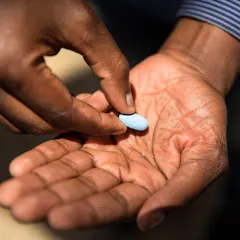
Judge Reed O'Connor ruled in a case that coverage for HIV prevention medicine PrEP violated the religious freedom of the plaintiffs. It is unclear whether the order will extend nationwide.

Overcoming the access barriers and biases that underrepresented and underserved communities face could not only improve research participation but also improve care.

OTC hearing aids promise to increase the accessibility and affordability of the devices for millions of adults who live with untreated mild to moderate hearing loss.

Early detection of breast cancer is critical to improving chances of survival. But racial and ethnic minority patients systematically have delayed diagnoses that reduce the benefits of screening.

Earlier detection and treatment of COVID-19 by health care providers in pharmacies could help prevent surges in infection rates and severe illness.

Being both trans and a person of color comes with a unique set of challenges. Collectively working toward overcoming these barriers is one way this community fights for survival.

During the pandemic, health care providers began prescribing abortion pills without requiring in-person exams. This practice could help people access the care they need when abortion rights are in limbo.

A robust body of research finds that getting vaccinated against COVID-19 during pregnancy is safe and effective – and the best way to protect both mother and child from the risks of COVID-19.

A one-size-fits-all approach may not be best for treating cardiovascular disease. Taking sex chromosomes into account could make for more effective and equitable care.

Some countries report higher rates of COVID-19 cases and deaths among men. This might be due to underreporting among women with limited health access.

Addressing racial and ethnic health gaps is becoming even more important as the US population continues its shift toward a minority-majority nation.
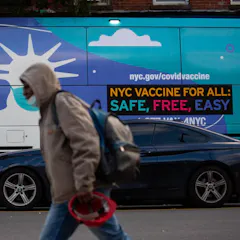
Vaccines and medical treatments can only go so far in an unequal society. Facing the ongoing history of racial discrimination and bias in the US would help end the pandemic.

Black American women have disproportionate HIV infection rates – in part because of systemic and structural racism in the health care system.
Top contributors
-

Associate Professor of Family Medicine, Charles R. Drew University of Medicine and Science
-
Assistant Professor of Social, Behavioral and Population Sciences, Tulane University
-
Associate Professor of Health Law, Policy and Management, Boston University
-
Professor of Anthropology, American University
-
Assistant Professor of Community Health, Tufts University
-
Assistant Professor of Public Health, University of Iowa
-
Family Medicine Physician and Postdoctoral Health Services Researcher, University of Michigan
-
Associate Professor of Psychology and Psychiatry, USC Dornsife College of Letters, Arts and Sciences
-
Assistant Professor of Resource Economics, UMass Amherst
-
Research scientist, Johns Hopkins University
-
Professor of Clinical and Diagnostic Sciences, Associate Dean of Research and Innovation in the School of Health Professions, University of Alabama at Birmingham
-
Professor of Bioinformatics, Rochester Institute of Technology
-
Associate Professor of Pharmacy and Therapeutics, University of Pittsburgh
-
Professor of Audiology, University of Pittsburgh
-
Assistant Professor of Health Policy and Administration, University of Illinois Chicago