
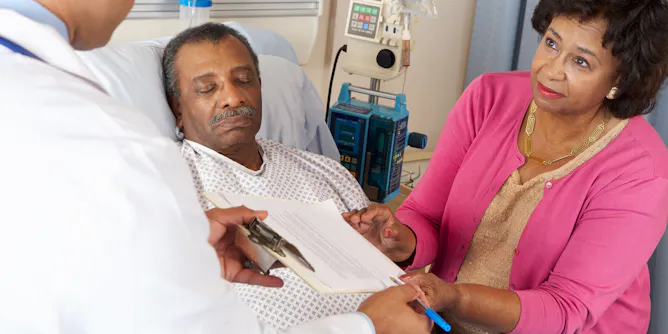
The recent death of Elijah Cummings at age 68 underscores a disturbing statistic: black men die, on average, five years younger than white men. A study shows racism’s effects on gene activity.
Articles on Health disparities
Displaying 121 - 140 of 151 articles
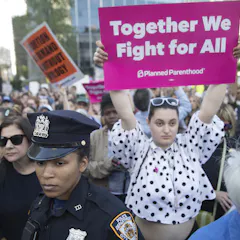
States that have restrictive abortion laws don’t just have worse health measures for women. A new study suggests that everyone is harmed.

Two experts ask whether dads are making their health a priority. Evidence suggests not. Pressures to provide income often hold fathers back.

Although certain racial minorities are more likely to be diagnosed with organ failure, they are less likely to be transplanted. What’s behind the gap?
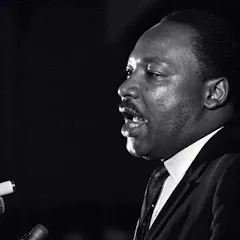
On April 4, 1968, Dr. Martin Luther King, Jr. was assassinated in Memphis. At the root of the injustice that King preached about is structural inequalities. An expert explains what that means.

Prostate cancer outcomes have differed between black men and other ethnic groups for decades. Could improving the way doctors talk and share information with black patients make a difference?

More people than ever are living with HIV, but people may overlook the fact that many of these long-term survivors are African-American women. They face unique social and health challenges.

African-American women aging with HIV often have histories of abuse and trauma, in addition to other medical conditions. Here, a few share their stories.
Gaps in care and outcomes between African-Americans and white patients is a major concern to those who care about fairness in health care. Gaps in care also exist at end of life, too.

Diet-related illnesses cost more than US$1 trillion and immeasurable human suffering and pain. Policymakers are beginning to understand that it makes sense to support food-as-medicine initiatives.
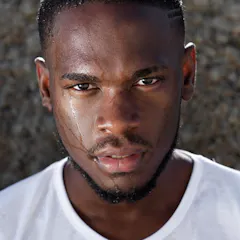
If a person in the US has lots of money, he or she has access to some of the best health care in the world. The story is very different for poor people and minorities.

As death tolls rise from hate crimes, a psychiatrist wonders: Is it time to treat bigotry like a disease?

White men hold more racial bias toward blacks than white women do, and this harms blacks’ health in significant ways. It not only can lead to some diseases but also impedes treatment.

Outed. Denied care. Openly harassed. These are just a few of the experiences reported by American transgender and non-binary individuals when seeking medical care or social services.

Many in the US believe that all people can gain riches and education simply by working hard. Here’s why that is not true for those have been denied rights and privileges for generations.
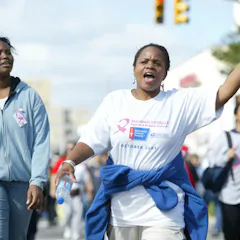
Research has resulted in advances in treating breast cancer in recent decades, but a wide gap exists in mortality rates between African-American women and white women. Here’s a look into why.

Researchers have long been looking for clues into how to treat triple negative breast cancer. Could fighter blood cells that infiltrate the tumor provide insight?

More seniors are reporting good health in recent years, but gains are primarily among more advantaged groups.

People who seek aid in dying tend to be white men older than 65, a new analysis shows. While this could be due to religious views, here’s why it could also be because of lack of access.

Americans, an independent group, tend to believe that people can “pull themselves up by their boot straps.” Yet bigger forces are at play in a person’s ability to gain education, a good job and money.
Top contributors
-

Associate Professor of Family Medicine, Charles R. Drew University of Medicine and Science
-
Assistant Professor of Social, Behavioral and Population Sciences, Tulane University
-
Associate Professor of Health Law, Policy and Management, Boston University
-
Professor of Anthropology, American University
-
Assistant Professor of Community Health, Tufts University
-
Assistant Professor of Public Health, University of Iowa
-
Family Medicine Physician and Postdoctoral Health Services Researcher, University of Michigan
-
Associate Professor of Psychology and Psychiatry, USC Dornsife College of Letters, Arts and Sciences
-
Assistant Professor of Resource Economics, UMass Amherst
-
Research scientist, Johns Hopkins University
-
Professor of Clinical and Diagnostic Sciences, Associate Dean of Research and Innovation in the School of Health Professions, University of Alabama at Birmingham
-
Professor of Bioinformatics, Rochester Institute of Technology
-
Associate Professor of Pharmacy and Therapeutics, University of Pittsburgh
-
Professor of Audiology, University of Pittsburgh
-
Assistant Professor of Health Policy and Administration, University of Illinois Chicago