

The Australian government has released its response to the Royal Commission into Defence and Veteran Suicide. Here’s what the response delivers on, and where it falls short.
Articles on Health in the news
Displaying 141 - 160 of 231 articles

Natural curiosity, developing motor skills, and a limited understanding of risk make for a dangerous combination.

Two Australian teenagers have died after a suspected methanol poisoning in Laos. A pharmacologist explains what to know about this chemical compound.

The program will raise awareness about the dangers of vaping, and hopefully support changes in vaping attitudes and behaviours among young people.

Get ready for an alarming future, where truth and science no longer matter.

Pigs are an ideal ‘mixing vessel’ for avian and human viruses.

After initial success, Australia’s pandemic response suffered due to a lack of strong, independent, central co-ordination. We mustn’t make the same mistake twice. Here’s how a CDC can help.

A new survey also found women were more likely than men to wash their hands before touching food – and after using the toilet.

A new study has found a link between hormonal intrauterine devices (IUDs) and breast cancer. But media reports of a large increase in risk may cause unnecessary worry.

A group of alcohol policy researchers raises concerns that proposed changes will worsen the very issues the NT government aims to address.

This rare case that has left many anatomists scratching their heads, and ignited discussions about typical human anatomy and anatomical variation.
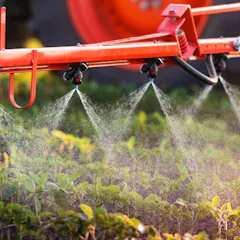
A study in rats shed new light on how the chemical can inhibit thyroid function. For unborn babies, this may cause irreversible harm.

While vaccines such as Uromune may not be an accessible or perfect solution for everyone, they offer real hope for people tired of recurring UTIs and endless rounds of antibiotics.

In many cases, patients are unable to shop around or make informed decisions about their care due to a lack of information about the true cost and quality of services.
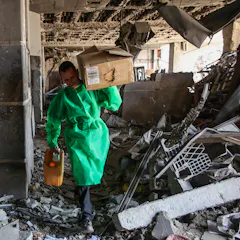
Medical services are protected under international law. When they are attacked without any consequences, it sends the message health-care workers and patients are acceptable targets.

A government review into private hospitals has yet to be made public. In the meantime, here’s whether there’s a case for a government bail-out.

Accessing super early may be the only way for some people to access life-changing medical care. But there aren’t currently enough safeguards to protect consumers from potential exploitation.
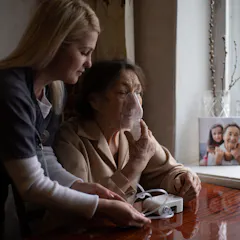
As part of the recent aged care reforms, older Australians will be eligible for $25,000 worth of palliative support when they have three months or less left to live.
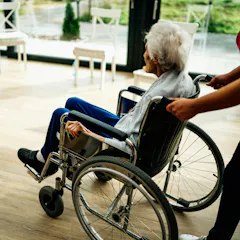
It was recently suggested that specialised geriatric hospitals could be set up to ease pressure on Australia’s health system.

Overall, the government’s investment in home care is a positive step toward improving quality of life for older Australians. But these reforms will face some challenges.
Top contributors
-

Senior Lecturer in Microbiology, Western Sydney University
-
Professor of Pharmaceutical Chemistry, Macquarie University
-
Professor of Global Biosecurity, NHMRC L3 Research Fellow, Head, Biosecurity Program, Kirby Institute, UNSW
-
Professor of Infectious Diseases, Monash University
-
Professor of Community Health and Wellbeing, The University of Queensland
-
Senior Lecturer in Pharmacology, Adelaide University
-
Paediatrician & Infectious Diseases Physician; Senior Lecturer & NHMRC Fellow, Faculty of Medicine, University of Sydney
-
Adjunct Professor at the National Drug Research Institute (Melbourne based), Curtin University
-
Senior Research Officer, Blood Cells and Blood Cancer Division, WEHI (Walter and Eliza Hall Institute of Medical Research)
-
Senior Research Officer, Blood Cells and Blood Cancer, WEHI (Walter and Eliza Hall Institute of Medical Research)
-
Accredited Practising Dietitian and Lecturer, Southern Cross University
-
Associate Professor and Principal Fellow in Urban Risk and Resilience, The University of Melbourne
-
Distinguished Professor, Professor of End-of-Life Law and Regulation, Australian Centre for Health Law Research, Queensland University of Technology
-
Associate Professor, Epidemiology, Deakin University
-
Adjunct Senior Research Fellow, Global and Women's Health, School of Public Health & Preventive Medicine, Monash University