

In February, NZ rolled out new rules promising easier access to ADHD treatment. Today, gaps in training, cost and access show why the reform was only a first step.
Articles on Health inequity
Displaying 1 - 20 of 67 articles

School personnel in Detroit and community members in Flint reported concerns about teens experiencing mental health conditions.
As the government considers major aged-care reform, research points to how a new system could better support kaumātua and whānau.

For the first time, research has put a dollar figure on the medical and economic toll of these relatively common conditions in New Zealand.
Medical sociology examines how social, cultural, political and economic factors shape health in ways that medicine alone cannot treat.

More teenagers are now smoking regularly than if pre-vaping smoking trends had continued, widening inequities for Māori and Pacific youth.

Many studies show public funding of private health care can be more expensive and less equitable. A truly evidence-based health system would acknowledge this.

Campaigns designed to help us cut back on alcohol don’t always reach those most at risk of harm. Here’s what we should be doing instead.
USAID has a decades-long history of fighting smallpox, polio, malaria, tuberculosis and HIV.

It’s not the same as pain tolerance, which measures how much pain someone can endure before they require relief.
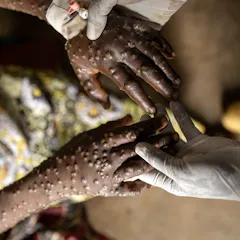
We can’t rely on rich countries to donate mpox vaccines. Here’s what we need to do instead.

One thing we can do to reduce this transport inequity is make it easier for First Nations people to get their driver’s licence. This also brings individuals and communities many other benefits.
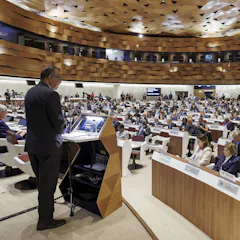
The WHO’s International Health Regulations are the world’s only existing international legal agreement focused exclusively on preventing and addressing infectious disease outbreaks across borders.

De-centring medical expertise means fostering skillsets that reduce disparities in health outcomes. Medical expertise alone is great for those with social privilege, but not enough for the rest.
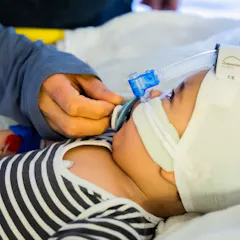
Influenza accounts for more than half of all potentially vaccine-preventable hospitalisations of children under 14. But those living in poverty are three times more likely to require hospital care.
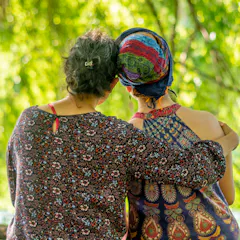
New research highlights common threads in cancer survivors’ stories, including the effort it takes to navigate the health system, even for a diagnosis, and the struggle to fund unsubsidised treatments.
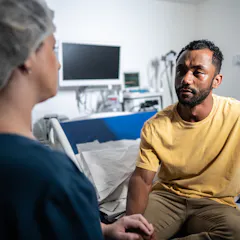
Many Black patients experience stark differences in how they’re treated during medical interactions compared to white patients.

Research partnerships with the people and communities affected help to challenge health inequities, and support person-centred care in health systems.
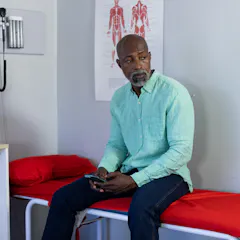
Anti-Black racism has health, social and economic consequences for Black populations in Canada. Partnering with Black communities is a crucial component in effective efforts to mitigate inequities.

While medical school may teach students about how the body works, it often neglects the social, political and cultural factors that determine health and disease. The humanities can help.
Top contributors
-

Assistant Professor of Law, L’Université d’Ottawa/University of Ottawa
-
Associate professor, Department of Health Sciences, Carleton University
-
Associate professor, Department of Family and Community Medicine, University of Toronto; York University, Canada; University of Sydney
-
Professor of Public Health, La Trobe University
-
PhD candidate (health), Dalhousie University
-
Executive Dean, Bond Business School, Bond University
-
Director, Center for Craniofacial and Dental Genetics; Professor of Oral Biology and of Human Genetics, University of Pittsburgh
-
Assistant Professor of Biological Anthropology, Washington University in St. Louis
-
Research Fellow in Gynaecology, Medical Research Institute of New Zealand
-
Professor of Public Health Sciences, Director of the Program on Health Disparities and Community Engagement Research, University of Virginia
-
Research Fellow in Population Health, University of Auckland, Waipapa Taumata Rau
-
Associate Professor of Community and Public Health; Lead, Graduate Certificate in Rural Health, Idaho State University, Idaho State University
-
Assistant Professor of Public Health, Hollins University
-
Professor of Psychology, Saint Mary’s University
-
Senior Research Fellow, Public Health, University of Auckland, Waipapa Taumata Rau