

A new study looked at almost one million married couples and found dementia clustered among couples. Shared lifestyle doesn’t explain everything.
Articles on Health equity
Displaying 1 - 20 of 79 articles
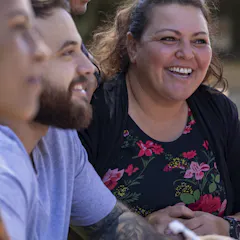
Indigenous Australians are less likely to use health services than non-Indigenous people – even when needed. So health services need to change.
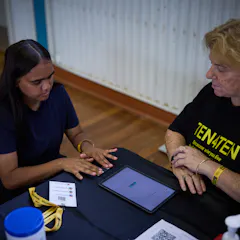
Indigenous people have a far higher risk of early stroke than non-Indigenous people. It’s often caused by atrial fibrillation, which may not have any symptoms.

Some Detroit residents spend as much as 25% of their disposable income on water bills. Many are struggling to keep up.

Most vision loss is preventable, yet many New Zealanders can’t afford care. Following Australia’s public funding model could cut costs and reduce inequities.

Combining AI with quantum computing could enable doctors and researchers to analyze the human body at an unprecedented molecular level, unlocking breakthroughs in personalized medicine. Yet significant quantum technology hurdles remain before this vision becomes reality.

In the early 20th century, Detroit’s Black medical professionals created a network of health care institutions in response to racial discrimination and exclusion.

NZ’s one-size-fits-all approach to managing type 2 diabetes is better in theory than practice for many patients.

2022’s once-in-a-generation health reset improved much about the system – yet everyday access to primary care has become harder for many New Zealanders.

The G20’s Women 20 group agreed that action is needed to stop unpaid care work and forced labour, and improve women’s health and climate leadership.

Pharmacogenomic testing can tell how a drug is likely to work in a certain person. But is it ready for rolling out to the wider population?

When Indigenous communities shape how health professionals are trained, it’s a path toward trust, equity and a health system that finally reflects the people it serves.

It’s a stereotype that eating disorders mainly affect people from wealthy backgrounds.
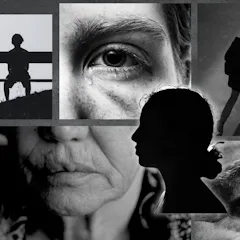
Police receive 50,000 missing reports in Australia each year. But not everyone goes missing by accident – for some people it’s a choice or a way to cope.

In the future, risk-assessments for whole blood won’t be based on sexual orientation.

Pharmaceutical companies have little incentive to sell drugs to countries that can’t afford them. But bargaining together can increase access to vital treatments worldwide.

When LGBTQ+ patients can be open with their providers about their identity, they are much more likely to get essential care.

People who are in distress and need support are often met with handcuffs, detention and are sent to hospital emergency departments.

When people with lived experience contribute to the design and delivery of health care and research, it means services are used more and fairer outcomes achieved.

Building on a storied history of engagement that supersedes partisan politics, there is no time to lose for Canada to strategically renew its role in global health.
Top contributors
-

Assistant Professor of Resource Economics, UMass Amherst
-
Associate Vice-President Global Health, McMaster University
-
Associate professor, Department of Family and Community Medicine, University of Toronto; York University, Canada; University of Sydney
-
Assistant Professor in Health Sciences, Simon Fraser University
-
Professor of Surgery and Director of the Virtual Health Hub and the Remote Presence Robotic Program at the University of Saskatchewan, University of Saskatchewan
-
Professor, University of Saskatchewan Community Health and Epidemiology, Adjunct Professor, Faculty of Health Sciences, Simon Fraser University
-
Associate Professor of Spatial Science and Health Economics, Georgia State University
-
Adjunct Associate Professor, Menzies Centre for Health Policy and Economics, University of Sydney
-
Assistant Professor of Urban and Environmental Studies, Loyola Marymount University
-
Economist, Ghent University
-
Professor of Epidemiology, San Diego State University
-
Professor of Health Policy, Columbia University
-
Director of the Australian Research Centre for Population Oral Health, Adelaide University
-
Associate Professor of Family Medicine, Charles R. Drew University of Medicine and Science
-
Professor of General Practice and Head of Undergraduate Education, School of Public Health and Community Medicine, UNSW