

When LGBTQ+ patients can be open with their providers about their identity, they are much more likely to get essential care.
Articles on Health equity
Displaying 21 - 40 of 83 articles

People who are in distress and need support are often met with handcuffs, detention and are sent to hospital emergency departments.

When people with lived experience contribute to the design and delivery of health care and research, it means services are used more and fairer outcomes achieved.

Building on a storied history of engagement that supersedes partisan politics, there is no time to lose for Canada to strategically renew its role in global health.

Factors like age, gender and where you live can make it more likely an applicant will be rejected.

In our new study, people told us they’d been fined for leaving home to access drug treatment programs – and still couldn’t afford to pay, years later.

The average life expectancy was just 46 for those who’d accessed homelessness services in the year leading up their death.

Half of all GP practices in New Zealand have closed their books to new patients. This means people are going on emergency departments for care – with deadly outcomes when it comes to lung cancer.
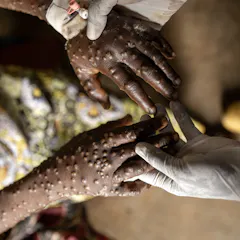
We can’t rely on rich countries to donate mpox vaccines. Here’s what we need to do instead.

The health benefits of shifting to a low-carbon transport system could be greater than those achieved by anti-smoking policies, according to a major new study released today.

The current Mpox situation is concerning, but there is not yet any reason for Canadians to panic. As the situation develops, listen to public health advice and be ready to take appropriate action.

The COVID-19 pandemic showed that a one-size-fits-all approach is inadequate for addressing health inequities. A targeted, community-informed strategy is essential to improve public health responses.

De-centring medical expertise means fostering skillsets that reduce disparities in health outcomes. Medical expertise alone is great for those with social privilege, but not enough for the rest.

Diabetes trials are leaving out people who are most affected by diabetes, which creates a series of problems include the greater likelihood of missing rare and potentially dangerous side effects.

The federal government has announced almost $50 million in funding for gynaecological health care. But there’s more to do to help women with chronic pain.
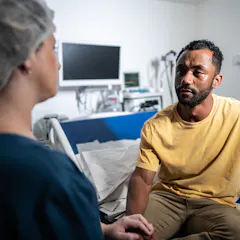
Many Black patients experience stark differences in how they’re treated during medical interactions compared to white patients.
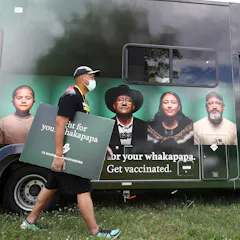
Māori and Pacific people already face a disproportionate burden of influenza and a persistently reduced life expectancy. Lowering the age for free flu vaccination is essential for achieving equity.

New Zealand’s health and education sectors are largely siloed and separate. But all the evidence points to collaboration within schools leading to better health and educational outcomes for children.

Arguments against including Indigenous cultural perspectives and experiences in public policy have spilled over into prejudice and racism on both sides of the Tasman. That harms democracy.
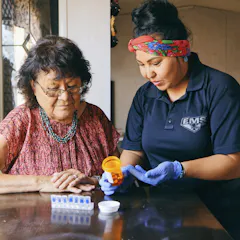
Native Americans sent to government-funded schools now experience significantly higher rates of mental and physical health problems than those who did not.
Top contributors
-

Associate Vice-President Global Health, McMaster University
-
Assistant Professor in Health Sciences, Simon Fraser University
-
Assistant Professor of Resource Economics, UMass Amherst
-
Associate professor, Department of Family and Community Medicine, University of Toronto; York University, Canada; University of Sydney
-
Post-doctoral research fellow, Department of Medicine, University of British Columbia
-
Professor of Surgery and Director of the Virtual Health Hub and the Remote Presence Robotic Program at the University of Saskatchewan, University of Saskatchewan
-
PhD candidate, La Trobe University and Unit Head, Nossal Institute for Global Health, The University of Melbourne
-
Adjunct Associate Professor, Menzies Centre for Health Policy and Economics, University of Sydney
-
Professor of Public Health, La Trobe University
-
Professor and Research Theme Leader of the Flourishing Life Research Theme, University of the Free State
-
Professeur des Universités, IAE Paris – Sorbonne
-
Assistant Professor of Medicine, University of California, San Francisco
-
Professor of Health Policy, Columbia University
-
Associate Professor in Public Health and Social Justice, University of Canterbury
-
Professor of General Practice and Head of Undergraduate Education, School of Public Health and Community Medicine, UNSW