

All told, more than 16 million Americans could become uninsured, reversing major progress seen since the Affordable Care Act’s passage in 2010.
Articles on Health insurance
Displaying 41 - 60 of 184 articles

Research shows that decades of policy choices shaped today’s fragmented health care system – which is precisely why reform is so difficult.

A damaged home and the psychological stress that comes with living through a major cyclone can prompt people to buy private health insurance.

After a group of employers refused to provide their employees access to free HIV prevention treatment, the Supreme Court may decide whether insurers are required to fully cover preventive care.

At a time when California’s farm operators are struggling to hire enough people, providing better benefits could attract more workers who are citizens or have legal immigration status.

Medicare Advantage − the private option that costs taxpayers extra and requires prior approval − is the default for some state agencies and corporations.
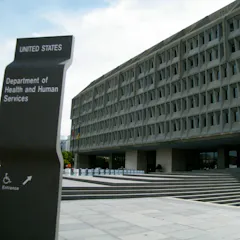
Health Secretary Robert F. Kennedy Jr.’s new vision for US health policy prioritizes deregulation and leaves Americans with fewer benefits, services and protections.

A number of things could affect the success of Nigeria’s scheme to provide free caesarian sections.

Overseeing the FDA, NIH and several other public health and medical research divisions, the HHS secretary is a powerful force in how the nation accesses health care.

It’s time to move from rage to regulation, an insurance expert argues.

As the middlemen between drug companies and insurers, PBMs are shoo-ins as the villains behind high drug prices. But they do play a useful role in the health marketplace.

At a moment of soul-searching about health care in the US, an expert on global health puts the American system in perspective.

The murder of a health care insurance executive has brought scrutiny to the ways that insurance companies can make it difficult for insured patients to get the care they need.

Families in Ghana still pay for maternal health services despite the country’s policy of free care.

Rather than finding efficiencies and saving money all around, the private companies that administer the Medicare Advantage option to Medicare are profiting at seniors’ – and taxpayers’ – expense.
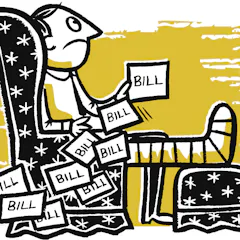
While some policies have made the price of certain health care services more transparent, they don’t guarantee patients won’t be surprised by how much they’ll need to pay out of pocket.

Some private health insurers are offering their members easier access to GP telehealth services, sometimes for free.

Signing up for a Medicare plan when you turn 65 − or making changes in subsequent years – means wading through a thicket of consequential choices that can’t always be undone.

Patients often bear the cost of unexpected bills for basic preventive services such as wellness visits and cancer screenings.

Researchers found that nearly 74% of patients who reached out about a billing mistake received bill corrections. For those who negotiated their bills, nearly 62% saw a price drop.
Top contributors
-

Associate Professor of Public Health, The Ohio State University
-
Associate Professor of Health Law, Policy and Management, Boston University
-
Professor of Health Economics, The University of Melbourne
-
Professor of Health Finance, Weatherhead School of Management & School of Medicine, Case Western Reserve University
-
Assistant Professor of Social, Behavioral and Population Sciences, Tulane University
-
Research Scientist of Health Policy and Economics, University of Southern California
-
Associate Professor, School of Economics and Marketing, University of Technology Sydney
-
Research Scientist and Director of Research Training in Health Policy and Economics, University of Southern California
-
Senior Research Scholar in Gerontology, Miami University
-
Assistant Professor of Health Policy and Management, UMass Amherst
-
Professor of Health Law and Bioethics, Case Western Reserve University
-
Honorary Enterprise Professor, School of Population and Global Health, and Department of General Practice and Primary Care, The University of Melbourne
-
Dean of the Sol Price School of Public Policy; Distinguished Professor of Pharmacy, Public Policy, and Economics, University of Southern California
-
Professor, Department of Health Policy, London School of Economics and Political Science
-
Quintiles Professor of Pharmaceutical Development and Regulatory Innovation, Schaeffer Center for Health Policy and Economics, University of Southern California