
In the UK, nobody collects patients’ insurance information or credit card details. There’s simply no charge for services, including doctor visits, ambulances and hospitalizations.
Articles on Health insurance
Displaying 101 - 120 of 184 articles

Ghana’s lack of a palliative care policy is posing a significant challenge to effective healthcare for cancer patients.

It’s not the price of health care that should concern us. It’s the cost. There’s a distinction, and it matters. Here’s why.

High prescription drug costs are a widespread concern for consumers and policymakers. For patients who need specialty drugs, though, the problem is even worse, with no relief in sight.

In the wake of the New Deal, the business community realized that appealing to widely shared American values could get the public to oppose measures that curbed corporate power.

Young people don’t see the value in private health insurance and are dropping their cover in droves. Allowing under 55s to pay lower premiums, based on their lower risk, could keep them in the system.
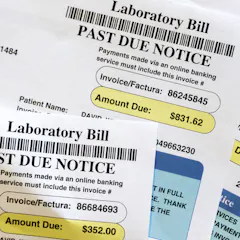
Just how big a problem are medical bankruptcies? For someone going through one, it’s devastating. And it happens far more often than you might think.

Patients often want the option to be treated at home rather than being admitted to hospital. But it’s much less likely to happen if you’re a private patient.

Nearly 160 million Americans get insurance through employers, but that does not mean it’s good social policy. An economist explains some aspects of employer-sponsored insurance that don’t work well.

Are more technologically advanced prosthetics and orthotics actually better for improving health? Or do we just think they are better? And most importantly, how do we figure it out?

People are more willing to participate in fitness tracker-based insurance policies when they are in control of their participation.
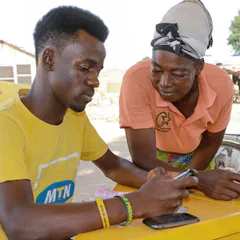
In just five years, the number of mobile-money accounts in Ghana have jumped six-fold, providing fresh perspective on the country’s digital transformation.

In the US, poverty is measured by income level. But that measure misses many other aspects of poverty – like unemployment, poor health and a lack of health insurance.

A trip to the emergency room can turn expensive fast if the providers are not in your network. That is happening more often, as some doctors choose to opt out of insurance plans. Here’s why.

The over-medicalization of back pain is a global concern. New research in Canada shows that people with lower income as well as rural and remote dwellers are less likely to access physiotherapy care.

Two community pharmacists suggest a way for improving the palatability of evidence-based universal pharmacare – for those working in health insurance, pharmacy and the pharmaceutical industry.

Hospitals are now required to post their prices online. This approach is unlikely to change US health care – but better price transparency tools could actually reduce costs.

Three-quarters of insurance executives believe artificial intelligence will revolutionise the industry within a few years. It promises lower premiums, but brings ethical risks too.

The biggest problem in the Indonesian universal healthcare program is that members’ contribution is less than the spending to pay claims for hospitals and other health services.

No longer can young people invest in their education and work their way into secure employment. The health impacts of this job insecurity are profound.
Top contributors
-

Associate Professor of Public Health, The Ohio State University
-
Associate Professor of Health Law, Policy and Management, Boston University
-
Professor of Health Economics, The University of Melbourne
-
Professor of Health Finance, Weatherhead School of Management & School of Medicine, Case Western Reserve University
-
Assistant Professor of Social, Behavioral and Population Sciences, Tulane University
-
Research Scientist of Health Policy and Economics, University of Southern California
-
Associate Professor, School of Economics and Marketing, University of Technology Sydney
-
Research Scientist and Director of Research Training in Health Policy and Economics, University of Southern California
-
Senior Research Scholar in Gerontology, Miami University
-
Assistant Professor of Health Policy and Management, UMass Amherst
-
Professor of Health Law and Bioethics, Case Western Reserve University
-
Honorary Enterprise Professor, School of Population and Global Health, and Department of General Practice and Primary Care, The University of Melbourne
-
Dean of the Sol Price School of Public Policy; Distinguished Professor of Pharmacy, Public Policy, and Economics, University of Southern California
-
Professor, Department of Health Policy, London School of Economics and Political Science
-
Quintiles Professor of Pharmaceutical Development and Regulatory Innovation, Schaeffer Center for Health Policy and Economics, University of Southern California