
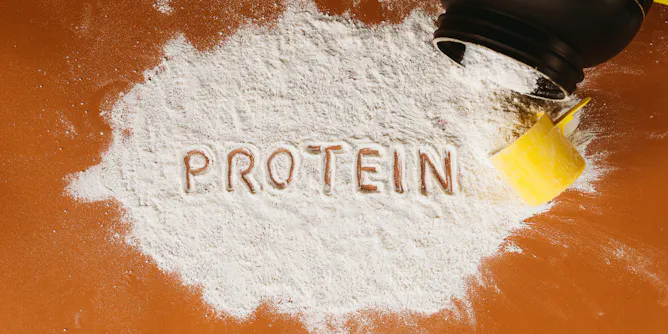
Protein powders and protein-fortified versions of all manner of foods line grocery store shelves. But just because something has added protein doesn’t necessarily make it better.
Articles on Healthy diet
Displaying 1 - 20 of 65 articles
Choosing fruits and vegetables more carefully could help us better get important bioactives from our foods.

Diets high in ultra-processed foods are linked to many serious diseases, but without recent nutritional surveys there are gaps in understanding the health impacts.

Social media and advertising is full of messages about what you should or shouldn’t eat. But making health and nutrition so black and white can do more harm than good.
Blueberries, walnuts and dark green leafy vegetables head the list, but diversity is the key to getting more antioxidants in your diet.

Our latest study showed that taste and smell were both found to activate a region of the brain important for taste, hunger and thirst.

Even small lifestyle changes – such as more social interaction and a better diet – can help reduce stress.
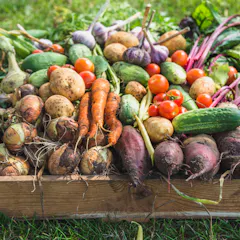
Food co-ops are local groups where people join together to buy food in bulk, usually straight from farmers or wholesalers.
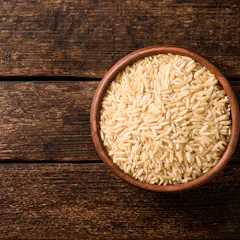
Why brown rice is still a healthy choice – even with more arsenic.

Some advice for staying healthy may sound familiar. But other recommendations – such as a fig-only diet for athletes – may raise eyebrows.
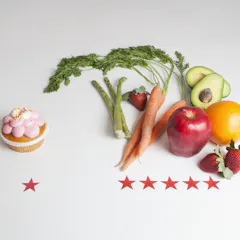
Nutrition Facts labels provide useful information about how nutritious a food is, but can be overwhelming. A single score could help make healthy grocery shopping more approachable.

Establishing a nationwide system of community restaurants could help tackle the current food and farming crisis.
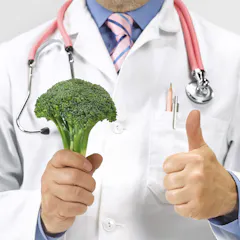
Looking for ways to eat better? Turns out your doctor may not be your best source of information.

If the legislation passes, the new label would be centered on the front of the package. But it’s an add-on, not a replacement for the existing label.

Your gut microbes have a lot to say about how many calories you consume and how effectively your body metabolizes them.
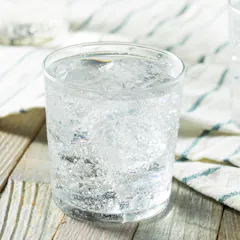
Sparkling water is more acidic than still water. But it’s a myth the bubbles damage your bones or impede digestion.
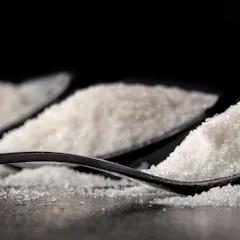
A simple switch from regular salt to salt substitute alternatives will help reduce the risk of heart attack, stroke and kidney disease. It would also provide much-needed health expenditure savings.

Here are some cheaper, healthy alternatives to olive oil.

Studies show a parent’s poor diet could affect the genes of generations to come – and set up children and grandchildren for obesity and cardiovascular issues.

Here’s why a healthy balance of microbes is important for astronauts when they travel to Mars and beyond.
Top contributors
-

Associate Professor of Gastroenterology, School of Medicine, University of Washington
-
Laureate Professor in Nutrition and Dietetics, University of Newcastle
-
Assistant Professor of Nutrition and Dietetics, University of North Dakota
-
Program Director of Nutrition and Food Sciences, Accredited Practising Dietitian, Adelaide University
-
Dean of Friedman School of Nutrition Science and Policy, Tufts University
-
Clinical Dietitian, University of Virginia
-
BehaviourWorks Australia, Monash Sustainable Development Institute, Monash University, Monash University
-
Professor, Translational Health Research Institute, Western Sydney University
-
Professor of English, Clark University
-
Research associate, Adelaide University
-
Food Systems and Safety Program Team Director, Clemson University
-
Associate Professor of Psychology, Arizona State University
-
Clinical Associate Professor, University of Sydney
-
Conjoint Lecturer, University of Newcastle
-
Professor of Animal and Dairy Sciences, University of Wisconsin-Madison