

“Frankly, why should any hospital purchase coal-fired energy when it produces toxic air pollution that harms health?”
Articles on Health care
Displaying 261 - 280 of 447 articles

Measures to control the spread of COVID-19 within Indigenous communities represent less than one per cent of Canada’s funding to limit the impacts of the virus.

A transparency index could fix issues in the current medical supply chain in the US.
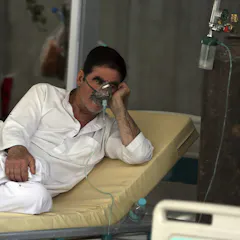
Decades of armed conflict in Afghanistan has destroyed health-care infrastructure and the reconstruction efforts have failed to provide accessible healthcare, exacerbating the COVID-19 crisis.

Despite significant differences in their systems, both countries share the challenge of having to reduce the cost of health and long-term care for older citizens.

For many reasons, drug users are shifting from the use of conventional psychoactive drugs such as cannabis, cocaine and heroin to pharmaceutical drugs for non-medical purposes.
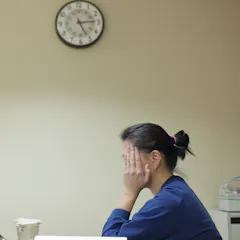
COVID-19 is traumatizing nurses. Yet nurses have suffered trauma for decades, often due to insufficient resources, and changes within the field have been slow.

The only chaplain in the COVID-19 section of a Montréal hospital offers spiritual care to patients and families, as well to staff, who have found themselves more intimately exposed to life and death.

Since March, when Medicare-funded phone and video consultations with doctors and other health workers were made available to all Australians, millions of appointments have been delivered remotely.
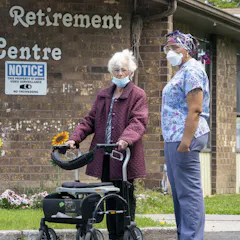
If Canadians want to know what the privatization of health care looks like, long-term care is a cautionary tale.

Many white health students - our future doctors, nurses and health workers - find learning about the ongoing health impacts of colonisation on Indigenous Australians confronting. But it’s vital.
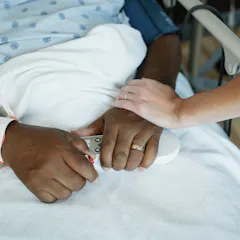
A give-and-take between patient and provider is essential to patient care. As the COVID-19 pandemic ushers in a new era of medicine, one doctor wonders if this connection will be lost.
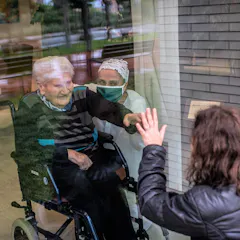
Nearly half the states have reduced liability for health care providers at a time when nursing home regulation is declining and families can’t visit loved ones for fear of spreading the coronavirus.
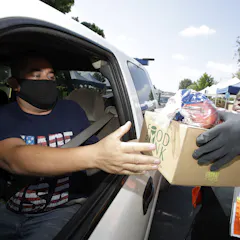
A third of Americans experiencing significant financial stress say they wouldn’t contact a doctor if they experienced coronavirus symptoms.

Since the state’s first coronavirus case surfaced, trained case investigators have traced the contacts of every person who tested positive. Here’s what else South Carolina got right.

The United States has 53 million caregivers, according to the latest estimate. And COVID-19 makes what they do much harder.

Delaying medical care comes at a cost, both human and financial. The patients some emergency rooms have been seeing are a lot sicker and more likely to need hospitalization.
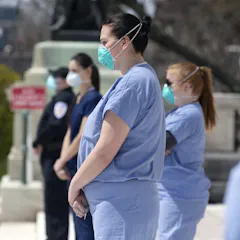
American workers tend to lack many basic benefits that are incredibly common in other countries, a situation the ‘Essential Worker Bill of Rights’ aims to remedy.
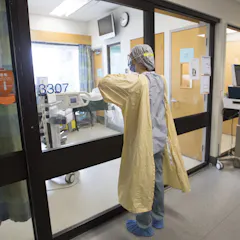
In Ontario, the task of deciding which treatments to use for COVID-19 patients falls to two committees that weigh the evidence and choose which drugs to use, and how to manage critical illness.

Images of religious buildings being used to treat the sick shouldn’t come as surprise. The practice has a long tradition, dating back to the Middle Ages.
Top contributors
-

Honorary Enterprise Professor, School of Population and Global Health, and Department of General Practice and Primary Care, The University of Melbourne
-
Chancellor's Professor of Medicine, Liberal Arts, and Philanthropy, Indiana University
-
Professor, School of Population Health, UNSW
-
Senior Lecturer, University of Sydney
-
Professor of Health Economics, The University of Melbourne
-
Professor, Public Health, Victoria University, Victoria University
-
Associate Professor of Health Policy, Management and Behavior, University at Albany, State University of New York
-
Assistant Professor, Texas A&M University
-
Professor of Gerontology, UMass Boston
-
Adjunct Associate Professor, Menzies Centre for Health Policy and Economics, University of Sydney
-
Indigenous Science Research Director, Indigenous Science and Engagement, CSIRO
-
Assistant Professor of Economics, University of California, Berkeley
-
Assistant Professor of Nursing, University of Michigan
-
Bernard T. Ferrari Professor of Business, Johns Hopkins University
-
Professor of Medicine and Health Economics, University of Calgary