

Since the state’s first coronavirus case surfaced, trained case investigators have traced the contacts of every person who tested positive. Here’s what else South Carolina got right.
Articles on Health care
Displaying 281 - 300 of 453 articles
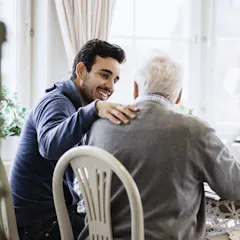
The United States has 53 million caregivers, according to the latest estimate. And COVID-19 makes what they do much harder.
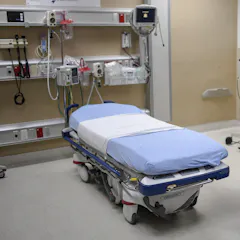
Delaying medical care comes at a cost, both human and financial. The patients some emergency rooms have been seeing are a lot sicker and more likely to need hospitalization.
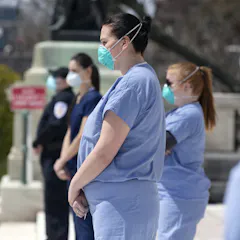
American workers tend to lack many basic benefits that are incredibly common in other countries, a situation the ‘Essential Worker Bill of Rights’ aims to remedy.
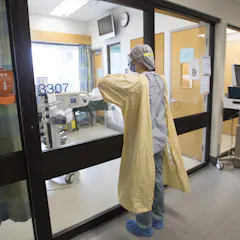
In Ontario, the task of deciding which treatments to use for COVID-19 patients falls to two committees that weigh the evidence and choose which drugs to use, and how to manage critical illness.

Images of religious buildings being used to treat the sick shouldn’t come as surprise. The practice has a long tradition, dating back to the Middle Ages.
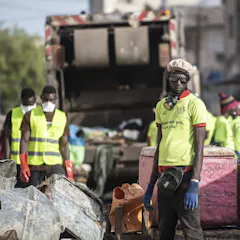
African countries face unique challenges in their efforts to limit the spread of COVID-19, but lessons learned in other regions where the coronavirus has already peaked may be helpful.

Throughout the coronavirus crisis, President Trump has made inconsistent statements about who is responsible for key aspects of the nation’s response to the pandemic. The Constitution has the answer.
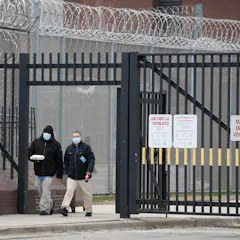
Half of incarcerated individuals have either a chronic medical or a mental health condition. But social distancing and rigorous hygiene are unattainable for many US jails and prisons.

If COVID-19 causes a ventilator shortage in hospitals, triage protocols will dictate who gets life-saving treatment. Health-care workers need protection from liability for following those protocols.

The COVID-19 pandemic is affecting everyone to some degree, and many people are looking for ways to help others. Here are some ways people can contribute to the response effort.
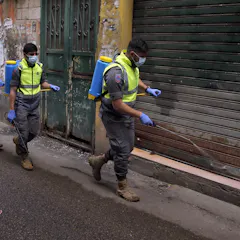
Criminal gangs, insurgents and terrorist groups seek to protect the people in the areas they govern, when a central government’s power is weak or nonexistent.
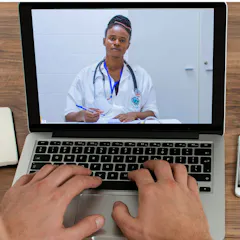
Telemedicine has grown sluggishly in Canada, but COVID-19 has sped up the pace of adoption of online technology to deliver health care.

Starting this week, all Australians with a Medicare card are eligible for telehealth consultations, where you talk to your GP by video or phone. But there’s still some things you’ll need to go in for.
Even the most considered medical phrases require careful reflection.

Home care aides play a critical role in providing health care to the elderly and other groups at the greatest risk of infection. Yet these workers are vulnerable too.

The Lady with the Lamp also did some of her most important work from home.

The face mask shortage shows how governments can either work together with global supply chains in positive ways or revert to state-centric policies that prevent us from dealing with COVID-19.
As response to COVID-19 moves from a learning phase to an operational phase, lessons from the 2009 H1N1 pandemic can inform Canada’s action plan.

From preventing emergency visits to understanding the context of a patient’s health issues, house calls have value in a modern medical practice.
Top contributors
-

Honorary Enterprise Professor, School of Population and Global Health, and Department of General Practice and Primary Care, The University of Melbourne
-
Chancellor's Professor of Medicine, Liberal Arts, and Philanthropy, Indiana University
-
Professor, Public Service Research, UNSW
-
Senior Lecturer, University of Sydney
-
Professor, School of Population Health, UNSW
-
Professor, Public Health, Victoria University, Victoria University
-
Professor of Health Economics, The University of Melbourne
-
Indigenous Science Research Director, Indigenous Science and Engagement, CSIRO
-
Assistant Professor, Texas A&M University
-
Professor (adjunct) and Senior Fellow, Institute for Health Policy, Management and Evaluation, Dalla Lana School of Public Health, University of Toronto
-
Adjunct Associate Professor, Menzies Centre for Health Policy and Economics, University of Sydney
-
George Dock Professor of Medicine, University of Michigan
-
Assistant Professor of Economics, University of California, Berkeley
-
Assistant Professor of Nursing, University of Michigan
-
Professor of Medicine and Health Economics, University of Calgary