
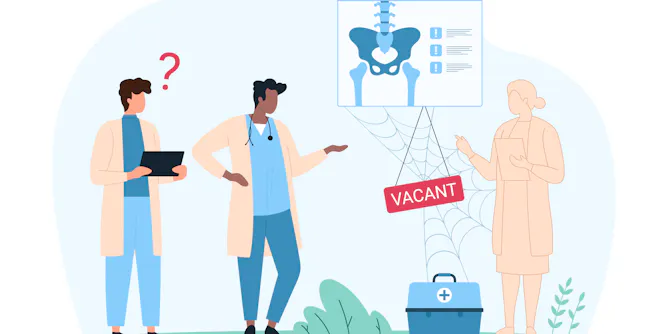
The 2025 tax and spending law lowers the federal loan borrowing limits for nursing students, raising the up-front costs of nursing school.
Articles on Health care access
Displaying 1 - 20 of 34 articles
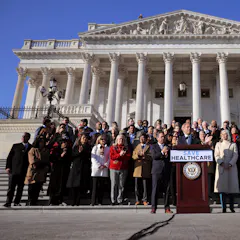
US health care policy will remain fractured until lawmakers address the core question of who is responsible for health care costs.
As the battle for health care plays out in Washington, the shutdown itself could also make it harder for Americans to get the care they need.

Perseverance helps people achieve goals and is linked with well-being. But combined with chronic societal stressors, it can lead to cognitive overload that puts a strain on brain health.
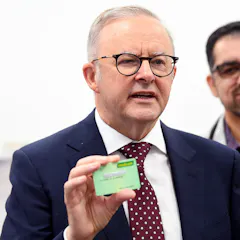
Australians will save on the costs of scripts and on GP visits. But the budget doesn’t start the reforms needed to secure the health system’s long-term future.

Insurers in many ways are the face of US health care, which may help explain the public reaction to the murder of an insurance executive.
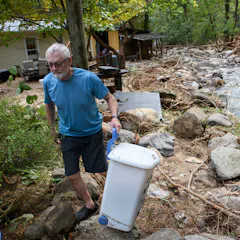
Weather disasters, particularly floods, can create health threats that linger for months, from infected cuts to mold growth to mental stress.

Local governments are increasingly buying – and forgiving – their residents’ medical debt.

The argument that private healthcare relieves pressure on the public system is misleading. Private care profits from failures of the public system and patients’ desperation for timely treatment.

The emergency status allowed the federal government to cut through a mountain of red tape, with the goal of responding to the pandemic more efficiently.

Small, organised groups of South Africans who are stopping undocumented foreigners from using hospitals bring the issue of migrants accessing healthcare into the spotlight.
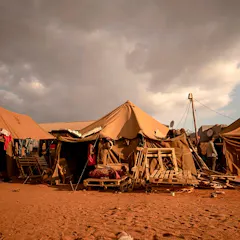
Beitbridge and Musina are two border towns in Zimbabwe and South Africa that see many migrants pass through – with different health needs.

Puberty-suppression therapy gives trans teens the gift of time and the ability to attain a more desirable appearance.

High rates of youth mental illness show the urgent need for accessible, affordable and research-backed mental health care. It’s crucial to include young people’s voices in shaping these resources.
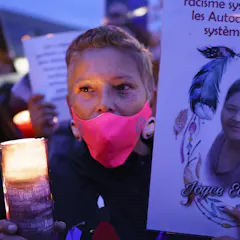
Joyce’s Principle seeks to shift the way health services are provided to Indigenous communities and ensure they are free of discrimination.

The outbreak of the COVID-19 pandemic has exposed gaps in the health-care system that leave those without identification documents vulnerable.
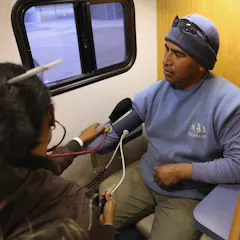
In the wake of COVID-19, researchers can become trusted figures of authority who can re-appropriate their networks, skills and knowledge to better the lives of vulnerable populations.

Despite significant differences in their systems, both countries share the challenge of having to reduce the cost of health and long-term care for older citizens.

In Brazil, black COVID-19 patients are dying at higher rates than white patients. Worse housing quality, working conditions and health care help to explain the pandemic’s racially disparate toll.
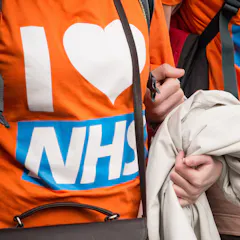
The core egalitarian principle of the NHS could be under threat in the wake of the COVID-19 pandemic.
Top contributors
-

Associate Professor of Public Health, The Ohio State University
-
Professor, School of Public Health, University of Gothenburg Sweden, University of the Witwatersrand
-
Research Scientist and Director of Research Training in Health Policy and Economics, University of Southern California
-
Regional Migration Referent, Johns Hopkins University
-
Physician, New York University
-
Profesor in the Department of Indigneous Studies, Lakehead University
-
Associate Professor at the Wits Reproductive Health & HIV Institute, University of the Witwatersrand
-
Communication and Education Specialist at the Children’s Institute, University of Cape Town
-
Professor of Social Welfare, Stony Brook University (The State University of New York)
-
Senior Lecturer, Department of Economics, University of the Western Cape
-
Deputy Director and Researcher at the Centre for Health Policy, School of Public Health, University of the Witwatersrand
-
Professor Emeritusin the Department of Paediatrics and Child Health, Faculty of Health Sciences, University of the Witwatersrand
-
Postdoctoral Research Fellow, Faculty of Medicine, Université de Montréal
-
Director of the Drake Agricultural Law Center; Assistant Professor of Law, Drake University
-
Health systems researcher, University of Ghana