
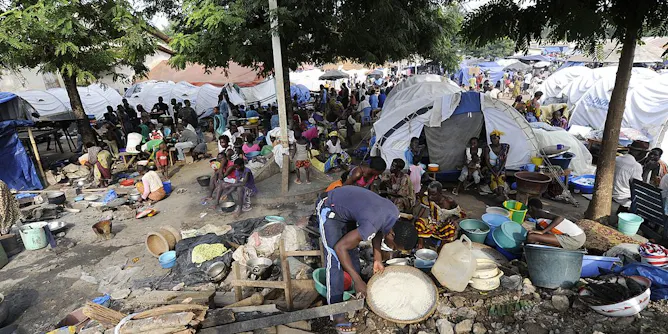
The COVID-19 pandemic is a global problem and solutions must also be found for the most vulnerable populations.
Articles on Health care access
Displaying 21 - 34 of 34 articles

Americans who live in rural parts of the country have fewer doctors, specialists and hospitals than those who live in cities. It also appears that insurers are working against them.

Children’s right to health is paramount: here’s what needs to be done to build a child-centred health care system.

Young, poor, single and a mother of two: This is the profile of most women in the US and Northern Ireland who seek financial assistance to help pay for an abortion.

South Africa is violating its own Constitution, and international obligations when it comes to undocumented children.

Fixes for small pieces of massive problems show that overarching crises may be less hopeless than they appear.
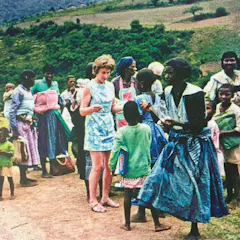
The tale of an unsung South African hero in the field of community health.
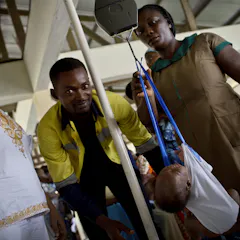
For healthcare to be accessible, affordable and equal, policies and programmes that promote universal health coverage need to be based on evidence.

The high cost of cancer drugs in South Africa has come under the spotlight with an investigation by the Competition Commission in the country.

For many of the nation’s poor, food and shelter are more important than health care. Questions of insurance coverage loom broadly, but another question lingers: how to treat the poor we do not see.

Across the world many countries issue pregnancy grants to support mothers-to-be. South Africa has a progressive social security grant system, but it does not support this vulnerable group.

Are you part of the 86 percent of Americans who do not live in rural America? Here’s why Trump’s choice to lead the USDA matters to you.
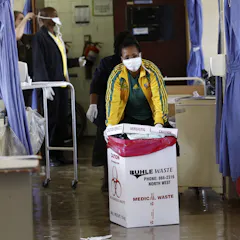
The government has put a lot of effort into making health care in South Africa more accessible, but the quality of the service still lags behind.
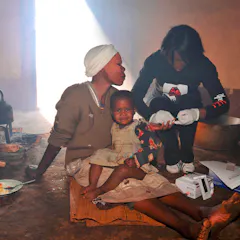
Community health workers are finally being formally integrated into the health system – but they need support to make an impact.
Top contributors
-

Associate Professor of Public Health, The Ohio State University
-
Communication and Education Specialist at the Children’s Institute, University of Cape Town
-
Senior Lecturer, Department of Economics, University of the Western Cape
-
Professor of Nursing, Duquesne University
-
Senior Associate Dean of Nursing, Drexel University
-
Professor of Social Welfare, Stony Brook University (The State University of New York)
-
Professor, School of Public Health, University of Gothenburg Sweden, University of the Witwatersrand
-
Physician, New York University
-
Professor of Public Health and Epidemiology, Universidade Estadual de Feira de Santana (UEFS)
-
Senior Lecturer in Bioethics, University of Otago
-
Deputy Director and Researcher at the Centre for Health Policy, School of Public Health, University of the Witwatersrand
-
Professor, African, African American, and Diaspora Studies, University of North Carolina at Chapel Hill
-
Associate Professor and Course Leader: Post Graduate Programmes in Clinical Pharmacy in the Department of Pharmacy, Sefako Makgatho Health Sciences University
-
Professor Emeritusin the Department of Paediatrics and Child Health, Faculty of Health Sciences, University of the Witwatersrand
-
Health systems researcher, University of Ghana