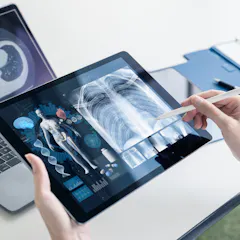
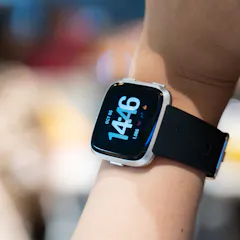
A type of computer chip that mimics both the skin and brain could pave the way for wearable devices that monitor and analyze health data using AI right on the body.
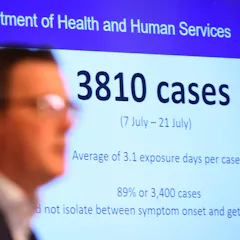
The brain can count small numbers or compare large ones. But it struggles to understand the value of a single large number. This fact may be influencing how people react to numbers about the pandemic.
Cellular phones track and reveal owners’ movements, generating useful data for pandemic tracking.
(Shutterstock)
In order to track the pandemic, the Public Health Agency of Canada has been using location data without explicit and informed consent. Transparency is key to building and maintaining trust.
The latest NHS data sharing scheme looked set to repeat past mistakes – but the latest postponement provides hope.
Digital health technology, such as electronic health records, is believed to enhance patient-centred care, improve integrated care and ensure financially sustainable health care.
(Shutterstock)
Digital health can improve care, but in Ontario, health data are still fragmented, despite billions of dollars spent over the last two decades to enable fast and secure exchange of health information.
Wearables already monitor our physical health – is it time for them to track our mental health too?
The growing use of artificial intelligence in health care should be driven by careful consideration of what is important to members of the public.
(Shutterstock)
The use of artificial intelligence in health care is on the rise, and the concerns of the public need to be considered in developing policy that regulates its application.
The COVID-19 pandemic has highlighted how much modern societies are governed by statistics. Despite their objective appearance, these numbers gain their strength from very human relationships.
Doctors can share your medical information, with your permission.
sturti/E+ via Getty Images
Data trusts are a key part of a health data infrastructure that manages user and patient information in a responsible, transparent and accountable manner.
A national health plan that uses data to assess individual risk and control disease outbreaks would have created less disruption than the current coronavirus pandemic response.
Health care workers use a nasal swab to test a person for COVID-19 in Pembroke Park, Florida.
Joe Raedle/Getty Images News via Getty Images
A recent report by the CDC estimated that the true number of COVID-19 cases in the US could be six to 24 times more than the number of confirmed cases. A public health scholar explains the implications.
Flowers sit on a bench in front of Orchard Villa care home in Pickering, Ont. on April 27, 2020.
THE CANADIAN PRESS/Frank Gunn
People living in long-term care facilities have been disproportionately affected by COVID-19 in Canada. A new report analyzing long-term care around the world assesses Canada’s pandemic performance.
Different countries report coronavirus data differently.
Shutterstock.com
It is only with comparable data that scientists can assess whether the measures they implement are effective in protecting citizens, and better prepare for future health crises.
Professor (adjunct) and Senior Fellow, Institute for Health Policy, Management and Evaluation, Dalla Lana School of Public Health, University of Toronto
Honorary Enterprise Professor, School of Population and Global Health, and Department of General Practice and Primary Care, The University of Melbourne