Breastfeeding is important for infant and maternal health. But without national data non breastfeeding rates, we have no idea whether things are improving or getting worse.
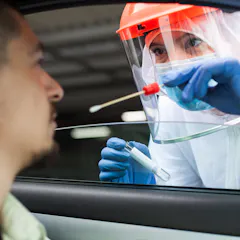
If you’ve interacted with the health system during the pandemic, your data is probably being used by researchers.
Cryptographer/Shutterstock
The COVID-19 pandemic presents potentially concerning trajectories for race relations. Many of these concerns might even originate within the medical profession.
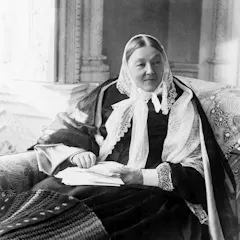
On the 200th anniversary of Florence Nightingale’s birth, we take a look at how her monumental efforts helped shape the way we model health care and disease outbreak data today.
As data breaches occur more frequently, could blockchain provide greater protection for our health data?
(Shutterstock)
Government privacy commissioners are investigating a data breach at one of Canada’s largest medical services companies, after hackers gained access to the personal information of 15 million customers.
Despite massive investments, Canada’s health-care system has not reaped the benefits of digital technology like banking and retail sectors have.
(Shutterstock)
The digitization of health care in Canada has been a bumpy ride — due to lack of focus on governance, and lack of emphasis on interoperability, transparency and accountability.
User agreements are often long, complex and inaccessible texts that don’t help users understand what exactly is being done with their information.
Shutterstock
As more data are collected, it’s important for the public to understand how their health information is being used. But user agreements are often complex, lengthy and written in inaccessible language.
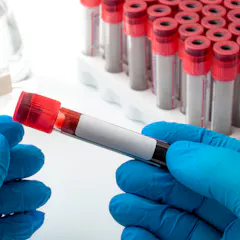
Health data can be collected with and without patient consent, and can produce significant research outcomes.
Shutterstock
Health-care providers are increasingly relying on large data sets to deliver services. However, Small Data approaches provide nuance and context, and in some instances can be more beneficial.
Doctors at a hospital in Kisumu, Kenya.
Shutterstock
The government has rejected a call to extend the My Health Record opt-out period while amendments are made to ensure the privacy and security of the system.
Finding ways to link health care data in a secure and confidential way.
PopTika/Shutterstock.com
In the age of ‘fake news’ it’s more important than ever to make sure that what’s being published is the truth – especially when it comes to reporting research and science.
A plan to fine hospitals for avoidable hospitalisations and pay GPs to prevent them has many issues. The main problem is that it’s impossible to measure the outcomes of health care in Australia.
Professor (adjunct) and Senior Fellow, Institute for Health Policy, Management and Evaluation, Dalla Lana School of Public Health, University of Toronto
Honorary Enterprise Professor, School of Population and Global Health, and Department of General Practice and Primary Care, The University of Melbourne