

A new study linking lower nurse staffing on surgical wards with higher rates of post-operative deaths has raised urgent new questions about NZ’s settings.
Articles on Health workforce
Displaying 1 - 20 of 103 articles

Lung cancer screening promises to find cancer early and treat it before it progresses. But a year on, issues have emerged.

Some new spending initiatives in health should add value, but the budget lacks a long-term vision for building cross-party consensus on improving healthcare.
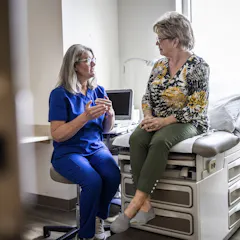
Specialist doctors have the highest incomes in the country and run the most profitable business. But patients often can’t afford their fees.

Australia has more nurses per person than many countries. Allowing nurses in general practice to use all their skills could help meet the growing demand for care.

After completing studies in prescribing, registered nurses will be able to prescribe a range of medicines – in collaboration with a doctor or nurse practitioner.
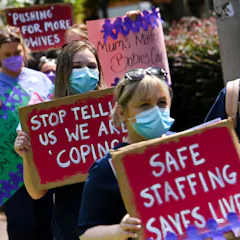
Australia is awash with policies, but not the kind that would fix the workforce crisis. Here’s what would work instead.

A modest increase in health funding is all that’s needed to save lives. That’s a big impact for the price of a fancy coffee.

Reassurance scans are marketed as a way to ‘give you peace of mind’ about your baby’s development. But often those doing the scans aren’t actually sonographers.

Doctor shortages affect rural communities the most, leading to a rise in chronic health conditions.

Here’s what the evidence says, and how they work overseas.

Some communities have too few GPs to ensure everyone can get the care they need, when they need it. Whoever wins the federal election should commit to fixing this.

New Zealand’s proportion of domestically-trained nurses has fallen to just over half, making it a global outlier. We urgently need a proper workforce strategy like Australia has now introduced.

The roles of health professionals such as nurses, physiotherapists and psychologists have been frozen for decades. A new review shows how this can change.

More Australians delay or skip dental care because of cost than their peers in most wealthy countries. Adding dental to Medicare wouldn’t be easy, but it would vastly improve Australians’ health.

The Australian College of Nursing wants to see school nurses weigh students and measure their hight. The plan has sparked anger among health professionals and parents. But what do the experts say?

Australia is recruiting more overseas-trained doctors to fill doctor shortages. But when a high-income country like Australia does this, we risk causing a ‘brain drain’ elsewhere.

We now have a sensible pathway to improve access to health care, using the skills of nurses, pharmacists and GPs appropriately.

A limited number of specialists are able to diagnose and treat ADHD, making it difficult to even start the process of getting diagnosed. Should GPs play a greater role?

Nurses make up more than 50% of the health workforce and have untapped and under-used skills that could ease the skills gap in our health system.
Top contributors
-

Honorary Enterprise Professor, School of Population and Global Health, and Department of General Practice and Primary Care, The University of Melbourne
-
Reader in Health Economics, Centre for Health Economics, University of York
-
Professor, Centre for Health Policy, Melbourne School of Population and Global Health, The University of Melbourne
-
Program Director, Health and Aged Care, Grattan Institute
-
Professor of Health Economics and Director, Centre for Health Economics, Monash Business School, Monash University
-
Founder of the Australian Health Care Reform Alliance & Emeritus Professor, UNSW
-
Director and Taylor Family Chair, Centre for the Business & Economics of Health, The University of Queensland
-
Professor and Director, Macquarie University Centre for the Health Economy, Macquarie University
-
Associate Professor of Accounting, University of Technology Sydney
-
Professor; Associate Dean - Learning & Teaching, University of Wollongong
-
Professor, Australian Institute of Health Innovation, Macquarie University
-
Emeritus Professor of Public Health, La Trobe University
-
Senior Lecturer law, ethics and sociology, Charles Sturt University
-
Principal Researcher, Research Matters; Research Officer, Monash University
-
Associate, Health Program, Grattan Institute