

From the blog ‘Mom’s Cancer’ to novellas about lupus to moving Instagram posts, comic artists are humanising illnesses.
Articles on Healthcare
Displaying 141 - 160 of 322 articles
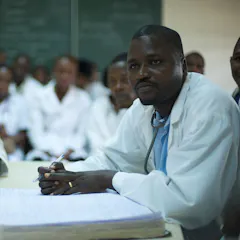
India, Nigeria, Pakistan and South Africa lose thousands of trained doctors each year, lured away to work in richer countries – at great cost to their nation’s healthcare systems.
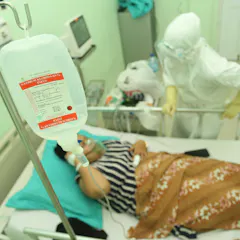
Our latest research recommends that Indonesia build a partnership with Australia to develop resilient and responsive healthcare supply chains using modern digital technologies.
South Africa is quite capable of delivering world-class healthcare to all its citizens. But this is constantly being hampered by an increasingly unconducive environment.

If universities produce graduates who can work effectively in a team, the healthcare system will be strengthened and this would improve the health outcomes for patients.

Failure to identify, understand and address the implications of unintended consequences inhibits the delivery of quality healthcare.

The new NHS data-sharing plan suffers from the same flaws that saw previous schemes scrapped.

The sustained lack of trust between migrants and health professionals is leading to dire consequences
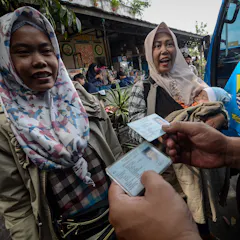
Poverty, vulnerability and discrimination are barriers many Indonesians face in acquiring identity documents.
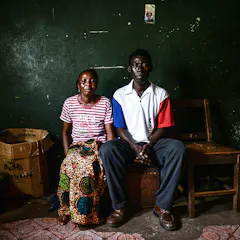
Ebola survivors use multiple avenues to address their health needs, which presents a management challenge.

Vested interests have lobbied against climate policy worldwide, but that’s only one reason for the slow political response. While most people want climate action, they rank other issues as more urgent.
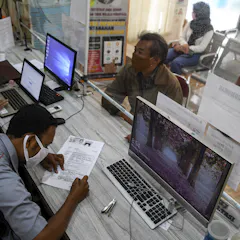
Indonesia’s system of identity document ownership is rife with systemic problems.
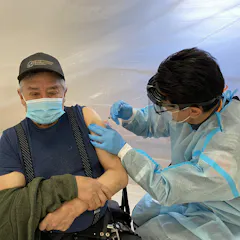
The media reporting on Indigenous vaccine hesitancy is as sensational as it is incorrect. Indigenous people, for the most part, are not more vaccine hesitant than non-Indigenous Canadians.

Creating a space where people feel safe to voice opinions, make mistakes and risk ridicule when offering an idea can have a significant effect on teams.

New laws due this summer will allow gay men who have had the same partner for three months or more to give blood

Talks have stalled again and again but a mini deal could be imminent.
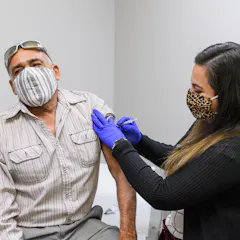
Millions of Latinos may not get the influenza shot this year, which could be an indicator of whether they will get a COVID-19 shot. A rural clinic shows how building trust can help overcome reluctance.

A Victorian government proposal to build a clinical information system for every Victorian, with no opt-out, has merits, but the many risks to privacy must be addressed.

Health education curriculums need to specifically prepare healthcare professionals to respond to a pandemic when it comes to aspects like infection control, aged care and mental health.

The COVID-19 pandemic has shined a spotlight on another US medical emergency: a serious shortage of nurses.
Top contributors
-

Research Scientist of Health Policy and Economics, University of Southern California
-
Director, PUSKAPA
-
Professor of Health Services Research, University of Aberdeen
-
Associate professor, University of the Western Cape
-
Professor of Finance and Economics, UNSW
-
Senior Researcher, Associate Professor: Economic Management Sciences, University of Pretoria
-
Professor of Health Policy, University of York
-
Professor of Cybersecurity, Head of School of Computer Science and Informatics, De Montfort University
-
Health economist, University of Sydney
-
Professor of Leadership and Management, Edge Hill University
-
Reader in Health Economics, Centre for Health Economics, University of York
-
Executive Dean, Bond Business School, Bond University
-
Professor, UNSW
-
Head of Research, PUSKAPA
-
Senior Lecturer in Health Care Law and Ethics, Barrister, Solicitor, Swansea University