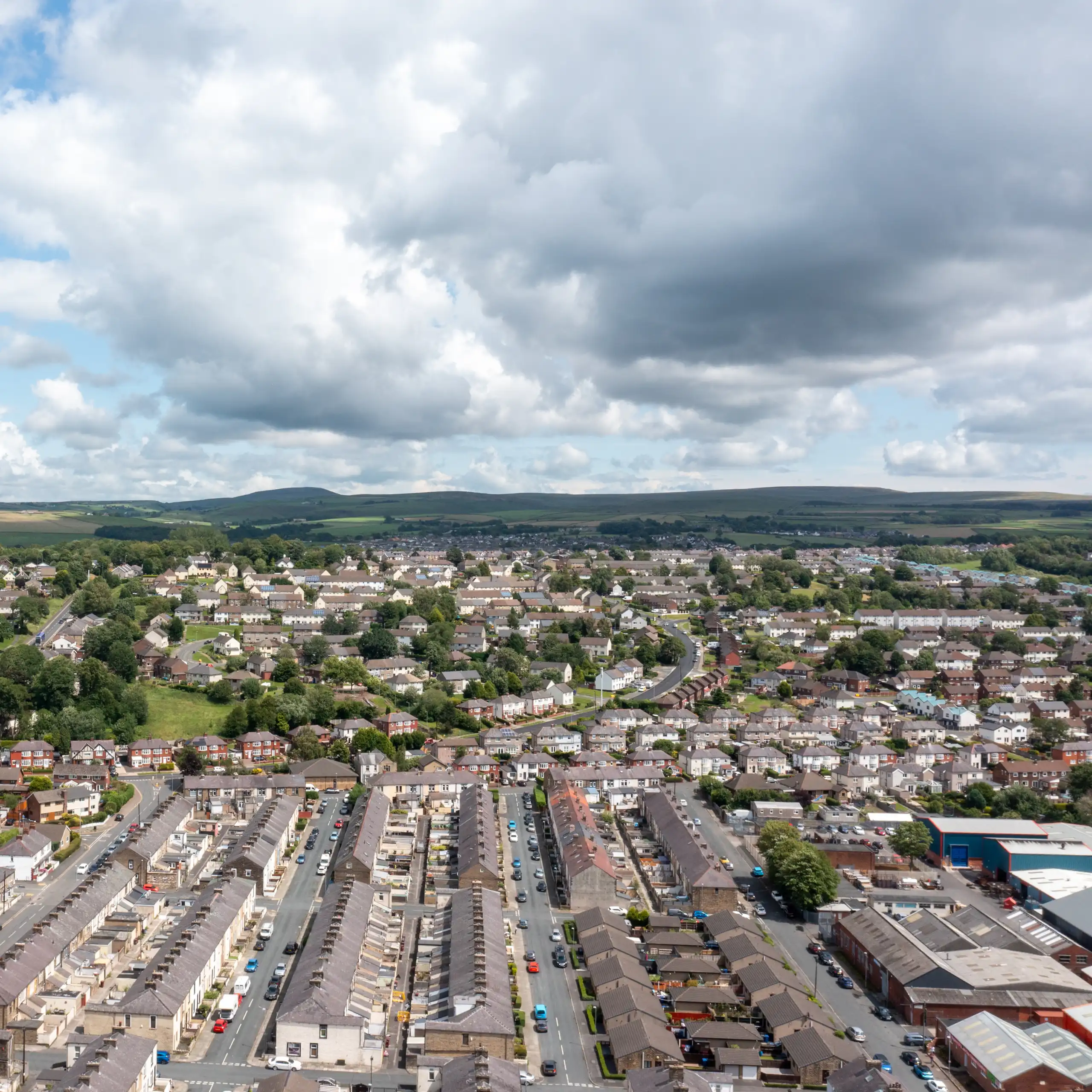
The UK autumn budget: why the chancellor’s options are limitedSteve Schifferes, City St George's, University of London
Jackdaw approval: what a new North Sea gasfield means for UK energy security, bills and taxKarl Matikonis, University College Dublin and Hafez Abdo, University of Nottingham
How buying weapons can harm a country’s economyTomasz Piotr Wisniewski, The Open University; Ayman Omar, University of Leicester, and Cristiana Bernardi, The Open University
More young people are being recruited as ‘money mules’ by organised crime groups, new analysis revealsNicholas Ryder, Cardiff University and Sam Mapston, University of the West of England
A crackdown on online shopping tricks is welcome, but doesn’t go far enoughNauman Wajid, Birmingham City University
Childhood adversity linked to billions in health and economic costs – new researchKat Ford, Bangor University; Liverpool John Moores University and Karen Hughes, Bangor University
The psychology that can lead investors to make bad financial decisionsDonald Amuah, University of South Wales
AI has made borrowing more expensive – an expert explains how bond markets are changingAlex Dryden, SOAS, University of London
Andy Burnham wants beer back in the stands – but football’s traditional fans have larger concernsSteve Greenfield, University of Westminster
Devolving real power could lead to regional growth – but Andy Burnham will need to be braveDavid Bailey, University of Birmingham; Felicia Fai, University of Bath, and Phil Tomlinson, University of Bath
Economics Nobel: how this year’s winners helped to smooth the cycle of economic peaks and troughsConor O'Kane, Bournemouth University
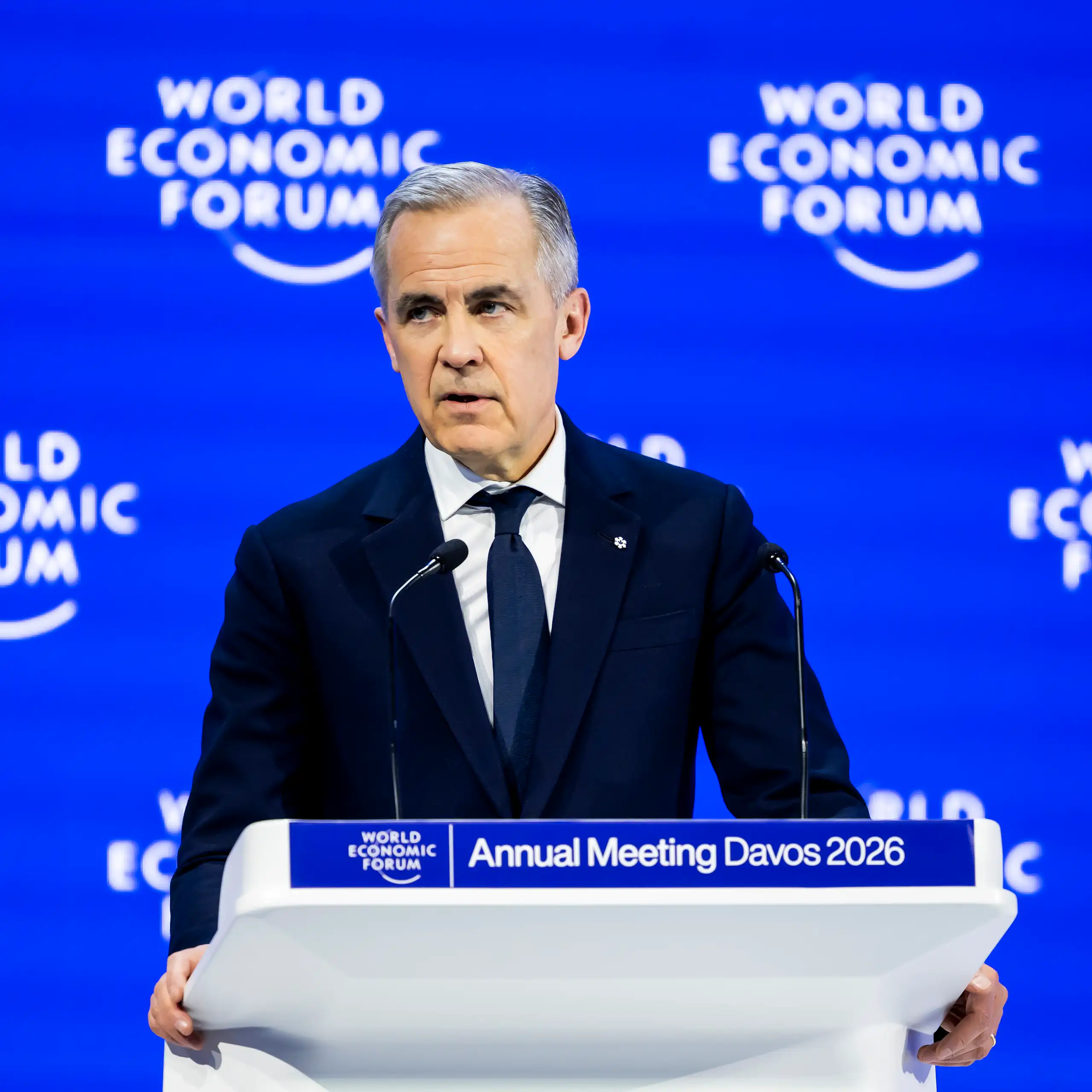
The lesson Canada’s prime minister learned from Brexit is helping in its trade rift with USWalaa-Eldeen Bakry, University of Westminster
Why the US economy stays strong even when its policies shock the rest of the worldAlan Shipman, The Open University
US defies forecasts of economic slowdown, but its growth isn’t making ordinary people better offAlan Shipman, The Open University
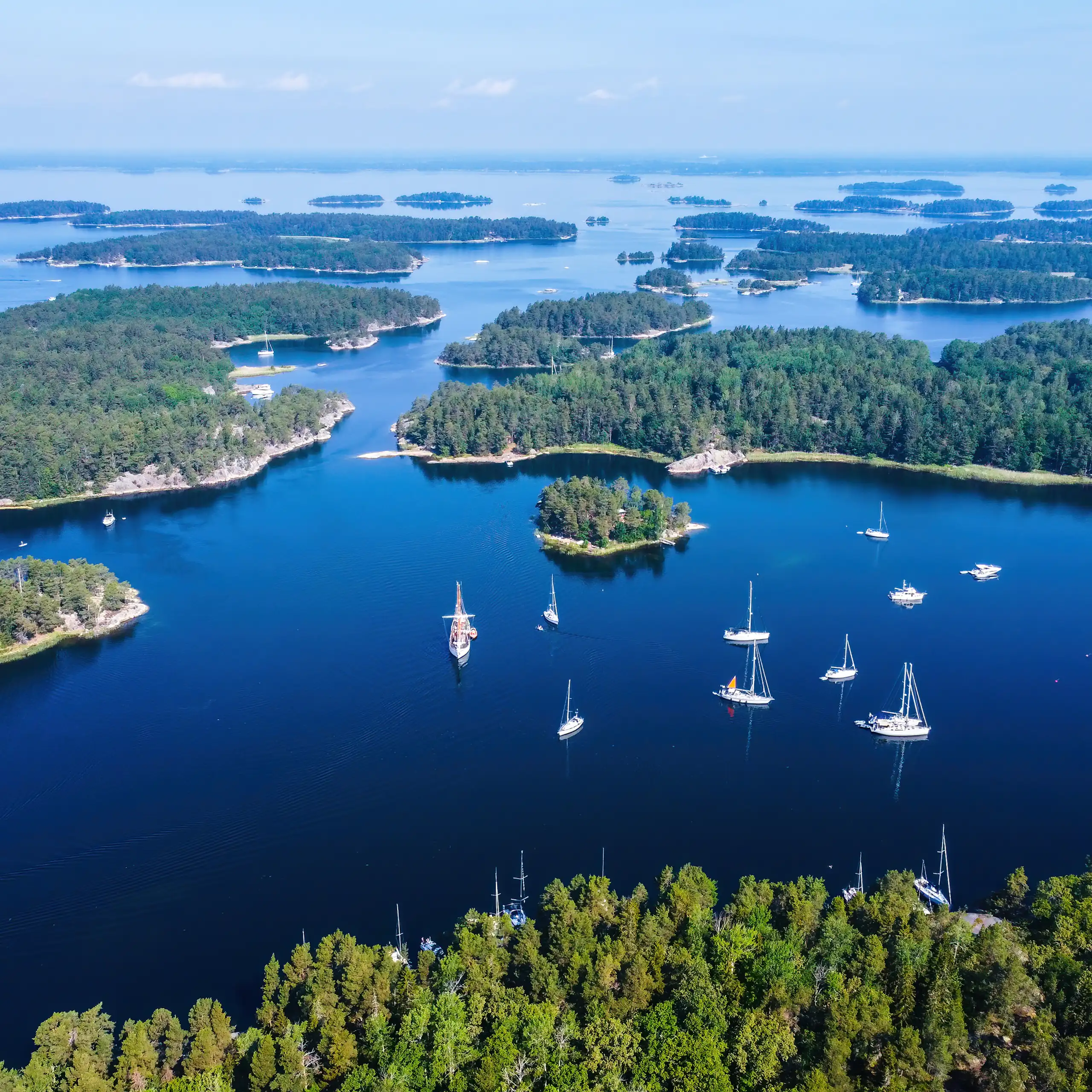
How ‘egalitarian’ Sweden became more comfortable with wealthHåkan Johansson, Lund University and Axel Vikström, Lund University
How cash-in-hand businesses can get stuck in the informal economyDanny Buckley, Loughborough University and Natalia Vershinina, Audencia
Victorians called burnout ‘overwork’ – and they cured it by holidaying in FranceSally Shuttleworth, University of Oxford
Thinking of joining a co-working space? Here are four ways to make the most of itZihan Wang, University of Sussex
Employers look for resilient staff – then leave them to burn outLaura Chamberlain, Warwick Business School, University of Warwick
The four-day week won’t happen overnight, but it could transform how we live and workRita Fontinha, University of Reading
When your workplace doesn’t match your ethical outlook – the problem of ‘moral injury’Ebru Işıklı, University College Dublin
Why the world needs the UN to keep an eye on AIYu Xiong, University of Surrey; Northumbria University, Newcastle
Is AI replacing the work of skilled radiologists? They give us their thoughtsYuxuan Wu, University of Birmingham
AI and work: an expert assesses how far this revolution still has to runVivek Soundararajan, University of Bath
Why AI shouldn’t be used even to decide ‘simple’ court casesRaisul Islam Sourav, University of Galway
Four reasons electric vehicle targets shouldn’t be weakenedJagannadha Pawan Tamvada, Kingston University and Mili Shrivastava, Bournemouth University
A new reuse symbol aims to be as recognisable as the recycling logo – and make more of a differenceCressida Bowyer, University of Portsmouth and Kate Whitman, University of Portsmouth
How banks affect the environment and the role your money plays in itStyliani Panetsidou, Coventry University and Angelos Synapis, Coventry University
Why the electric SUV boom is a problem for climate, health and equityKeyvan Hosseini, University of Southampton and Dawn-Marie Walker, University of Southampton
Coolcations: why people are heading away from the sun this summerMehri Khosravi, University of East London
Why some countries give away free electricity and even pay consumers to use itSalma Al Arefi, University of Leeds
Here’s what we know about the climate cost of white trails aircraft leave in the skyNicolas Bellouin, University of Reading
Europe’s dilemma – to use China’s turbines to meet its renewable targets or notChee Meng Tan, University of Nottingham
China is ready to drive leadership of a low-carbon world – by making the international rulesAlex Lo, York St John University
Why windfarms and electricity pylons have become a major issue in the Welsh electionMichael Woods, Aberystwyth University
More joy, less juggle? Why workplaces should get on board with the value of careCaroline Millar, Queen's University Belfast
When unpaid cooking, cleaning and child care get a dollar value, income inequality in the US shrinks – but the gap has grown since 1965Leila Gautham, University of Leeds and Nancy Folbre, UMass Amherst
Endometriosis: how a court ruling could make workplaces better for those with the conditionAishwarya Viswamitra, De Montfort University
Why women land top jobs in struggling organisations – they may just be better in a crisisRita Goyal, Coventry University and Nada Kakabadse, University of Reading
Denying compensation to ‘Waspi’ women over pension changes could be a missed opportunityJane Falkingham, University of Southampton; Athina Vlachantoni, University of Southampton, and Yifan Ge, University of Southampton
Ten years after the referendum, how Brexit could have been done differentlyRenaud Foucart, Lancaster University
Airlines are facing yet more turbulence – expert assesses what they need to get through itLoizos Heracleous, Warwick Business School, University of Warwick
Could global tensions finally see Sweden warming towards the euro?Fredrik NG Andersson, Lund University
Showing shoppers the ‘cost per wear’ of their clothing choices could make fashion greenerLisa Eckmann, University of Bath