Middle East conflict looks increasingly like a war nobody can winBamo Nouri, City St George's, University of London and Inderjeet Parmar, City St George's, University of London
Middle East conflict: how the US and Iran could step back from the brinkDavid J. Galbreath, University of Bath
Why the ceasefire in Lebanon is unlikely to change much on the groundTarek Abou Jaoude, Queen's University Belfast
Israel’s onslaught against Lebanon may strengthen Hezbollah – just when it’s at its weakestJohn Nagle, Queen's University Belfast
Iran’s AI memes are reaching people who don’t follow the news – and winning the propaganda warAdam R. North, University of Manchester
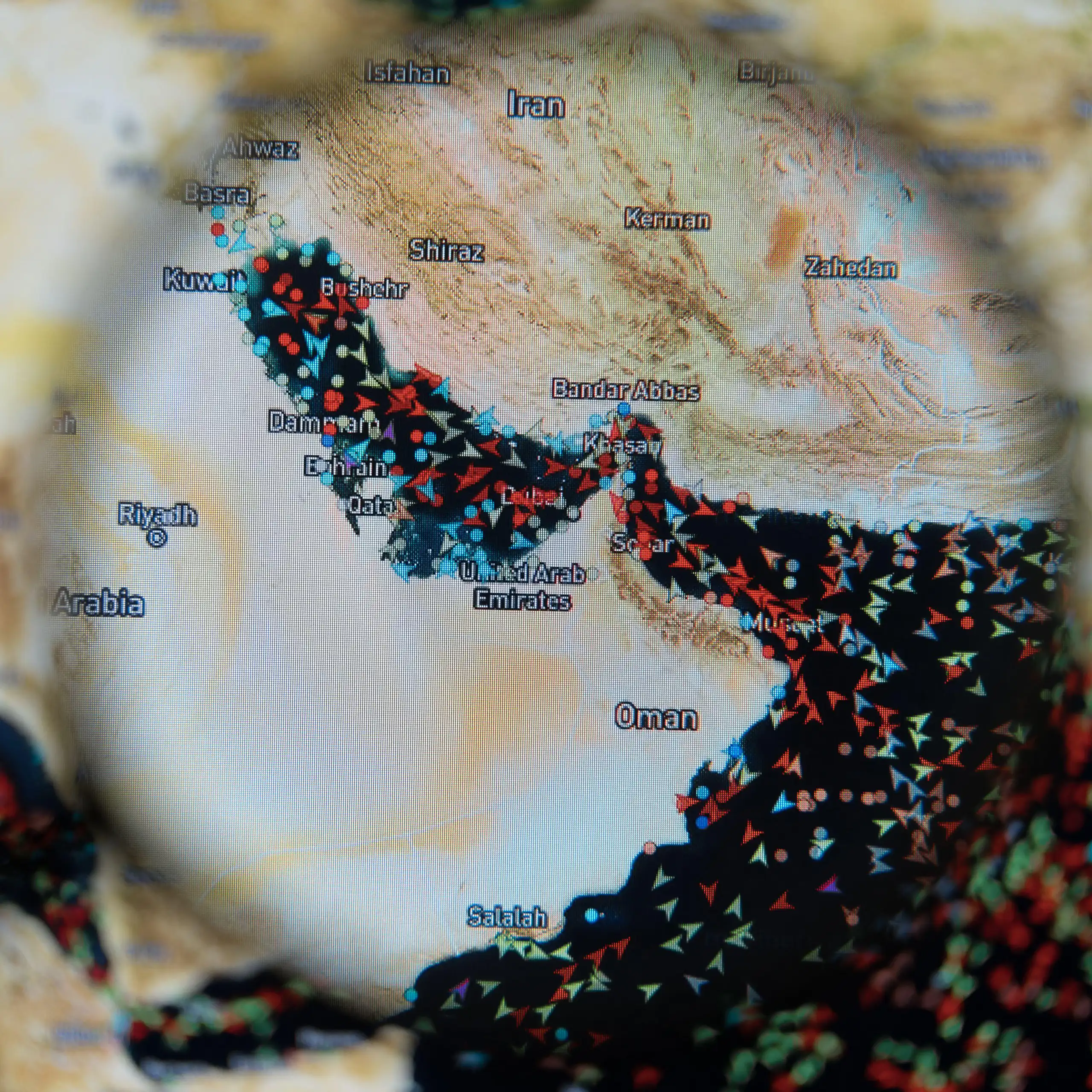
Strait of Hormuz: why even neutral and distant countries like Switzerland can’t escape the falloutNima Shokri, United Nations University; Technical University of Hamburg and Salome M. S. Shokri-Kuehni, United Nations University; Technical University of Hamburg
Why many of Hungary’s religious groups will be celebrating Viktor Orbán’s election lossMarc Roscoe Loustau, Central European University
Orbán’s downfall is a positive for EU-Hungary relations – but the reset will not be smoothMichael Toomey, University of Glasgow
Viktor Orbán’s election loss shows the limits of his propaganda machineAlexander Bor, Central European University
Hungarian election exposes tensions at the heart of Donald Trump’s plans to boost the far-right in EuropeStefan Wolff, University of Birmingham
‘I’m not a politician’: why the clash with Pope Leo could prove dangerous for Donald TrumpMassimo D'Angelo, Loughborough University
How US presidents shift controversial actions abroad to get around limits at homeAndrew Gawthorpe, Leiden University
US blockade of Strait of Hormuz ratchets up tensions with China ahead of Trump visit to BeijingTom Harper, University of East London
US naval blockade of Strait of Hormuz: what it involves and the risks attachedBasil Germond, Lancaster University
How Iran cryptocurrency demands explain a key role of money throughout historyMikael Fauvelle, Lund University
Will voters turn against Donald Trump in the US midterms? What we know so farRichard Hargy, Queen's University Belfast
Orbán’s downfall is a positive for EU-Hungary relations – but the reset will not be smoothMichael Toomey, University of Glasgow
Could Viktor Orbán be back in 2030? Why Péter Magyar has a fight on his hands after landslide winGerhard Schnyder, Loughborough University
Hungarian election exposes tensions at the heart of Donald Trump’s plans to boost the far-right in EuropeStefan Wolff, University of Birmingham
Viktor Orbán’s election loss shows the limits of his propaganda machineAlexander Bor, Central European University
I was in Georgia in the late 1980s: I observed how tradition survived harsh Sovietisation and rapid transformationKarina Vamling, Malmö University
Javier Milei’s inflation ‘miracle’ in Argentina is a warning to the world, not a blueprintCan Cinar, City St George's, University of London
Cubans living abroad now hold the key to their country’s uncertain futureAmalendu Misra, Lancaster University
How Iran cryptocurrency demands explain a key role of money throughout historyMikael Fauvelle, Lund University
Why the damage to Qatar’s gas infrastructure could push costs higher for years to comeAdi Imsirovic, University of Oxford
Iran and the Arabian Peninsula depend on desalination plants to survive – why water has become a targetSanam Mahoozi, City St George's, University of London
What’s behind Pakistan’s war with Afghanistan’s Taliban government?Michael Semple, Queen's University Belfast
Despite massive casualties in Ukraine, Russia is unlikely to run out of soldiers anytime soon – here’s whyCharlie Walker, University of Southampton and Bettina Renz, University of Nottingham
Russia’s relentless interference since start of Ukraine war has failed to break MoldovaStefan Wolff, University of Birmingham and Marina Gorbatiuc, Moldova State University
Why is Israel continuing to attack Lebanon, despite the ceasefire? Expert Q&AScott Lucas, University College Dublin
Middle East conflict: this ceasefire may have made Iran strongerBamo Nouri, City St George's, University of London and Inderjeet Parmar, City St George's, University of London
Iran ceasefire: trust will be vital but it’s in short supply right nowNicholas John Wheeler, University of Birmingham; BASIC
Pakistan, Turkey, Egypt and Saudi Arabia emerge as a new regional power bloc amid Iran warNatasha Lindstaedt, University of Essex
Iran has been threatening to close the Strait of Hormuz for years – it’s a key part of Tehran’s defence strategyArshin Adib-Moghaddam, SOAS, University of London
Trump and Netanyahu may have jointly started the war in Iran, but ending it together will be difficultJohn Strawson, University of East London
Iran war shows how AI speeds up military ‘kill chains’Craig Jones, Newcastle University and Helen M Kinsella, University of Minnesota
Why the next escalation in the Iran conflict could be between the US and TurkeyBen Seymour, Nottingham Trent University and Eszter Simon, Nottingham Trent University
How the words that Iran and America use about each other paved the way for conflictTrang Chu, University of Oxford and Tim Morris, University of Oxford
God on their side: how the US, Israel and Iran are all using religion to garner supportToby Matthiesen, University of Bristol
Donald Trump’s ‘new’ 15-point plan is the biggest sign yet that Washington fears it is losing this warBamo Nouri, City St George's, University of London and Inderjeet Parmar, City St George's, University of London
How active have Iran’s proxy groups been since the start of the war?Vincent Durac, University College Dublin
Iran war lacks strategy, goals, legitimacy and support – in the US and around the worldJason Reifler, University of Southampton
Iran was always going to close the Strait of HormuzJonathan Este, The ConversationEditor's newsletter
Trump says the Iran war will end ‘very soon’ – but it is not clear howAndrew Gawthorpe, Leiden University
Iran’s cultural heritage in the crossfire – expert explains what has been damaged and what could be lostKatayoun Shahandeh, SOAS, University of London
Dahiyeh: the Beirut suburb at the heart of an Israeli military doctrineJohn Nagle, Queen's University Belfast and Edouardo Wassim Aboultaif, Université Saint-Esprit de Kaslik (USEK)
The Middle East conflict has swiftly exposed economic vulnerability in the regionEmilie Rutledge, The Open University
These are shaky times for oil markets. An expert explains what a prolonged war will mean for pricesAdi Imsirovic, University of Oxford
Oil price escalation could help China grasp more green global leadershipChee Meng Tan, University of Nottingham
What international law says about the Israeli strikes on Iranian oil facilitiesSaeed Bagheri, University of Reading
How the Iran war could create a ‘fertiliser shock’ – an often ignored global risk to food prices and farmingNima Shokri, United Nations University; Technical University of Hamburg and Salome M. S. Shokri-Kuehni, United Nations University; Technical University of Hamburg
Iran and Ukraine are changing the EU and testing its unityRichard Whitman, University of Kent; Royal United Services Institute and Stefan Wolff, University of Birmingham
Ukraine war: after four surprising years, where does it go next? Experts give their viewStefan Wolff, University of Birmingham; Mark Webber, University of Birmingham; Scott Lucas, University College Dublin, and Tetyana Malyarenko, National University Odesa Law Academy
Ukraine: after four years of war, exhaustion on both sides is the main hope for peaceAlexander Titov, Queen's University Belfast
Trump’s plan for strikes on Iran carries major risks – and the US military knows itAndrew Gawthorpe, Leiden University
Trump has given Iran a ten-day ultimatum – but chances of an agreement look slimSanam Mahoozi, City St George's, University of London
Trump’s diplomatic blitz exposes a misunderstanding of peacemakingStefan Wolff, University of Birmingham
Epstein files: who decides what information is released to the public?Matthew Mokhefi-Ashton, Nottingham Trent University
Ukraine: if elections are held this spring, who might be the next president?Jennifer Mathers, Aberystwyth University
Signs that Trump’s economic policies are alienating his rural Maga baseInderjeet Parmar, City St George's, University of London
In his Munich speech, Marco Rubio balanced loyalty to Trump with reassurances to EuropeNatasha Lindstaedt, University of Essex
The US is starving Cuba of fuel – here’s what a deal between them could look likeNicolas Forsans, University of Essex
How reproductive violence is being used in conflicts to deny people’s futureAldo Zammit Borda, City St George's, University of London
Trump-style unpredictability isn’t just political theatre – it’s a regulatory problem for your brainRobin Bailey, University of Cambridge
ICE at the Winter Olympics and the reshaping of intelligence and security in EuropeRobert Dover, University of Hull
Inside the challenges faced by journalists covering Iran’s protestsSanam Mahoozi, City St George's, University of London
The Aztec empire’s collapse shows why ruling through coercion and force failsJay Silverstein, Nottingham Trent University
Mexico and US look for new deal in long-running battle over 80-year old water treatyNatasha Lindstaedt, University of Essex
Trump-style unpredictability isn’t just political theatre – it’s a regulatory problem for your brainRobin Bailey, University of Cambridge
Why it would be a big mistake for the US to go to war with IranBamo Nouri, City St George's, University of London
Why the shooting of Alex Pretti in Minneapolis is so significant – expert Q&AMark Shanahan, University of Surrey
Shooting of Alex Pretti in Minneapolis has put America’s gun lobby at odds with the White HouseAndrew Gawthorpe, Leiden University
Americans have fought back against authoritarianism at home beforeGeorge Lewis, University of Leicester
Iran protests are not just about economics – they’re a full-blown ideological crisisMahsa Ghaffari, University of Portsmouth
Iran’s biggest centres of protest are also experiencing extreme pollution and water shortagesNima Shokri, United Nations University; Technical University of Hamburg
US abandons Syria’s Kurds, risking regional turmoil and an IS resurgenceKamran Matin, University of Sussex
The India-UK trade deal is a prime opportunity to protect some of the world’s most vulnerable workersPankhuri Agarwal, University of Bath; King's College London
Russian knowledge of Soviet-era energy systems has helped it to target Ukraine’s heating and homesPauline Sophie Heinrichs, King's College London
Trump 2.0: overhaul of counter-terrorism policy massively expands US list of bad guysBrian J. Phillips, University of Essex
Iran’s biggest centres of protest are also experiencing extreme pollution and water shortagesNima Shokri, United Nations University; Technical University of Hamburg
Donald Trump’s ‘board of peace’ looks like a privatised UN with one shareholder: the US presidentStefan Wolff, University of Birmingham
Trump’s second term is proving different from his first. This time it’s imperialMatthew Mokhefi-Ashton, Nottingham Trent University
After a year of Trump, who are the winners and losers from US tariffs?Prachi Agarwal, ODI Global; Jodie Keane, ODI Global, and Maximiliano Mendez-Parra, University of Sussex
Iran protests 2026: our surveys show Iranians agree more on regime change than what might come nextAmmar Maleki, Tilburg University and Pooyan Tamimi Arab, Utrecht University
The use of military force in Iran could backfire for WashingtonBamo Nouri, City St George's, University of London
Iran protests have put the country’s political system on trialArash Beidollahkhani, University of Manchester
Iran: how the Islamic Republic uses internet shutdowns as a tool of repressionKonstantinos Mersinas, Royal Holloway, University of London and Francesco Ferazza, Royal Holloway, University of London
Russia’s full-scale invasion of Ukraine outlasts the Soviet fight with the Nazis – here’s what history tells us about Kyiv’s prospectsStefan Wolff, University of Birmingham
Venezuelans are reacting to Maduro’s capture with anger, fear, hope and joyMatt Wilde, University of Leicester and Harry Rodgers, University of Leicester
What Trump’s Venezuela intervention means for US domestic politicsRichard Hargy, Queen's University Belfast
Ukraine: Zelensky upbeat on US deal – but Davos showed the US president to be an unreliable allyStefan Wolff, University of Birmingham
US foreign policy has taken a radical turn in Trump’s first year back in officeDavid Hastings Dunn, University of Birmingham
US action against Greenland would undermine Nato, but now is not the time to panicDavid Hastings Dunn, University of Birmingham; Mark Webber, University of Birmingham, and Stefan Wolff, University of Birmingham
One venue, two speeches – how Mark Carney left Donald Trump in the dust in DavosMark Shanahan, University of Surrey
As US and Denmark fight, Greenland’s voices are being excluded once againAnna Katila, City St George's, University of London
Whether or not US acquires Greenland, the island will be at the centre of a massive military build-up in the ArcticCaroline Kennedy-Pipe, Loughborough University
As the Arctic warms up, the race to control the region is growing ever hotterKlaus Dodds, Middlesex University
What Cubans want – and what they are bracing for, following Trump’s threatsAnna Grimaldi, University of Leeds and Eleonora Natale, King's College London
Why a new ‘iron curtain’ is being built across Europe. This time it’s to keep Russia outNatasha Lindstaedt, University of Essex
Russia’s decision to pull out of nuclear treaty makes the world more dangerousMatthew Powell, University of Portsmouth
How the Trump administration changed the rules of international diplomacy – by a former British ambassadorNicholas Westcott, SOAS, University of London
Fear built the nuclear bomb – only trust can ensure it is never used againNicholas John Wheeler, University of Birmingham
US backs Nato’s latest pledge of support for Ukraine, but in reality seems to have abandoned its European partnersStefan Wolff, University of Birmingham
Why Benjamin Netanyahu needs the Iran conflict to continueLeonie Fleischmann, City St George's, University of London
Nato has survived some serious rifts but the Iran war shows how the US has soured on the transatlantic allianceDavid J. Galbreath, University of Bath
Donald Trump says the US doesn’t get much out of Nato membership – but is that true?Andrew Gawthorpe, Leiden University
Israel’s campaign against Hezbollah is raising sectarian tensions in LebanonTarek Abou Jaoude, Queen's University Belfast
Iran conflict: air campaigns rarely work as intended – they often make matters worseMatthew Powell, University of Portsmouth
Middle East conflict shows the real meaning of Trump’s ‘America first’ foreign policyBamo Nouri, City St George's, University of London and Inderjeet Parmar, City St George's, University of London
Ali Khamenei’s killing continues long US tradition of letting others pull the triggerLuca Trenta, Swansea University and Arturo Jimenez-Bacardi, University of South Florida
As Netanyahu meets Trump in Washington, what hope for peace in Gaza? Expert Q&AJonathan Este, The Conversation
Chaotic new aid system means getting food in Gaza has become a matter of life – and often deathLeonie Fleischmann, City St George's, University of London
Lethal humanitarianism: why violence at Gaza aid centres should not come as a surpriseIrit Katz, University of Cambridge
The US and Israel’s attack may have left Iran strongerBamo Nouri, City St George's, University of London
US attack on Iran lacks legal justification and could lead to more nuclear proliferationDavid Hastings Dunn, University of Birmingham and Nicholas John Wheeler, University of Birmingham
I watched a simulated oil spill in the Indian Ocean – here’s how island and coastal countries worked together to avoid disasterKate Sullivan de Estrada, University of Oxford
Decoding hints that Xi Jinping may be under pressure to relinquish some of his powerChee Meng Tan, University of Nottingham
Israel is exploiting the vacuum left by southern Syria’s sectarian clashes and a weak stateRob Geist Pinfold, King's College London
Japan and South Korea can show governments how to compete with China and USRobyn Klingler-Vidra, King's College London
Trump has shown he will backtrack on tariffs. What does that say about how to wage a trade war?Antonio Navas, University of Sheffield
Trump’s obsession with trade deficits has no basis in economics. And it’s a bad reason for tariffsNigel Driffield, Warwick Business School, University of Warwick
China-US trade war: the next 90 days are a big deal for Beijing as it seeks long-term solutionsChee Meng Tan, University of Nottingham
As Sri Lanka’s economy pivots from tourism, it’s well placed to benefit from global trade and geopolitical jostling – new researchHemamali Tennakoon, Brunel University of London
40 years on from the disaster, why there are foxes, bears and bison again around ChernobylNick Dunn, Lancaster University