Diagnostic uncertainty: why losing a diagnosis can be as difficult as receiving oneEsca van Blarikom, King's College London
Scientists aim to give lung cells a memory of how to fight virusesSalim Khakoo, University of Southampton
Napoleon can be partly blamed for Gen Z’s weightlifting obsession – here’s whyClaire Warden, Loughborough University and Conor Heffernan, Ulster University
GLP-1 weight-loss drugs change how people eat, but nausea needs closer studyBeverley O'Hara, Leeds Beckett University; Clarissa Dakin, University of Leeds, and Jordan Beaumont, Sheffield Hallam University
COVID inquiry: four ways to improve support for people with intellectual disabilitiesRichard Hastings, University of Birmingham and Chris Hatton, Manchester Metropolitan University
Greener maternity care starts with changing hospitals, without putting pressure on pregnant womenAlice Craggs, London South Bank University
Hot days linked to fewer births, two new studies findRaya Muttarak, Bocconi University; Federica Querin, Università di Bologna, and Sophia Noel, Sciences Po
Childhood adversity linked to billions in health and economic costs – new researchKat Ford, Bangor University; Liverpool John Moores University and Karen Hughes, Bangor University
Can AI screen for heart disease using photos of your tongue and face?David C. Gaze, University of Westminster
What medical students learn from talking to care home residentsHelen Rainford, University of Lancashire
Four ways to help your body adjust to the autumn time changeRonan Lordan, RCSI University of Medicine and Health Sciences
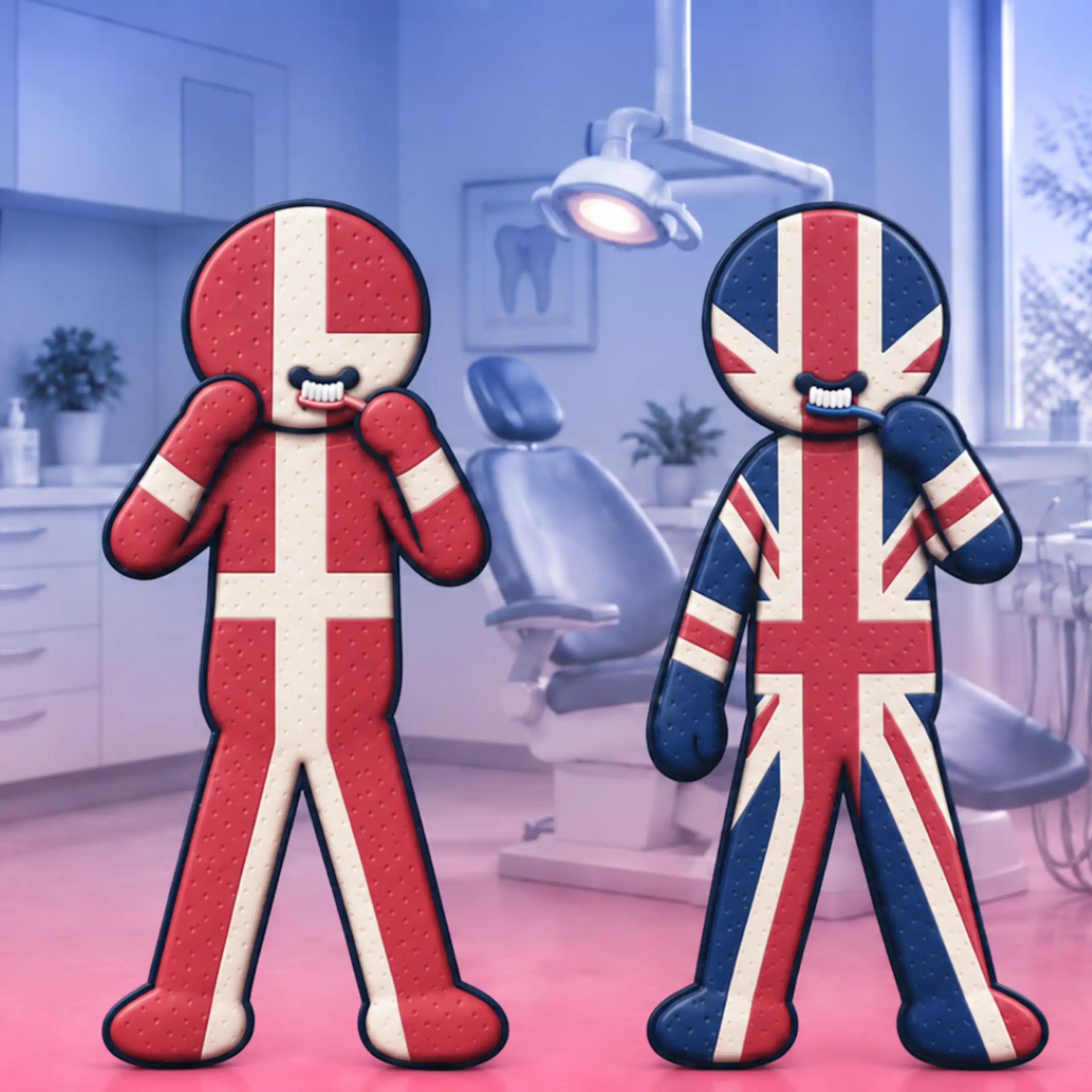
The UK and Denmark: a dentist assesses the state of the nations’ teethVikram Niranjan, University of Limerick
What Denmark and Britain have in common: football, beer and bettingCalum Smith, University of Oxford and Carolin Kilian, University of Southern Denmark
How do Denmark and the UK compare when it comes to alcohol and drinking habits?Peter Jepsen, Aarhus University
Has your fitness hit a plateau? An expert explains how to track progress and when to change your training planPaul Hough, University of Westminster
The ‘activity trap’: fear of losing benefits is stopping some disabled people from exercisingToni Williams, Durham University
Doing a short cardio session after weight training probably won’t boost your gains – here’s whyLiam T. Pearson-Noseworthy, Northumbria University, Newcastle
Is adding cottage cheese to everything from brownies to flatbreads really the best way to 'proteinmaxx’ – and do you even need to?Katie Edwards, The Conversation and Dan Baumgardt, University of Bristol
The gut-muscle link: why fermented foods could boost muscle healthDominic Farsi, Teagasc; King's College London; Queen's University Belfast
How to meal prep safely: a microbiologist’s step-by-step guidePrimrose Freestone, University of Leicester
Magnesium supplements: what you need to know about each different typeDipa Kamdar, Kingston University
Iron overload: how tea, coffee, red meat and alcohol can affect absorptionAlexandra Cremona, University of Limerick
Celebrity Traitors: neuroscientist on whether you can really make someone yawn by faking itStephen Jackson, University of Nottingham
Vaccines have been so successful that some people have forgotten why we need themDan Stratton, The Open University
First case of teeth growing out of an eye socket – what you need to know about ‘ectopic teeth’Saroash Shahid, Queen Mary University of London
Cottage cheese, sunscreen and pimple popping: Strange Health is back for season twoKatie Edwards, The Conversation and Dan Baumgardt, University of Bristol
Cannabis is getting stronger, but doubling THC dose doesn’t get you twice as ‘high’ – new studyIsabella Goodwin, Australian Catholic University and Amir Englund, King's College London
Cannabis doesn’t make you violent – despite what recent reports have claimedSimon C Moore, Cardiff University
A drug can make children with the most common form of dwarfism taller – but height isn’t the same as a better lifeErin Pritchard, Liverpool Hope University and Samantha Lilly, Deakin University
HIV treatment has transformed lives in the UK, but stigma lingersHannah Revill, Nottingham Trent University
The physical activity paradox: not all forms of exercise lower your dementia risk – this type raises itEef Hogervorst, Loughborough University
One in four adults has metabolic syndrome – and it may be ageing their brainsAbigail Dove, Karolinska Institutet
New Alzheimer’s drugs offer hope for some, but good dementia care protects the humanity of those they cannot helpKate Irving, Dublin City University
A healthy diet may still make a difference for people at higher risk of dementiaAnja Mrhar, Karolinska Institutet and Adrián Carballo Casla, Karolinska Institutet
Can NAD+ supplements help us age more healthily? Here’s what the science showsJustin Roberts, Anglia Ruskin University
The circumstances you grow up in are linked to how long you livePhilip Broadbent, University of Glasgow
Eat well to age better at a biological level – new researchRachel Ann Da Costa, Karolinska Institutet and Adrián Carballo Casla, Karolinska Institutet
A common stomach infection may be linked to bowel cancer – here’s what we knowJustin Stebbing, Anglia Ruskin University
Cabin crew at greater risk of radiation-based cancer than nuclear technologists, new study suggestsJustin Stebbing, Anglia Ruskin University
Babies born under sugar rationing grew into adults with lower cancer riskWeilong Zhang, University of Cambridge
Jeremy Clarkson says men have lost the right to prostate cancer testing – the truth is a bit more nuanced than thatJustin Stebbing, Anglia Ruskin University