Unlocking the secrets of the ‘Dragon Man’ skull – and what it reveals about human evolutionChris Stringer, UCL; Natural History Museum
How autumn changes animal sexual behaviour – including that of humansLouise Gentle, Nottingham Trent University
Why Meta’s new virtual reality glasses could finally take this technology primetimeKarl Hodge, Leeds Beckett University
The psychology that can lead investors to make bad financial decisionsDonald Amuah, University of South Wales
A critical flaw affecting 70% of all websites has the cybersecurity world panickedAndrew Cullen, The University of Melbourne
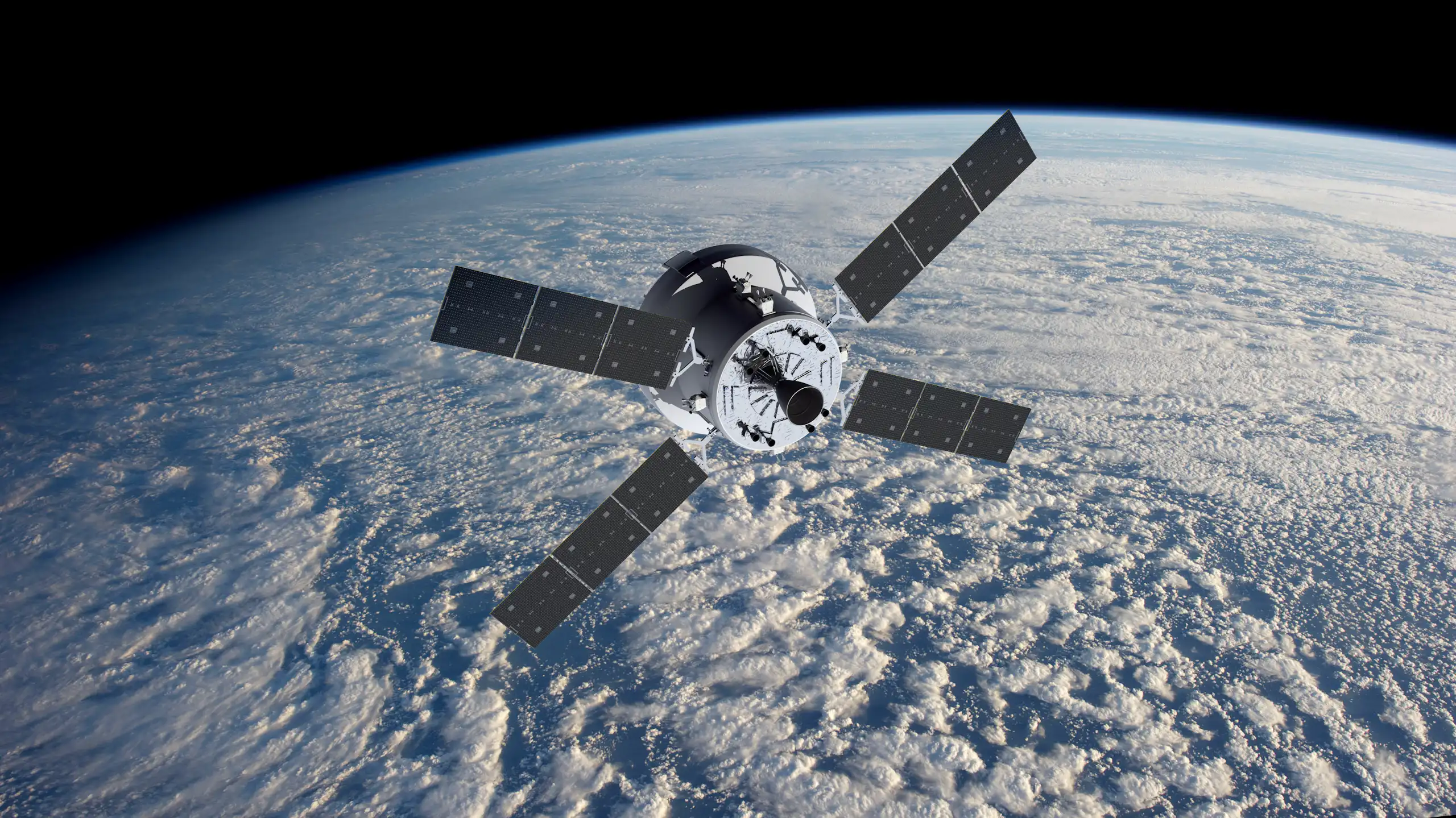
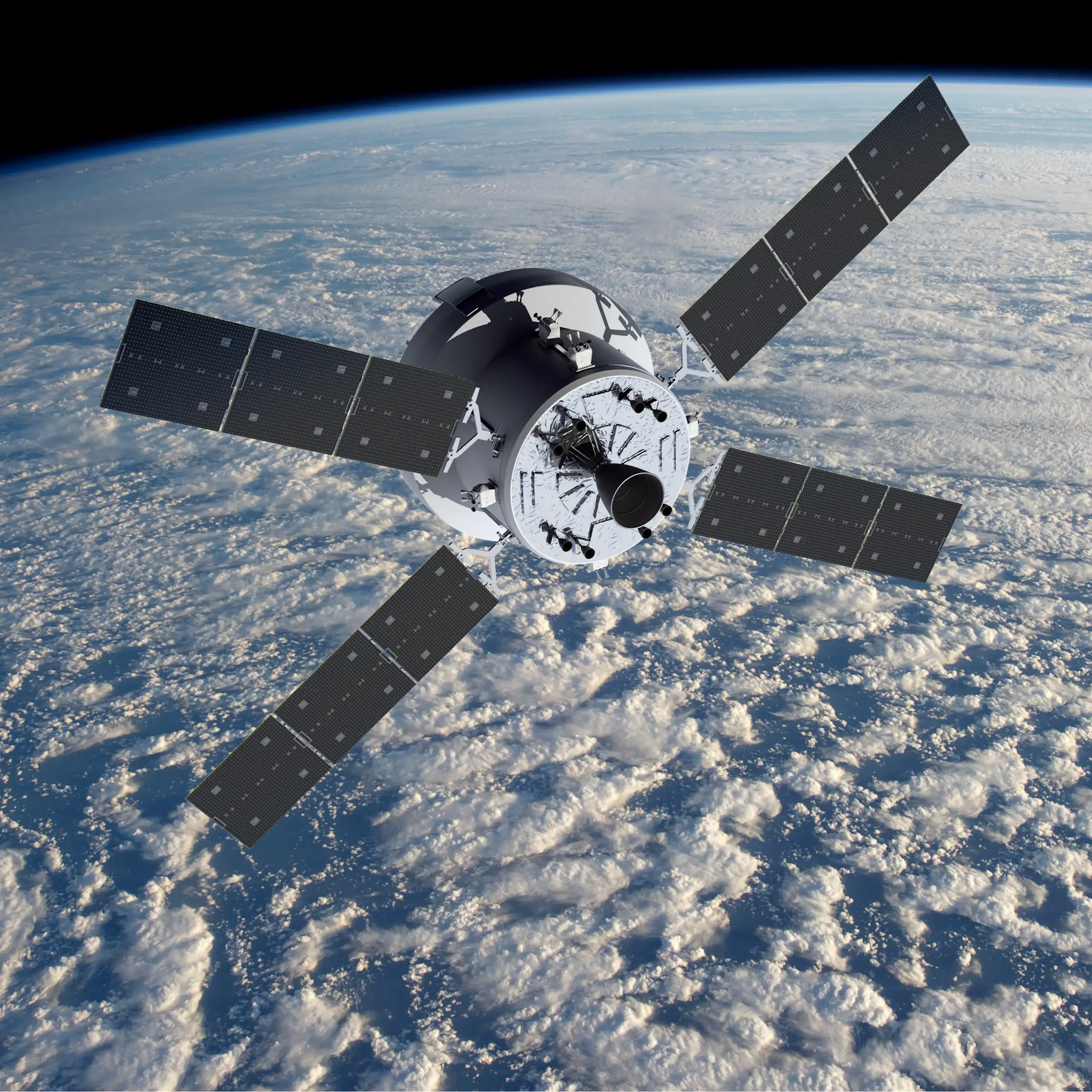
What does a Starshield slowdown really mean for Ukraine’s war with Russia?Steve Uhlig, Queen Mary University of London
Digital natives are buying electric cars as if they were smartphonesSvetoslav Georgiev, Xi'an Jiaotong-Liverpool University
Celebrity Traitors: neuroscientist on whether you can really make someone yawn by faking itStephen Jackson, University of Nottingham
New long-clawed British dinosaur is the first of its kind in EuropeCharlie Scherer, UCL and Cassius Morrison, UCL
Horror films exploit how human vision works to deliver movies’ best scaresArryn Robbins, University of Richmond
Women who changed science missing from GCSE and A-level courses – new studyStephanie Buttigieg, University of Cambridge; Gregory Cooke, University of Cambridge, and Skyla White, University of Bern
Scientists are growing human brain tissue in living mice – could this make their welfare harder to assess?Mackenzie Graham, University of Oxford
Japan’s MMX mission aims to swipe soil samples from Mars’ moon PhobosDaniel Brown, Nottingham Trent University
Experts have voted to stop adding extra seconds to clock time – the outcome favours big techMichelle Bastian, University of Edinburgh
Why calling for a ‘kill switch’ is the wrong way to think about reining in AITrent Wintermeier, The University of Texas at Austin
What happens in your brain when you can’t stop laughing?Sophie Scott, UCL and Fausto Caruana, University of Parma
How did Mars get its moons? Japan’s MMX space mission aims to solve the puzzleLana Williams, Lancaster University
Animal life may be far older than its most ancient fossils – here’s how we uncovered its hidden historyRoss Anderson, University of Oxford and Orin Lole Durbin, Virginia Tech
Women are more emotionally intelligent than men, and that’s a problem – landmark studyMary M. Hausfeld, University of Limerick and Jochen Menges, University of Zurich
Early humans in America endured climate chaos – new researchMatthew Robert Bennett, Bournemouth University; University of Reading and Sally Christine Reynolds, Bournemouth University
NASA’s Mars orbiter fleet is getting old – here’s how that could affect future explorationMargaret Landis, Arizona State University
Cities are sinking – but citywide averages hide the real problemEmma Colven, King's College London and Zahratu Shabrina, King's College London
An overlooked sci-fi movie shows how disruption by AI could be positive for societyKevin Hunt, Nottingham Trent University
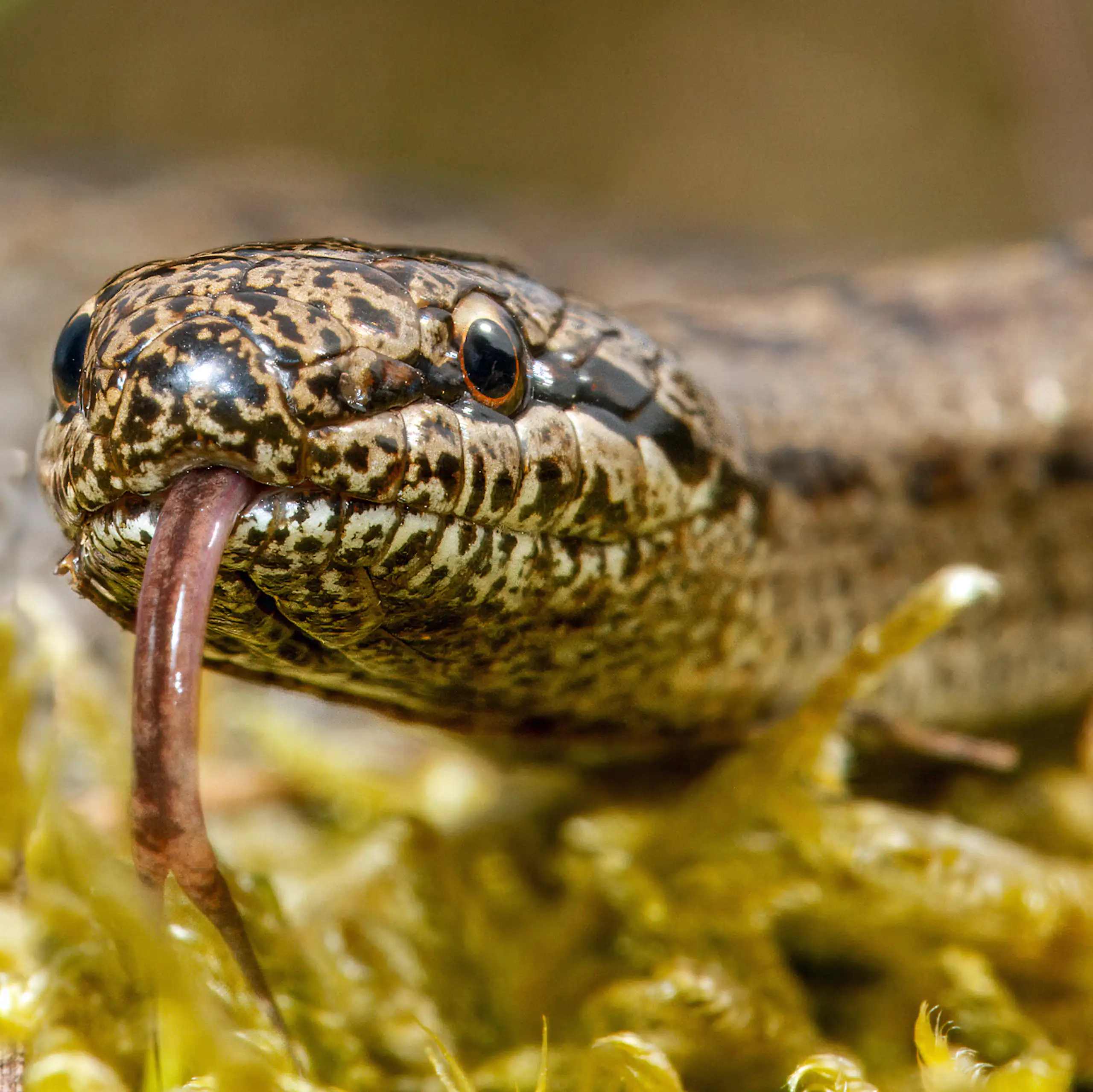
Unusual senses: the secret superpowers of amphibians and reptilesSteven Allain, Anglia Ruskin University
A biologist queries whether AI ‘borrowed’ his work to make major discovery – an expert explains the rulesRobson Tramontina, University of Manchester
AI companies could learn safety lessons from the history of nuclear weaponsStephanie Decker, University of Birmingham
Nobel prize in chemistry awarded for work on mirror-image moleculesMatthew Addicoat, Nottingham Trent University
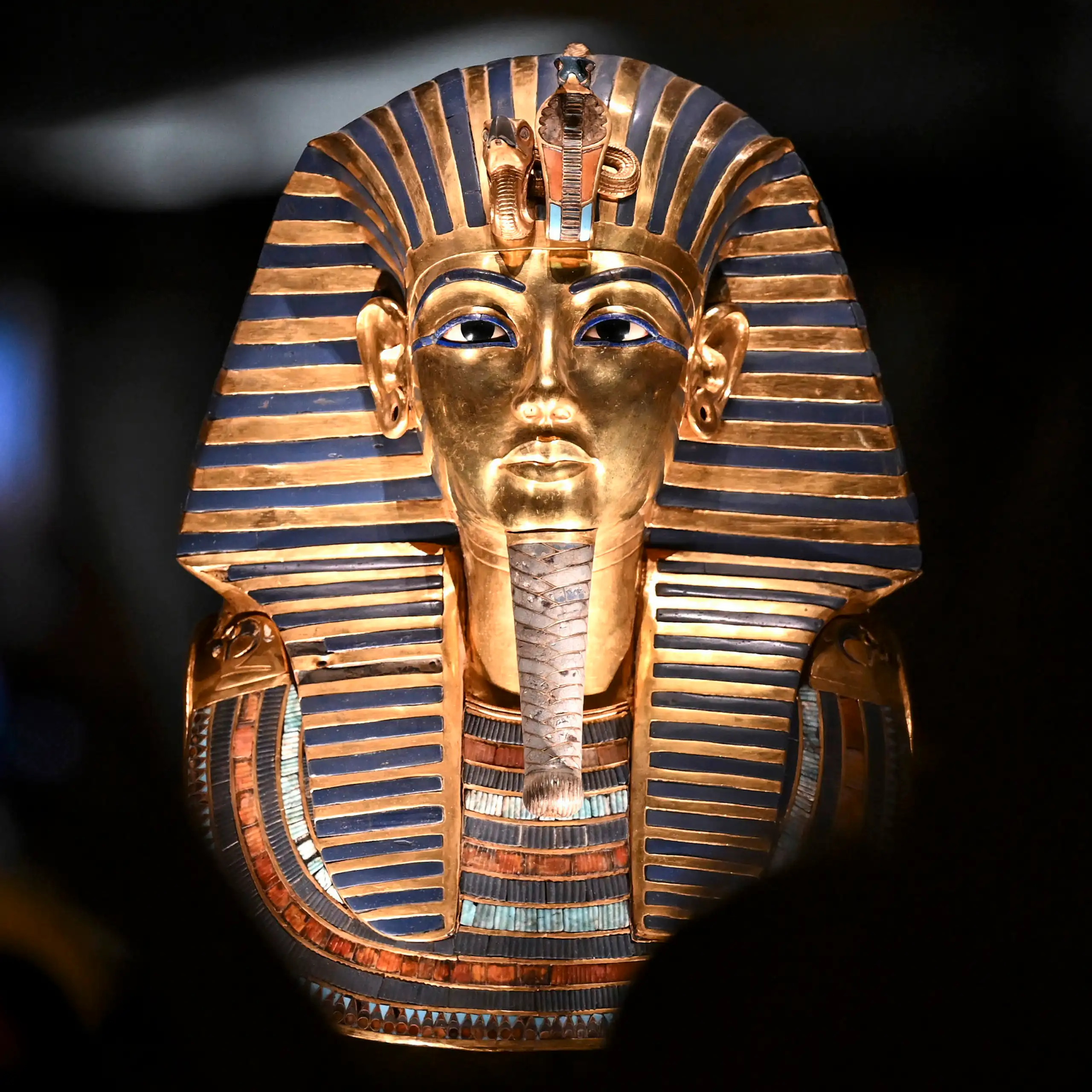
Secret chambers in Tutankhamun’s tomb could hold the burial of a lost Egyptian queen – we may get answers soonJay Silverstein, Nottingham Trent University
What space travel teaches us about sleep and circadian rhythmsRonan Lordan, RCSI University of Medicine and Health Sciences
The ick: the psychology of why a romantic partner can suddenly repulse youRachael Leggett, Coventry University
Nobel physics prize awarded for discovery of ‘ghostly messengers’ from the cosmosNoelia Noël, University of Surrey
How deep do AI relationships really go? An expert in attachment theory explainsPascal Vrticka, University of Essex
Honey bee hives have ‘living immune systems’ which defend against diseaseKenya Fernandes, University of Sydney
As AI takes on more tasks, what happens when people have to jump in to clean up after it?Murugan Anandarajan, Drexel University
Eight ways to feed ourselves if rogue AI destroys modern agricultureJoshua M. Pearce, Western University
It’s true, Australia won’t ban ‘sock puppet’ accounts on social media. Here’s whyDaniel Angus, Queensland University of Technology and Timothy Graham, Queensland University of Technology
The Traitors: the psychology works differently for celebrity players like Rob Beckett and Romesh RanganathanPaddy Ross, Durham University
Almost everyone naturally turns left when walking – and we still have no idea whyIñaki Echeverría Huarte, Universidad de Navarra; Ángel Garcimartín Montero, Universidad de Navarra, and Iker Zuriguel Ballaz, Universidad de Navarra
When prepping for disaster, don’t forget to pack your teddy bearRuth Ogden, Liverpool John Moores University; Anna Powell, Liverpool John Moores University, and Patricia Kingori, University of Oxford
Neuroscience offers new insights into how our brain solves ‘the cocktail party problem’Sara Carta, Trinity College Dublin and Giovanni Di Liberto, Trinity College Dublin
The real reasons you procrastinate – and how to stop, according to scienceItamar Shatz, University of Cambridge
The psychology of overconfidence: why excessive self-belief is often a successful strategy in lifeChris Dawson, University of Bath and David de Meza, London School of Economics and Political Science
Science uncovers how the brain interprets artistic beautyDeniz Vatansever, Fudan University; University of Cambridge; Emmanuel A Stamatakis, University of Cambridge, and Xinyu Liang, University of Cambridge; Fudan University
From equations to Instagram feeds: how ‘algorithm’ changed its meaningTom Oliver, University of Westminster
AI is creating jobs as well as erasing them – but how rewarding are they?Akhil Bhardwaj, University of Bath
Social media hasn’t killed personal style, it’s killed how we communicate itCatherine Greenwood, University of Lancashire
How Facebook’s News Feed introduced the age of the algorithm 20 years agoAsher Kessler, University of Manchester
Can baby monitors protect children without data security risks?Erika Sanchez-Velazquez, Anglia Ruskin University
Why do some chimpanzee mothers carry their dead infants for months?Thomas A. Püschel, University of Oxford and Reece Hammond, University of Oxford
Chihuahua dogs are part coyote – this might help explain their ‘small but mighty’ reputationJacqueline Boyd, Nottingham Trent University
Wildlife populations have declined 73% since 1970 – but many of the world’s animals still aren’t being countedHannah Sarah Wauchope, University of Edinburgh; Gary David Powney, UK Centre for Ecology & Hydrology, and Nick Isaac, UK Centre for Ecology & Hydrology
Bees view the world in surprisingly different ways – understanding this could inspire new technologyElisa Rigosi, Lund University and David O'Carroll, Lund University
How will humans of the future be augmented? Six striking ideas from science fictionAmy C. Chambers, Manchester Metropolitan University
Brain stimulation could reshape how you learn new skillsNed Jenkinson, University of Birmingham and Matthew Weightman, University of Oxford
Can you lend me a hand? Researchers are developing wearable robotic limbsAlessia Noccaro, Newcastle University
An autumn stargazing forecast: how to make the best of our night skyAlix Violet Freckelton, University of Birmingham
Starship’s first orbital flight put its heat shield to the test – how it fares could determine if SpaceX’s vision is possibleSven Bilén, Penn State
The death of dark energy is a false alarm – the universe is still acceleratingPhil Wiseman, University of Southampton and Mark Sullivan, University of Southampton
Nasa names Artemis III crew, but a rocket explosion has thrown US Moon plans into turmoilDaniel Brown, Nottingham Trent University
Nasa’s new space telescope will tackle some of the universe’s biggest mysteriesNoelia Noël, University of Surrey
An astronomer on what it’s really like to stargaze for a livingAlix Violet Freckelton, University of Birmingham
Why AI consciousness could become the next great societal divideLucius Caviola, University of Cambridge
Could AI really kill all humans? Most scenarios require physical access, making AI armageddon unlikelyAlessandro Di Nuovo, Sheffield Hallam University and Samuele Vinanzi, Sheffield Hallam University
Whether you’re an introvert or extravert may decide how you should use AIPaul Jones, Aston University
The next frontier is not artificial intelligence, it’s artificial societiesNick Jennings, Loughborough University
Confronting demons: how acoustic and AI technology brought ancient Etruscan tombs back to lifeJacqueline Ortoleva, University of Oxford and Maurizio Forte, Duke University
Ancient virus hunters: how we discovered sheeppox DNA hidden in medieval gospelsKevin Daly, University College Dublin and Louis L'Hôte, University College Dublin
Can DNA from cave paintings tell us who the artists were?Robyn Adams, Nottingham Trent University and Jay Silverstein, Nottingham Trent University
Were Denisovans tall compared to other ancient humans? We should be scepticalSally Christine Reynolds, Bournemouth University
Why Indiana Jones is the best and worst thing to happen to archaeologyStephan Blum, University of Tübingen
Beyond Anglo-Saxons, Celts and Vikings: DNA uncovers a dynamic history of migration to BritainJay Silverstein, Nottingham Trent University
Iraq’s archaeological discoveries have shaped understanding of human civilisation – but its scientists have been sidelinedJaafar Jotheri, University of Al-Qadisiyah; Durham University; Claudia Glatz, University of Glasgow, and Daniel Calderbank, University of Glasgow
In the race to roll out 6G, the UK and Europe are caught between technology’s superpowersNatalia Orrego Tapia, University of Bristol
China is exploring humanoid robots for war – but what role could they play?Kartikeya Walia, Nottingham Trent University
Autonomous weapons can select targets without human help – now is the time for binding rulesElke Schwarz, Queen Mary University of London and Jessica Dorsey, Utrecht University
Your brain for sale? The new frontier of neural dataAlberto Rinaldi, Lund University and Johan Mårtensson, Lund University
Storms that built a graveyard: ancient monsoons created a spectacular dinosaur fossil siteAlfio Alessandro Chiarenza, UCL
How the ‘first bird’ leapt into the sky and soared above the dinosaursNeil J. Gostling, University of Southampton
What it would have been like to experience the dinosaur-killing asteroid armageddon: a blow-by-blow accountMichael J. Benton, University of Bristol and Monica Grady, The Open University
The Large Hadron Collider is being upgraded so that it can unlock the secrets of the Higgs bosonDaniela Bortoletto, University of Oxford
Our Large Hadron Collider results hint at undiscovered physicsWilliam Barter, University of Edinburgh and Mark Smith, Imperial College London
The global race to make a practical quantum computer just took a big leap forwardAnimesh Datta, University of Warwick
Physicists zoom into the birth of cosmic rainstorms with new Cern studyJesse Liu, New York University
Almost 300,000 people now live in flood-prone areas in the Nepalese Himalayas – new researchC. Scott Watson, University of Leeds and Milan Shrestha, Arizona State University
Earth’s oldest evidence of life is written in stone – but it’s at risk of disappearingHeidi Jane Allen, The University of Melbourne
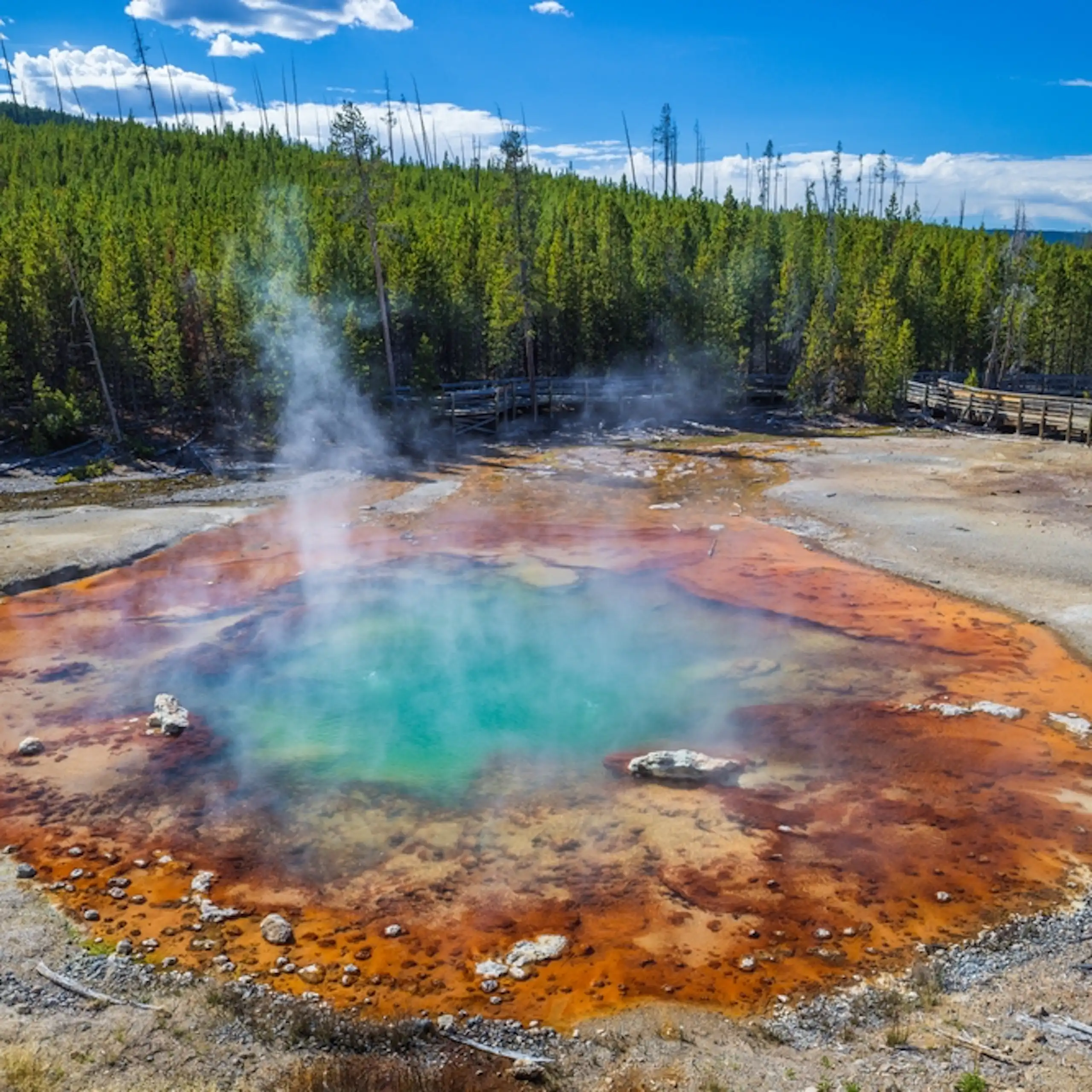
End of humanity? What would happen if the Yellowstone supervolcano erupted nowIlan Kelman, UCL and Matthew Blackett, Coventry University
The Anthropocene was rejected as a geological epoch – but the idea is still changing how we see the worldJan Zalasiewicz, University of Leicester; Colin Waters, University of Leicester, and Martin J. Head, Brock University
The ‘wonder material’ graphene can be made using a kitchen blender, a mobile phone and a newspaperConor Boland, Dublin City University
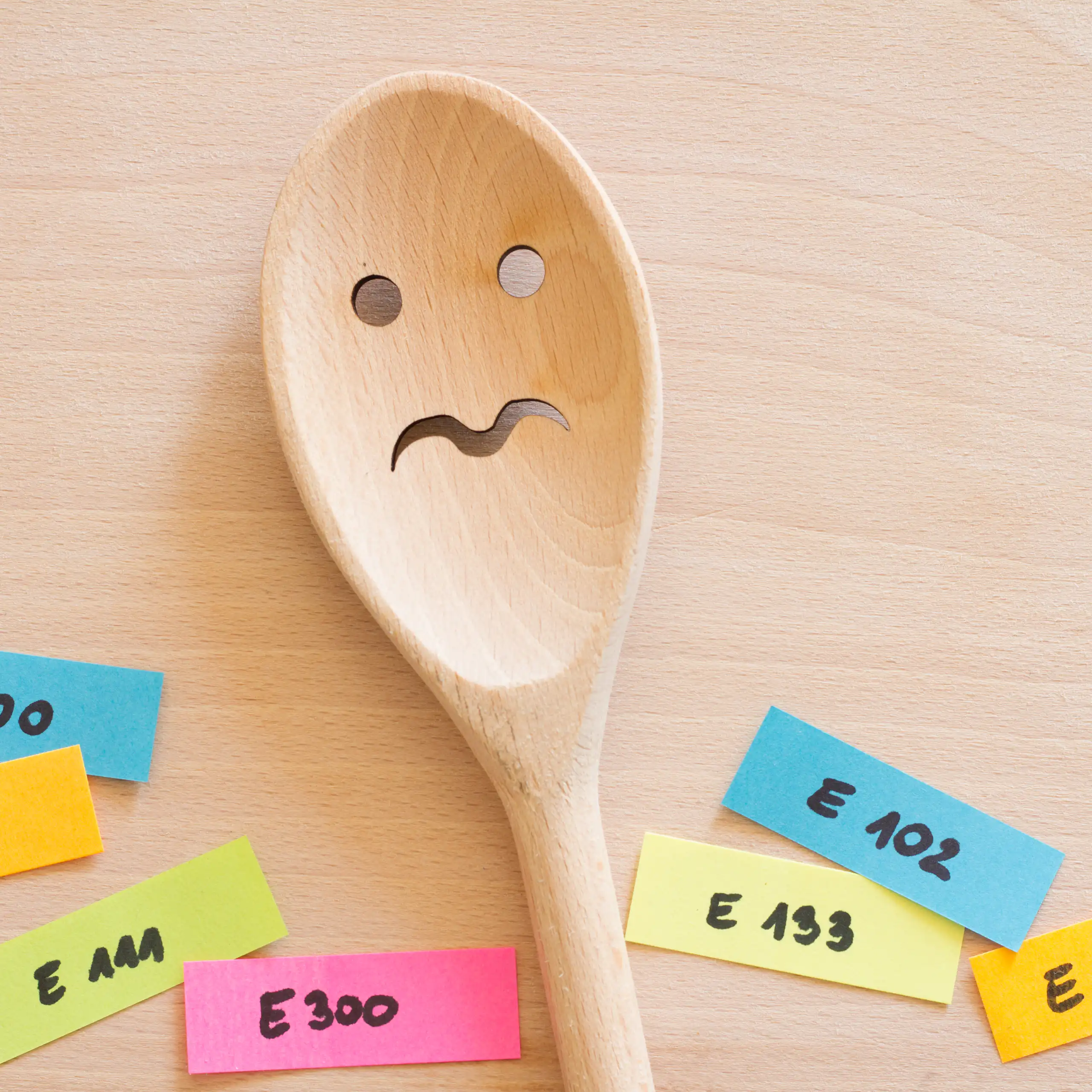
The long fascinating history of food additives – and why we’re stuck with themGunter Kuhnle, University of Reading
We’re ‘green chemists’ – why we think this emerging science can transform the way the world uses its resourcesAndrew C Marr, Queen's University Belfast and Paul Anastas, Yale University
Five scary houseplants that are surprisingly easy to care forCharlotte Pughe, Nottingham Trent University
New study shows how Amazon trees use recent rainfall in the dry season and support the production of their own rainMagali Nehemy, University of British Columbia
Hummingbirds and pineapples: why this ancient relationship hits the evolutionary sweetspotJamie Thompson, University of Reading
The mathematical secrets hidden at the heart of Barcelona’s Sagrada FamíliaSergi Muria Maldonado, Universitat de Barcelona; Anton Aubanell Pou, Universitat de Barcelona, and Jordi Font González, Universitat de Barcelona
What is the chance of a message in a bottle being found?Kevin Burke, University of Limerick and David O'Sullivan, University of Limerick
My unsung hero of science: Harriet Taylor Mill, the radical feminist philosopher who lived in the shadow of her husbandHelen McCabe, University of Nottingham
My unsung hero of science: William Adams, the Bombay bureaucrat whose vision of a solar future was dashed by colonial conservatismSebastian Egholm Lund, University of Oxford
My unsung hero of science: a pioneer of feminist psychology who foresaw the risks of biasMadeleine Pownall, University of Leeds
Our unsung hero of science: Friedrich Miescher, the man who discovered DNAKersten Hall, University of Leeds and Ralf Dahm, University of Padua
Arsenal’s Mikel Arteta uses ‘desirable difficulties’ to prepare his players – is this a good coaching strategy?David Turner, Anglia Ruskin University
Why do runners get so many injuries? And does strength training really make a difference?Hunter Bennett, Adelaide University
What happens inside a tennis player’s brain as they try to return a 148mph serve?Michelle Spear, University of Bristol
Will companies ever be run by an AI CEO?Nick Butler, Stockholm University and Sverre Spoelstra, Lund University
Investigative interviews are key to solving crimes – should AI be helping police with their inquiries?Brandon May, Florida Institute of Technology; University of Portsmouth and Rebecca Milne, University of Portsmouth
The more commodified your job, the more likely AI can do it – lessons from online freelancingFabian Stephany, University of Oxford
AI and work: an expert assesses how far this revolution still has to runVivek Soundararajan, University of Bath
Human ‘safety drivers’ in Uber robotaxis could lose skills if all they do is observeGareth Evans-Jones, Bangor University
Electric long-haul trucks could become a reality sooner – if there’s no driverAnthony Wiskich, Australian National University
How driverless vehicles can be made safer for deaf and hard of hearing peopleWenge Xu, Birmingham City University
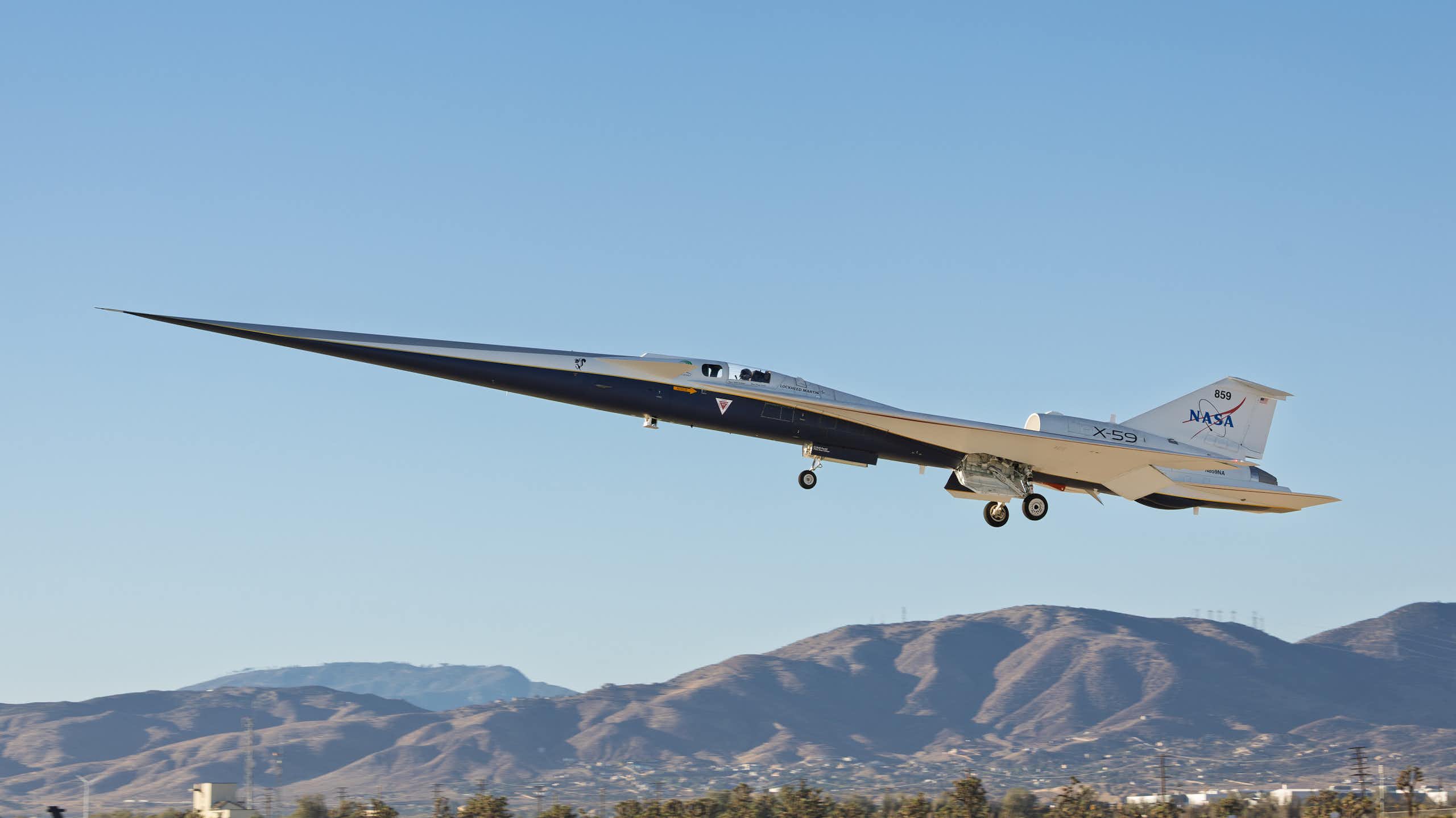
Is supersonic air travel about to return, two decades after the last Concorde flight?Malcolm Claus, Kingston University
I discovered a Roman fort in Wales – it may hold the key to the ancient Welsh legend of Macsen WledigMark Merrony, University of Oxford
Europe’s stone age hunters made sea voyages to Malta – thousands of years before evidence of sailsJames Blinkhorn, University of Liverpool and Eleanor Scerri, Max Planck Institute of Geoanthropology
A black fungus is thriving in the midst of Ireland’s whiskey boom – we need to know more about itJenny Lawler, Dublin City University
What happens when someone’s chromosomes, sex hormones and body don’t align?Jean-Michel Fustin, University of Manchester