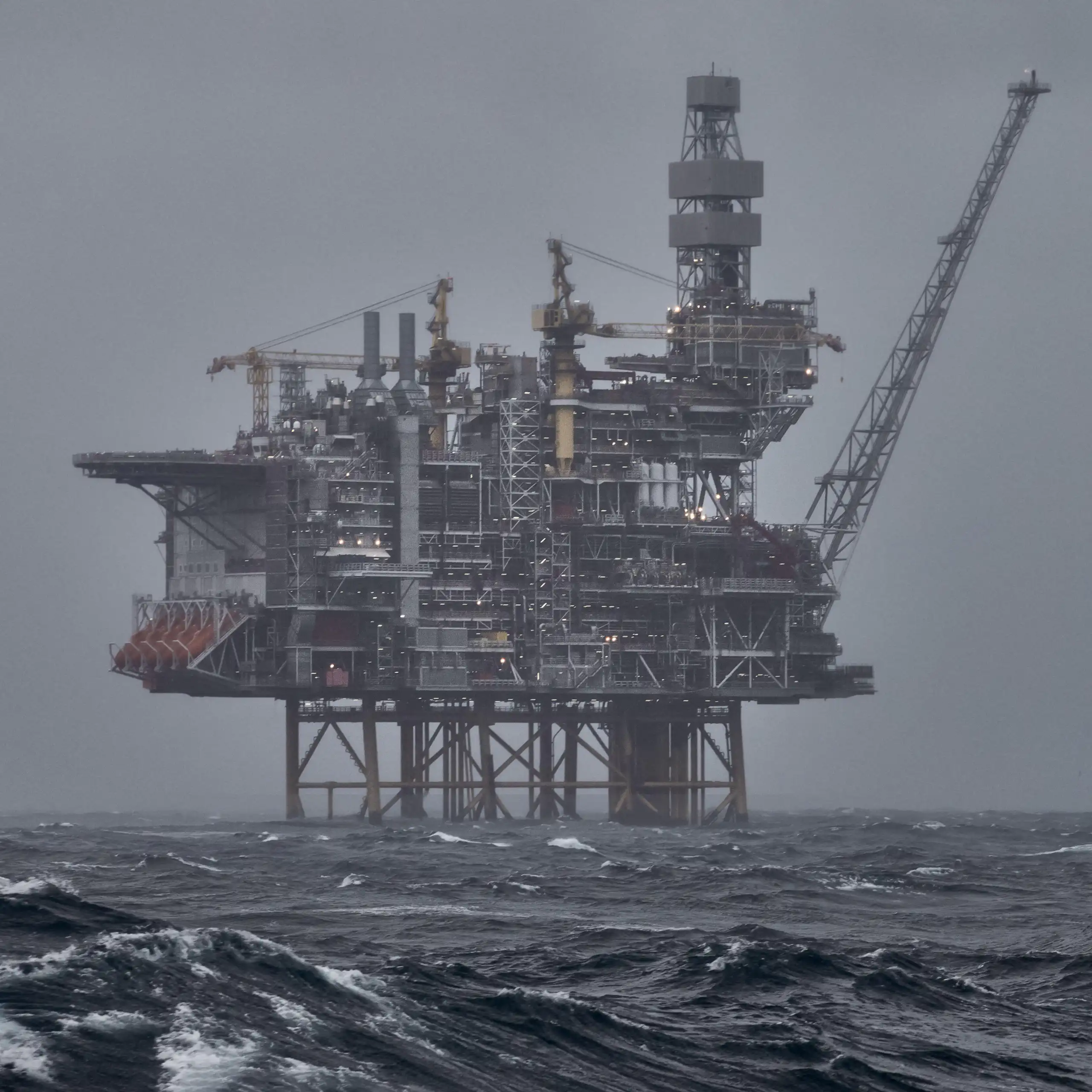
The Jackdaw gasfield passed the legal test for North Sea drilling – Rosebank will find it much harderRobert Hargreaves, York St John University
Jackdaw approval: what a new North Sea gasfield means for UK energy security, bills and taxKarl Matikonis, University College Dublin and Hafez Abdo, University of Nottingham
Jackdaw decision could haunt the UK at future climate summitsFreddie Daley, University of Sussex and Peter Newell, University of Sussex
Autumn wreaths and ‘doorscaping’: why we need more life in our front gardensJames Simpson, University of Sheffield
As flood risk rises, some communities question the idea of resiliencePaul O'Hare, Manchester Metropolitan University
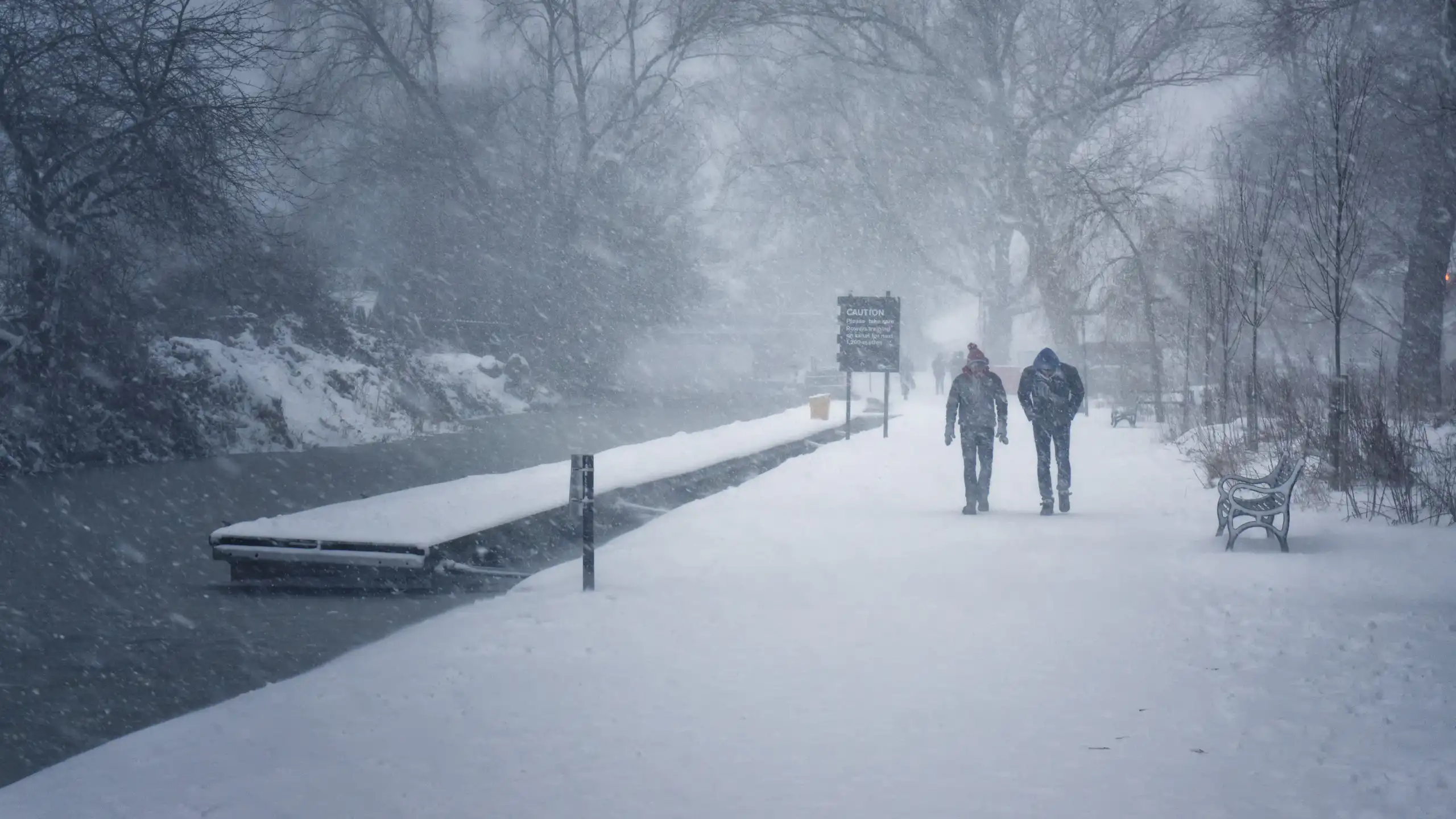
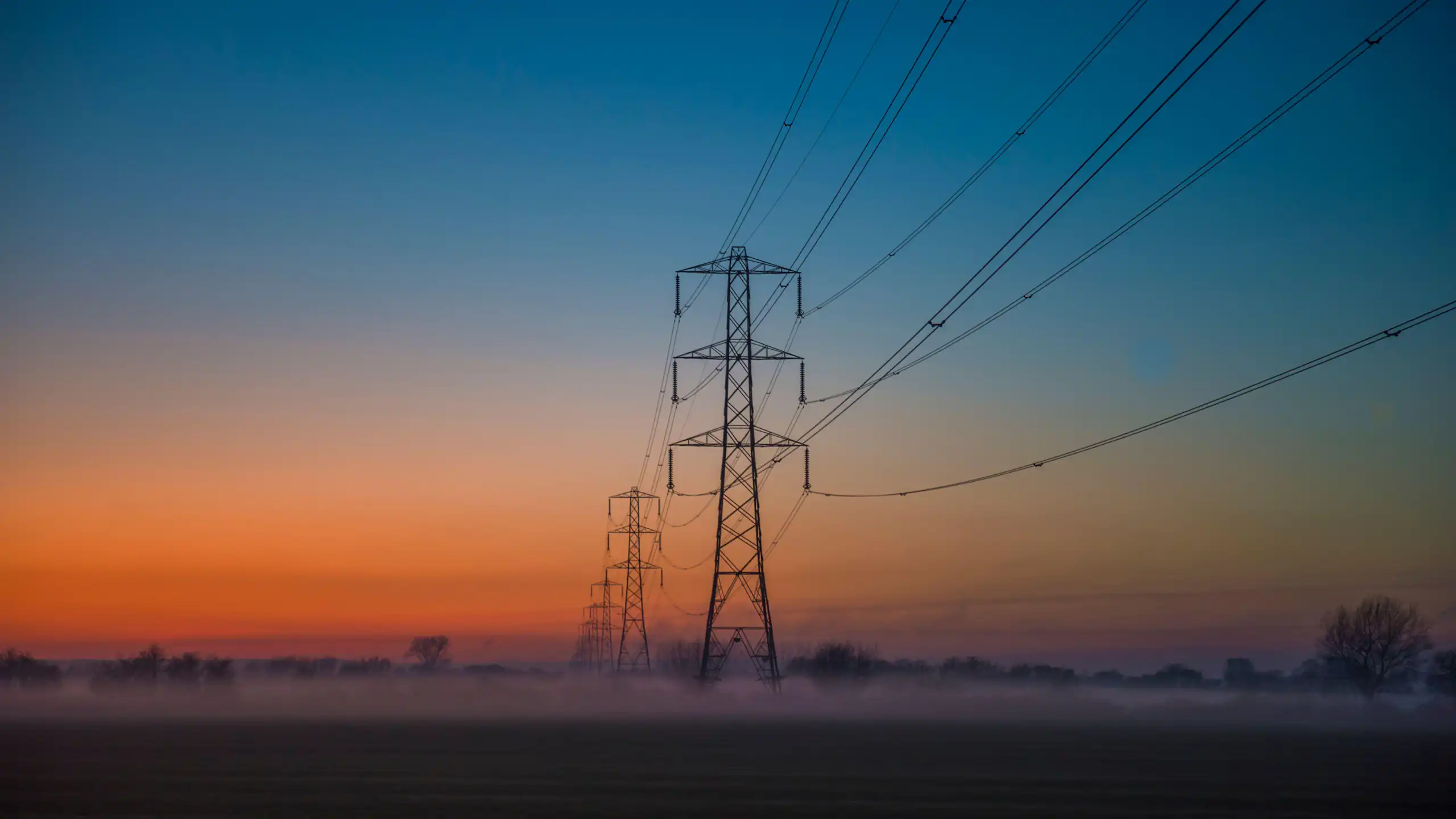
Hot and cold climate extremes push UK’s energy system to its limits, new report revealsJames Mollard, University of Edinburgh and Matthew Wright, University of Oxford
Is it wrong to kill wild animals that attack humans? Sometimes conservation demands itAdam Hart, University of Gloucestershire
Shipwrecks can become thriving reefs, but may contain hidden toxic time bombsNicholas Ray, Nottingham Trent University
The driveway divide: why parking for electric vehicles is such a big barrierBernardino D'Amico, Edinburgh Napier University
Subsidence claims: after drought, ground can shrink, swell or even collapse when it rains – causing damage to homesArya Assadi Langroudi, University of East London
Councils that restrict harmful advertising won’t lose out on profitsKate Whitman, University of Portsmouth; Alan Leonard, University of Portsmouth, and Helen Thompson-Whiteside, University of Portsmouth
Cities are sinking – but citywide averages hide the real problemEmma Colven, King's College London and Zahratu Shabrina, King's College London
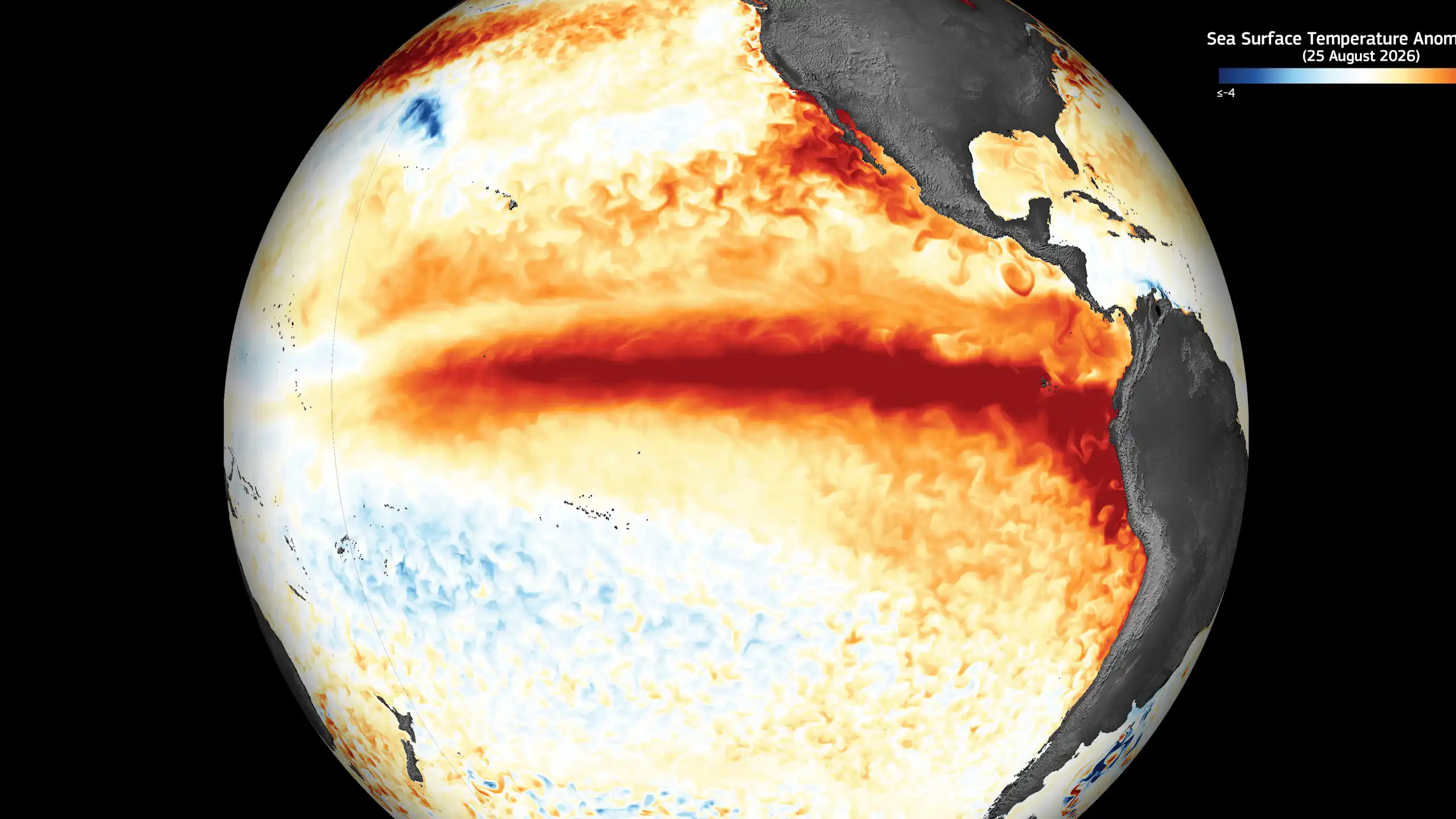
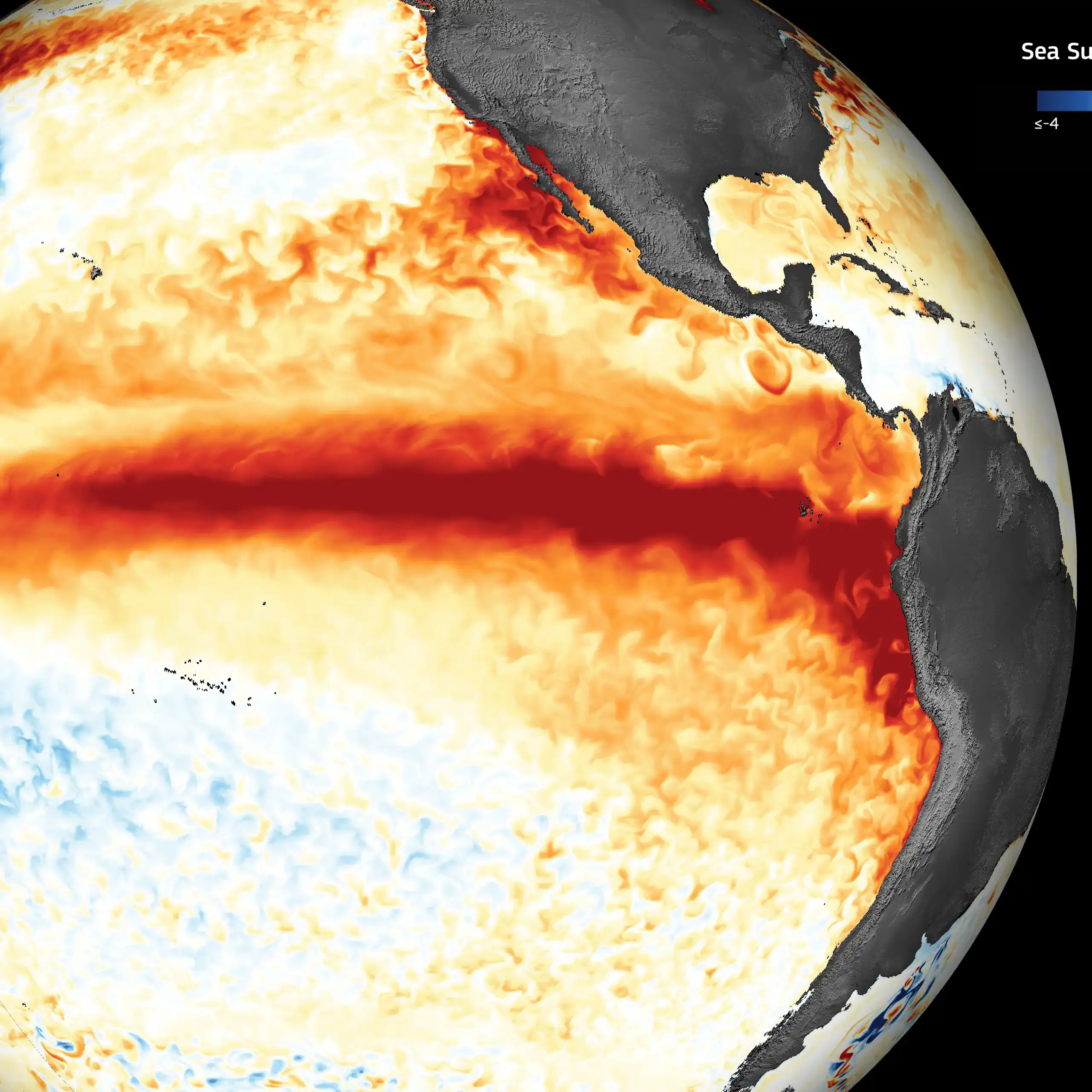
A record-breaking El Niño is still developing – likely bringing a cold winter to the UKChloe Brimicombe, University of Oxford
Air conditioners contribute to climate change – this 40-year-old treaty aims to limit the harmMatt Rigby, University of Bristol and Lucy Carpenter, University of York
Some climate tipping points are being studied far more than others – new researchAsaf Tzachor, University of Cambridge
‘Tenzing biopic made me wonder what he would think if he could return to the mountain today’ – glaciologist and mountaineerJonathan Bamber, University of Bristol
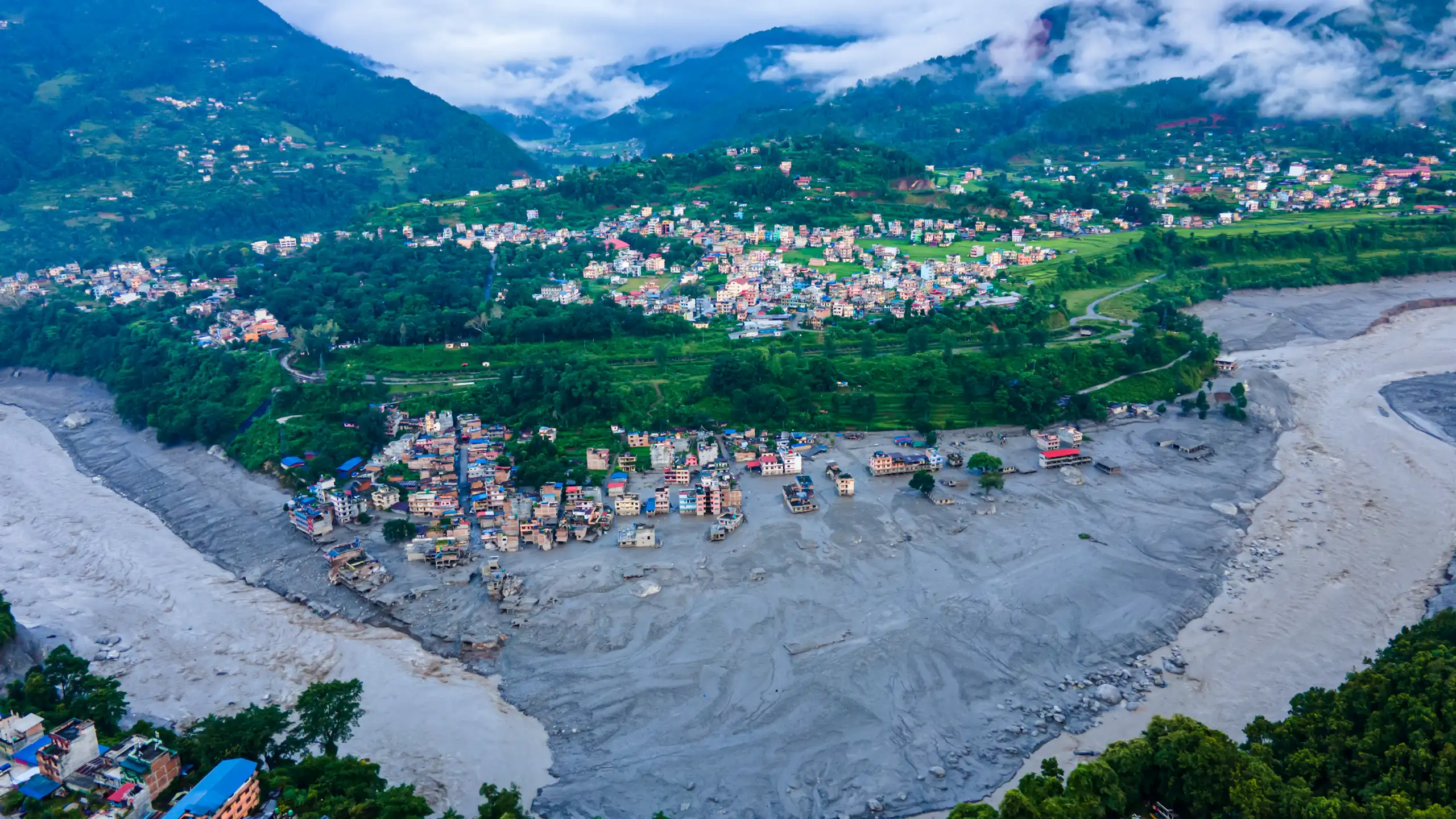
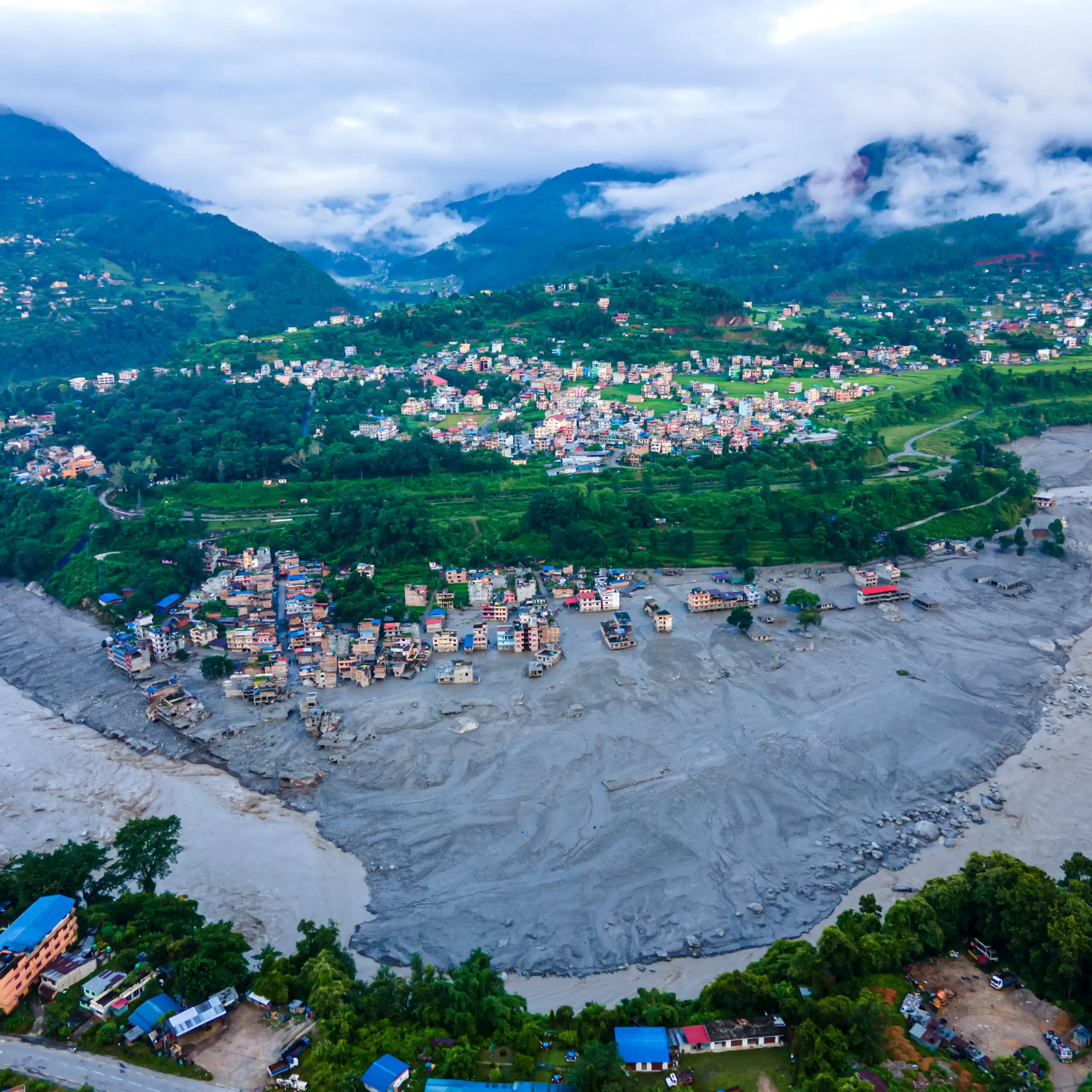
Almost 300,000 people now live in flood-prone areas in the Nepalese Himalayas – new researchC. Scott Watson, University of Leeds and Milan Shrestha, Arizona State University
Wildlife populations have declined 73% since 1970 – but many of the world’s animals still aren’t being countedHannah Sarah Wauchope, University of Edinburgh; Gary David Powney, UK Centre for Ecology & Hydrology, and Nick Isaac, UK Centre for Ecology & Hydrology
Did the hot summer make more people worry about climate change? Here’s what the latest indications showLorraine Whitmarsh, University of Bath and Bella Zanin, University of Bath
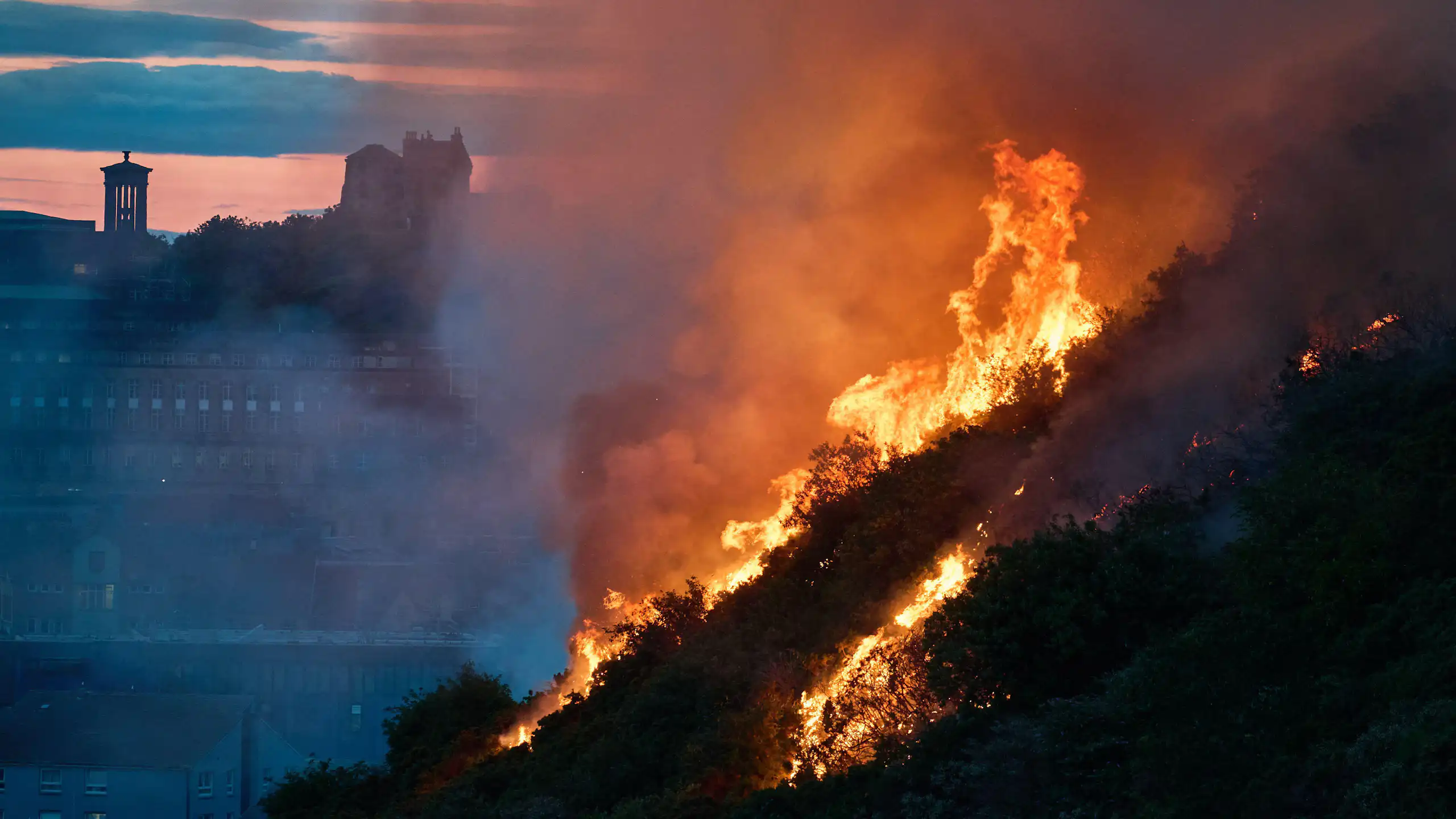
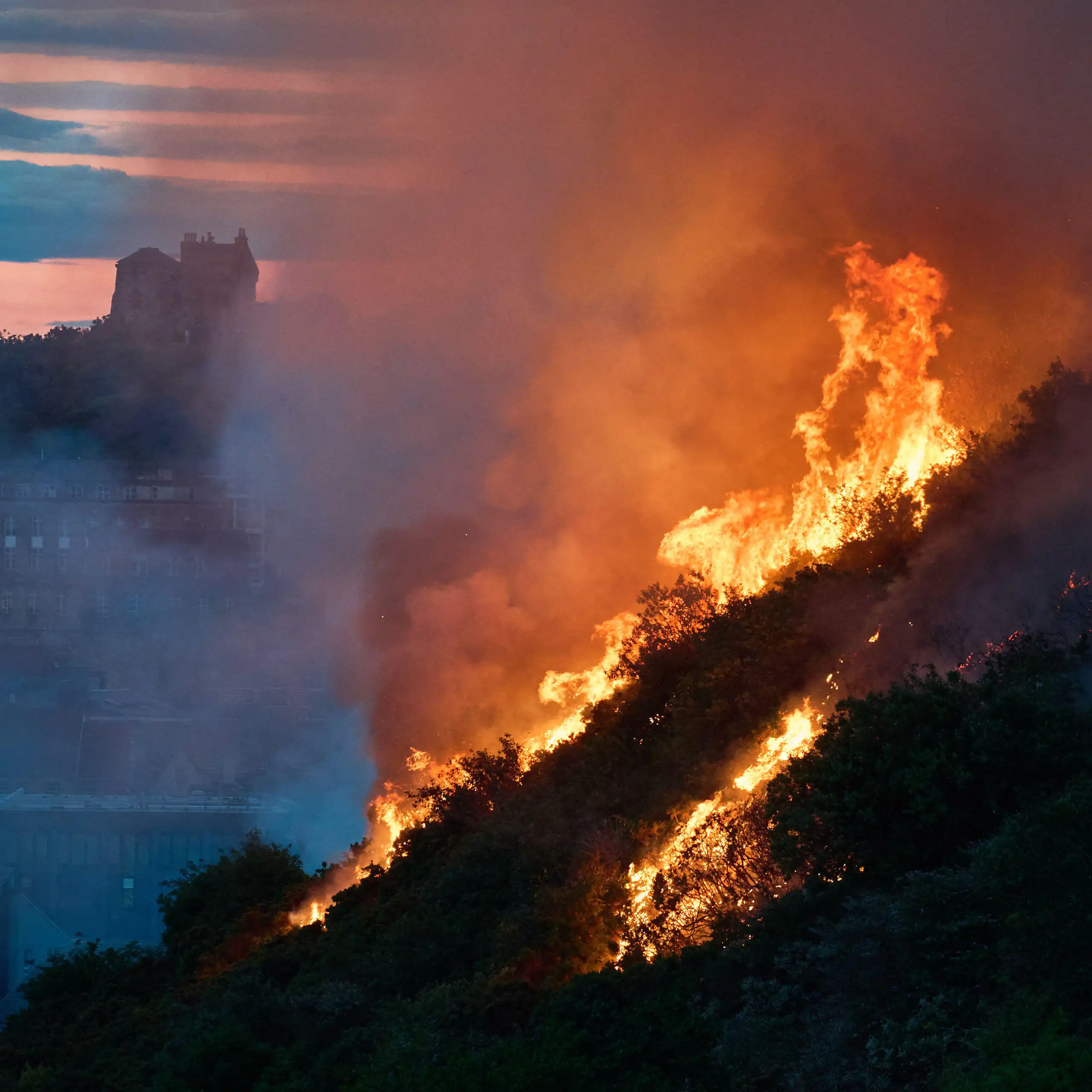
Wildfires are now an escalating risk: here’s how the UK needs to prepare ahead of next summerChris Webber, Anglia Ruskin University and Liam Noll, Anglia Ruskin University
How can the same El Niño cause drought in one part of the world and floods in another?Ligin Joseph, University of Southampton
Could your plastic film packaging serve a purpose? We won’t know until recycling laws changeRobert Hargreaves, York St John University
China and the EU could turn Morocco into a surprise global hub for electric vehiclesLinda Calabrese, ODI Global and Jodie Keane, ODI Global
How the new Great British Grid could help households benefit from abundant and cheap renewable powerJacopo Torriti, University of Reading
Five types of disinformation – and how to spot red flags that trigger climate inactionMark Maslin, UCL
Five ways to enjoy fashion as a hobby without indulging in overconsumptionCathrine Jansson-Boyd, Anglia Ruskin University
Coolcations: tourism boom is taking a toll on chillier destinationsMehri Khosravi, University of East London; United Nations University
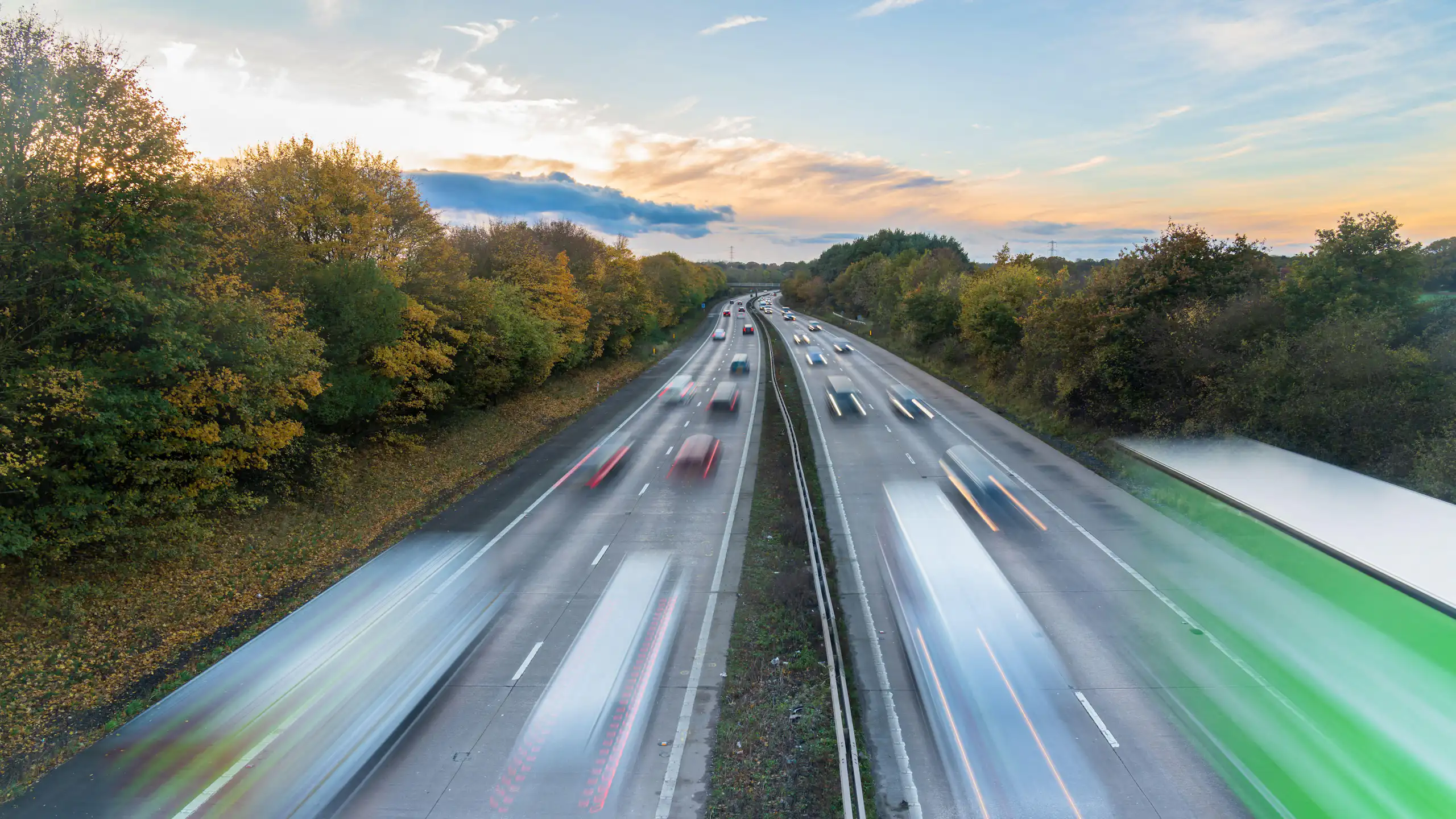
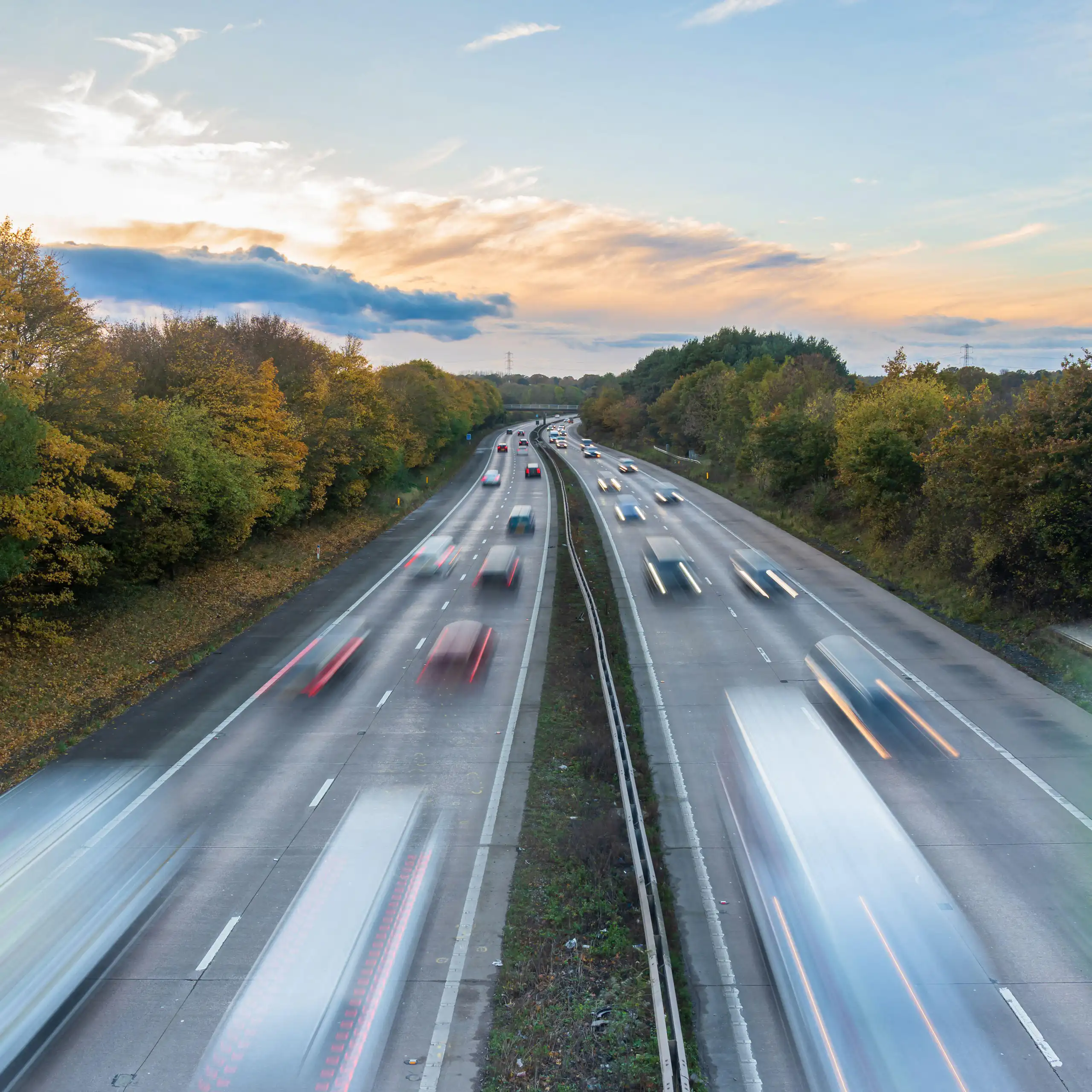
Would a 50mph motorway speed limit really save much fuel?Amin Al-Habaibeh, Nottingham Trent University
When climate data is transformed into visuals some people and places get overlookedMonika Frątczak, Manchester Metropolitan University
Moths in art history: centuries of creativity reveal the beauty of a misunderstood insectSamuel Shaw, The Open University
Green growth claims are overstated – our study shows three reasons whyMarina Requena-i-Mora, University of Sheffield; Universitat Autònoma de Barcelona and Dan Brockington, Universitat Autònoma de Barcelona
Greener maternity care starts with changing hospitals, without putting pressure on pregnant womenAlice Craggs, London South Bank University
Hospital appointments can make greener travel harderKeyvan Hosseini, University of Southampton and Dawn-Marie Walker, University of Southampton
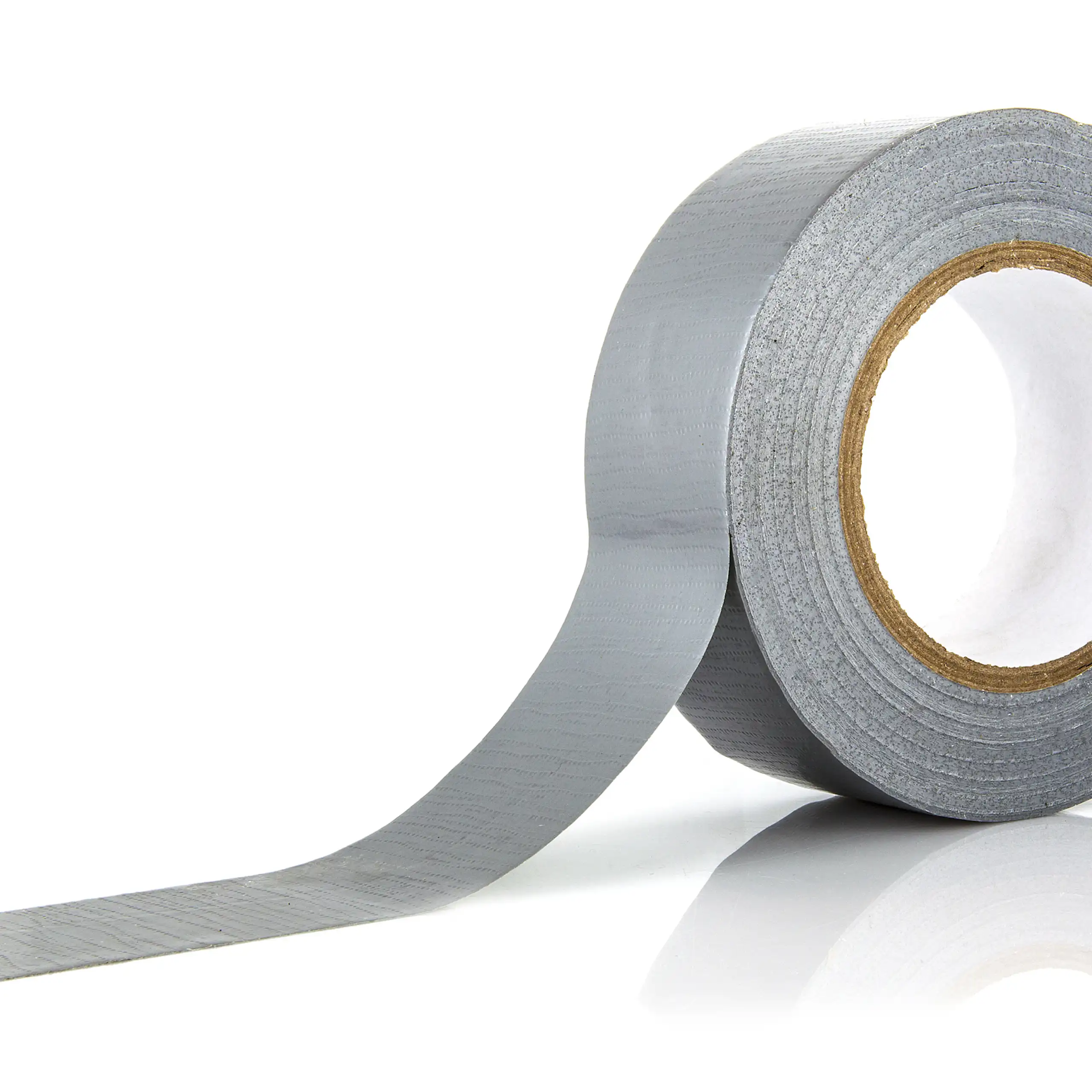
Duct tape kept out more flood water than sandbags in laboratory testsStuart McLelland, University of Hull
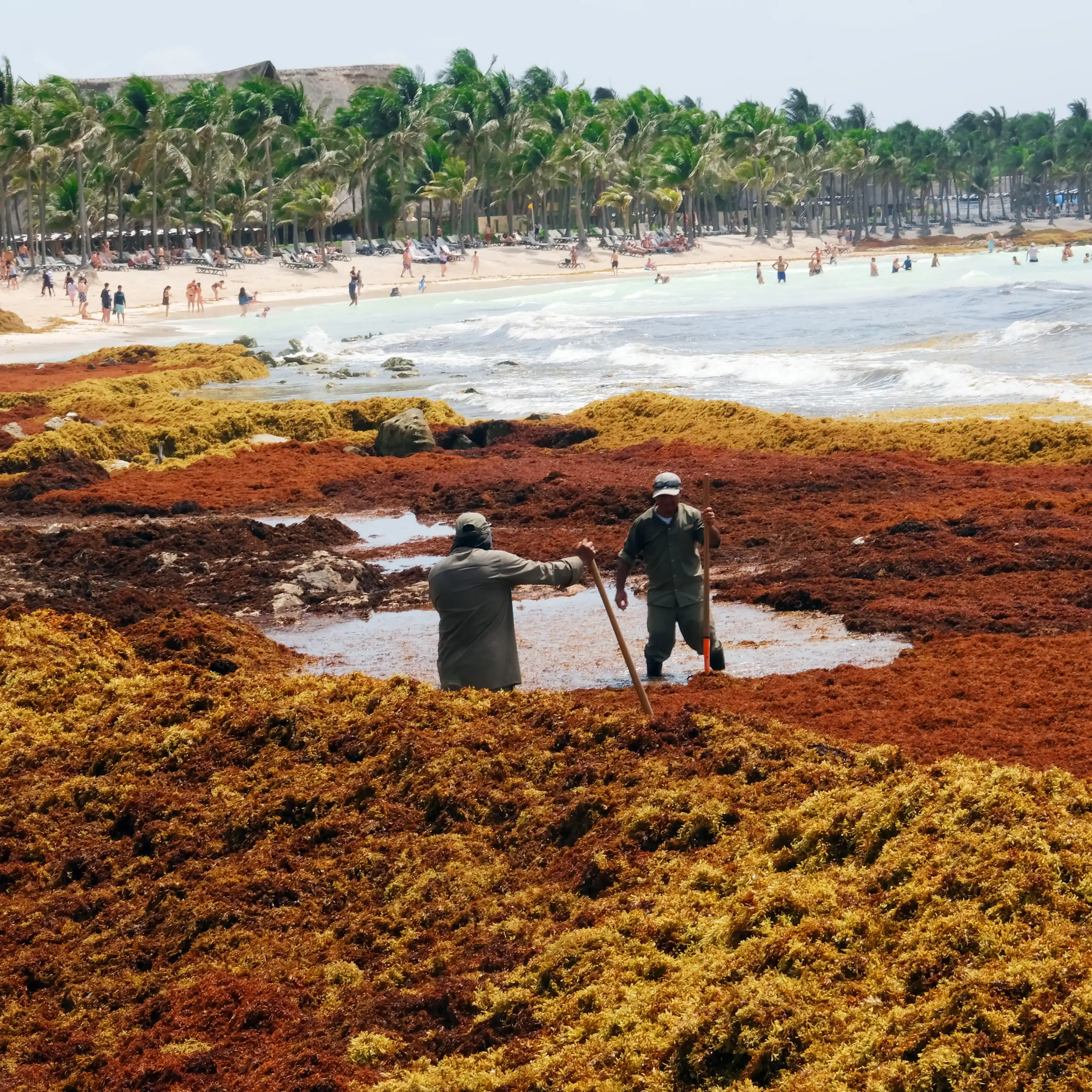
Seaweed strandings cause a stink – here’s why they harm your healthMichael Steinke, University of Essex
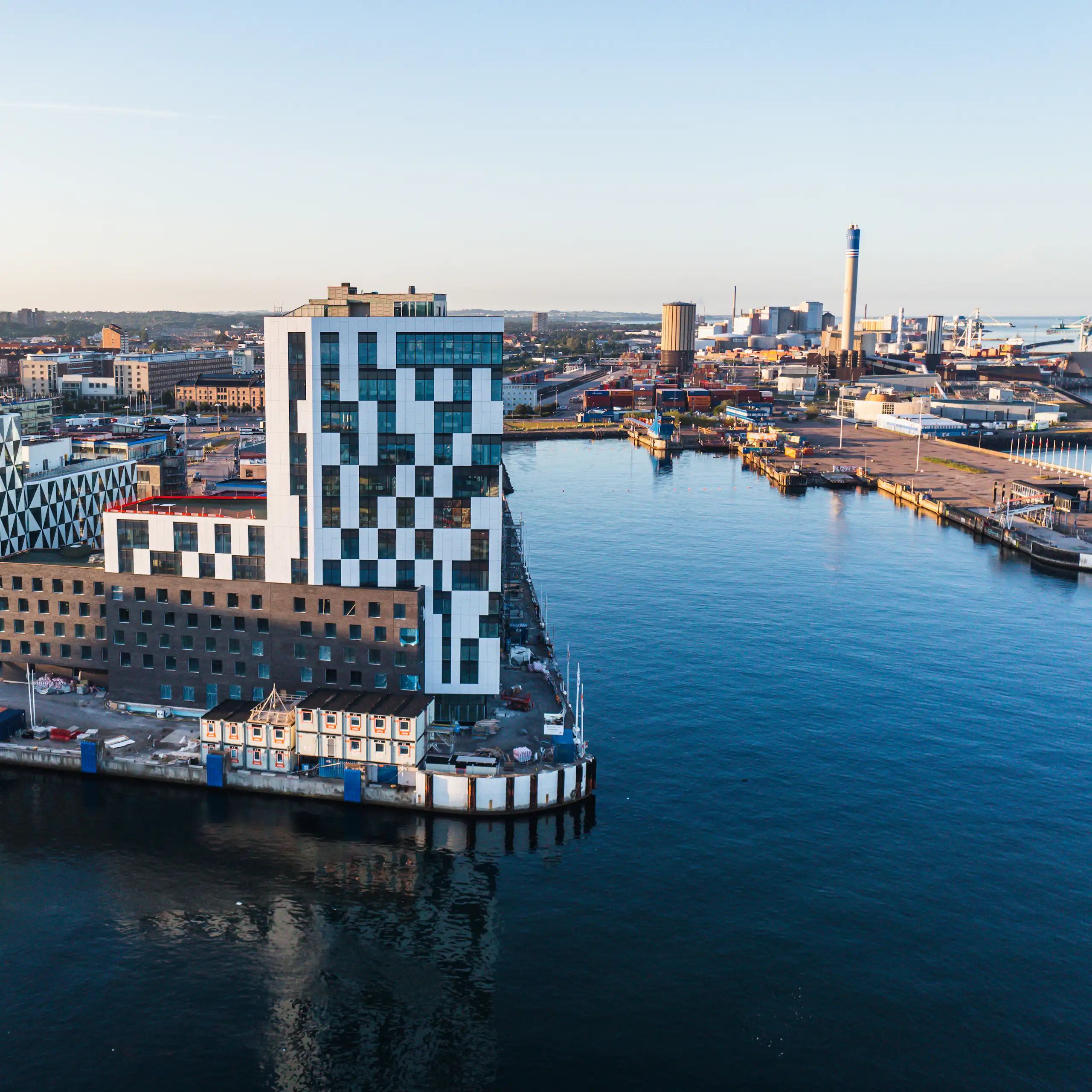
Water is precious – this Swedish city separates different waste sources to reuse more of itIsabell Fritz, Lund University and Ashley Hall, Lund University
Wild fish are a precious resource – here’s how aquaculture can bolster food securityWesley Malcorps, University of Stirling; Richard Newton, University of Stirling, and Umair Choksy, University of Stirling
Kipper cream or fish in custard? A century of magazine recipes reveals how Britain’s seafood tastes have narrowedRuth H. Thurstan, University of Exeter
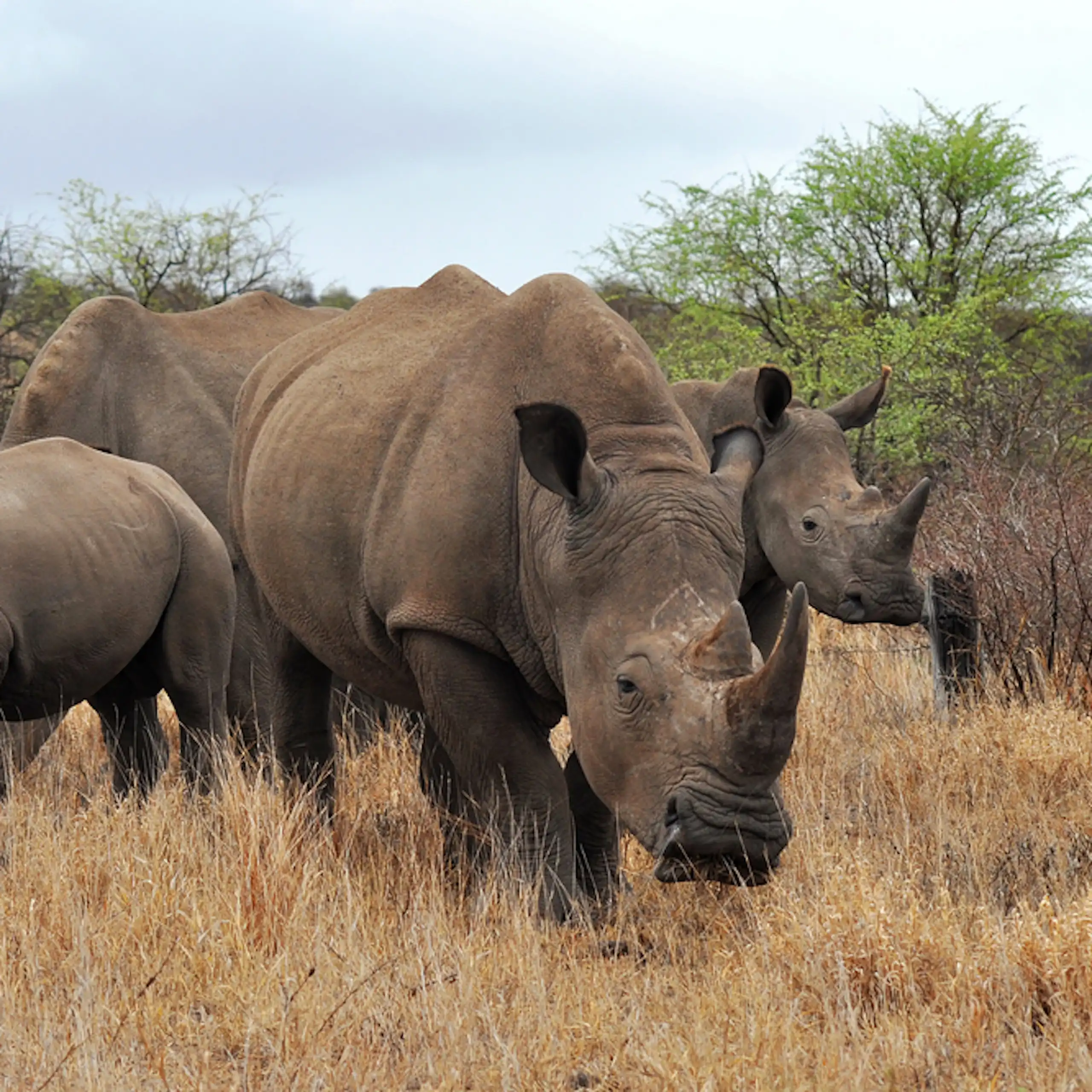
Rhinos and elephants can cause huge problems if reintroduced badly – here’s how to get it rightAdam Hart, University of Gloucestershire