Meet today’s hunt saboteurs – ‘doctors, teachers, even farmers’ working with police to bring illegal fox hunts to justiceAmy Stevens, University of Sheffield; Keith Spiller, University of Southampton, and Xavier L'Hoiry, University of Sheffield
In this age of global uncertainty, where in the world can we look for guidance?Ian Scoones, Institute of Development Studies
Racism never went away – it simply changed shapeLars Cornelissen, Manchester Metropolitan University; Independent Social Research Foundation
Insights – The Conversation’s long reads sectionMike Herd, The Conversation and Paul Keaveny, The Conversation
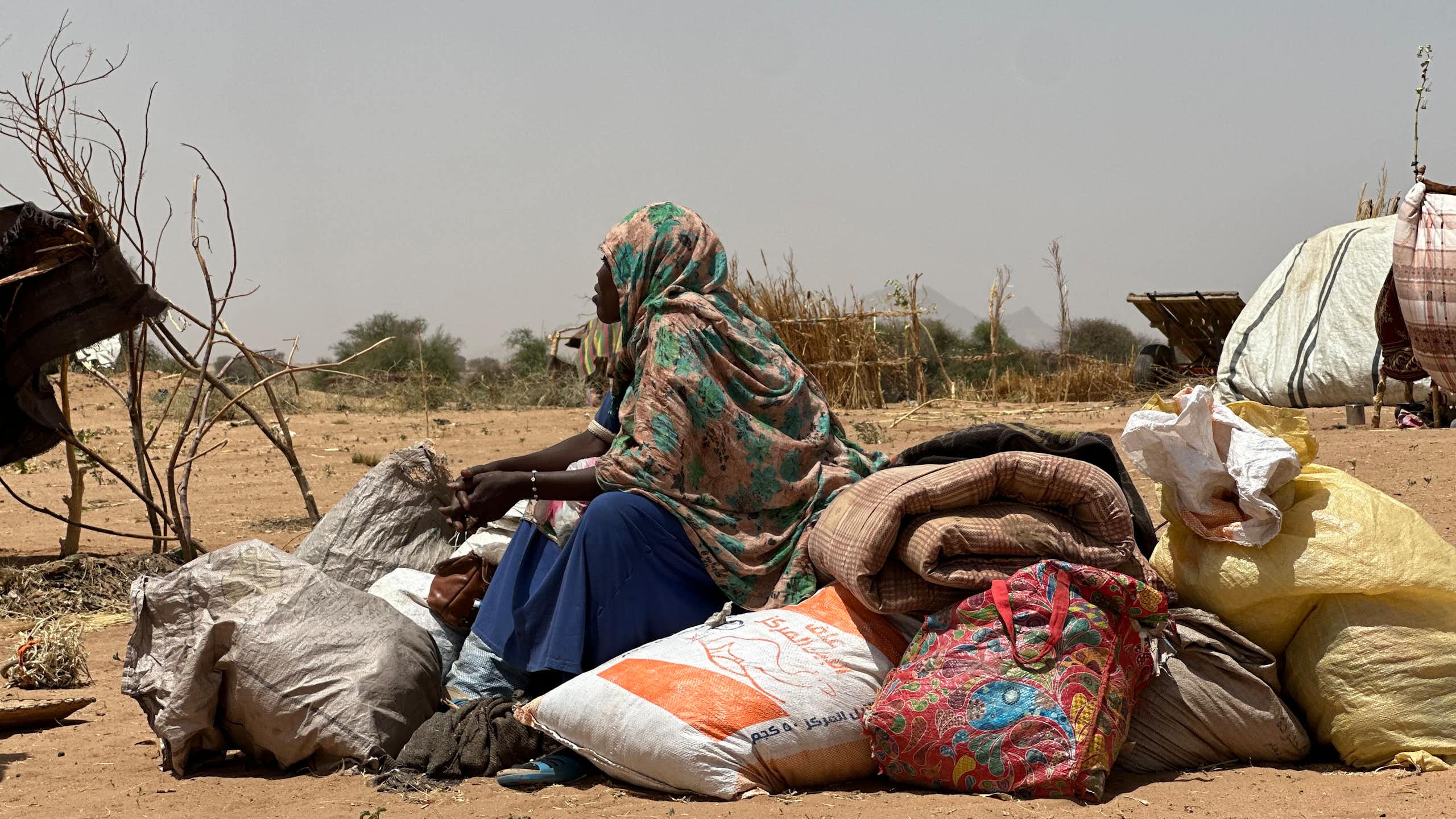
‘I have to talk about it so that the world can know what happened to women and girls in Sudan’ – rape and terror sparks mass migrationSabine Lee, University of Birmingham; Heather Tasker, Dalhousie University, and Susan Bartels, Queen's University, Ontario
What do trees remember?Estrella Luna-Diez, University of Birmingham; Anne-Marie Culhane, University of Exeter, and Bruno Barcante Ladvocat Cintra, University of Birmingham
Forensic linguistics: how dark web criminals give themselves away with their languageEmily Chiang, Aston University
Israeli doctors reveal their conflicted stories of treating Palestinian prisoners held in notorious ‘black site’ Sde TeimanMerav Amir, Queen's University Belfast and Hagar Kotef, SOAS, University of London
Underground data fortresses: the nuclear bunkers, mines and mountains being transformed to protect our ‘new gold’ from attackA.R.E. Taylor, University of Exeter
The UK’s wealth ‘timebomb’ – and how to defuse itMike Savage, London School of Economics and Political Science
Bad wealth made good: how to tackle Britain’s twin faultlines of low growth and rising inequalityStewart Lansley, University of Bristol
From Noah’s flood to Shakespeare’s storms, what literature reveals about our changing relationship with the weatherStewart Mottram, University of Hull
Our quest to find a truly Earth-like planet in deep spaceChristopher Watson, Queen's University Belfast and Annelies Mortier, University of Birmingham
‘We were treated like animals’: the full story of Britain’s deadliest small boat disasterTravis Van Isacker, University of Bristol
‘I have it in my blood and brain … I still haven’t been able to shake this nightmare off.’ How voices from a forgotten archive of Nazi horrors are reshaping perceptions of the HolocaustHåkan Håkansson, Lund University
‘Then the city started to burn, the fires were chasing me’ – 80 years on, Hiroshima survivors describe how the atomic blast echoed down generationsElizabeth Chappell, The Open University
Vikings were captivated by silver – our new analysis of their precious loot reveals how far they travelled to get itJane Kershaw, University of Oxford
Shoplifting is now at record levels. Here’s how it went from a crime punishable by death to police ‘turning a blind eye’Charlotte Wildman, University of Manchester
Fifty years ago, Junko Tabei became the first woman to summit Everest – why do so few people know her story?Jenny Hall, York St John University
Meet the forgotten enslaved and working-class labourers behind British exploration in Africa, Asia and AntarcticaEdward Armston-Sheret, School of Advanced Study, University of London
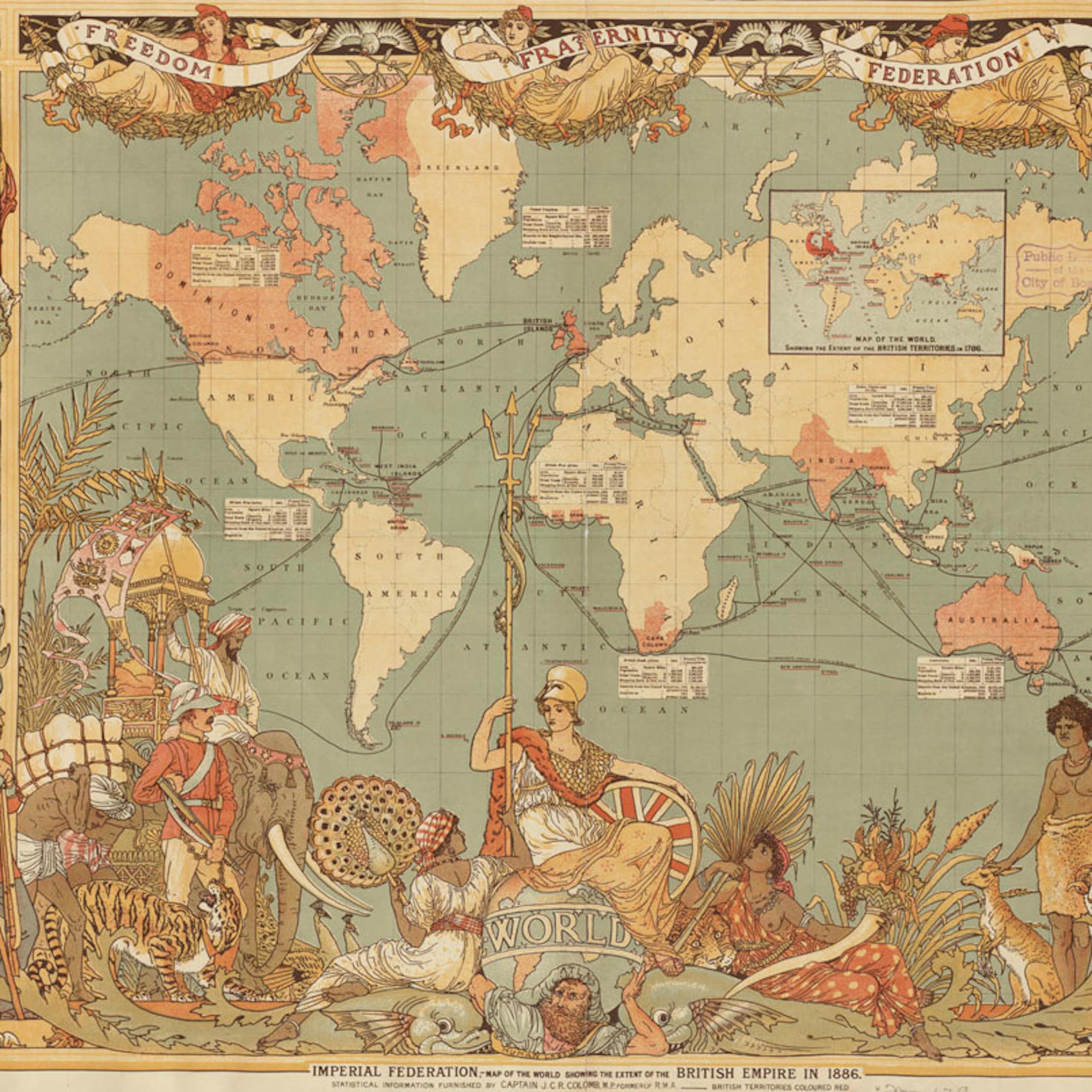
The rise and fall of globalisation: the battle to be top dogSteve Schifferes, City St George's, University of London
The rise and fall of globalisation: why the world’s next financial meltdown could be much worse with the US on the sidelinesSteve Schifferes, City St George's, University of London
What 2,000 years of Chinese history reveals about today’s AI-driven technology panic – and the future of inequalityPeng Zhou, Cardiff University
How Britain got its first internet connection – by the late pioneer who made it happenPeter T. Kirstein, UCL
DeepSeek: how China’s embrace of open-source AI caused a geopolitical earthquakePeter Bloom, University of Essex
Sex machina: in the wild west world of human-AI relationships, the lonely and vulnerable are most at riskJames Muldoon, University of Essex
Money laundering plays a key role in every part of the illegal drugs industry – here’s how it worksMark Berry, Bournemouth University and R.V. Gundur, University of the West of Scotland
Addicted: how the world got hooked on illicit drugs – and why we need to view this as a global threat like climate changeIan Hamilton, University of York
Homeless Britons say cost of addiction is forcing them into modern slavery – so why are they not being recognised as victims?Emily Kenway, University of Edinburgh
‘There has never been a more dangerous time to take drugs’: the rising global threat of nitazenes and synthetic opioidsPhilip A. Berry, King's College London
Why people self-injure: ‘You have no other voice – and no one would listen anyway’Peter Steggals, Newcastle University
For people with mental illness, drugs and alcohol can be a key survival strategy. I’ve learned they shouldn’t have to ‘get clean’ to get treatmentDr Simon Bratt, University of Staffordshire
Insomnia: how chronic sleep problems can lead to a spiralling decline in mental healthScott Cairney, University of York and Aidan Horner, University of York
How music heals us, even when it’s sad – by a neuroscientist leading a new study of musical therapyLeigh Riby, Northumbria University, Newcastle
‘People think you come out … and live happily ever after. If only.’ The reality of life after wrongful convictionFaye Skelton, Edinburgh Napier University
Assisted dying: first-hand accounts of what it’s like to help a loved one dieNancy Preston, Lancaster University and Jane Lowers, Emory University
‘We are all lumped under one umbrella of hate’: when social attitudes change, what is life like for people who don’t agree?Carol Ballantine, University College Dublin and Kath Browne, University College Dublin
Ignored, blamed, and sometimes left to die – a leading expert in ME explains the origins of a modern medical scandalChris Ponting, University of Edinburgh
The Innu have lived in eastern Canada for thousands of years, yet their rights to this land are increasingly threatened by the question: who is Indigenous?Colin Samson, University of Essex
Welcome to post-growth Europe – can anyone accept this new political reality?Peter Bloom, University of Essex
Freedom of thought is being threatened by states, big tech and even ourselves. Here’s what we can do to protect itSimon McCarthy-Jones, Trinity College Dublin
China’s Everest obsession: following Mallory’s footsteps a century on, I saw how tourism and climate change are transforming the mountainCarl Cater, Swansea University
Toxic chemical pollution continues on Isle of Man as government defends Unesco conservation statusAnna Turns, The Conversation and Patrick Byrne, Liverpool John Moores University
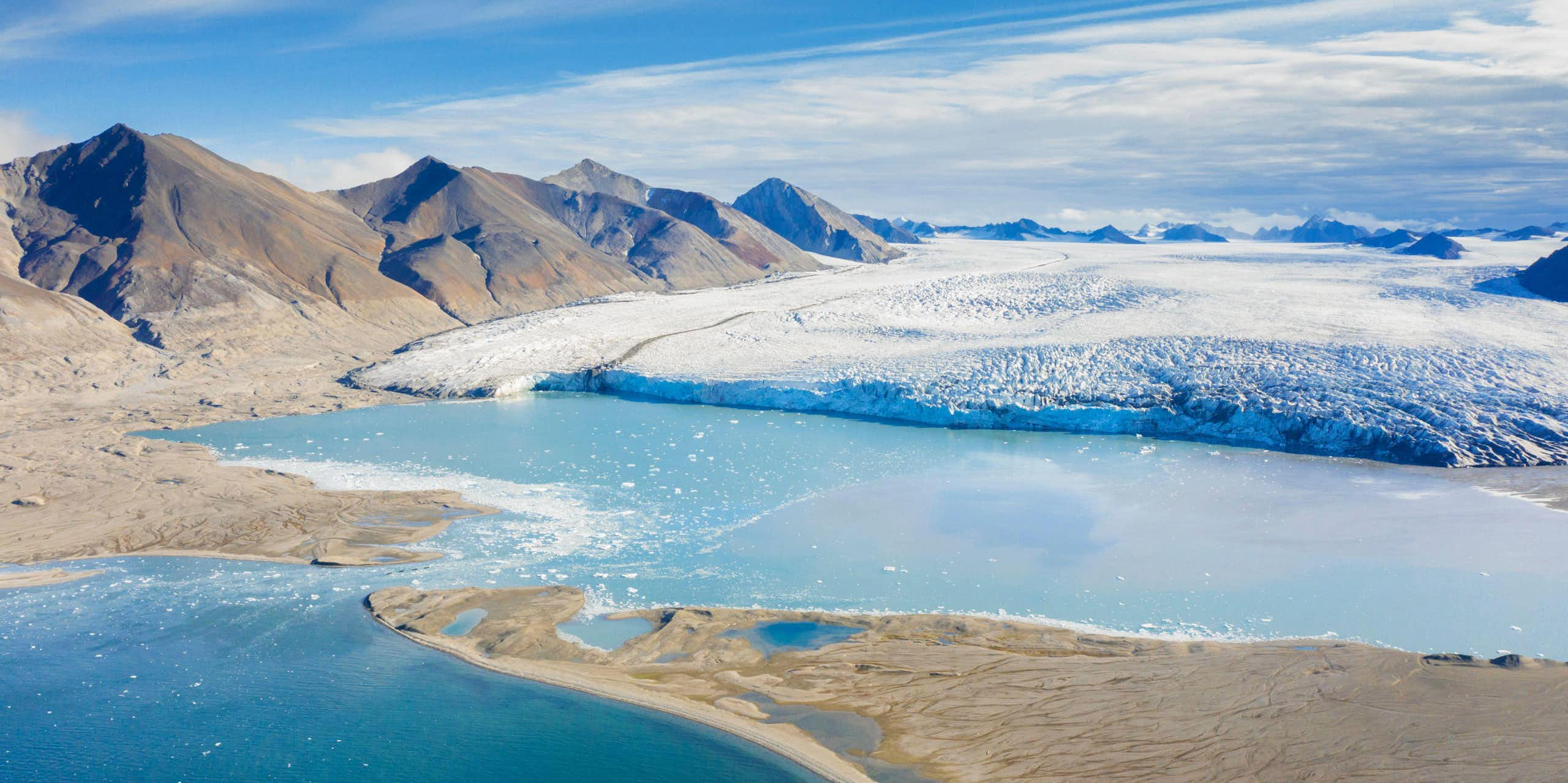
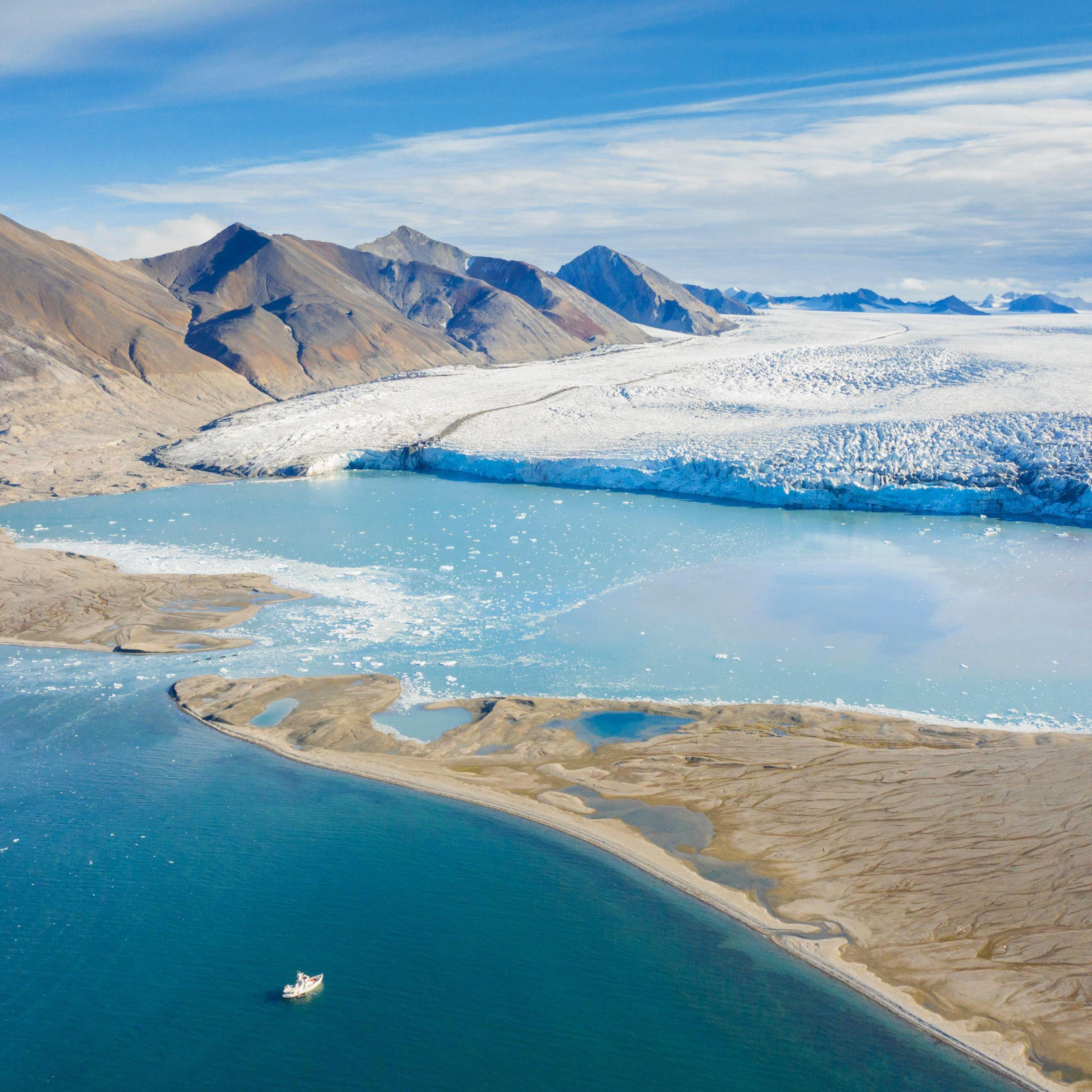
The melting Arctic is a crime scene. The microbes I study have long warned us of this catastrophe – but they are also driving itArwyn Edwards, Aberystwyth University
The overshoot myth: you can’t keep burning fossil fuels and expect scientists of the future to get us back to 1.5°CJames Dyke, University of Exeter; Robert Watson, University of East Anglia, and Wolfgang Knorr, Lund University
Wildlife wonders of Britain and Ireland before the industrial revolution – my research reveals all the biodiversity we’ve lostLee Raye, The Open University
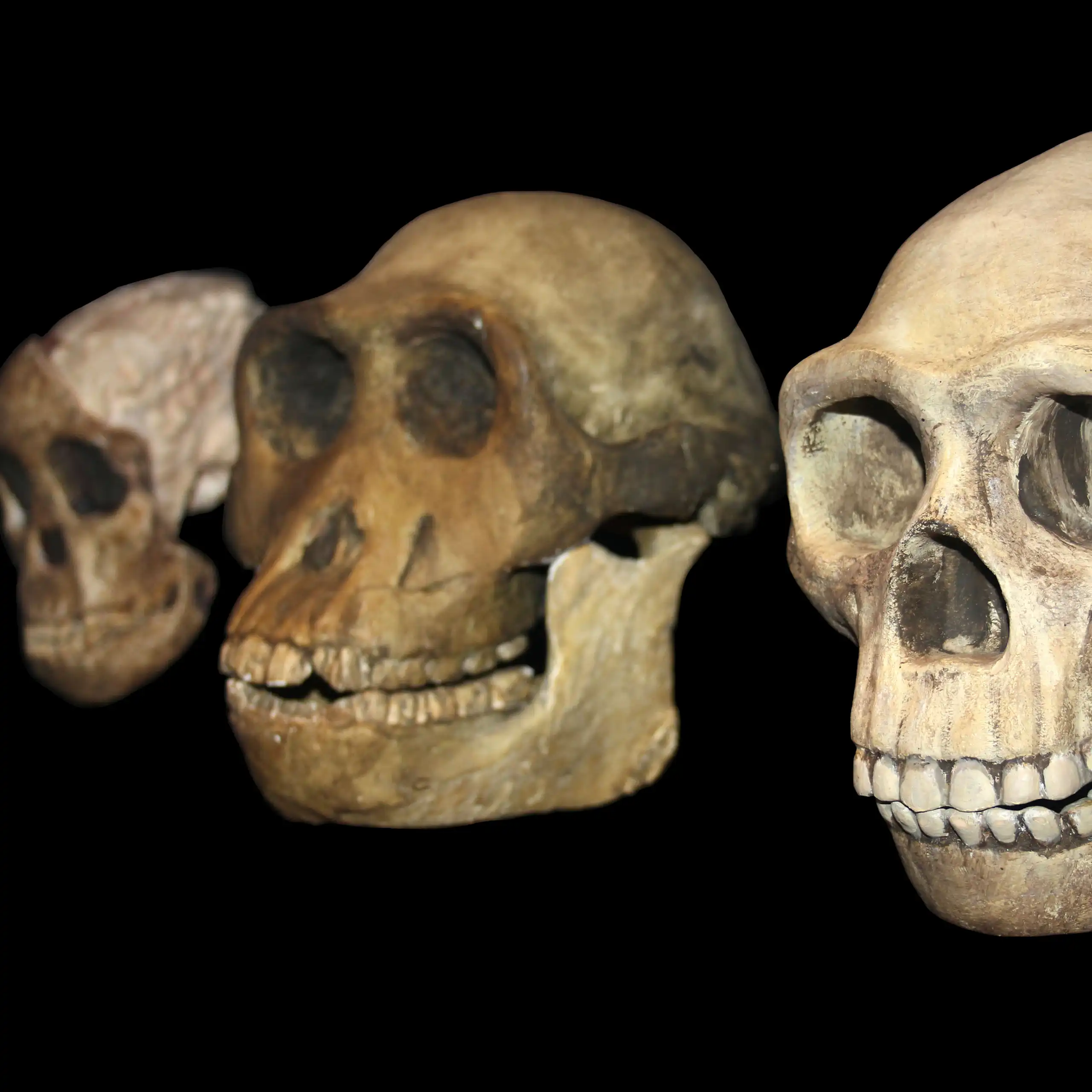
The whole story of human evolution – from ancient apes via Lucy to usJohn Gowlett, University of Liverpool
‘Deep inside, something told me I had found the earliest human ancestor; I went numb’Mike Herd, The Conversation
Fifty years after the discovery of Lucy, it’s time to ‘decolonise paleoanthropology’ says leading Ethiopian fossil expert – podcastGemma Ware, The Conversation and Mike Herd, The Conversation