London Film Festival round-up: a five-star weepie, a sweeping Spanish epic and a misspent youth in post-punk ManchesterLouis Bayman, University of Southampton
Clayface tries to tap into the success of body horror but can’t reach the genre’s gory depthsMatt Jacobsen, Queen Mary University of London
The 90s: Art and Fashion Exhibition at Tate Britain – when rebellion became a brandCaterina Nirta, Royal Holloway, University of London
Moths in art history: centuries of creativity reveal the beauty of a misunderstood insectSamuel Shaw, The Open University
The Crucible: Arthur Miller’s morality tale was as much a reaction to his own marital failings as it was to the ‘red scare’Jan Machielsen, Cardiff University
Autumn wreaths and ‘doorscaping’: why we need more life in our front gardensJames Simpson, University of Sheffield
The 17th-century British scientists who investigated hauntingsLouise Ryland-Epton, The Open University
Horror films exploit how human vision works to deliver movies’ best scaresArryn Robbins, University of Richmond
A brief history of comic book vampires – including a homage to Donald TrumpAndrew Edwards, The University of Law
Prime’s Carrie miniseries expands Stephen King’s story – but weakens its central horrorAhmed Honeini, Royal Holloway, University of London
Winter of the Crow: this taut escape thriller explores life under martial law in cold war PolandSam Edwards, Loughborough University
An overlooked sci-fi movie shows how disruption by AI could be positive for societyKevin Hunt, Nottingham Trent University
Animals: Ben Affleck stars in this thriller about a politician who can’t hide his ugly sideDaniel O'Brien, University of Essex
When powerful women are remembered as witches, we should challenge the historical motiveLynsey Cowlishaw, King's College London
Night of a Thousand Hells: a subversive, shapeshifting tale of sisterhood, violence and griefManjeet Ridon, De Montfort University
Her Son’s Wife by Dorothy Canfield Fisher finds profound meaning and emotion in domestic lifeKatie Harling-Lee, University of Edinburgh
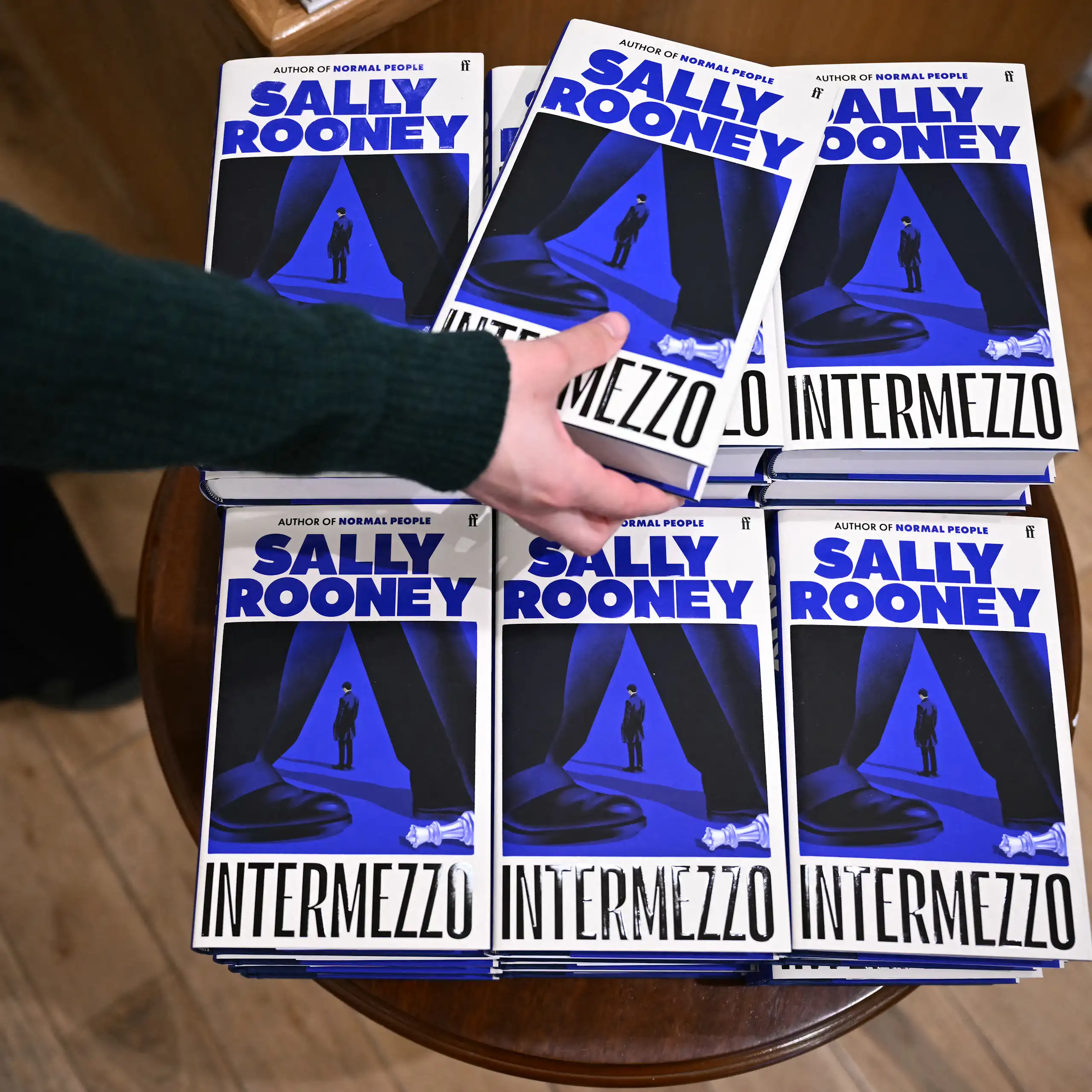
Sally Rooney’s books are being withdrawn from sale in the UK, due to her support for Palestine ActionJulian Novitz, Swinburne University of Technology
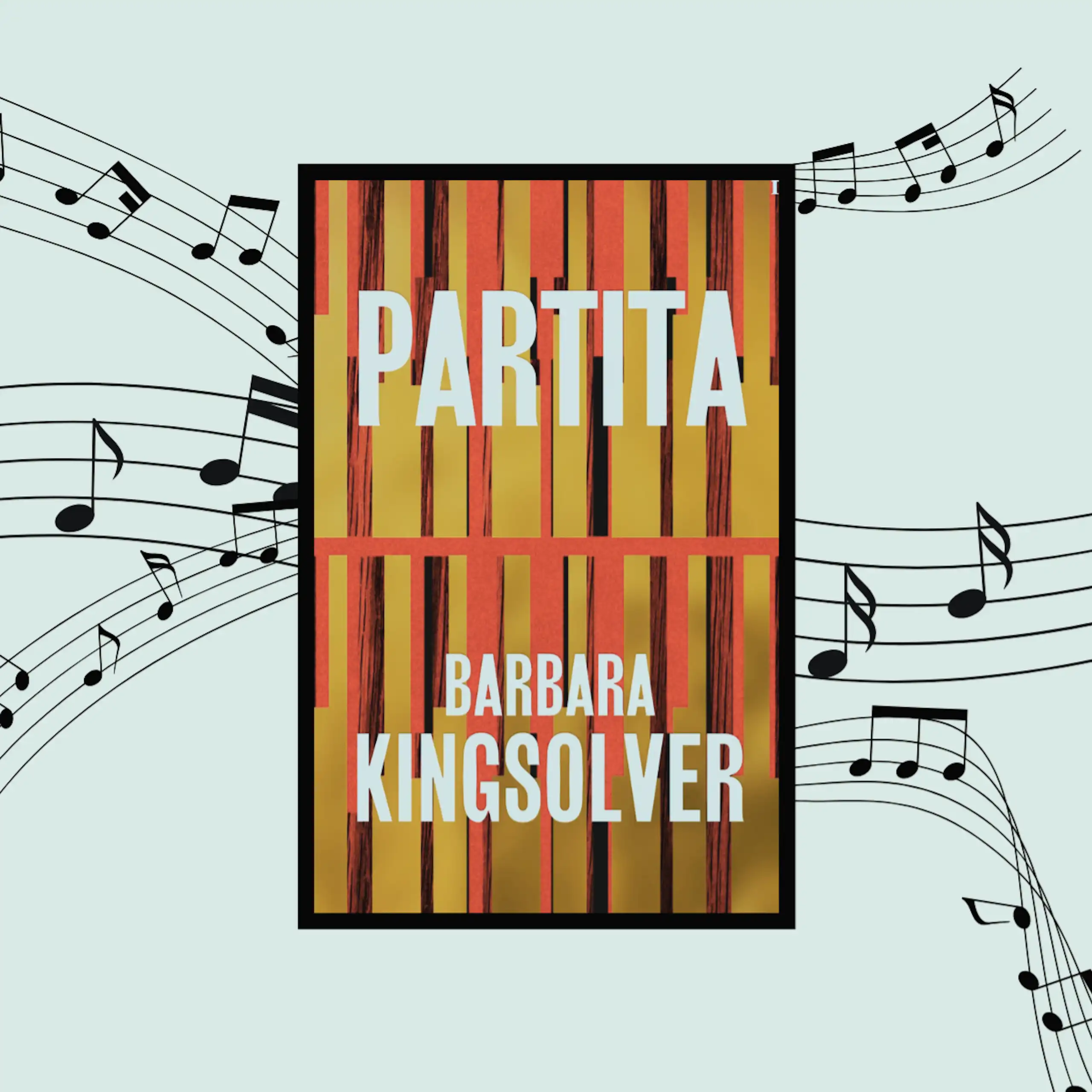
Art imitates art in Barbara Kingsolver’s new book – what to read, see and watch this weekNaomi Joseph, The Conversation
Nigella Lawson and the fantasy of Bake Off – what to watch and read this weekNaomi Joseph, The ConversationSomething Good newsletter
Charming witches and supernatural forces: what to watch and visit this weekAnna Walker, The Conversation
Farewell to Dolly, a beaten poet and all kinds of aliens: what to watch, see and listen to this weekJane Wright, The Conversation
Napoleon can be partly blamed for Gen Z’s weightlifting obsession – here’s whyClaire Warden, Loughborough University and Conor Heffernan, Ulster University
‘Terror of kings’: why the 1066 appearance of Halley’s comet terrified the medieval worldGiles Gasper, Durham University and Brian Tanner, Durham University
The 17th-century British scientists who investigated hauntingsLouise Ryland-Epton, The Open University
Kipper cream or fish in custard? A century of magazine recipes reveals how Britain’s seafood tastes have narrowedRuth H. Thurstan, University of Exeter
Rabbits were a medieval royal luxury in England – until the Black Death made them commonplaceAlex Brown, Durham University
Hokusai’s Great Wave is one of 46 prints of Mount Fuji – seeing them together changes everythingDominik Havsteen-Franklin, Brunel University of London
What Fernando Botero’s exaggerated figures reveal about sex, power and violencePippa Catterall, University of Westminster
What faces in paintings can tell us about how we perceive emotionZoe Thurtle, Sheffield Hallam University
Earthly Paradise at the William Morris Museum asks how we can ‘live radically’ inside our homesPeter Ainsworth, University of the Arts London
Robert Ryman: The Real Thing at the Barbican – these mesmerising paintings must be seen in personBenedict Carpenter van Barthold, Nottingham Trent University
Taylor Swift’s new video marks her ghostly return to Daphne du Maurier’s RebeccaEmma L. Davies, University of Bristol
Taylor Swift: my database of her 123,553 lyrics reveals hidden patternsNaomi Adam, University of Liverpool
Stage manager is arguably the most stressful job in live performance. Here’s whyCatherine Campbell, Adelaide University
AI is finding chart success in Christian, gospel and country musicMelissa Avdeeff, University of Stirling
How Shakespeare’s The Tempest can help readers understand the hidden costs of AIXin Chen Cai, University of Hull and Xin Ying Lim, University of Hull
Mamma Mia! is Shakespeare’s Tempest in campy musical disguiseElizabeth Schafer, Royal Holloway, University of London
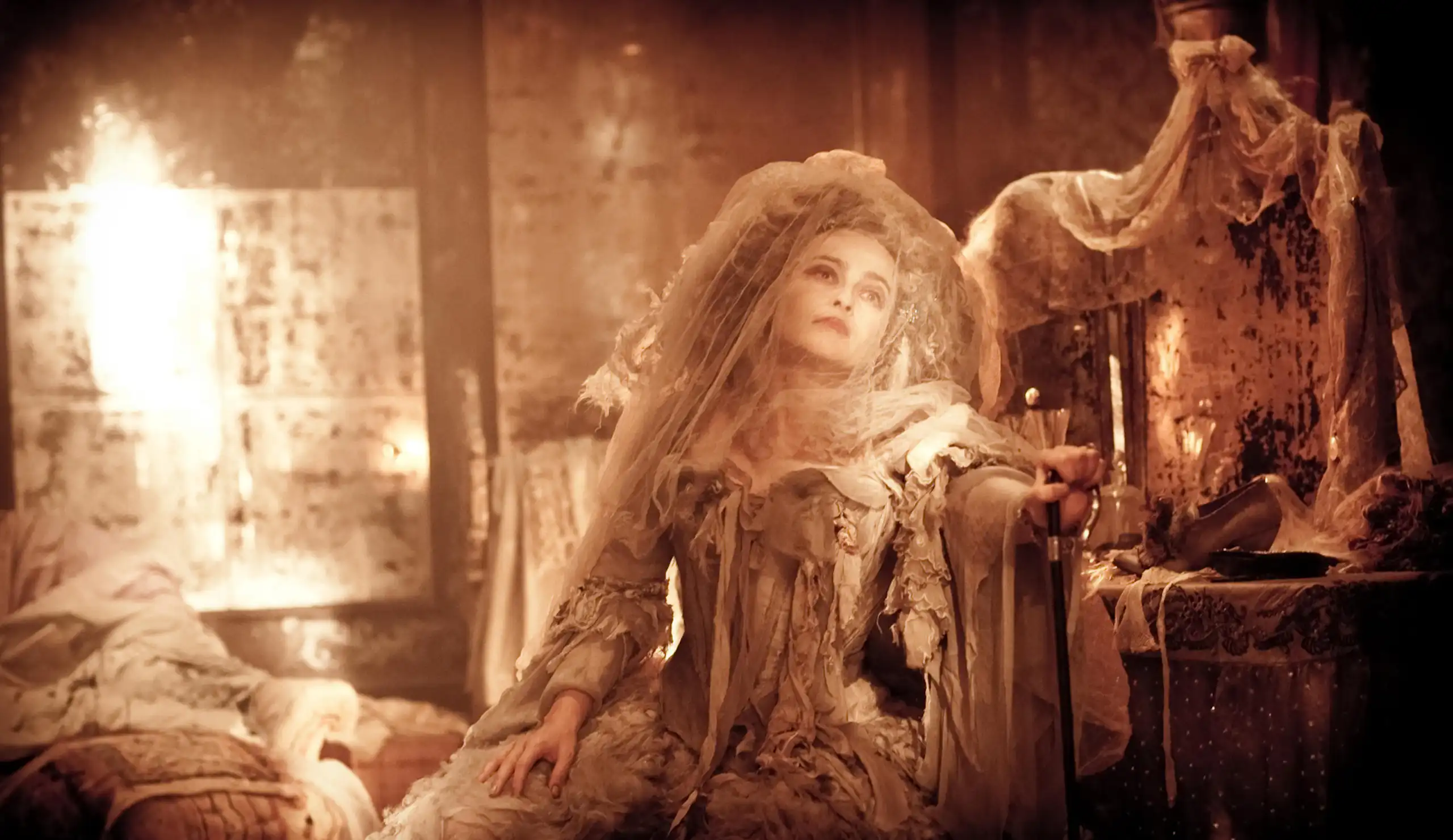
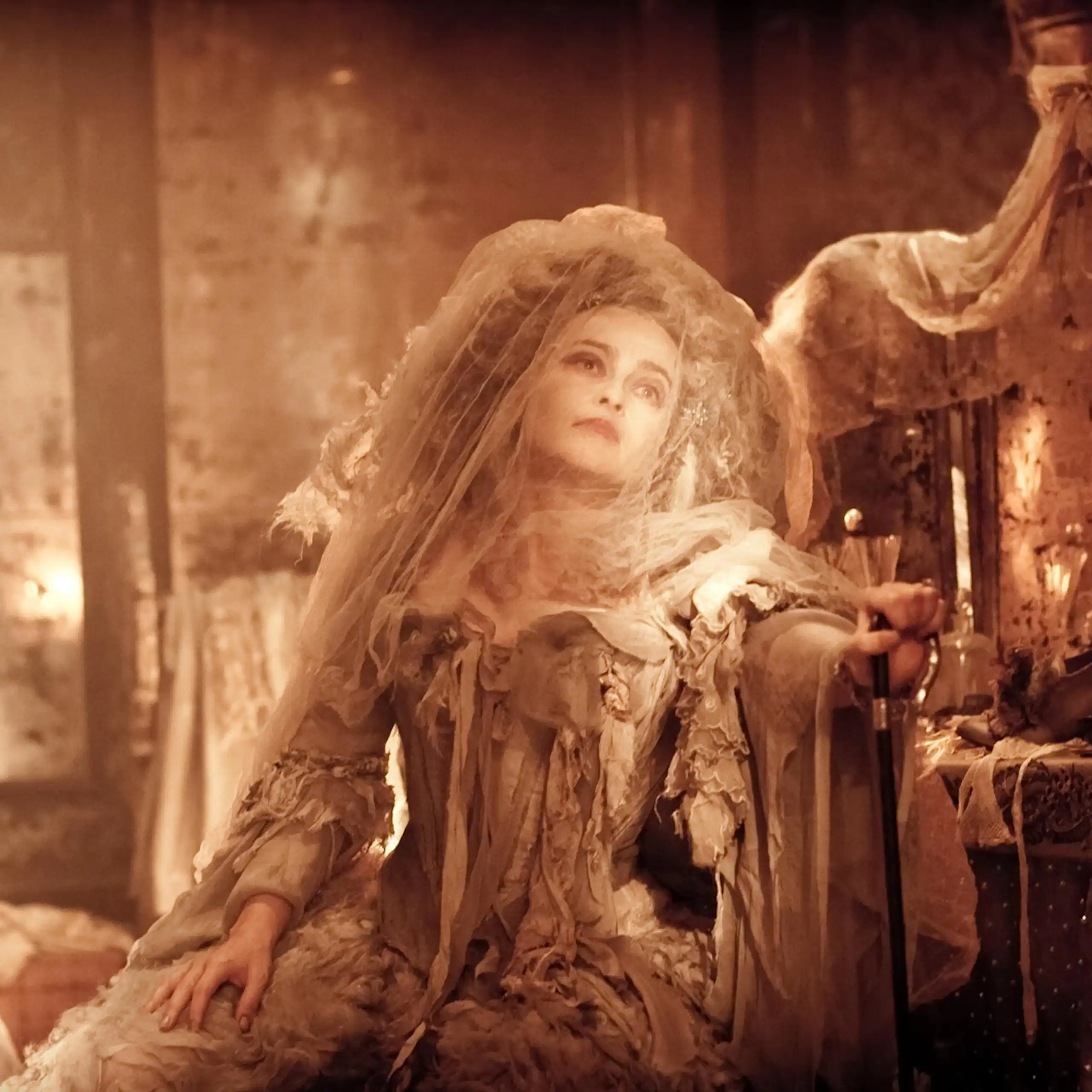
Great Expectations by Charles Dickens is an early exploration of ‘romance fraud’Emma Linford, University of Hull
Andy Burnham wants beer back in the stands – but football’s traditional fans have larger concernsSteve Greenfield, University of Westminster
The demise of the single-handed backhand is a watershed moment for tennisJohn William Devine, Swansea University
Football ticket crackdowns and price hikes are excluding traditional fansDaniel Fitzpatrick, Aston University and Mark Turner, Manchester Metropolitan University
Disney+ and Netflix are buying into football – without buying the live actionRichard Jones, University of Salford
Parthenon marbles loan to Greece is not a simple solution – who gets control over objects?Stephan Blum, University of Tübingen
Can AI help ‘humanise’ museums? New report reminds us why art matters in a changing worldSarah Cook, University of Glasgow
Women in architecture: the damaging workplace culture pushing talented professionals outLynne Mesher, University of Portsmouth
Phoebe Giannisi’s eco-poetry challenges the idea that humans are separate from natureLaura Jansen, University of Bristol
Five ways to enjoy fashion as a hobby without indulging in overconsumptionCathrine Jansson-Boyd, Anglia Ruskin University
Virtually trying on clothes using AI can help cut fast-fashion waste, study revealsRebecca Beech, Oxford Brookes University
Tabis are so over – what the mainstreaming of the split-toe shoe says about how fashion loses meaningCatherine Greenwood, University of Lancashire
The ick: the psychology of why a romantic partner can suddenly repulse youRachael Leggett, Coventry University
Daily doses of ‘digital ibuprofen’: how burnt-out Chinese youth soothe their anxietiesHui-Ying Kerr, Nottingham Trent University
Social media hasn’t killed personal style, it’s killed how we communicate itCatherine Greenwood, University of Lancashire
Can memoirs ever tell the whole truth?Emily Hay, University of Glasgow and Craig Lamont, University of Glasgow
How will humans of the future be augmented? Six striking ideas from science fictionAmy C. Chambers, Manchester Metropolitan University