

‘Catching a baby’ or caring for new parents on Christmas Day is special, midwives say. But Christmas can also be a vulnerable time for many women, especially so during a pandemic.
Articles on Health care
Displaying 241 - 260 of 448 articles

What happens to unhoused people who get COVID-19?

Hospitals are losing staff to quarantines as rural COVID-19 cases rise, and administrators fear flu season will make it worse. And then there’s the politics.

Migrant workers’ families suffer from limited access to pandemic-related health care and loss of income.

Often the main differences among plans involve a long list of varying deductibles, co-pays and other out-of-pocket expenses, which can be tough to analyze.

The use of artificial intelligence in health care is on the rise, and the concerns of the public need to be considered in developing policy that regulates its application.

Our health-care system is fraught with paternalistic attitudes toward the capabilities of people with disabilities. Capacity assessments raise important issues about consent, autonomy and agency.

The US president has relentlessly attacked the ACA since taking office. While more costly than hoped, the law has cut the number of Americans without insurance in half, more than meeting its goals.

The pandemic’s dramatic drop in health-care use is both a crisis of unmet need and an opportunity to reduce the unneeded.

As the country’s first ever African MP, and only the second refugee to win a seat, Ibrahim Omer is ideally placed to tackle the big problems facing immigrant communities.

The pandemic has exacerbated existing issues of connectivity and access, but providers and patients are finding creative solutions.

A new study explores the challenges that pregnant women in megacities such as Lagos face in emergency situations and how the options vary depending on their socioeconomic status.
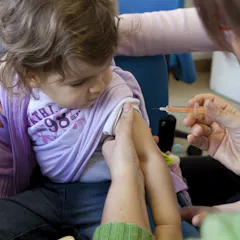
A pediatrician answers parents’ questions about catching up on missed childhood vaccinations and why that’s so important.

Many more people need long-term specialist care, or are waiting a long time for elective surgery. These and other factors tell us we need to update how specialist referrals work.

Recent Alberta legislation increasing privatization in the health sector risks undermining the public health-care system, and will likely put profits over the public interest.

Nurses on both sides of the border report that they aren’t getting the support they need to feel safe on the job and maintain their own health and well-being during the COVID-19 pandemic.

COVID-19 has shown the flaws of a reactive health-care system designed to care for people who are already sick. A preventive approach would be more equitable, less expensive and keep us healthier.

New Canadian clinical practice guidelines for obesity aim to help reduce the prevalence and impact of weight bias and stigma in clinical care, and also encourage the public to advocate for change.

It’s no wonder some Indigenous Australians are concerned about receiving different treatment in hospital.

Despite a lighter lockdown, Sweden hasn’t avoided the damaging economic disruption experienced elsewhere.
Top contributors
-

Honorary Enterprise Professor, School of Population and Global Health, and Department of General Practice and Primary Care, The University of Melbourne
-
Chancellor's Professor of Medicine, Liberal Arts, and Philanthropy, Indiana University
-
Professor of Health Economics, The University of Melbourne
-
Professor, Public Health, Victoria University, Victoria University
-
Professor, School of Population Health, UNSW
-
Senior Lecturer, University of Sydney
-
Assistant Professor, Rutgers University - Newark
-
Professor, Public Service Research, UNSW
-
Assistant Professor of Nursing, University of Michigan
-
Assistant Professor, Texas A&M University
-
Assistant Professor of Economics, University of California, Berkeley
-
Adjunct Associate Professor, Menzies Centre for Health Policy and Economics, University of Sydney
-
Indigenous Science Research Director, Indigenous Science and Engagement, CSIRO
-
Associate Professor, Family Medicine, Queen's University, Ontario
-
George Dock Professor of Medicine, University of Michigan